Australians are being urged to avoid but record and report sick animals following the first-time detection of a deadly avian disease on the mainland.
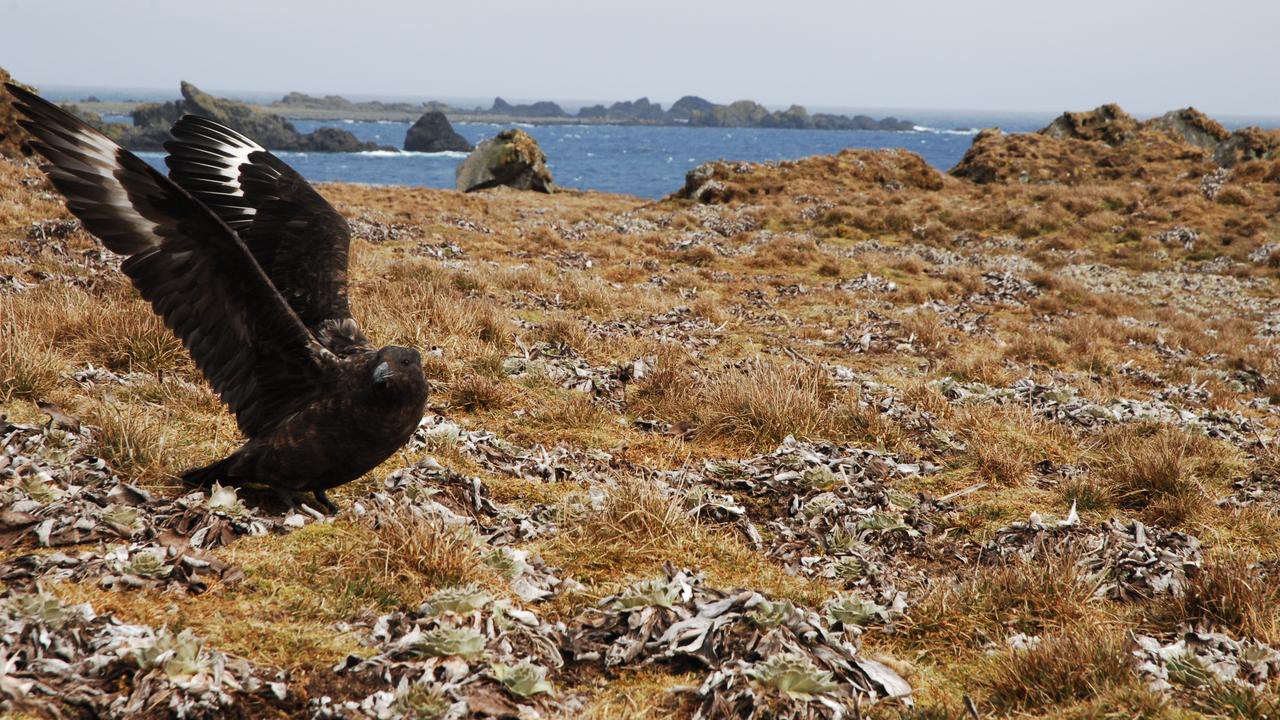
Confirmation of H5 bird flu was announced on Saturday after a sick brown skua was found on a remote beach in Cape Le Grand National Park near Esperance, about 700km southeast of Perth.
This strain has already killed millions of animals across the world and could threaten Australia's native wildlife and farmed animals.
But Agriculture Minister Julie Collins said the government had been planning for its spread.
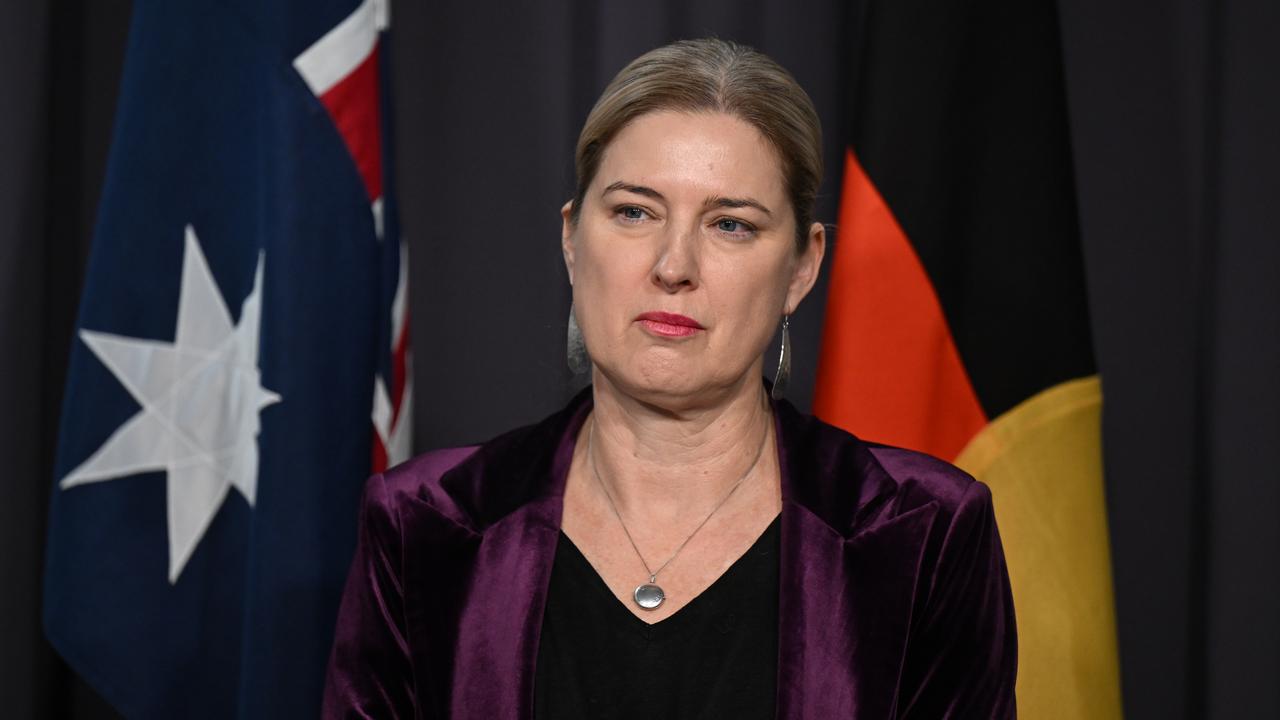
"We all knew that we couldn't be bird flu-free forever," she told reporters.
"Whilst disappointing, this is not unexpected given the global spread of the H5 bird flu virus."
So far, there is no evidence of mass mortality or infection in poultry or agricultural production systems, the federal government confirmed.
But a second migratory bird - a giant petrel - has returned a suspected positive result for H5.
Tasmanian devils, the critically endangered orange-bellied parrot and the black swan are among the many native animals susceptible to the disease.
The animal populations most vulnerable are those that come together and breed in high densities, Australian Chief Veterinary Officer Beth Cookson said.
This includes the little penguin and blue-billed duck.
Other species, such as the Australian sea lion, can be especially exposed as they are also at risk of extinction, according to Threatened Species Commissioner Fiona Fraser.
In response to the detection, the Invasive Species Council has called on the government to spend at least $200 million in the next two years to strengthen wildlife resilience.
"Today's confirmation is the news conservationists, scientists and wildlife carers have been hoping never to hear," policy director Carol Booth said.
"The virus's arrival on mainland Australia means we are entering a new and uncertain chapter for Australian wildlife.
"Bird flu is coming for Australian wildlife ... the threat is no longer theoretical."

Australian bodies have examined the spread of H5 bird flu in other countries to prepare their response.
More than 100 plans have been developed for significant natural sites and a consultative committee for emergency animal diseases met on Saturday morning to consider WA's response plan.
The federal government has spent more than $100 million to support Australia's preparedness for this strain of bird flu and is working with state and territory governments.
NSW officials have offered to work with WA counterparts as they lead an on-ground response to detections.
Governments have called on the community to report dead or sick birds and marine mammals to the emergency animal disease hotline.
People are being asked to take photos and videos but avoid handling or coming into contact with the animals.
About a dozen calls were already made to the hotline before 5pm on Friday, WA Agriculture Minister Jackie Jarvis told reporters.
"We all have an important role to play in protecting our wildlife, our poultry and other animals against H5 bird flu," she said.
Pet owners have also been urged to stop cats from roaming and keep dogs on leads in wildlife areas, while those who work with birds should prevent wild birds from mingling with their animals and keep equipment and hands clean.
The deadly strain was detected for the first time on Australian soil in October on World Heritage-listed Heard Island, 4000km southwest of Perth.
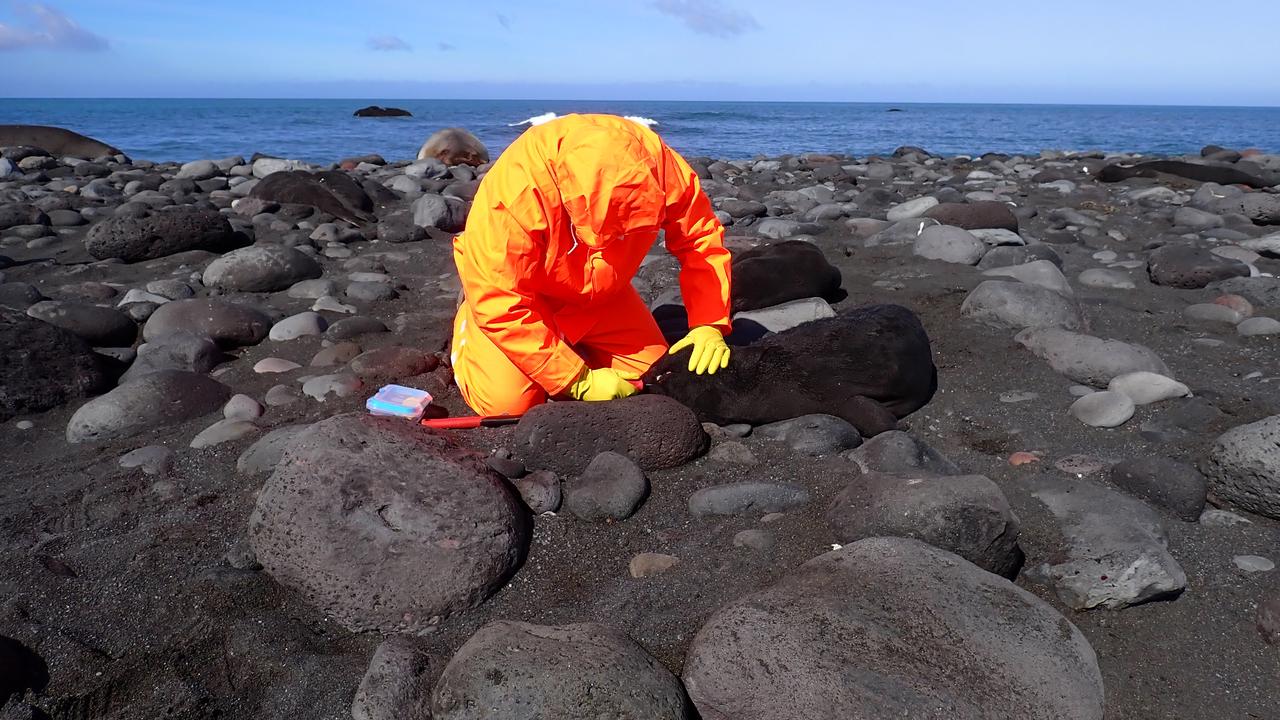
Scientists who visited the sub-Antarctic territory estimated 13,359 southern elephant seal pups had died from the disease out of a total population of 17,364.
The risk to Australia's agricultural industries remains low but will increase if the strain is established in other animal populations.
Though there have been some human infections overseas, the risk is low and transmission has generally occurred after very close contact with sick or dying animals.