The National Trust has named the first beaver born on Exmoor after 400 years ‘Rashford’ in honour of the England footballer.
Nearly 2,800 people participated in the ballot, with more than half the votes in favour of honouring the player. In second place came "Banksy" with 17 per cent votes. "Hope" and "Pip" followed with 16 per cent.
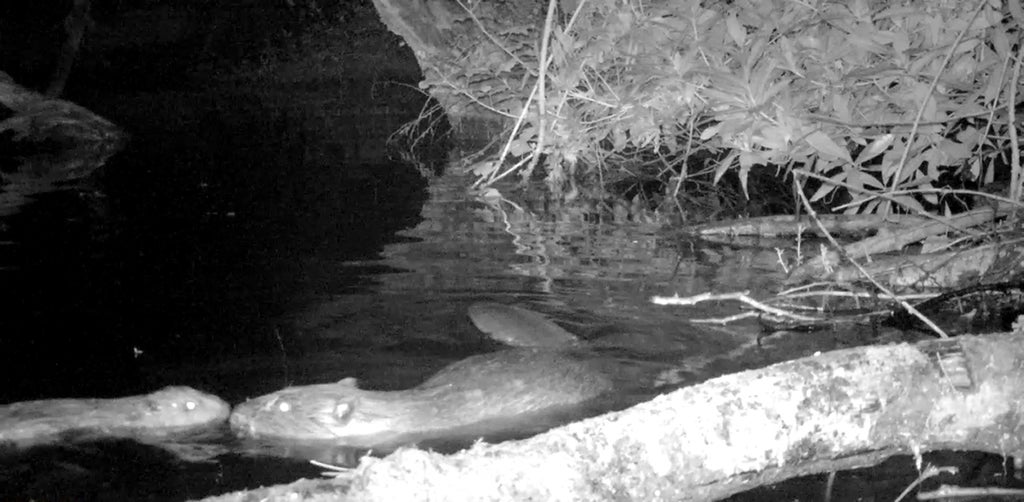
The baby beaver — known as a ‘kit’ — youngster was caught on film at the trust’s Holnicote Estate in Somerset, where beavers were introduced to a 6.7-acre enclosure in January 2020.
Holnicote rangers narrowed down the names to four options from more than 500 suggestions, which were then put to vote on social media.
The vote followed the release of footage from a static camera that captured the kit swimming with its mother back to the family lodge while she stopped to nibble a branch. The video became a hit when it was released to the public on Tuesday.
Ben Eardley, project manager for the National Trust on the Holnicote Estate, said he was overwhelmed with interest in the latest addition to the beaver family.
"It's fantastic that so many people are just as excited as we are that our project to reintroduce beavers to this special landscape has been such a success,” he said.
"Rashford is a brilliant choice for this new addition to the family - and reminds people of a moment in this country's footballing history after an amazing tournament for the England team.”
"The kit, the first to be born on Exmoor in 400 years, gives us hope for future generations," Eardley said.
Since Sunday, fans and celebrities have voiced their support for the footballer after he wrote an emotional letter apologising for England’s defeat and reflect on the racist abuse suffere by him and other players.
The once-native semi-aquatic mammals return to Britain after being hunted to extinction for their fur, glands and meat in the 16th century.
Includes reporting by PA