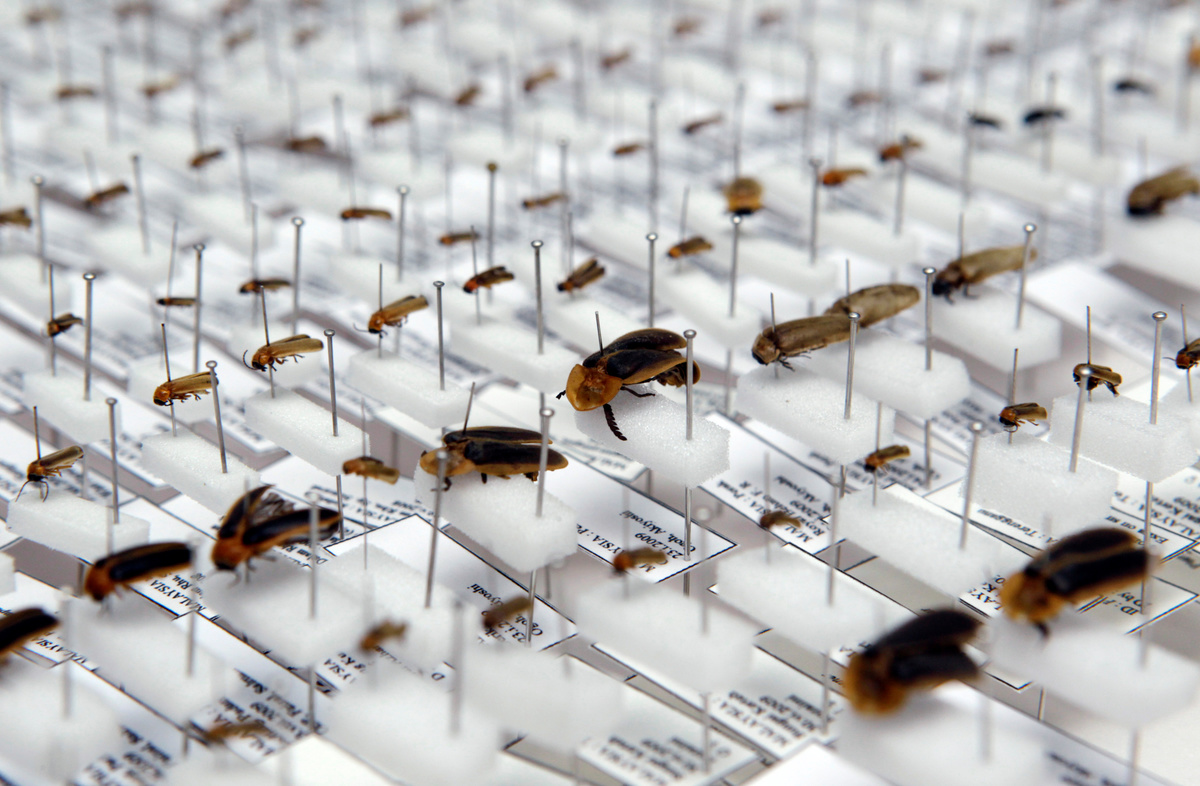
Fireflies are under threat globally, with familiar hazards such as habitat loss and pesticides compounded by another peril: humankind's ubiquitous nighttime artificial light that plays havoc with their balletic nocturnal courtship, scientists said.
In the most comprehensive worldwide assessment to date of dangers facing these flying beetles, researchers concluded that some of the 2,000-plus firefly species may face extinction threats while others are doing just fine.
Using assessments from 350 experts on fireflies from around the world, the researchers determined the top threat was habitat loss and fragmentation caused by factors such as urbanization, industrialisation and agricultural intensification.
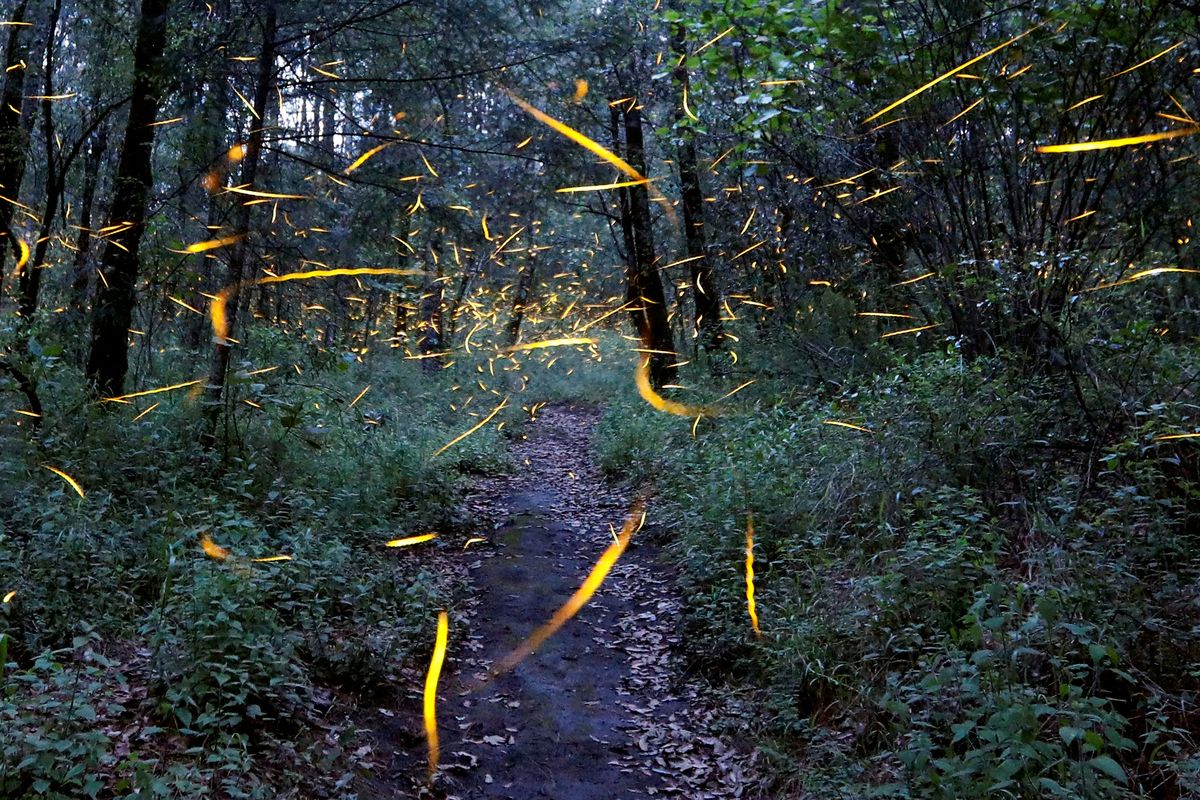
The second-leading threat was light pollution. Fireflies boast specialised light-emitting organs, typically on their lower abdomen, called lanterns. Fireflies flash to communicate as a part of courtship and reproduction.
"Light pollution affects lots of nocturnal creatures, but fireflies are especially susceptible to this particular threat," said biology professor Sara Lewis of Tufts University in Massachusetts, who led the research published this week in the journal Bioscience.
"That's because many - though not all - fireflies rely on bioluminescent courtship signals to find their mates. When their nighttime environment is too bright, it's difficult for them to see one another's signals, so they never get to hook up," Lewis added.
Satellite data has shown nighttime light pollution from the incessant flow of electric lights expanding on a global scale.
The third-leading threat was widespread agricultural use of pesticides. Most exposure occurs during the fireflies' larval stages because juveniles spend up to two years living below ground or under water.
The researchers said while there is scant data on long-term population trends for most species, there is evidence that these insects have vanished from many places where they formerly were abundant.
Fireflies, also called lightning bugs, inhabit every continent but Antarctica, preferring moist habitats like forests, fields and marshes.
"Sometimes they flash, sometimes they glow," said study co-author Avalon Owens, a Tufts biology doctoral student. "Sometimes the females have wings. Sometimes they look like fat larvae with big eyeballs. Some are over two inches (5 cm) long. Some are less than half an inch (1.25 cm). The flash colour is generally somewhere between green and orange, though some can look kind of bluish."
"I know a lot of people who really hate insects, but I've never met anyone who doesn't love fireflies," Lewis added. "They might be tiny, but they're among our best ambassadors for Earth's natural magic."
(Reporting by Will Dunham; Editing by Sandra Maler)