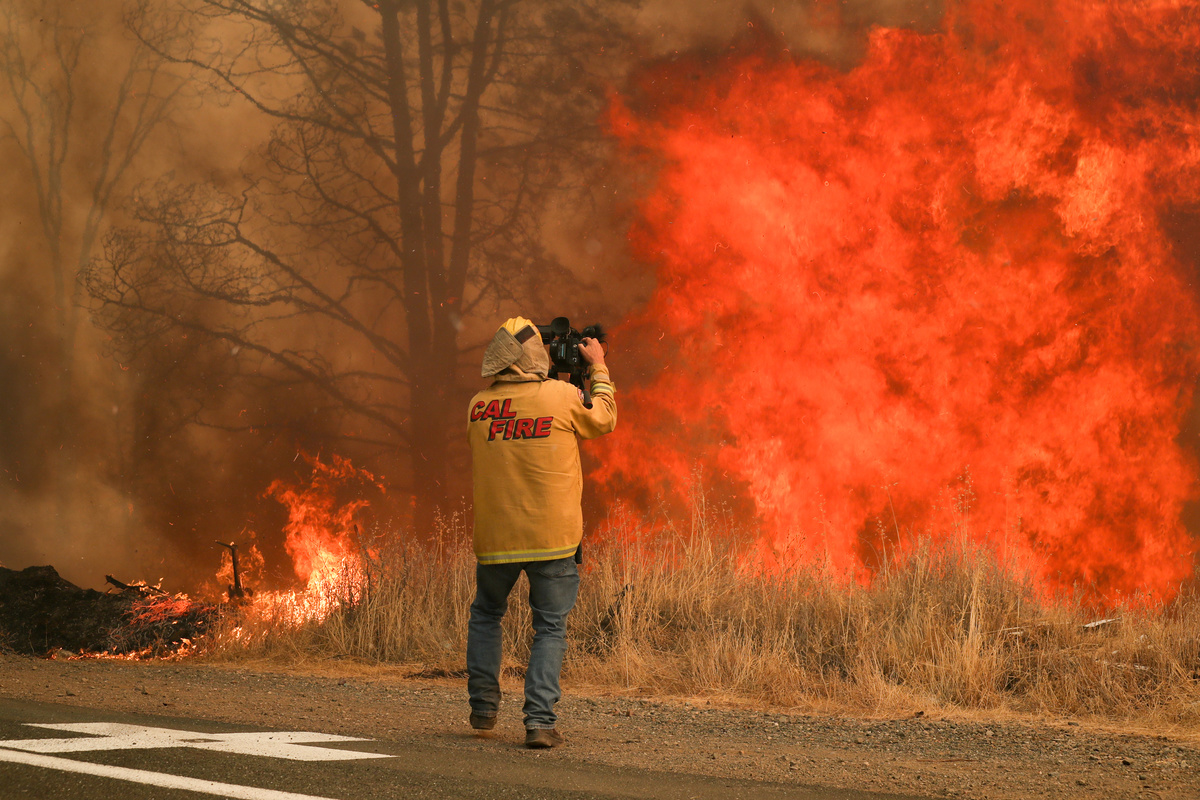
Crews from across the U.S. West, military planes and National Guard troops poured into California on Sunday to join the fight against two dozen major wildfires burning across the state, as officials warned of more dry lightning storms approaching.
The worst of the blazes, including the second and third largest wildfires in recorded California history, were burning in and around the San Francisco Bay Area, where more than 200,000 people have been told to flee their homes.
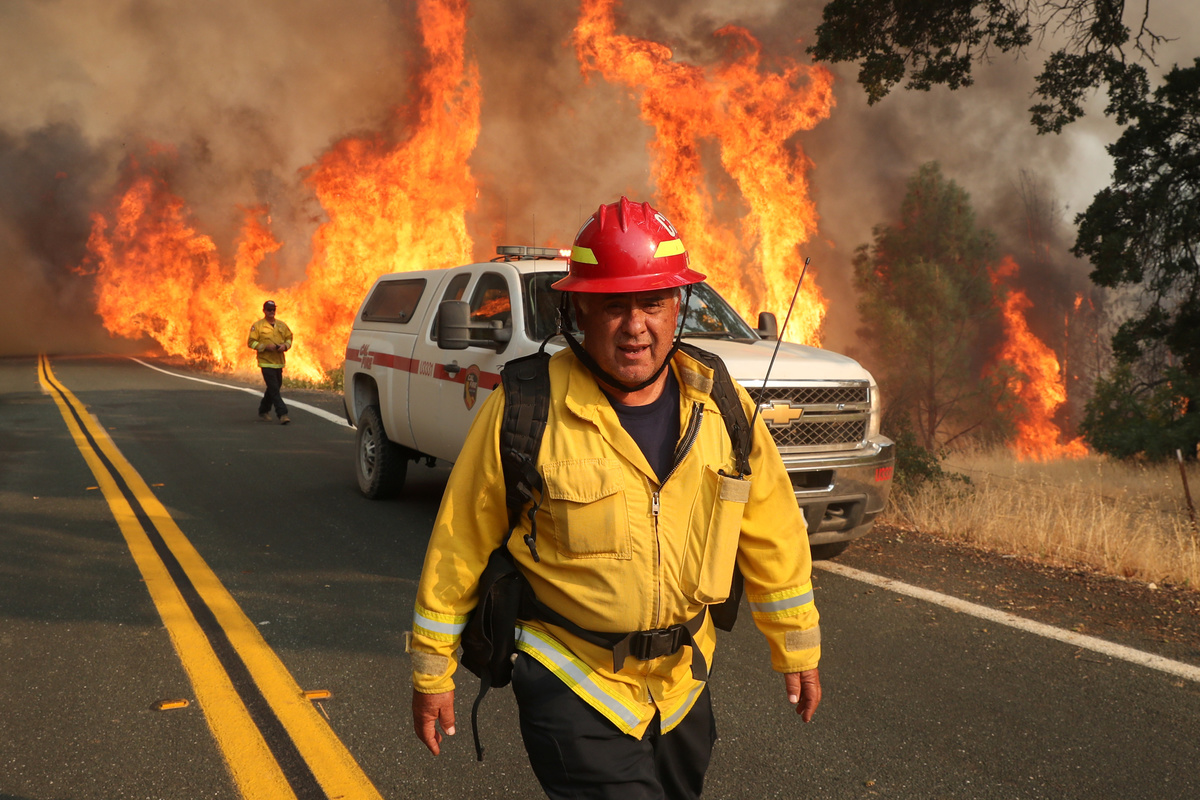
"Extreme fire behavior with short and long range spotting are continuing to challenge firefighting efforts. Fires continue to make runs in multiple directions and impacting multiple communities," the California Department of Forestry and Fire Protection said of the largest conflagration, the LNU Lightning Complex.
The fires, which were ignited by lightning from dry thunderstorms across Northern and Central California over the past week, have killed at least six people and destroyed some 700 homes and other structures. All told nearly one million acres have been blackened, according to Cal Fire.
Smoke and ash has blanketed much of the northern part of California for days, drifting for miles and visible from several states away.
The LNU Complex, which began as a string of smaller fires that merged into one massive blaze, has burned across roughly 340,000 acres of Napa, Sonoma, Lake, Yolo and Solano counties, Cal Fire spokesman Daniel Berlant said at a news briefing on Sunday.
It is now the second-largest wildfire on record in the state and was only 17% contained as of Sunday afternoon. To the south the SCU Lightning Complex was nearly as large, at 339,000 acres, and only 10% contained, Berlant said.
CREWS ARRIVE FROM OTHER STATES
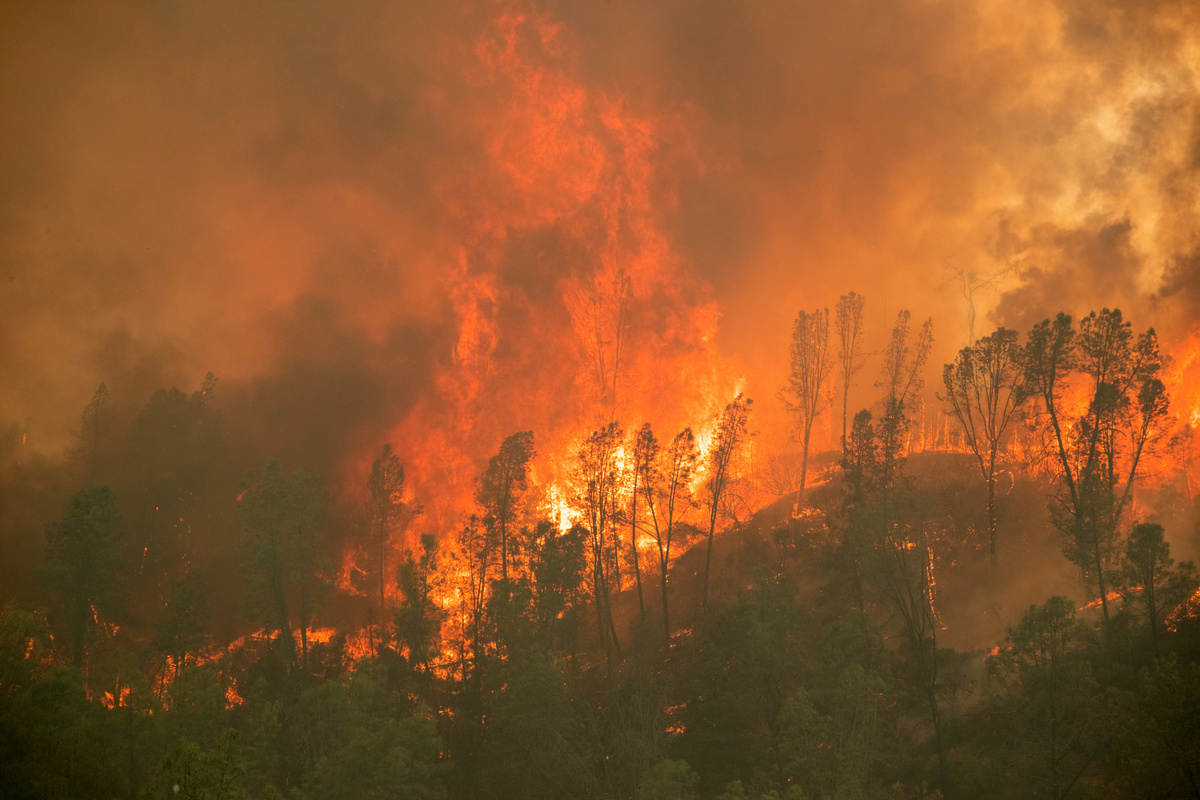
Outside the Bay Area, the flames were threatening forests near the University of California at Santa Cruz and a wide swath of the area between San Francisco and the state capital of Sacramento.
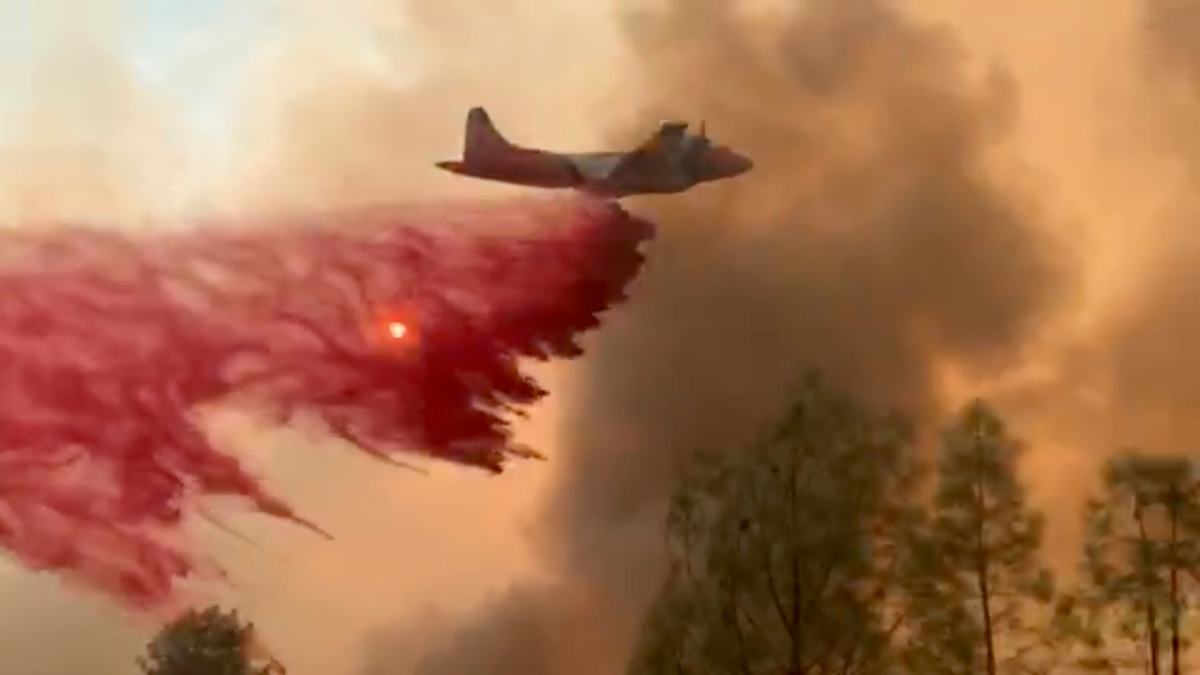
Reinforcement crews and fire engines have arrived from Arizona, Montana, Nevada, Texas and Utah, with more on the way, Berlant said. Some 200 members of the National Guard had been activated and the U.S. military sent planes, he said.
U.S. President Donald Trump on Saturday declared the fires a major disaster, freeing up federal funds to help residents and businesses harmed by the fires in seven counties pay for temporary housing and repairs.
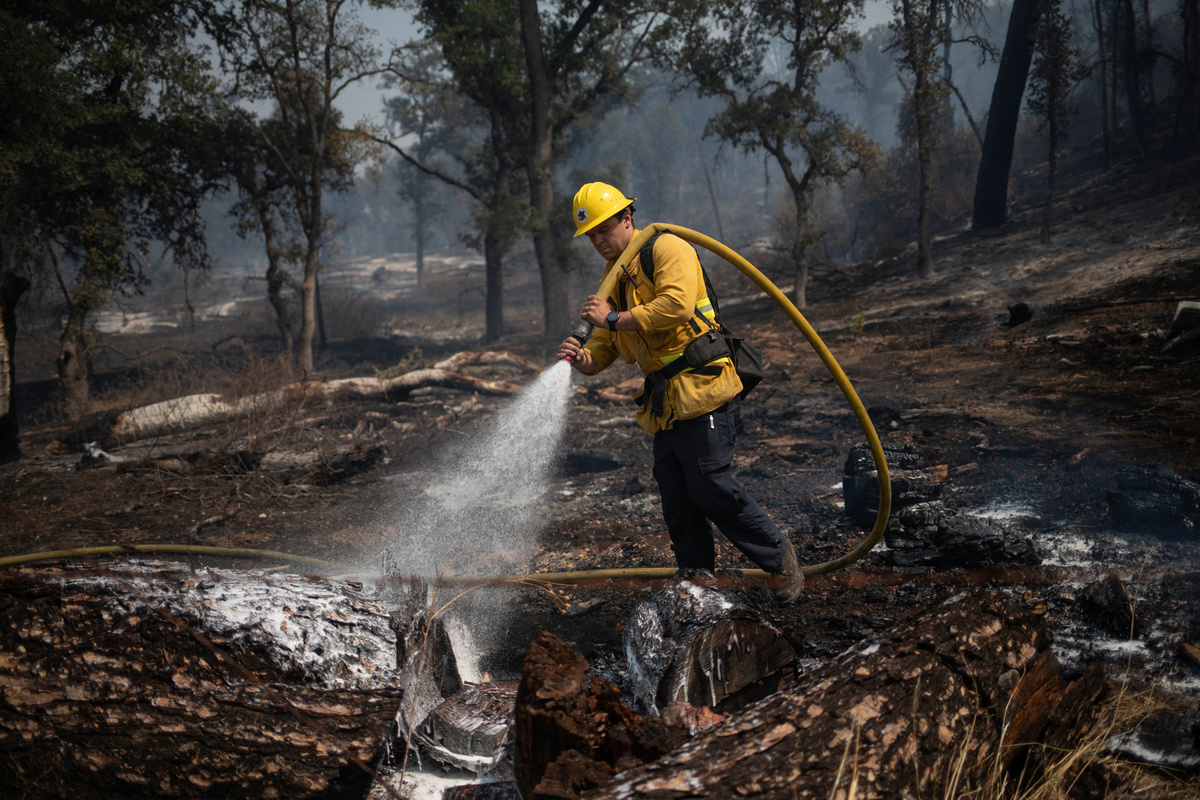
Berlant said more dry thunderstorms were forecast through Tuesday and so-called red flag warnings had been issued across much of the northern and central parts of California during a record-breaking heat wave that has baked the state for more than a week, caused by a dome of atmospheric high pressure hovering over the American Southwest.
Meteorologists say that same high-pressure ridge has also been siphoning moisture from remnants of a now-dissipated tropical storm off the coast of Mexico and creating conditions rife for thunderstorms across much of California.
Most of the precipitation from the storms evaporates before reaching the ground, leaving dry lightning strikes that have contributed to a volatile wildfire season.
The American Lung Association has warned that the coronavirus pandemic has heightened the health hazards posed by smoky air and extreme heat. Inhaling smoke and ash can worsen the weakened lungs of people with COVID-19, said Afif El-Hassan, a physician spokesman for the lung association.
(Reporting by Dan Whitcomb; Editing by Daniel Wallis)