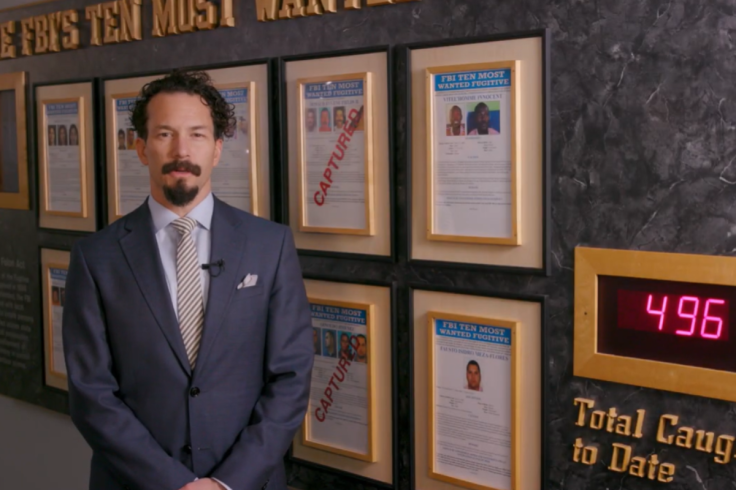
Brian Driscoll had served the FBI for nearly two decades, earning the Medal of Valor and the Shield of Bravery, when a phone call a week before Donald Trump's second inauguration changed everything. He was being offered the No 2 position at the bureau and told that if he declined, a political appointee would fill the role. He accepted reluctantly, unaware of what the vetting process would reveal.
In his first interview since being dismissed in August 2025, Driscoll spoke exclusively to CNN and described how incoming FBI Director Kash Patel told him his appointment would not be a problem — so long as he had not been active on social media, had not donated to the Democratic Party, and had not voted for Vice President Kamala Harris in the 2024 election. 'It made the hair on the back of my neck stand up,' Driscoll said.
A Vetting Process Unlike Any Other
Driscoll says the questioning went further. Over several days, incoming Trump officials asked about his personal politics: who he voted for, when he began supporting Trump, and whether he had voted for a Democrat in recent elections.
Driscoll served as acting FBI director for roughly a month before Patel was confirmed. Once Patel took over, Driscoll described a meeting at Patel's office in which the director was blunt about expectations — saying 'the FBI tried to put the president in jail and he hasn't forgotten it' — and that his own standing depended on removing agents who had worked on cases against Trump. 'It was the first time he articulated it that bluntly to me,' Driscoll said.
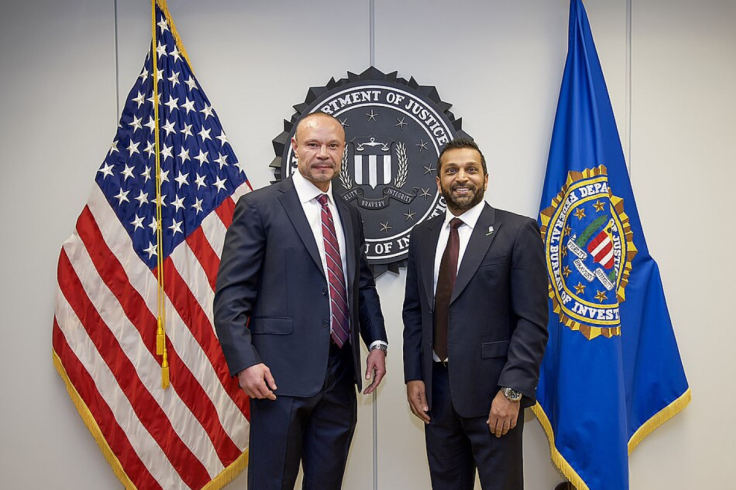
The List of 6,000 Names
Driscoll also recounts being asked by then-acting deputy attorney general Emil Bove to compile a list of all FBI employees, roughly 6,000 people, who had been involved in investigations of Trump. When Driscoll asked why, Bove reportedly said there was 'cultural rot in the FBI.' Driscoll's response was straightforward: 'I was telling them this is wrong.'
According to Driscoll, Bove indicated that White House deputy chief of staff Stephen Miller wanted FBI dismissals to mirror those already carried out at the Department of Justice, where more than a dozen career federal prosecutors who had worked with former special counsel Jack Smith were let go. Bove then handed Driscoll a list of eight field leaders and executive assistant directors to terminate, several of whom were close to retirement. Driscoll pleaded for them to be allowed to reach their pension milestones. Days later, a termination memo arrived giving the agents a deadline to retire or be fired.
Rather than comply in silence, Driscoll sent a bureau-wide message to all 38,000 FBI employees disclosing Bove's request. 'As we've said since the moment we agreed to take on these roles, we are going to follow the law, follow FBI policy, and do what's in the best interest of the workforce and the American people — always,' he wrote in that email. Bove responded by accusing Driscoll of 'insubordination.'
Lawsuit and Silence from Washington
Driscoll was fired in August 2025 alongside two other senior officials — former assistant director Steven Jensen and former Las Vegas field office head Spencer Evans. All three subsequently filed a wrongful termination lawsuit against Patel, the FBI, and the broader Trump administration in Washington DC federal court. The complaint alleges that the dismissals were politically motivated and that Patel 'deliberately chose to prioritise politicising the FBI over protecting the American people.'
Fired FBI chief tells CNN that FBI director Kash Patel tied job security to purging agents linked to Trump probes. https://t.co/CriOHkXlIy pic.twitter.com/A1ndUogGTN
— CNN (@CNN) May 12, 2026
The Department of Justice has moved to dismiss Driscoll's case. Neither the DOJ, the FBI, nor a spokesperson for Patel responded to CNN's requests for comment. Bove, who has since been confirmed to a lifetime appointment as a federal appellate judge, also did not respond.
Driscoll drew a parallel between the sense of 'helplessness' he felt watching the September 11 attacks unfold as a teenager — the very experience that drove him into law enforcement — and the orders he was given to fire seasoned agents. He said it was worse than being shot at in the field. 'You take all of these highly experienced people with the perspective gained through that experience, through success and failure alike, and remove them,' he said. 'It's devastating to the workforce, not just for the morale, but also the stability of the organisation.'
Driscoll's account is the most detailed first-hand testimony yet from inside the FBI's leadership during the transition period. The allegations raise serious questions about the independence of federal law enforcement from partisan influence, a concern that legal scholars have flagged repeatedly since the start of Trump's second term. The International Bar Association has documented those concerns directly, with Richard Painter, a former White House ethics counsel and law professor at the University of Minnesota, describing the use of federal law enforcement powers against political opponents as 'a direct assault on the non-political administration of justice.'