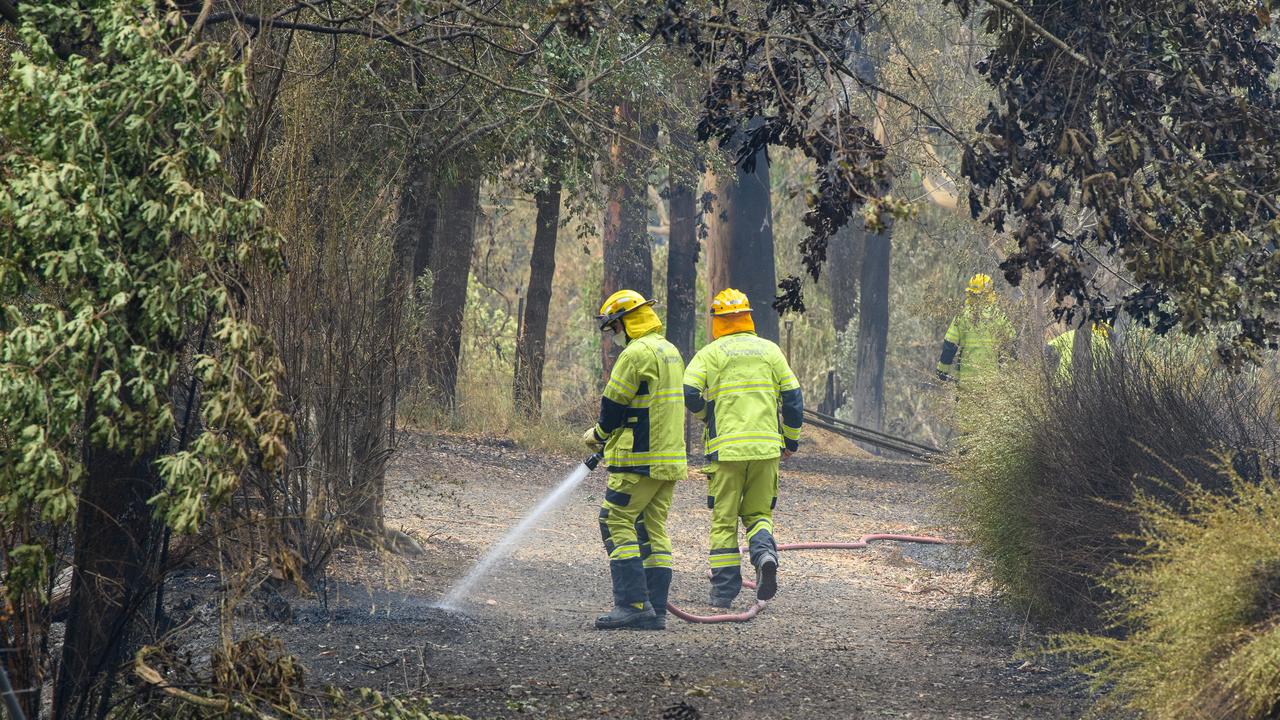
Fire agencies are prepping for a possible earlier start to the season as long-range forecasts signal a drier and warmer winter.
An El Nino weather pattern, which was declared by the US federal science agency overnight, has Victoria's Country Fire Authority on alert ahead of the fire season, chief officer Jason Heffernan says.
Australia's climate is driven by more than just the El Nino-Southern Oscillation pattern that cycles in the Pacific Ocean periodically, and has been flagged but not yet confirmed by the local weather agency.
The latest long-range forecasts from the Bureau of Meteorology, however, predict below-average rainfall across parts of southern and eastern Australia for the next three months, and above-average temperatures for much of the nation.
Fire agencies draw on long-range weather forecasts and their own monitoring of soil moisture, fuel loads and other conditions to prepare for the fire season ahead, allowing them to make proactive decisions about resourcing, community education and hazard mitigation.
NSW Rural Fire Service deputy commissioner Ben Millington said recent rainfall had improved water availability in the state though some areas were still expecting limited accessibility.
Dry firefighting techniques could be prioritised in the coming season, he said, such as using bulldozers to clear containment lines.
Mr Millington stressed conditions were not the same as ahead of the 2019-2020 Black Summer fires, which hit NSW hard and were preceded by 10 years of drought.
"But nonetheless, we're very well aware that El Nino conditions and these dry conditions that are forecast could very well see a busy fire season," he told AAP.
Ahead of Victoria's destructive fire season last summer, the CFA was able to proactively engage government to secure extra resources, bulk water, and funding for an education campaign, Mr Heffernan said.
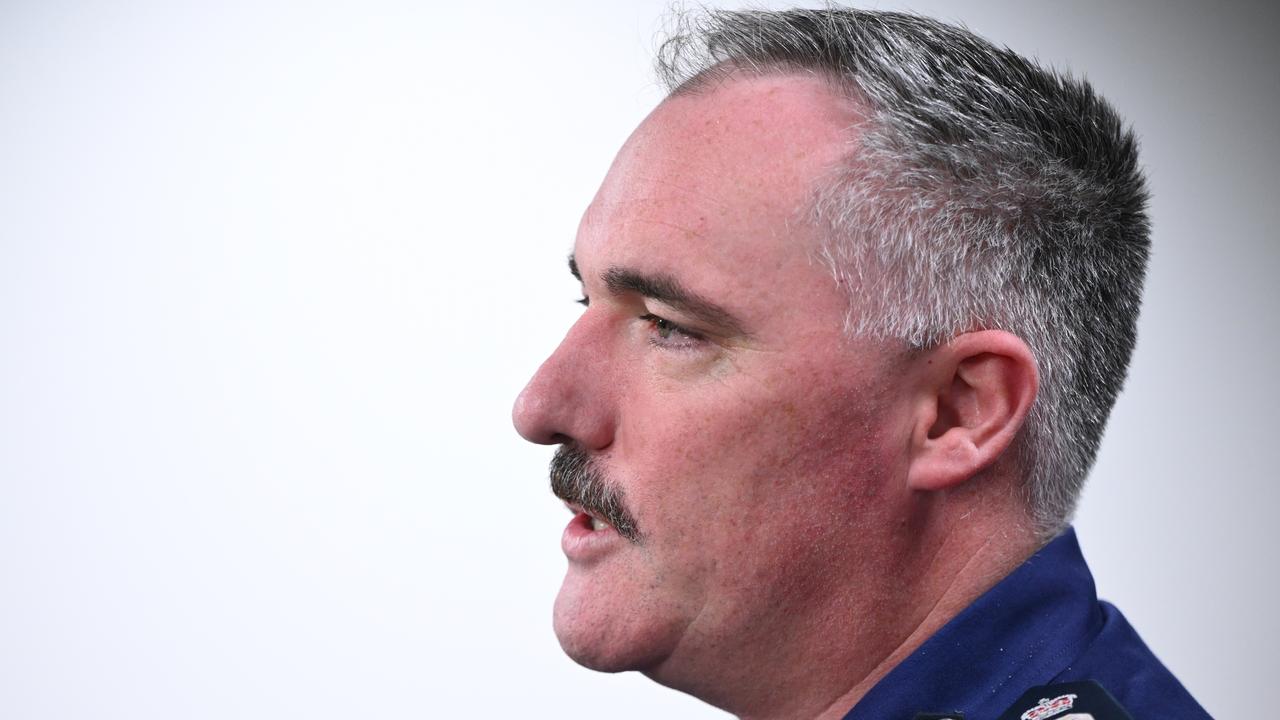
For the upcoming season, long-range weather and subsoil moisture indicators were implying drier-than-usual fuel loads across the state, despite some rain expected over the next few weeks.
"I would not be surprised if yet again we see an early start to our fire season and another dry, dangerous summer, based upon the sort of indications we're seeing now," he told AAP.
An El Nino is a natural climate driver linked to warmer and drier weather in Australia, particularly in the eastern regions, though is only one of many factors that can influence weather and climate.
Others include the Indian Ocean Dipole, which is currently neutral, and climate change, which is already driving higher temperatures and more erratic and extreme weather events.
The US National Oceanic and Atmospheric Administration has ascribed a 63 per cent chance of a very strong - potentially record-breaking - El Nino developing later in the year, though a potent event does not necessarily mean strong impacts on Australia's climate.