Struggling to get a phone signal at home on planet Earth? Perhaps you'll have better luck on the moon.
Nokia <NOKIA.HE> has been selected by NASA to build the first cellular network on the moon, the Finnish company said on Monday, as the U.S. space agency plans for a future where humans return there and establish lunar settlements.
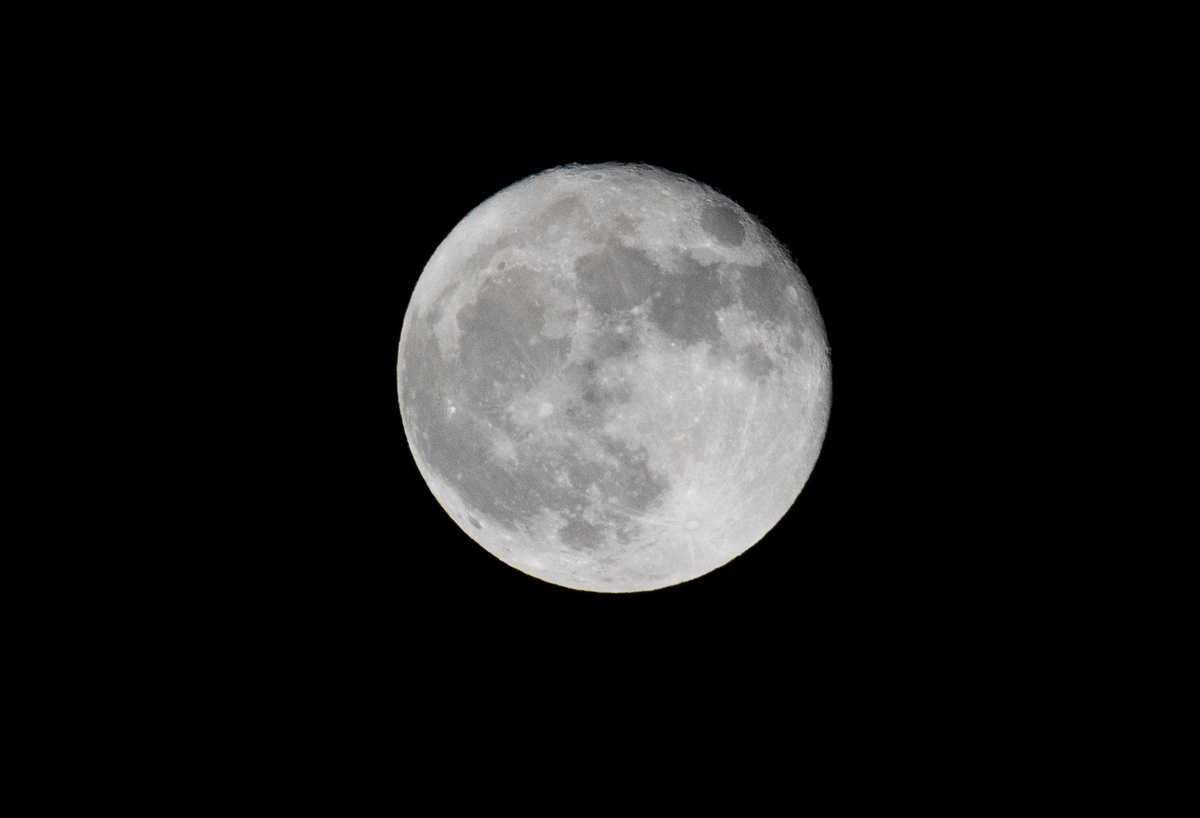
NASA aims to return humans to the moon by 2024 and dig in for a long-term presence there under its Artemis programme.
Nokia said the first wireless broadband communications system in space would be built on the lunar surface in late 2022, before humans make it back there.
It will partner with a Texas-based private space craft design company, Intuitive Machines, to deliver the equipment to the moon on their lunar lander. The network will configure itself and establish a 4G/LTE communications system on the moon, Nokia said, though the aim would be to eventually switch to 5G
The network will give astronauts voice and video communications capabilities, and allow telemetry and biometric data exchange, as well as the deployment and remote control of lunar rovers and other robotic devices, according to the company.
The network will be designed to withstand the extreme conditions of the launch and lunar landing, and to operate in space. It will have to be sent to the moon in an extremely compact form to meet the stringent size, weight and power constraints of space payloads.
Nokia said the network would be using 4G/LTE, in use worldwide for the last decade, instead of the latest 5G technology, because the former was a more known quantity with proven reliability. The company would also "pursue space applications of LTE's successor technology, 5G".
(Reporting by Anne Kauranen; Editing by Edmund Blair and Pravin Char)