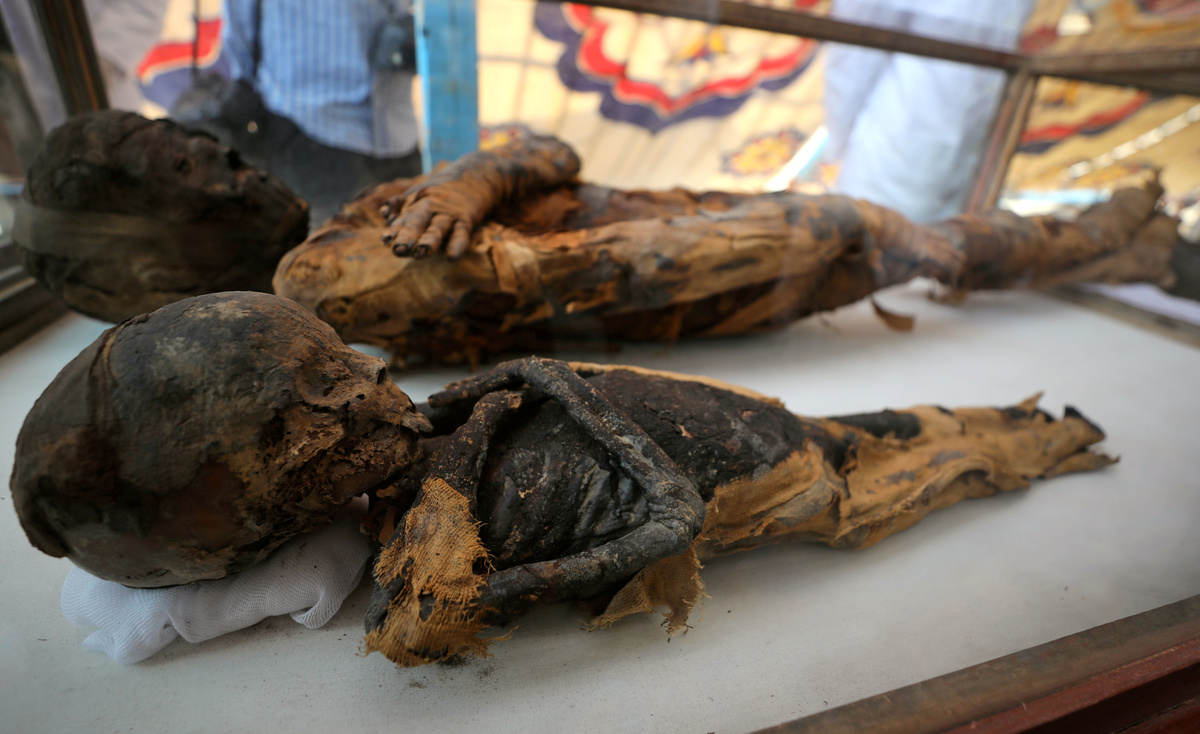
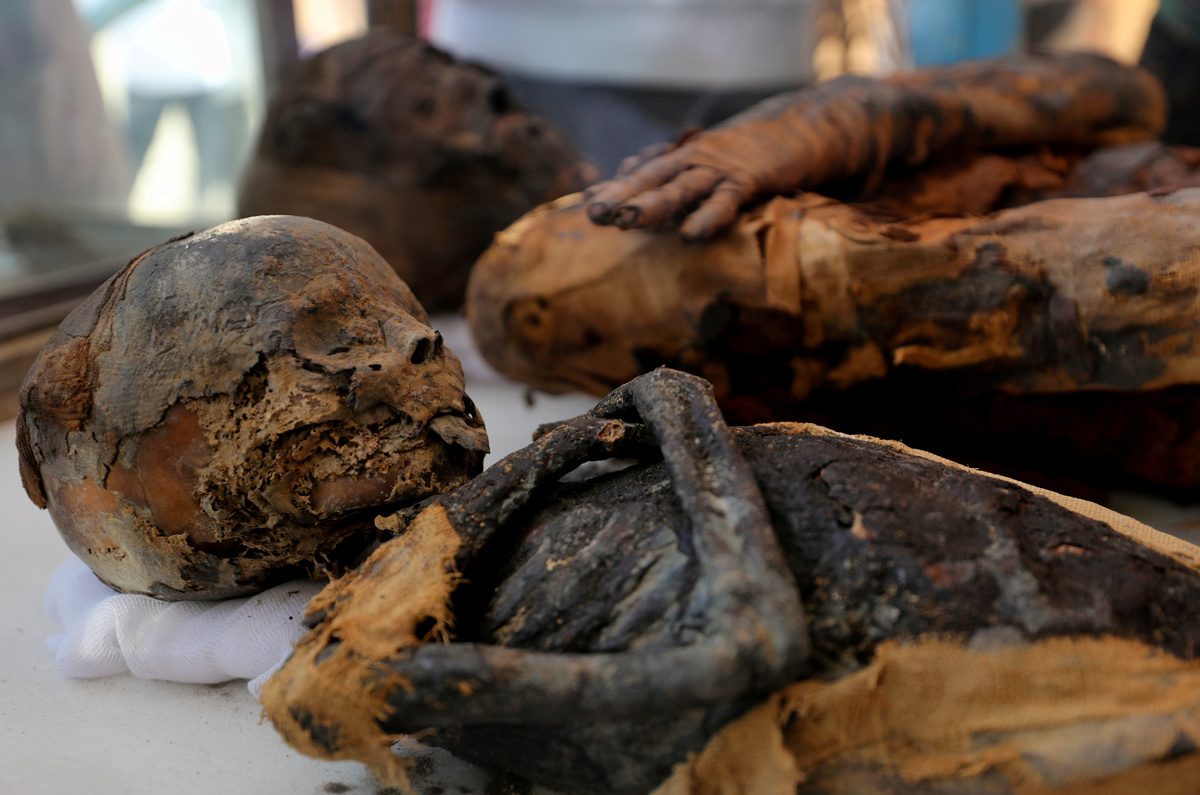
Two mummies, of a woman and child, are on display at the newly discovered burial site, the Tomb of Tutu, at al-Dayabat, Sohag, Egypt April 5, 2019. REUTERS/Mohamed Abd El Ghany
SOHAG, Egypt (Reuters) - Archaeologists on Friday unveiled a well preserved and finely painted tomb thought to be from the early Ptolemaic period near the Egyptian town of Sohag.
The tomb was built for a man named Tutu and his wife, and is one of seven discovered in the area last October, when authorities found smugglers digging illegally for artefacts, officials said.
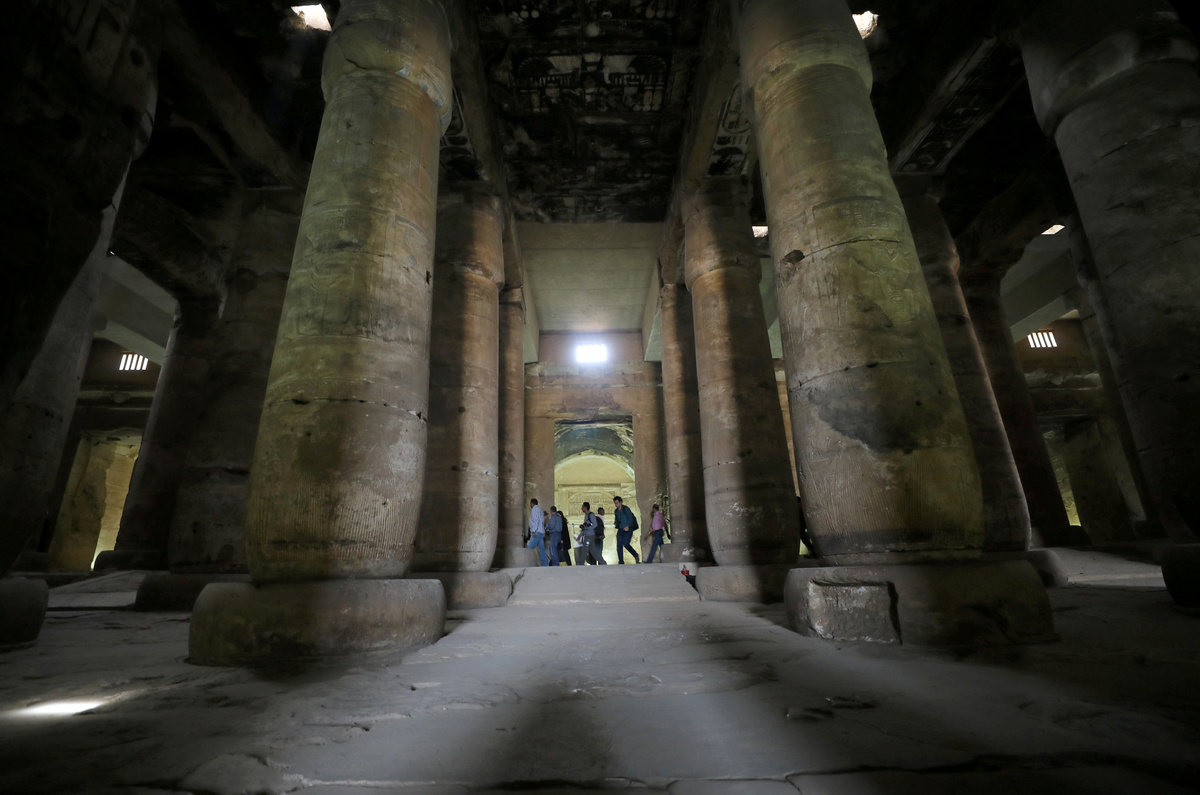
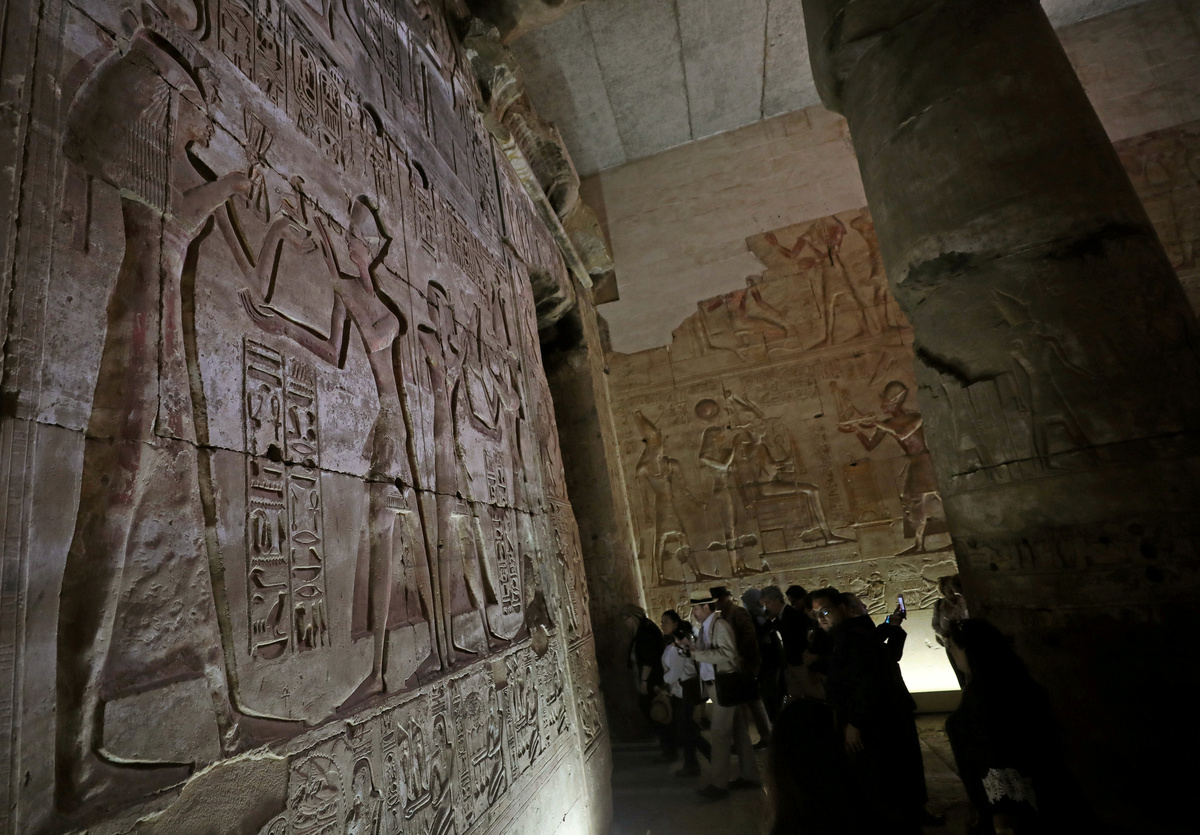
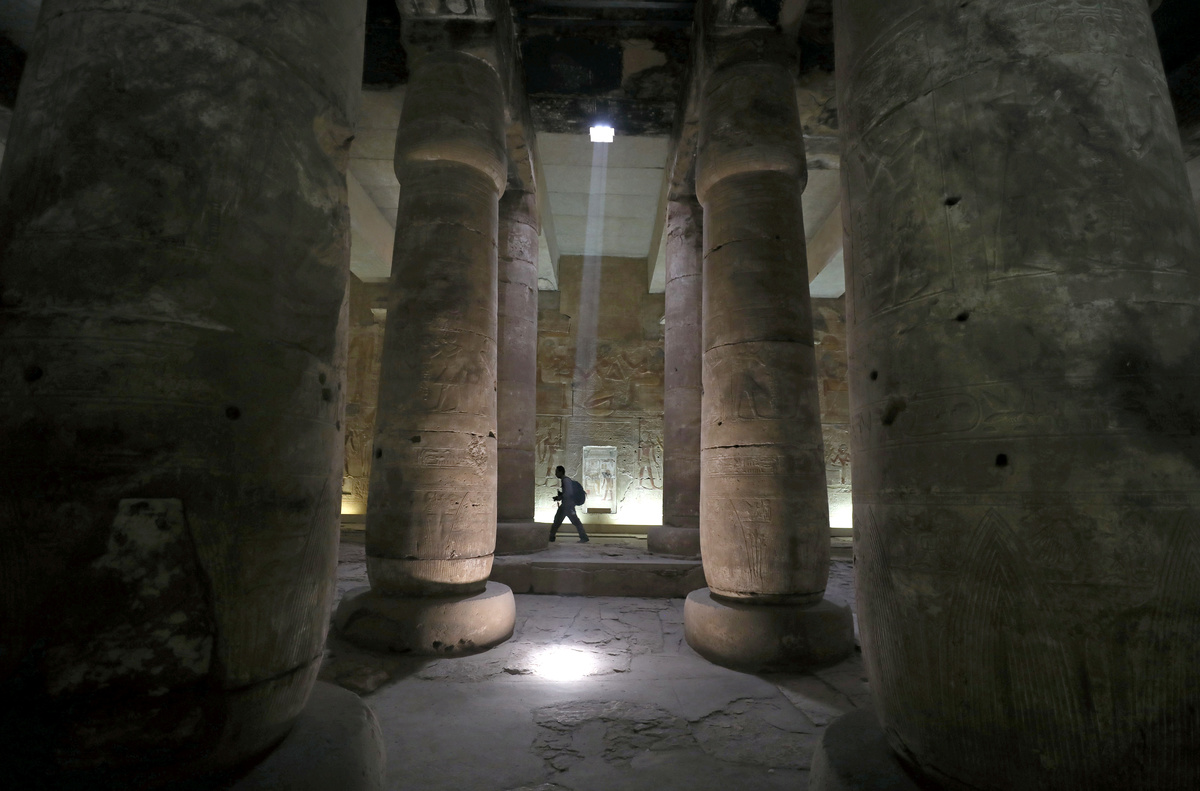
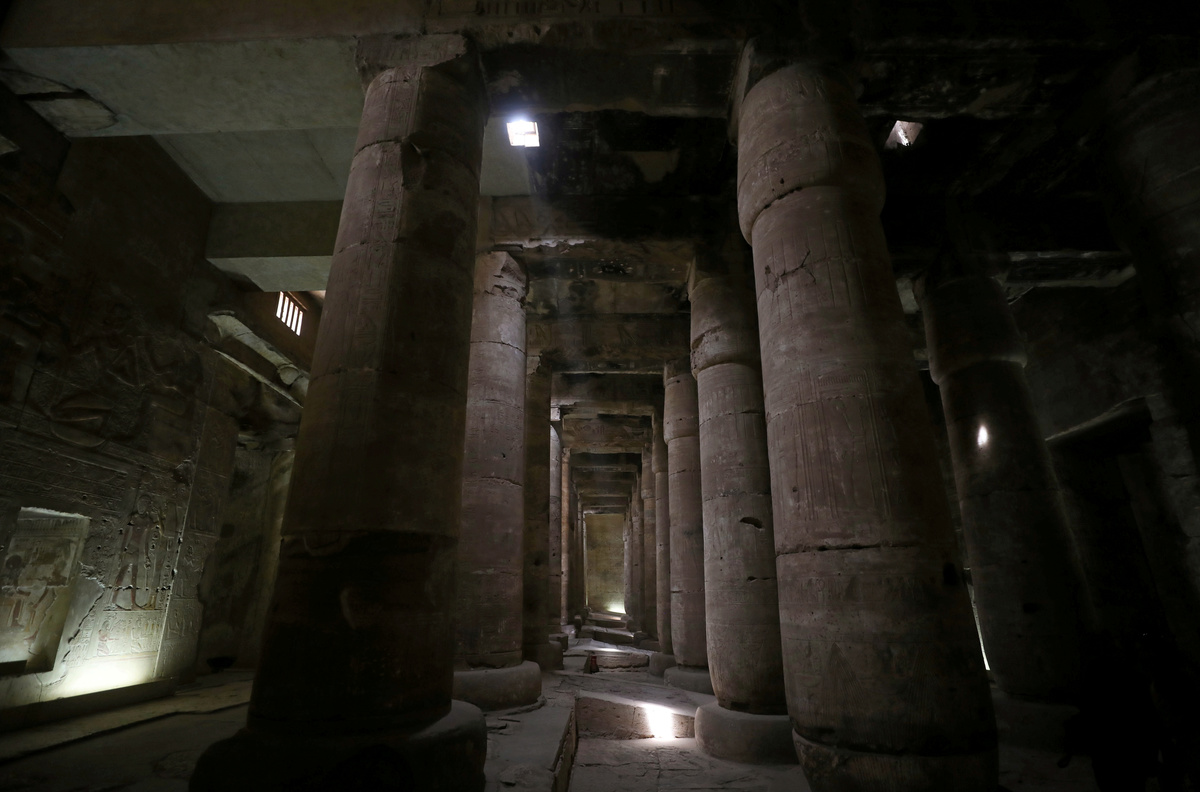
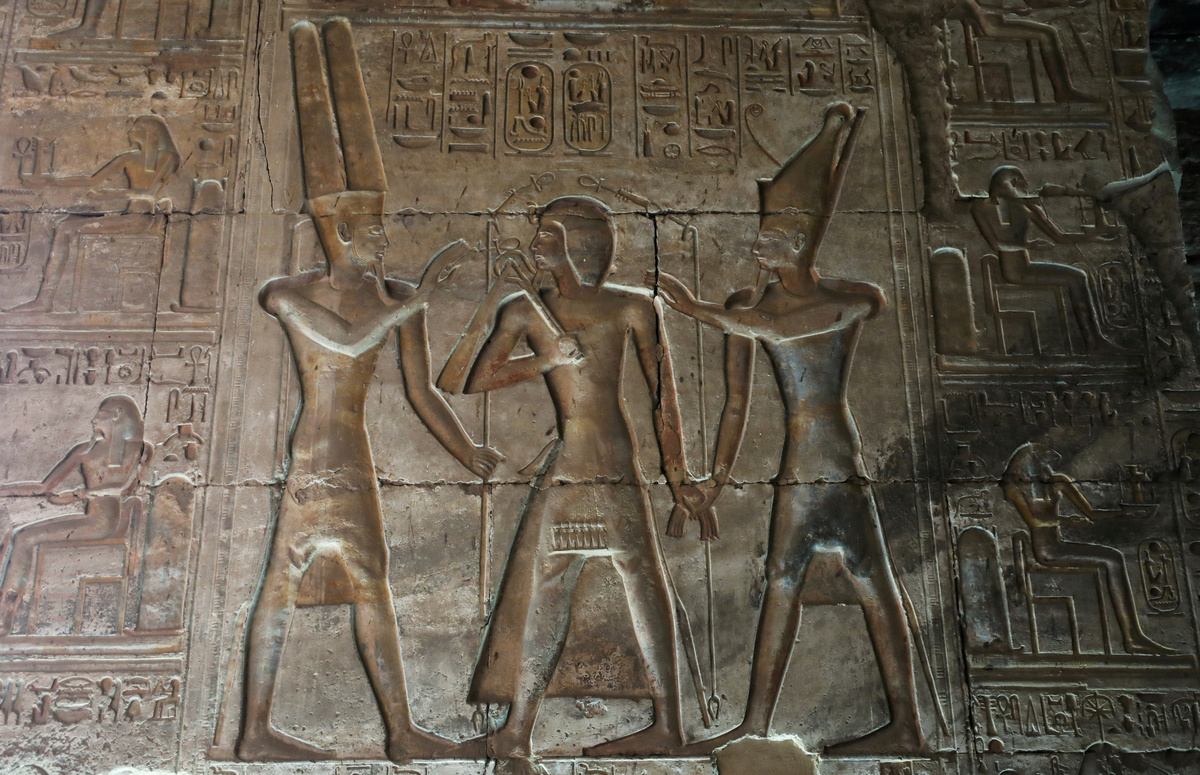
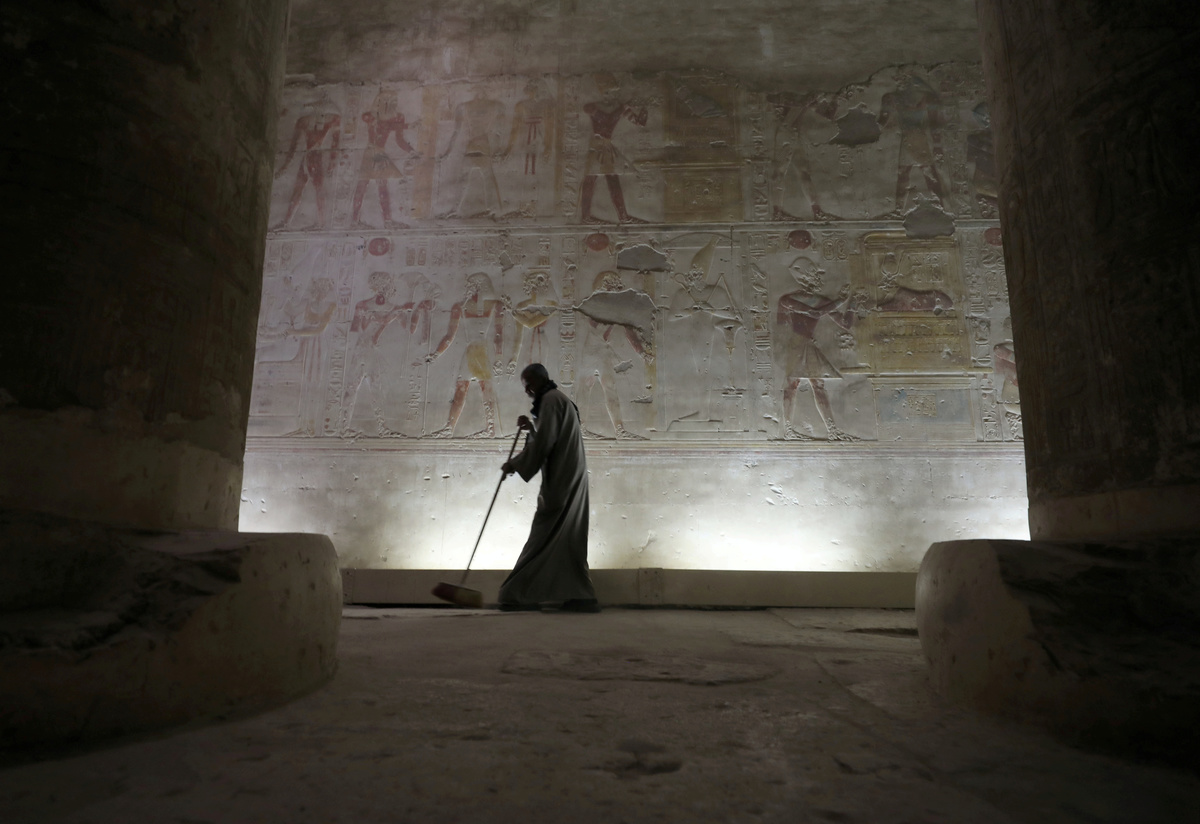
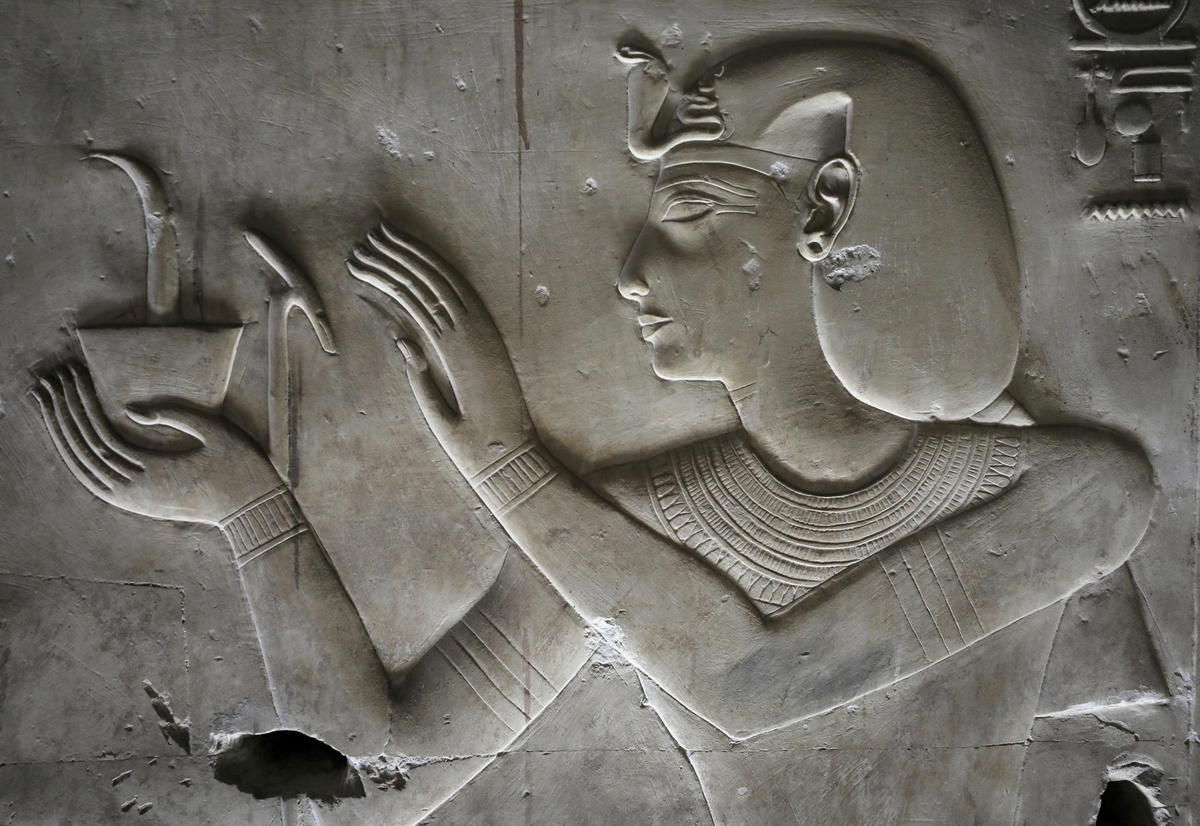
Tourists walk through the Temple of Seti I, Abydos archeological site, Sohag, Egypt April 5, 2019. REUTERS/Mohamed Abd El Ghany
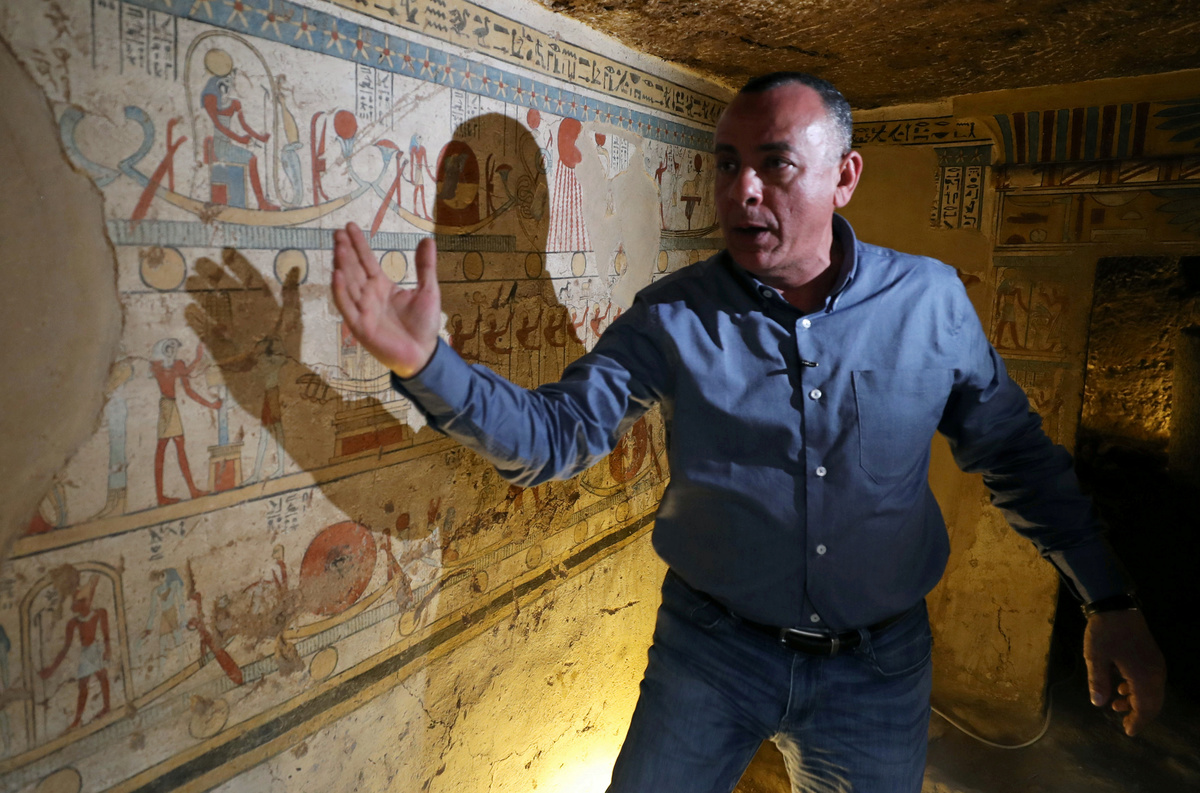
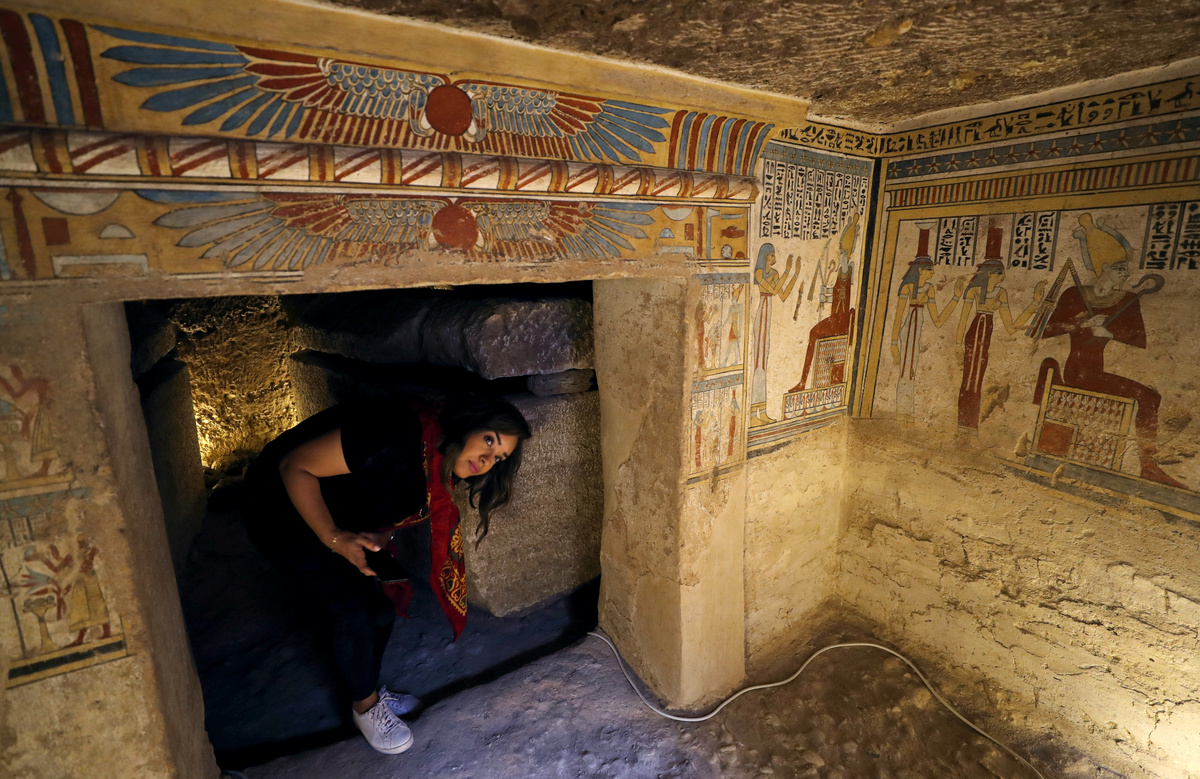
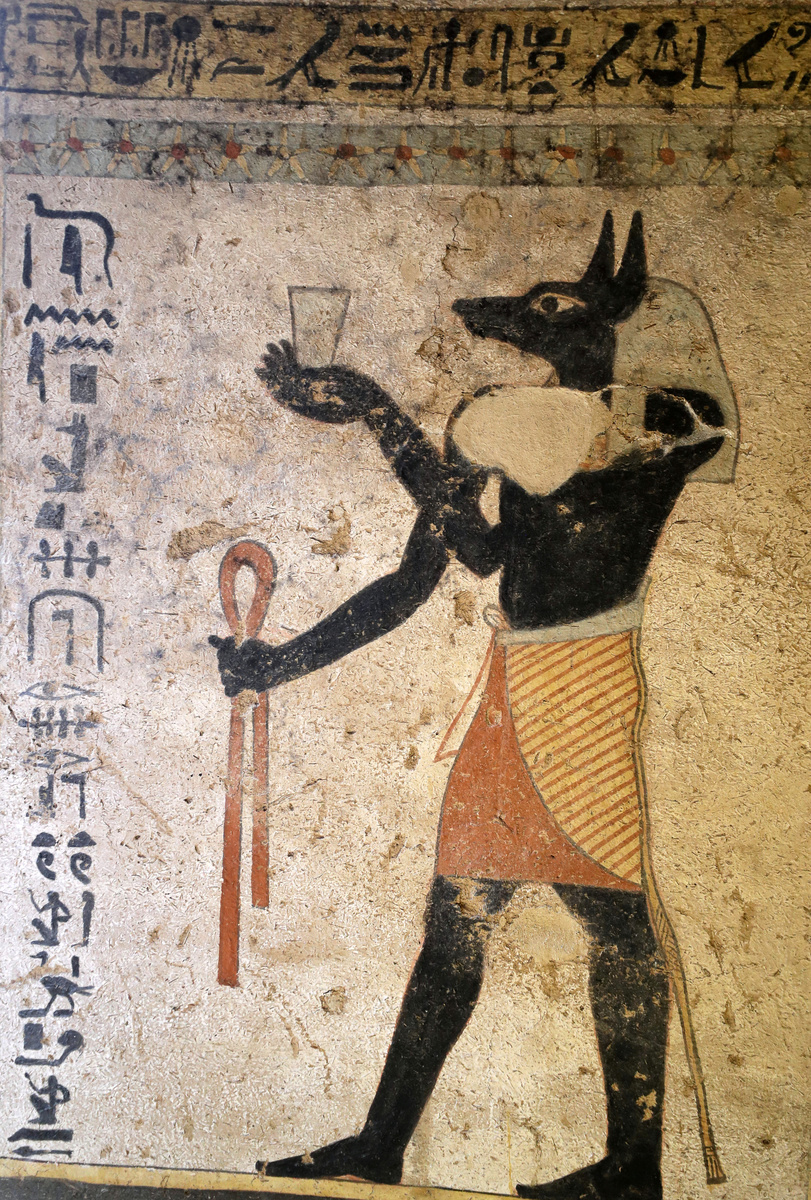
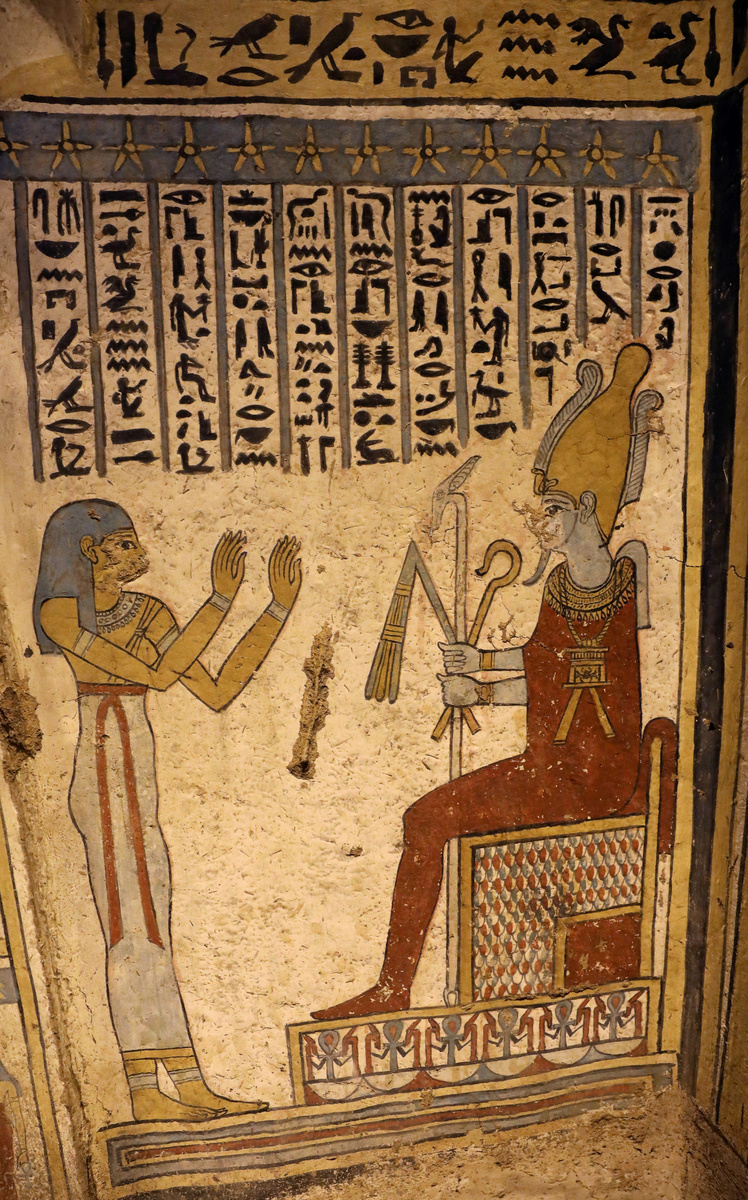
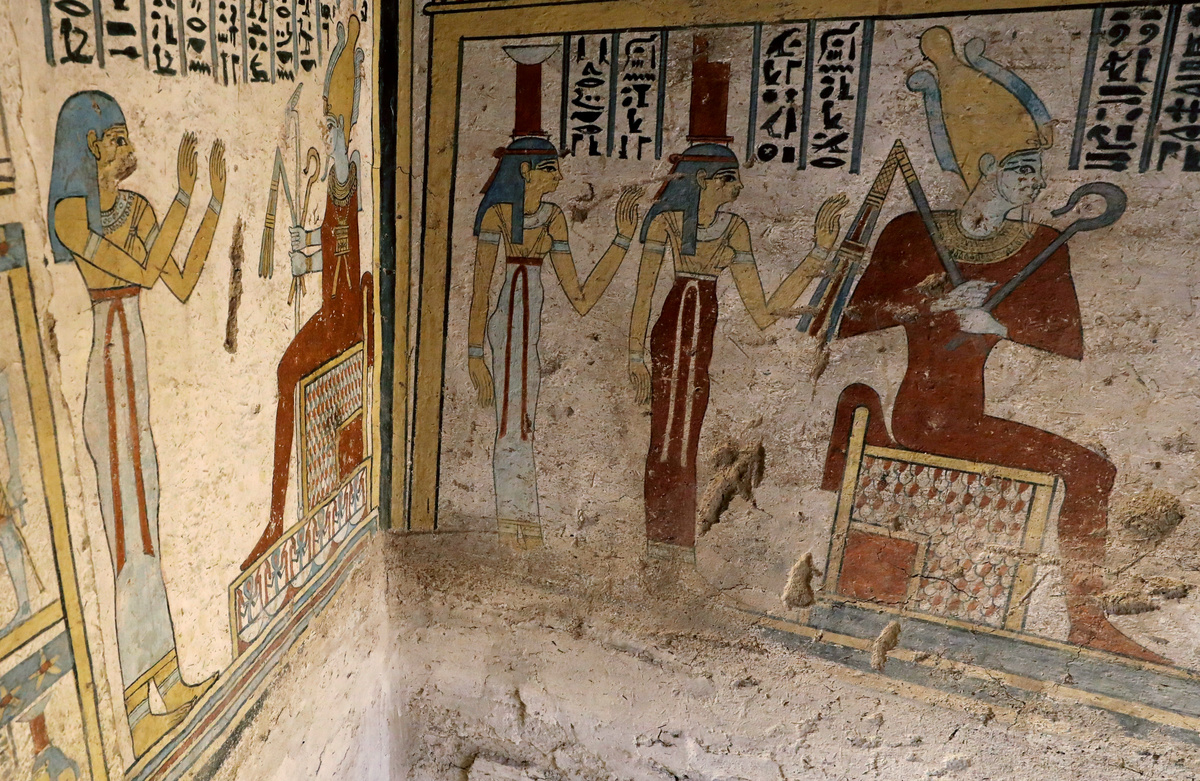
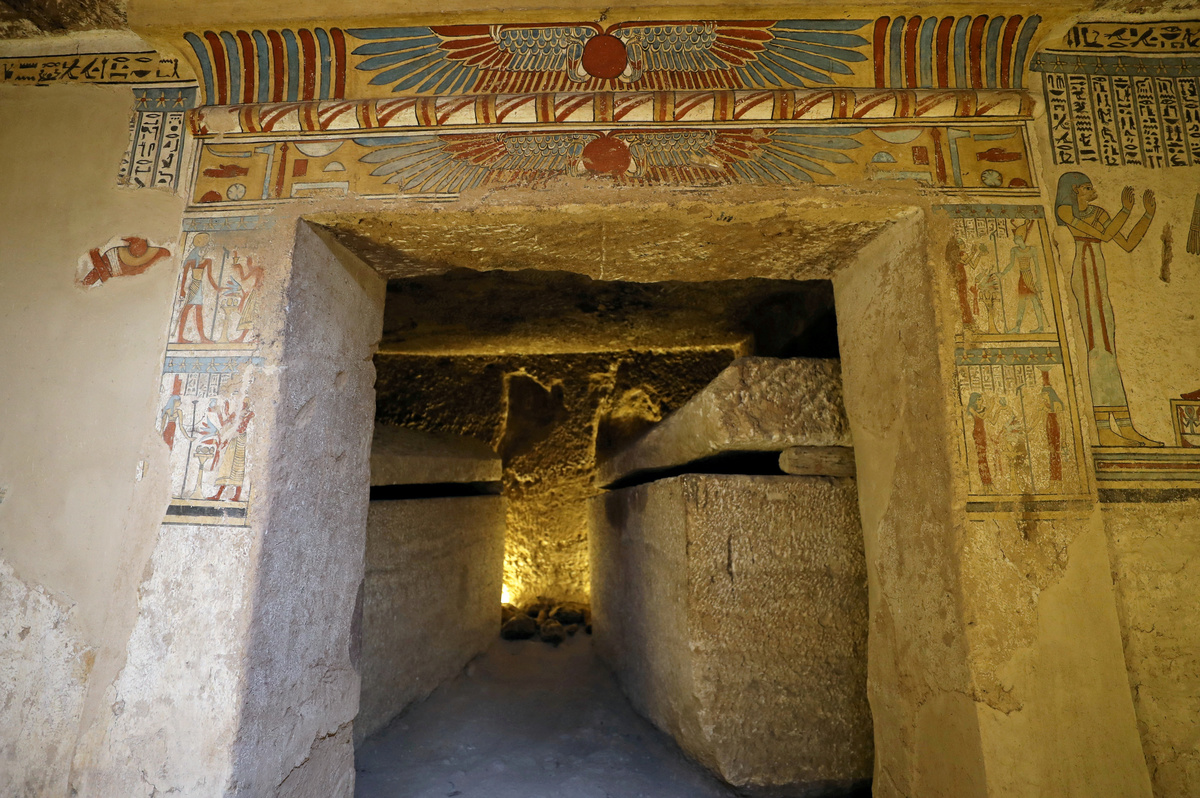
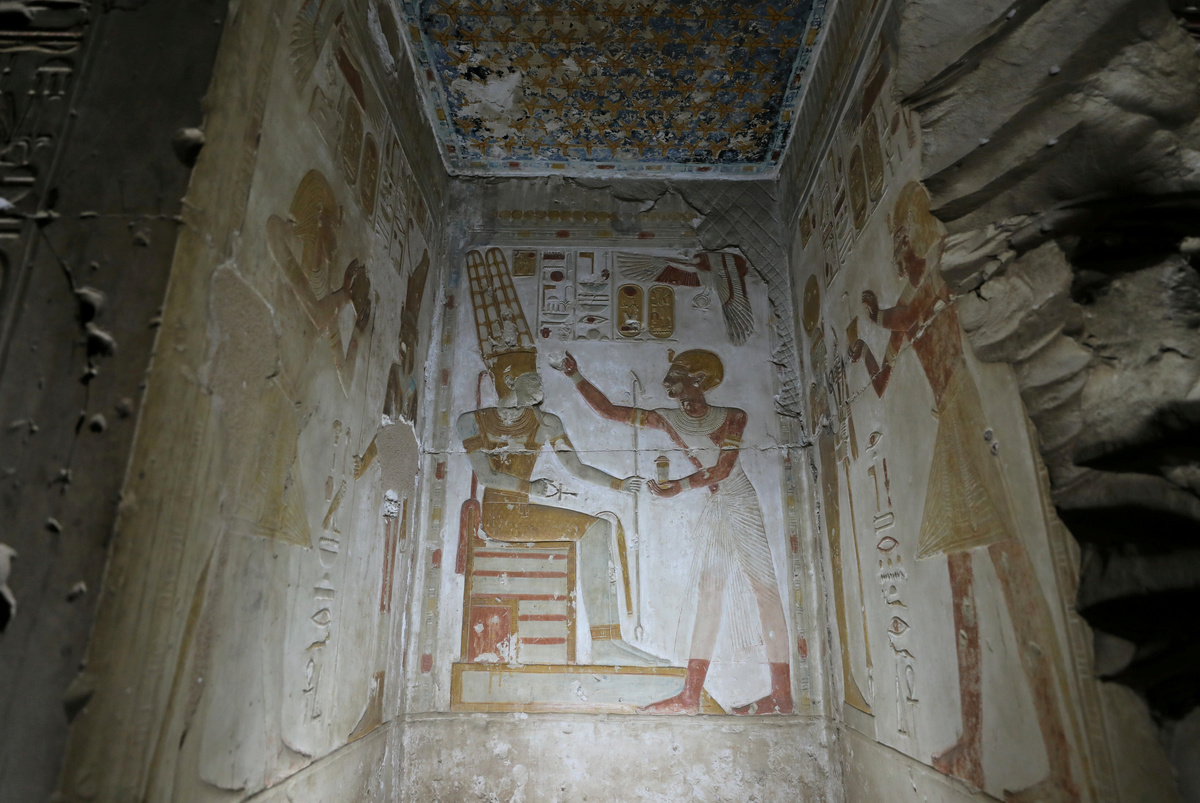
Its painted walls depict funeral processions and images of the owner working in the fields, as well as his family genealogy written in hieroglyphics.
Mostafa Waziri, secretary-general of Egypt's Supreme Council of Antiquities, described the burial chamber as a "beautiful, colorful tomb".
"The tomb is made up of a central lobby, and a burial room with two stone coffins. The lobby is divided in two", he said.
Secretary-General of the Supreme Council of Antiquities, Mostafa Waziri, explaining paintings on the walls of the newly discovered burial site, Tomb of Tutu, at al-Dayabat, Sohag, Egypt April 5, 2019. REUTERS/Mohamed Abd El Ghany
"It shows images of the owner of the burial room, Tutu, giving and receiving gifts before different gods and goddesses".
"We see the same thing for his wife, Ta-Shirit-Iziz, with the difference that (we see) verses from a book, the book of the afterlife", he added.
Two mummies, a woman aged between 35-50 and a boy aged 12-14, were on display outside the shallow burial chamber, in a desert area near the Nile about 390 km (242 miles) south of Cairo.
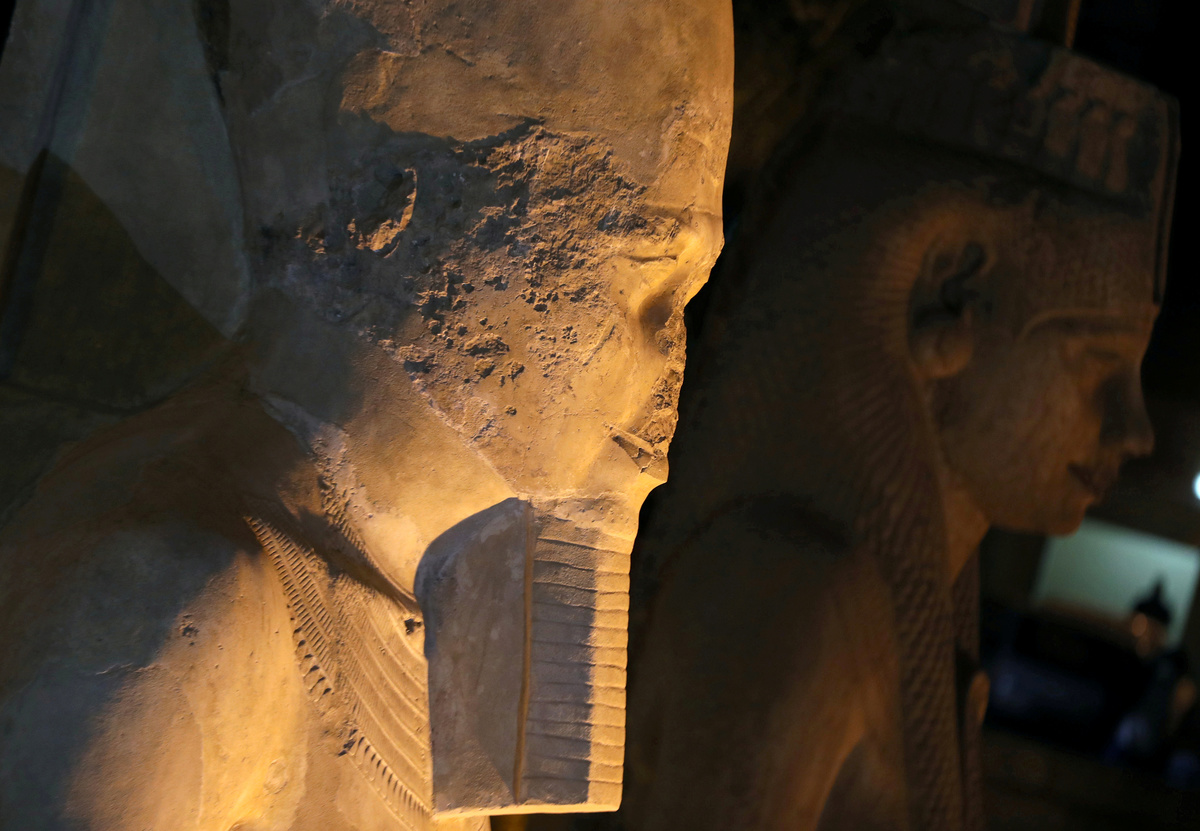
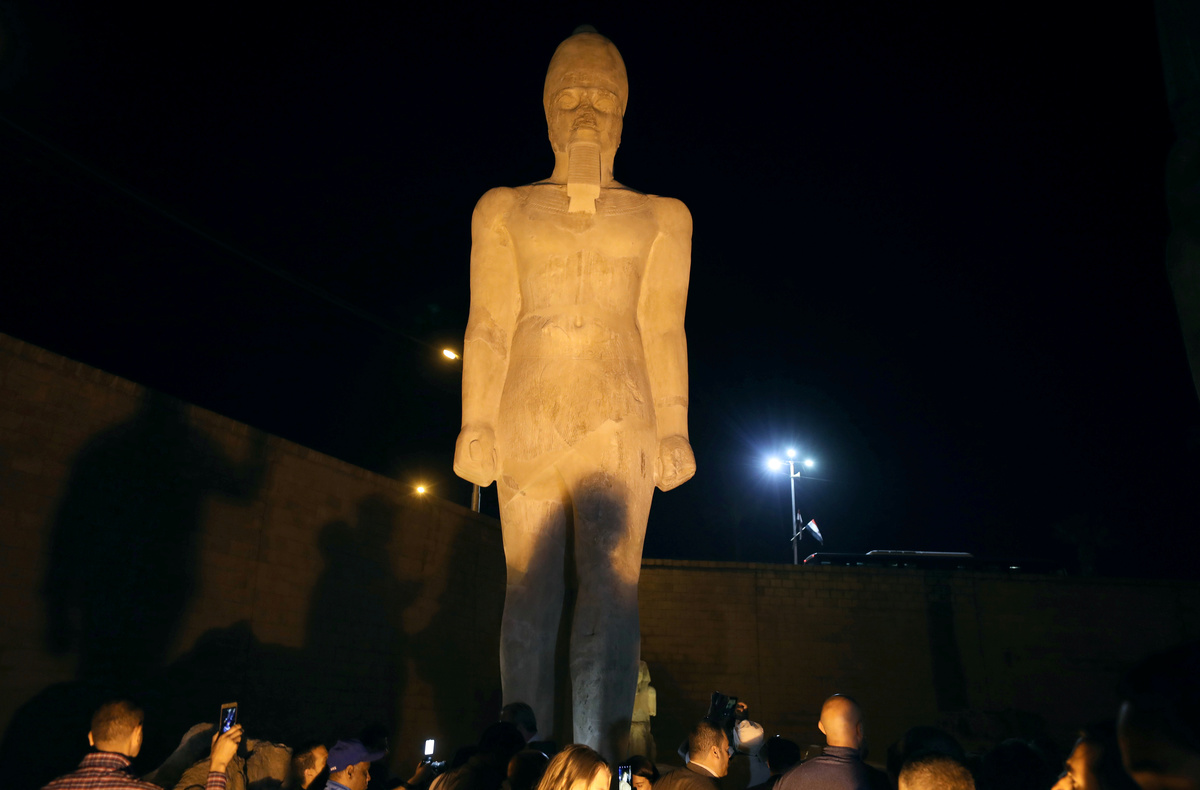
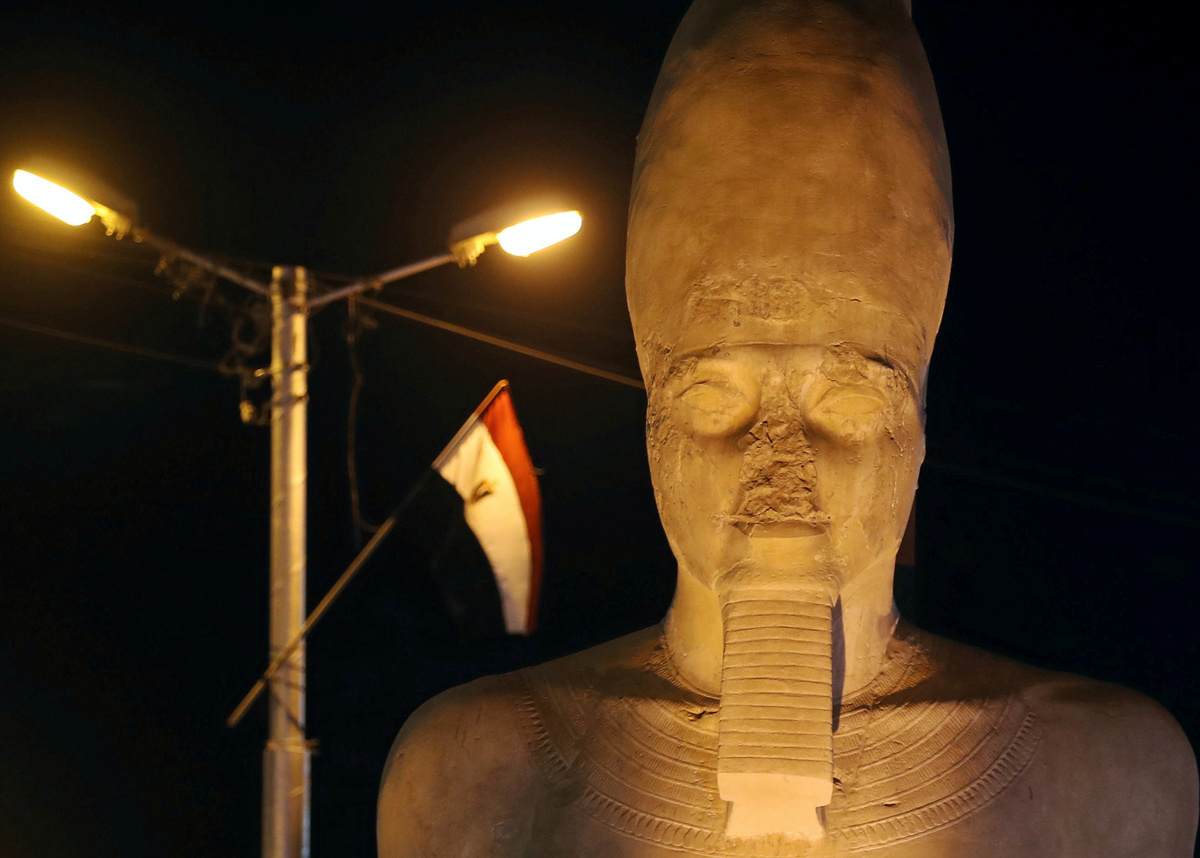
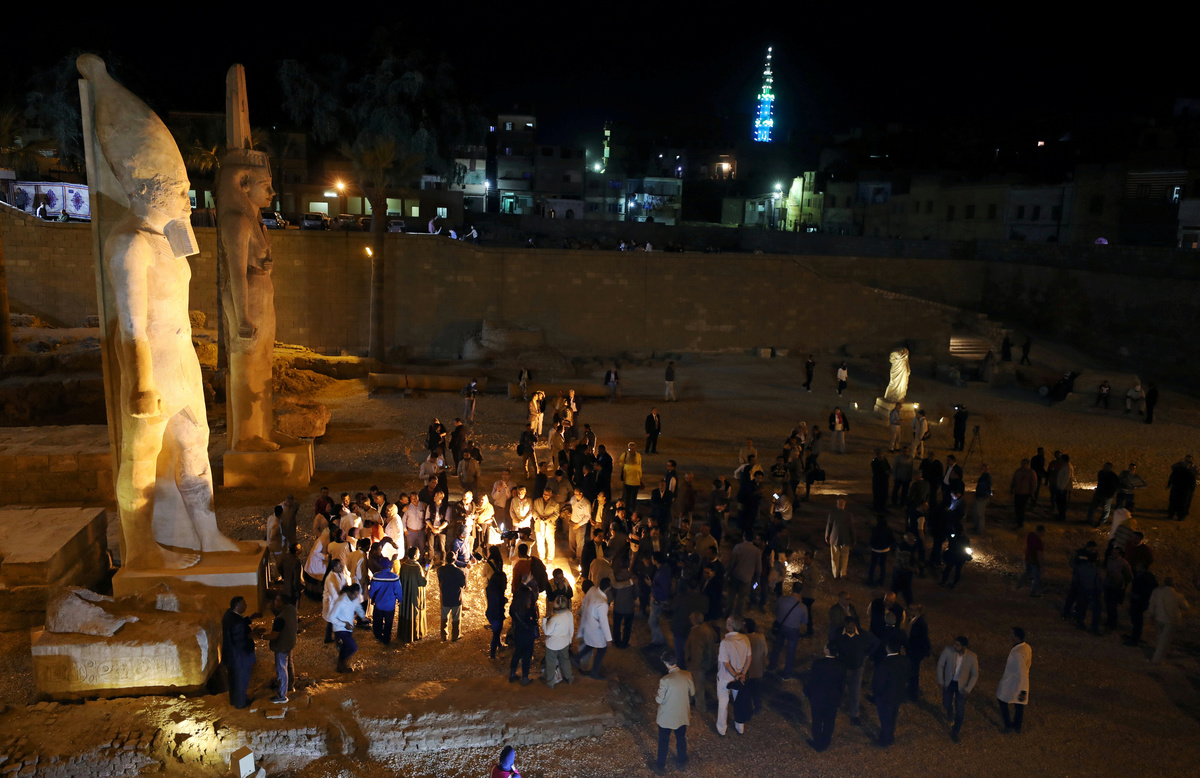
Newly renovated statue of Ramses II (L), from 70 broken pieces to a full colossus, Sohag, Egypt April 5, 2019. REUTERS/Mohamed Abd El Ghany
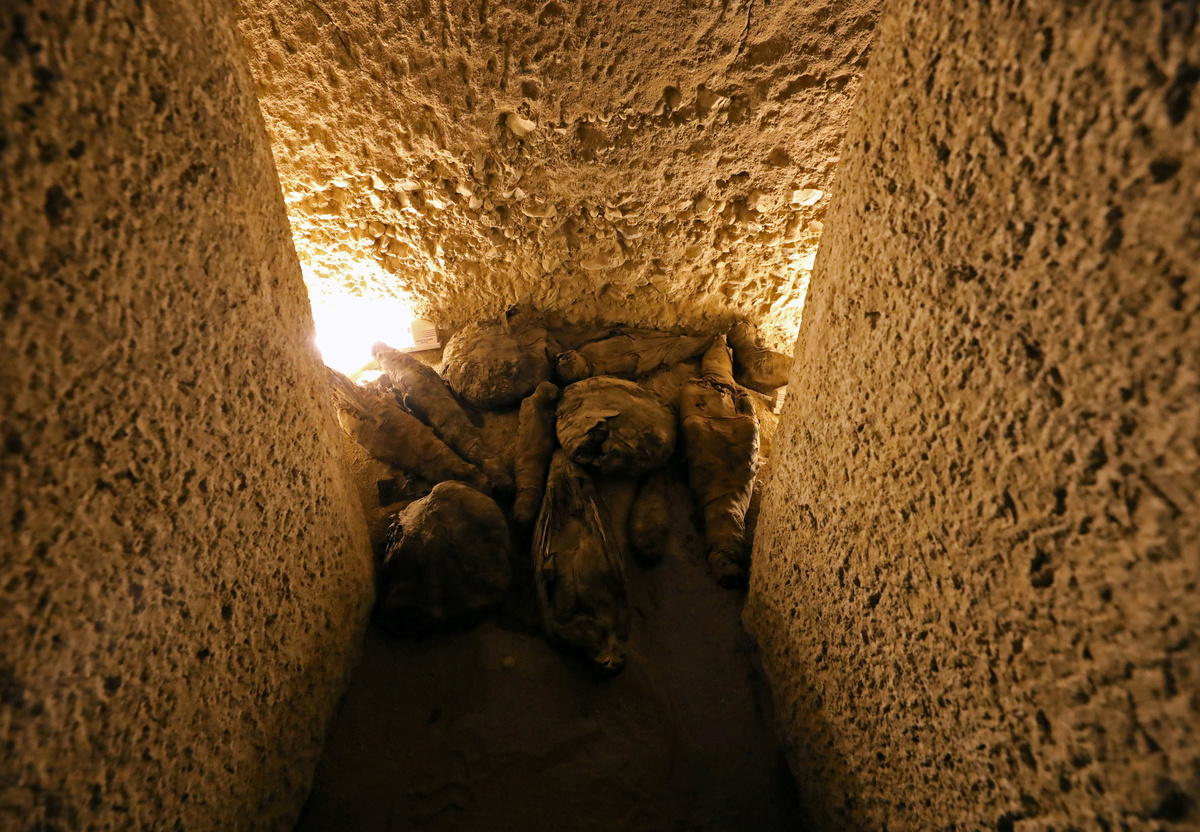
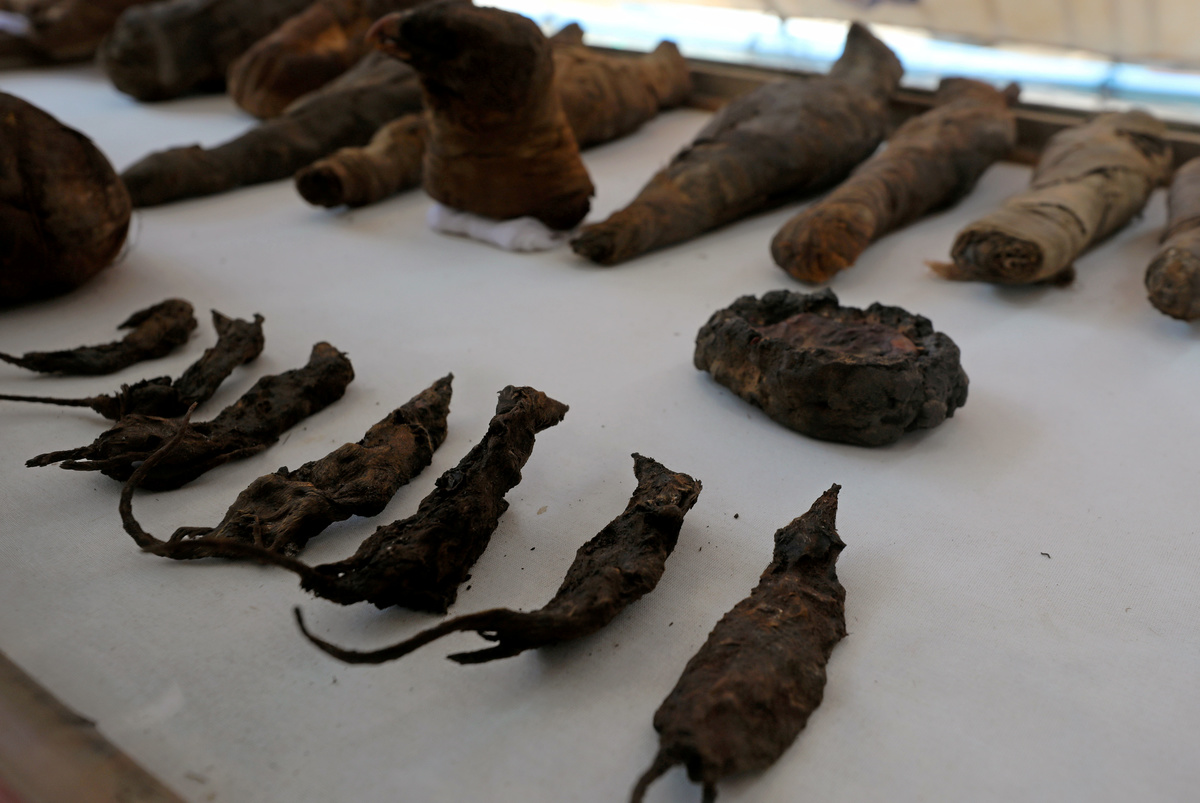
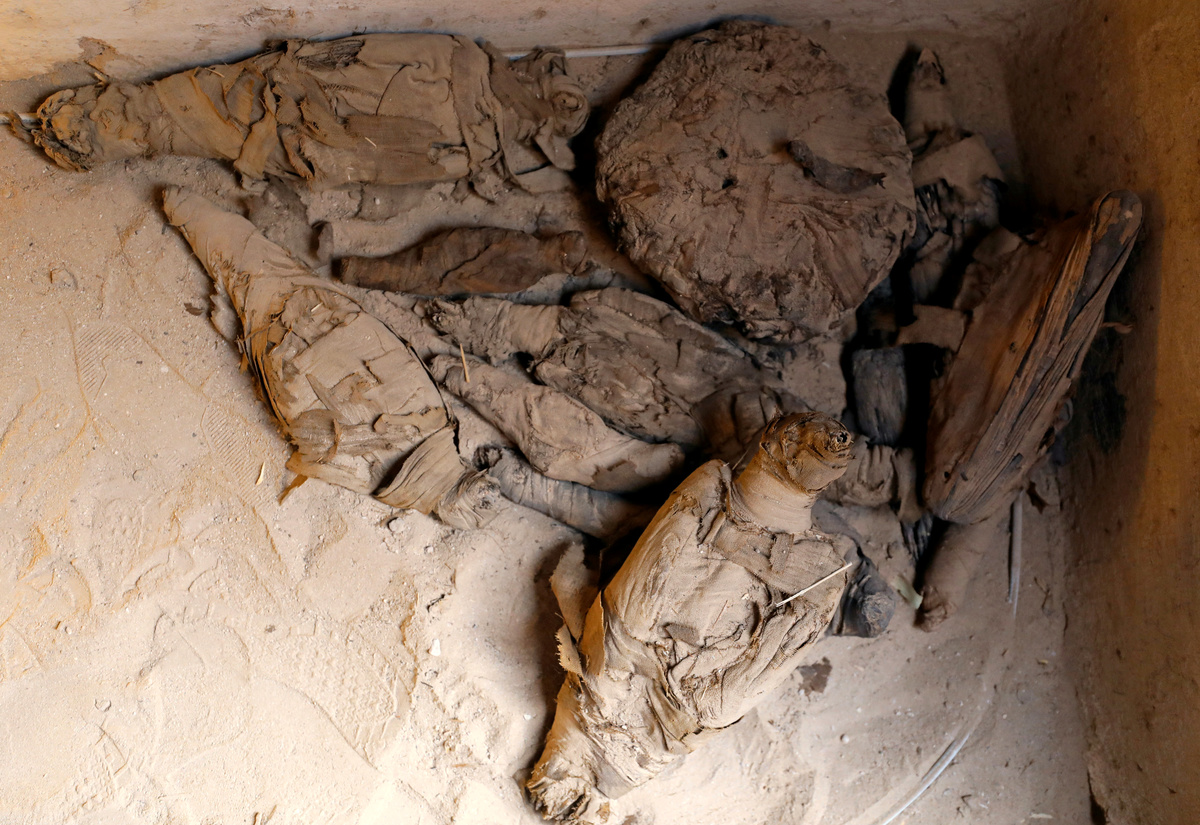
Around 50 mummified animals, including mice and falcons, were also recovered from the tomb.
Ptolemaic rule spanned about three centuries until the Roman conquest in 30 B.C.
Egypt's ancient sites are a draw for tourists and authorities hope new finds can help boost the sector, which has been recovering after foreigners were scared off by the North African country's 2011 popular uprising and the turmoil and insecurity that followed.
Mummified falcons and other bird species are found inside the newly discovered burial site, Tomb of Tutu, at al-Dayabat, Sohag, Egypt April 5, 2019. REUTERS/Mohamed Abd El Ghany
(Writing by Aidan Lewis, editing by G Crosse)
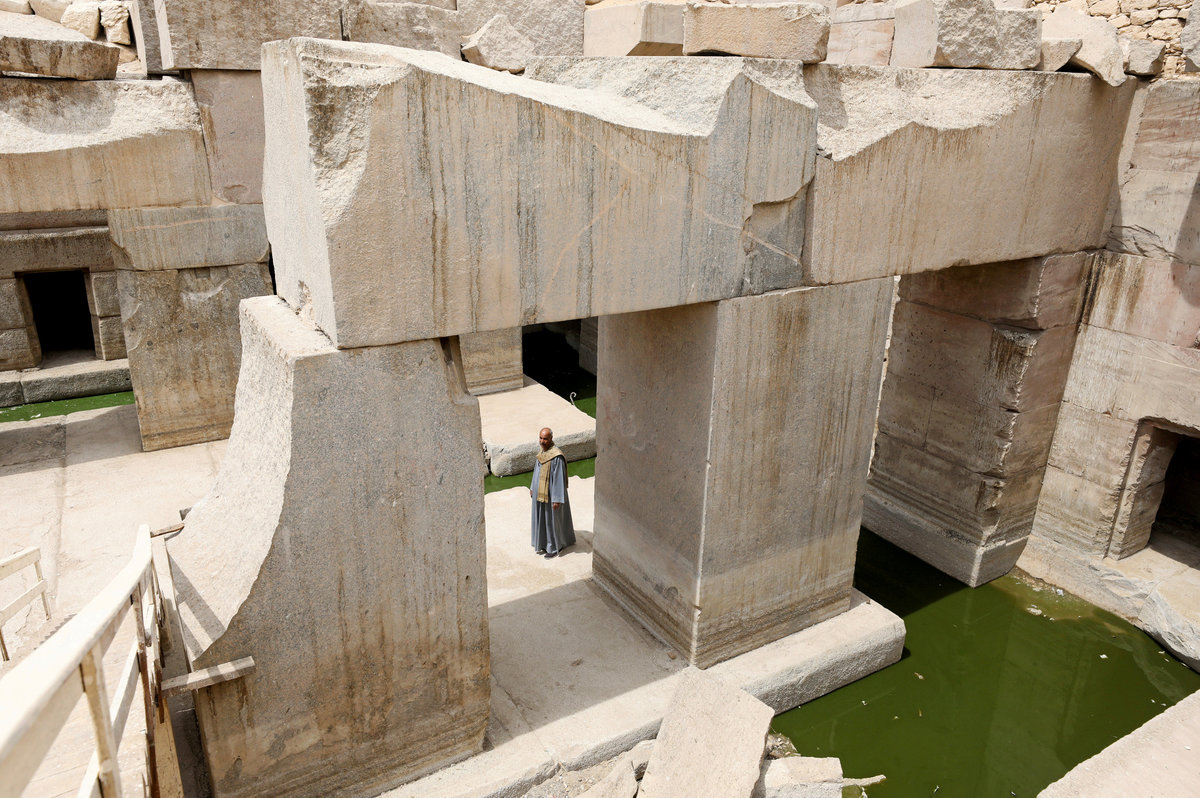
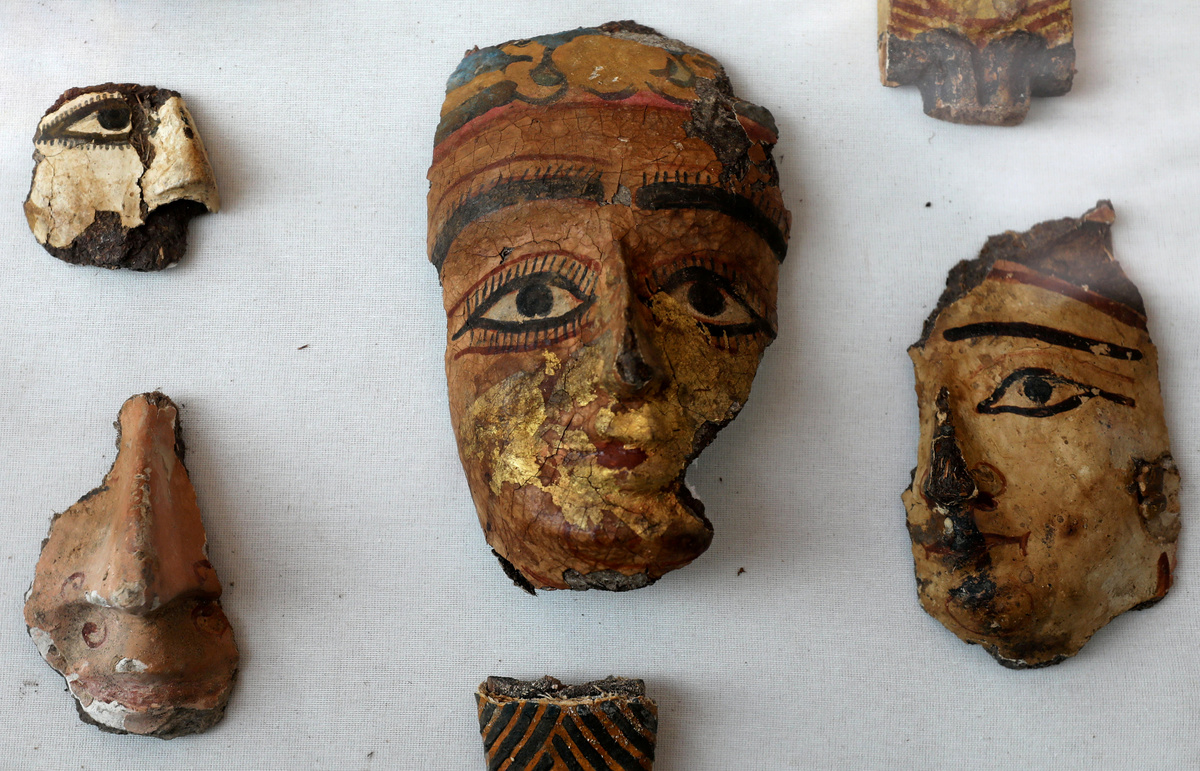
Two mummies, of a woman and child, are on display at the newly discovered burial site, the Tomb of Tutu, at al-Dayabat, Sohag, Egypt April 5, 2019. REUTERS/Mohamed Abd El GhanyA crowd of tourists walk through the Temple of Seti I, Abydos archeological site, Sohag, Egypt April 5, 2019. REUTERS/Mohamed Abd El GhanyTourist is being surrounded by paintings inside the newly discovered burial site, Tomb of Tutu, at al-Dayabat, Sohag, Egypt April 5, 2019. REUTERS/Mohamed Abd El GhanyA worker stands beside the pond at new groundwater lowering project, behind Temple of Seti I, Abydos archeological site, Sohag, Egypt April 5, 2019. REUTERS/Mohamed Abd El Ghany TPX IMAGES OF THE DAYA tourist walks through the giant columns at Temple of Seti I, Abydos archeological site, Sohag, Egypt April 5, 2019. REUTERS/Mohamed Abd El GhanyMummified mice and falcons on display at the newly discovered burial site, the Tomb of Tutu, at al-Dayabat, Sohag, Egypt April 5, 2019. REUTERS/Mohamed Abd El GhanyAncient decorative faces on display at the newly discovered burial site, the Tomb of Tutu, at al-Dayabat, Sohag, Egypt April 5, 2019. REUTERS/Mohamed Abd El GhanyA view shows columns reaching the engraved ceiling at Mortuary Temple of Seti I, Abydos archeological site, Sohag, Egypt April 5, 2019. REUTERS/Mohamed Abd El GhanyPreserved paintings inside the newly discovered burial site, Tomb of Tutu, at al-Dayabat, Sohag, Egypt April 5, 2019. REUTERS/Mohamed Abd El GhanyPreserved wall paintings inside the newly discovered burial site, Tomb of Tutu, at al-Dayabat, Sohag, Egypt April 5, 2019. REUTERS/Mohamed Abd El GhanyPreserved wall paintings inside the newly discovered burial site, Tomb of Tutu, at al-Dayabat, Sohag, Egypt April 5, 2019. REUTERS/Mohamed Abd El GhanyNewly renovated statue of Ramses II, from 70 broken pieces to a full colossus, Sohag, Egypt April 5, 2019. REUTERS/Mohamed Abd El GhanyEgyptian relief sculptures are seen on the walls of Temple of Seti I, Abydos archeological site, Sohag, Egypt April 5, 2019. REUTERS/Mohamed Abd El GhanyNewly renovated statue of Ramses II, from 70 broken pieces to a full colossus, Sohag, Egypt April 5, 2019. REUTERS/Mohamed Abd El GhanyA worker sweeps the floow of Temple of Seti I, Abydos archeological site, Sohag, Egypt April 5, 2019. REUTERS/Mohamed Abd El GhanyGeneral view of tourists surrounding the newly renovated statue of Ramses II, from 70 broken pieces to a full colossus, Sohag, Egypt April 5, 2019. REUTERS/Mohamed Abd El GhanyPreserved paintings are seen inside the newly discovered burial site, Tomb of Tutu, at al-Dayabat, Sohag, Egypt April 5, 2019. REUTERS/Mohamed Abd El GhanyEgyptian relief sculpture is seen on the walls of Temple of Seti I, Abydos archeological site, Sohag, Egypt April 5, 2019. REUTERS/Mohamed Abd El GhanyEgyptian relief sculptures are seen on the walls of Temple of Seti I, Abydos archeological site, Sohag, Egypt April 5, 2019. REUTERS/Mohamed Abd El GhanyMummified falcons and other bird species are found inside the newly discovered burial site, Tomb of Tutu, at al-Dayabat, Sohag, Egypt April 5, 2019. REUTERS/Mohamed Abd El Ghany
Sign up to read this article
Read news from 100’s of titles, curated specifically for you.