Many of us have used social media at some stage in our lives, but when it comes to getting the most out of it for your business, the stakes are higher than usual. How do you make sure you speak to potential customers online in the most effective way?
“A lot of companies think that when they go online, they have to act differently,” says Warren Knight, a social media expert and author of How to use social media to grow your SME. “Yet it’s so important that the message and tone of voice are congruent from the ground up. If you have a personality, that’s the reason your customers like you and return to you, so take that brand message online.”
Knight led several multi-million pound startups before becoming a trainer and coach, a role in which he has helped thousands of SMEs to grow their businesses through social media.
He argues that not only should your tone chime with the voice you adopt through all of your communications, but that social media should be fully integrated into your overall marketing plan. “I focus on the 90-day plan. So in the next 90 days, what is the company’s message both online and offline?”
“As part of this,” he adds, “you should have a social media policy that outlines what you can and can’t do, and that should cover everything from your brand’s style guide to the terminology you are using to express yourself online.”
As for who should be in charge of your social media output, Knight says he generally recommends that smaller organisations maintain consistency by having one person taking lead responsibility. If any questions are received that relate to technical or sales issues, relevant staff can be brought in to deal with them.
The social media lead needn’t necessarily be experienced; Warren says there are great marketing graduates emerging every year who won’t need too much training. However, he adds that alongside the company-branded social media accounts, the CEO or owner should have their own presence online and play a key role in engaging with customers and suppliers.
Social media, not broadcast media
So what type of content should you be pushing out? Jon Bernstein is an award-winning digital media consultant who previously held roles at Channel 4 and the New Statesman, and he advises small businesses to remember that platforms such as Facebook or Twitter are social media, not broadcast media. This means not just pushing out “ill-disguised adverts for products and services”, but sharing content that you know your customers will be interested in.
“If your small business is in the DIY arena, then share interesting stuff around DIY – hints and tips, useful info that doesn’t necessary originate from you. The principle here is that it’s not just a one-to-many conversation, or a one-to-one, it’s many-to-many, it’s sharing other people’s stuff.”
When considering what social media platforms you should use, Bernstein emphasises the need to consider who your audience are. If your customers are individual consumers, then you are “B2C”, which means you might want to begin by using the likes of Facebook and Twitter. If your customers are businesses, then you are a “B2B” organisation, which means LinkedIn is the main place to start – “you can create company pages and create conversations, not least through the long-form posts, which are the start of blogging”.
However, he adds that it is important to experiment and see what works for you. One B2B business that is having success on Facebook is the container shipping company Maersk, which has amassed an impressive 2.3m followers.
“They discovered an archive of the most fantastic images going back 100 years or more. They started to share them on Facebook and got a massive following as a result. They’re a B2B company, but the people in those businesses are people themselves, so it is still effective.”
A natural fit
One business that has very much found its tone of voice is the online printing company MOO. Its social media manager Mike Stone says the company is lucky in that its existing voice was a natural fit for social media as it was already speaking “in a manner that sounds like a real person”.
When asked what other brands are performing well on social media, Stone praises the drinks manufacturer Innocent and the gambling company Paddy Power for developing their own unique voice. “Innocent have a formula; they will always tweet about the weather, or post ‘dad jokes’. But it doesn’t feel like you’re being marketed to – it’s like a sketch show, it’s quite funny.”
“Paddy Power,” he continues, “are really different to any other brand as they’ve really nailed how to speak to their particular audience. They’ll even swear on social media, which 99% of other brands would never do.”
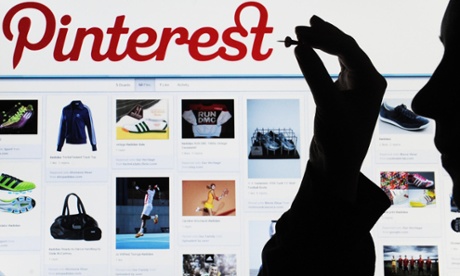
MOO uses Facebook and Twitter, but as a design-oriented brand, it also uses Instagram, YouTube and Vimeo. It has a presence on Pinterest, but is currently reviewing its activity on that network. In terms of content, its posts include product launch announcements, articles from the MOO blog, posts by partner organisations, or simply the work of paper artists that MOO’s followers may like.
Stone emphasises the importance of having a clear vision for how you want to operate on each platform. “We spent a long time reviewing each channel and looking at their particular strengths and weaknesses. What works really well on Instagram might not work so well on Facebook.”
How this vision is implemented is then adjusted by trial and error as Stone and his team spend time using the networks. “We did some testing with different types of posts and different types of content, varying them to see what worked and what didn’t. From that we could gauge the reaction from our fans, focusing on the ones that had the best reach or the best engagement levels.”
This advertisement feature is paid for and produced to a brief agreed with MOO, sponsor of the Guardian Small Business Network’s Branding hub.