In another world, I could have been checking into a hotel.
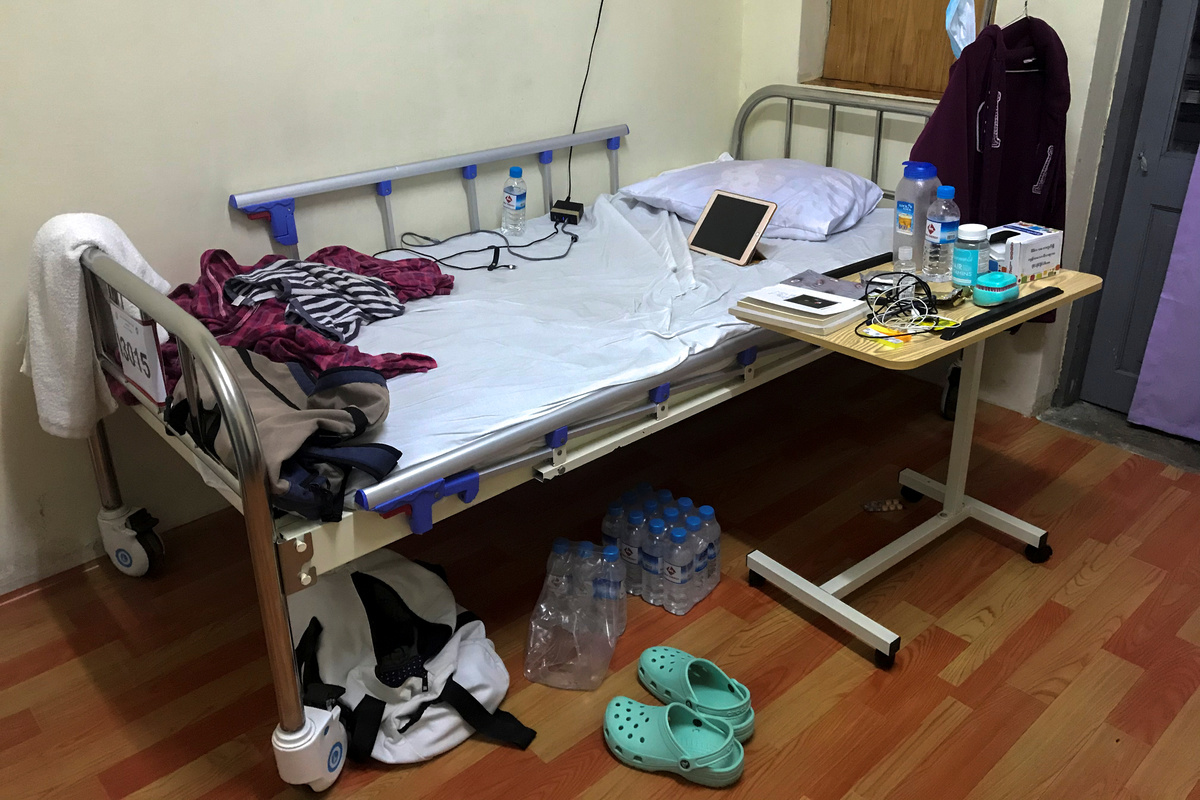
Only instead of staff, two fellow COVID-19 patients welcomed me at the door, with a plastic box filled with toiletries, snacks and masks, and showed me to a small room I would share with another woman.
It was the start of my 11-day stay at a facility for COVID-19 patients in Myanmar, and my recovery from the disease.
In late November, I tested positive for the coronavirus in my home city of Yangon, after two nights of fever and persistent coughing.
Despite being prepared for the worst, I broke into tears when the doctor told me I had tested positive. "You have COVID-19, but don't worry too much," he reassured me.
I would recover quickly due to my youth and lack of underlying conditions, the doctor said, advising me to eat well and get plenty of rest.
After avoiding large numbers of cases at the beginning of the pandemic, Myanmar now faces one of Southeast Asia's worst outbreaks, with more than 118,000 cases and 2,500 deaths. But the country's testing capacity is limited and data is believed to be incomplete.
To prevent the fragile healthcare system from being overwhelmed, the government requires anyone who tests positive, as well as their close contacts, to be quarantined at a centre or hospital, depending on the severity of their symptoms - a policy that has had mixed results.
People like me, with few or no symptoms, need to spend at least 10 days at a centre and then another week self-isolating at home.
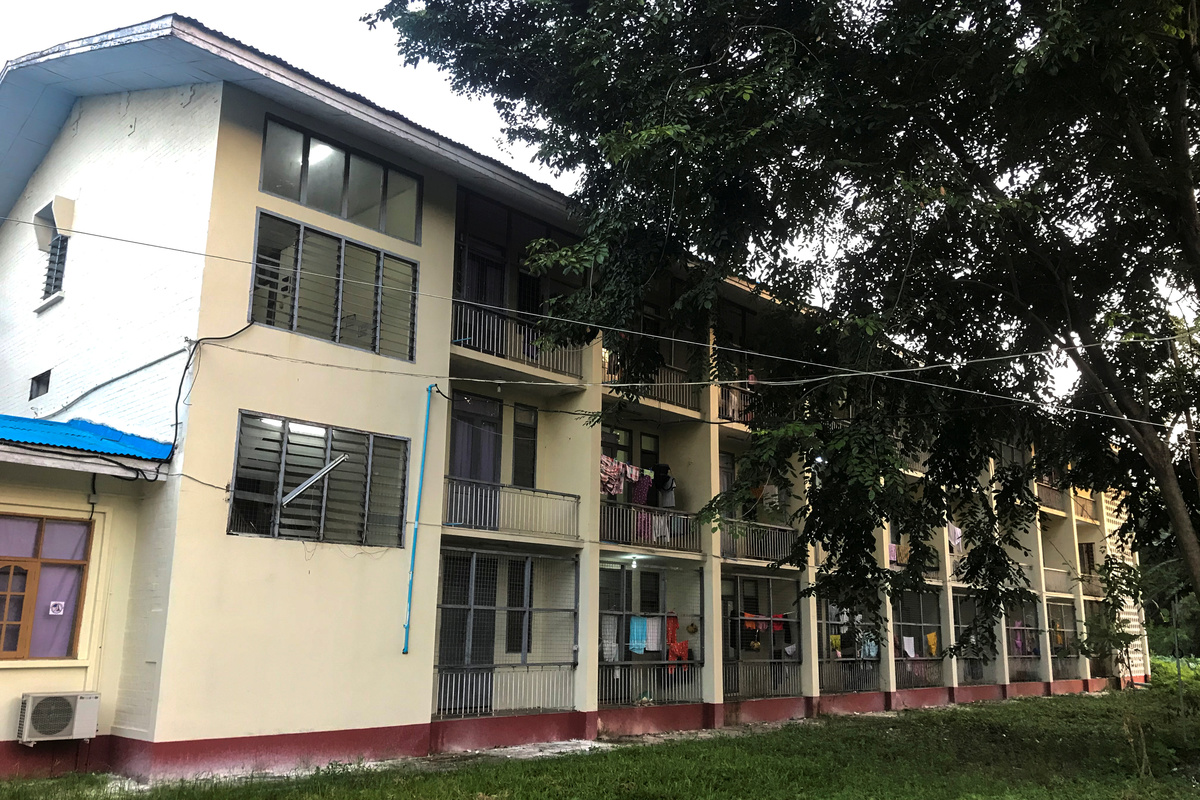
I was assigned to stay at Ayeyarwady Center B in Yangon, formerly a dormitory for football players during months of training, and now a quarantine centre for COVID patients.
The compound was large enough for patients to walk around, unlike most other quarantine centres in Myanmar where the lack of space means patients are confined to their own room or the building.
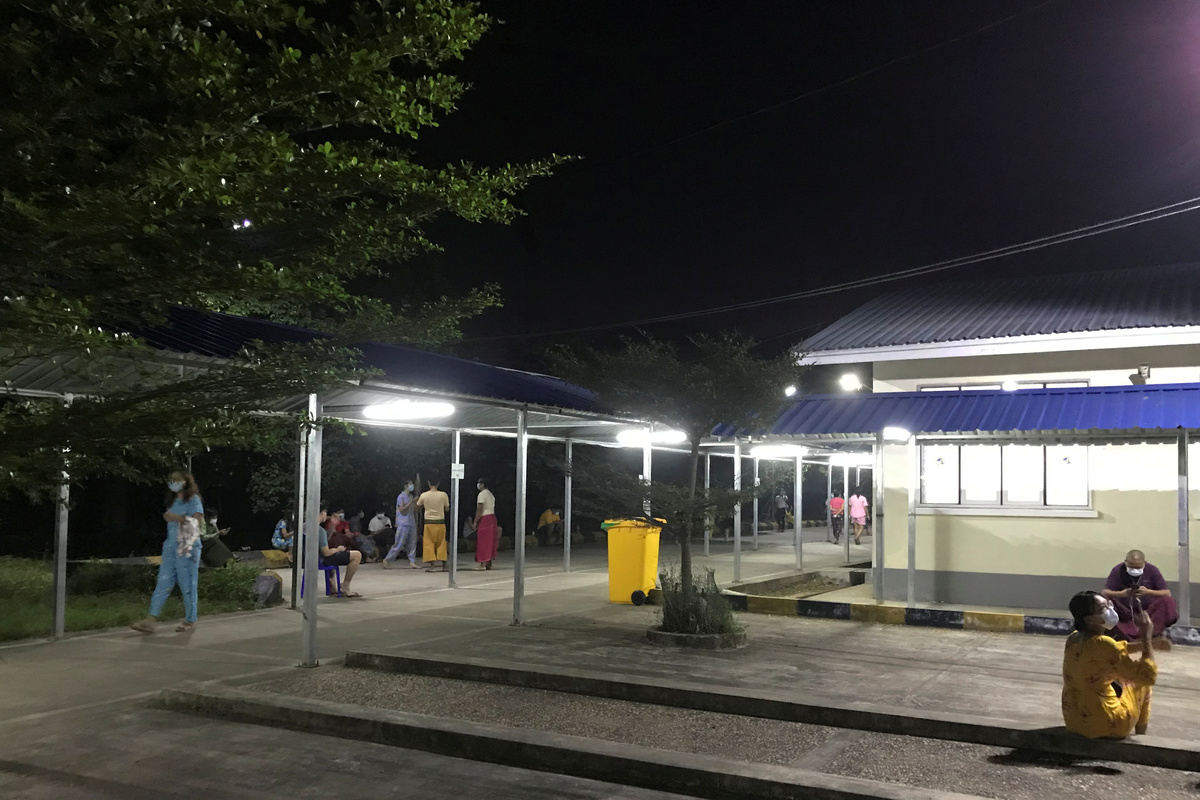
It was evening when I arrived and the compound was lively. As all the residents were COVID-positive, there was no need for social distancing. Men kicked around a football and girls dressed in pyjamas played badminton. Kittens gambolled around the groups and climbed the trees, chased closely by children.
"DO NOT ALLOW TO GO OUTSIDE"
Healthcare workers and other staff monitored our condition from a building next door, observing us on cameras, and sometimes issuing instructions via loudspeakers or announcing the arrival of packages from friends and family.
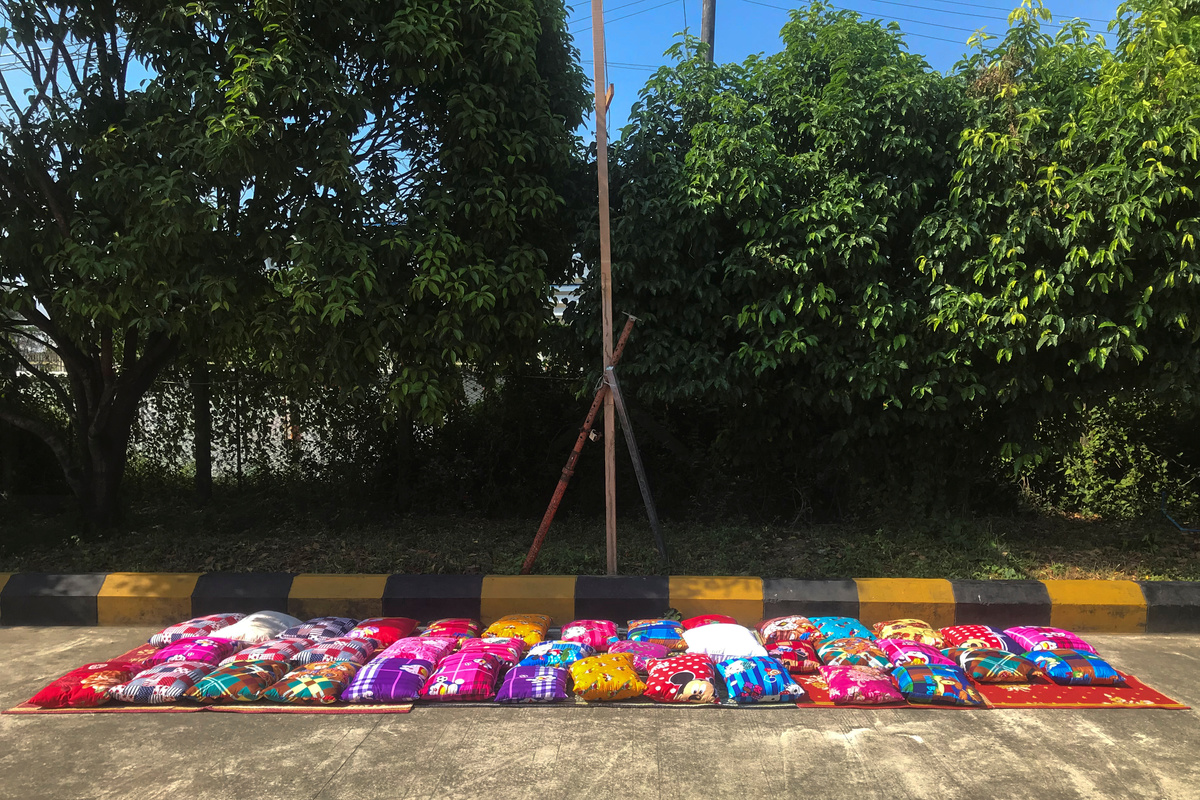
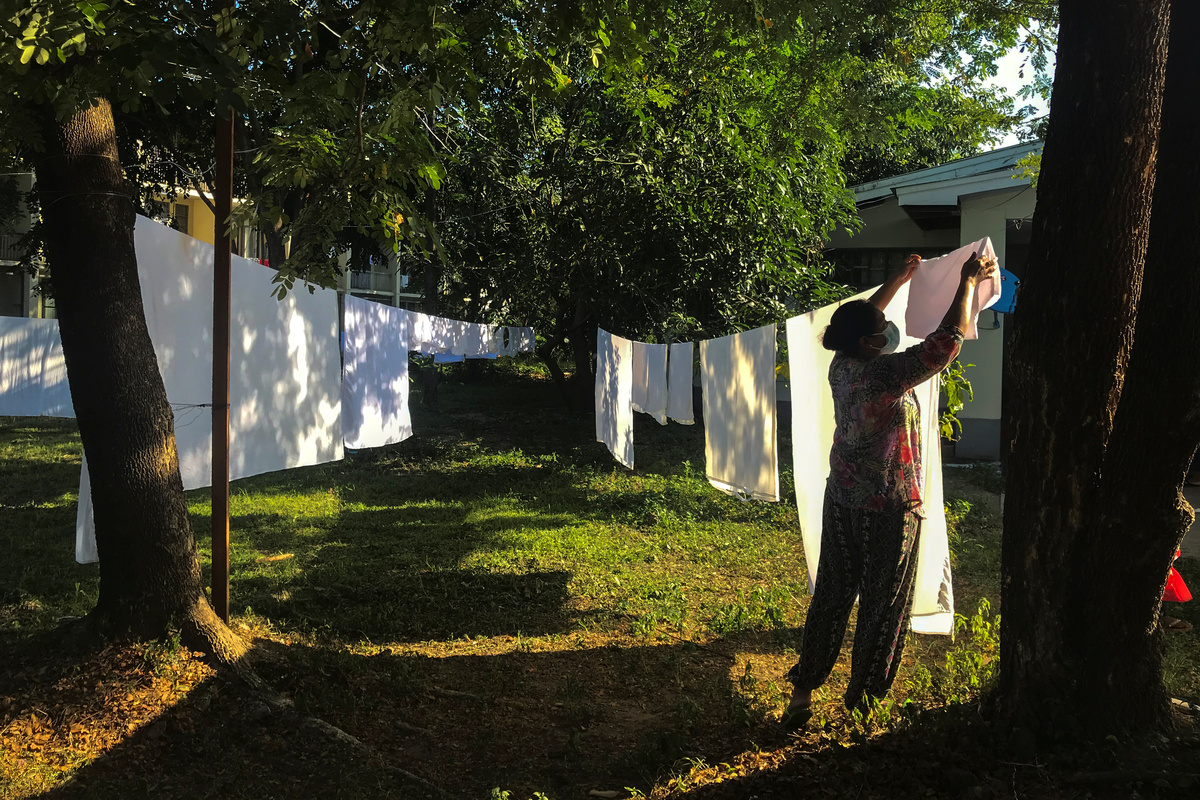
But most of the running of the centre was carried out by asymptomatic patient volunteers, who did the laundry, cleaned common areas and distributed meal boxes to each room, typically rice and curry with some vegetables.
Twice a day, I measured my temperature, blood pressure and oxygen level, and reported the readings to doctors via a messaging app. If the numbers were not good, I would be prescribed medicine and if I took a serious turn for the worse, I would be transferred to an intensive care unit.
Though I was alone, most of the patients at my centre knew each other. They were colleagues, or even whole families who had been infected together. Meeting in the courtyard, people greeted one another with questions: "Can you still smell and taste?", "How many days until you can go home?"
I spent my days reading books and watching movies on my tablet, playing with the children and walking around the compound.
It was the beginning of Myanmar's dry season and the days were sunny, with a cool breeze. At night, I made video calls to friends on my phone.
I was touched by the way everyone at the centre pitched in without being asked, from sweeping the floors to cleaning the bathrooms and washing the trash bins. Staying in a new environment among strangers is hard, especially when you're sick, but the kindness of others was a great comfort to me.
Day by day I recovered, and on the tenth day, the doctor called me to say I would be allowed to go home. The next morning, I walked through the razor-wire fence labelled "DO NOT ALLOW TO GO OUTSIDE" in English.
The outside world lay shimmering before me, wide and full of possibility.
But first, I wanted to sleep in my own bed.
(Reporting by Shoon Naing. Editing by Poppy McPherson and Karishma Singh)