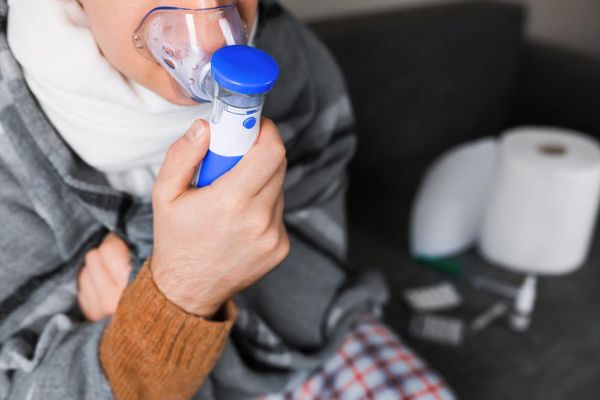
There have been many cases in which the physical condition of elderly people living alone has deteriorated amid the extended self-restraint from going out. The public and private sectors should cooperate in watching over elderly people so that they will not be isolated.
Tending to hole up at home, these elderly people's lack of exercise worsens their chronic illnesses. Stress from not being able to talk to people causes insomnia and loss of appetite. Since the spread of infections with the novel coronavirus started, many elderly people have been suffering from these problems.
During the period of self-restraint from going out, commissioned welfare volunteers and local residents did not visit homes of elderly people and did not organize social events. In some cases, people around them were unable to notice changes in their physical condition, leading to delays in taking appropriate measures.
In Fukushima Prefecture, a man in his 60s was found dead at his home in May. He is believed to have been discovered two months after his death as home visits had been suspended.
There are more than 6.8 million elderly people living alone across the nation. Many of these people do not have family or friends nearby that they can depend on. It is essential to rebuild the function of local communities to watch over people.
It's difficult to come up with enhanced functions if the same measures are applied. Visiting door-to-door to directly meet elderly people is risky because they are more likely to become seriously ill once they become infected with the virus.
Frequent phone calls and letters as well as talking through the intercom at the entrance are methods that should be used to keep in touch with the elderly.
In some areas, elderly people hang small flags at the entrance to inform people of their well-being without meeting anyone. This can be said to serve as a useful example.
When watching over elderly people, it is important to check if they are eating well and sleeping well. It is essential to build a system in which they can promptly contact other people in the event of a sudden change in physical condition.
In the wake of the outbreak of the novel coronavirus, the Health, Labor and Welfare Ministry has requested local governments across the country to strengthen their supervision of elderly people. However, the number of commissioned welfare volunteers, who are the main force watching over elderly people, are aging and the labor shortage is becoming serious.
Many local governments have agreements with electric and gas business operators, home delivery operators and newspaper agencies whose staff regularly visit elderly people's homes. Such cooperation should be further strengthened.
The utilization of information and communications technology is also important. The Fukuoka municipal government has started a joint project with a company to install sensors in elderly people's homes to detect their movements and check if there are any abnormalities.
If elderly people do not move their bodies, their muscles will weaken and they will fall into a state of frailty, a step before needing nursing care. Elderly people themselves, while taking care to prevent infections, should go out for walks and reduce their time sitting at home by doing such things as household chores.
-- The original Japanese article appeared in The Yomiuri Shimbun on June 7, 2020.
Read more from The Japan News at https://japannews.yomiuri.co.jp/