Some people in the world have accomplished incredible feats like solving Rubik's cubes in less than 6 seconds or conquering the highest mountains for a selfie at their peak. While these achievements are impressive, improving intelligence for the common person may not be clearly defined. However, psychologists suggest that practising optical illusions is a great way to exercise the brain and enhance cognitive abilities.
The more you practice optical illusions, the better you become at problem-solving and finding solutions. Here's a puzzle for you:
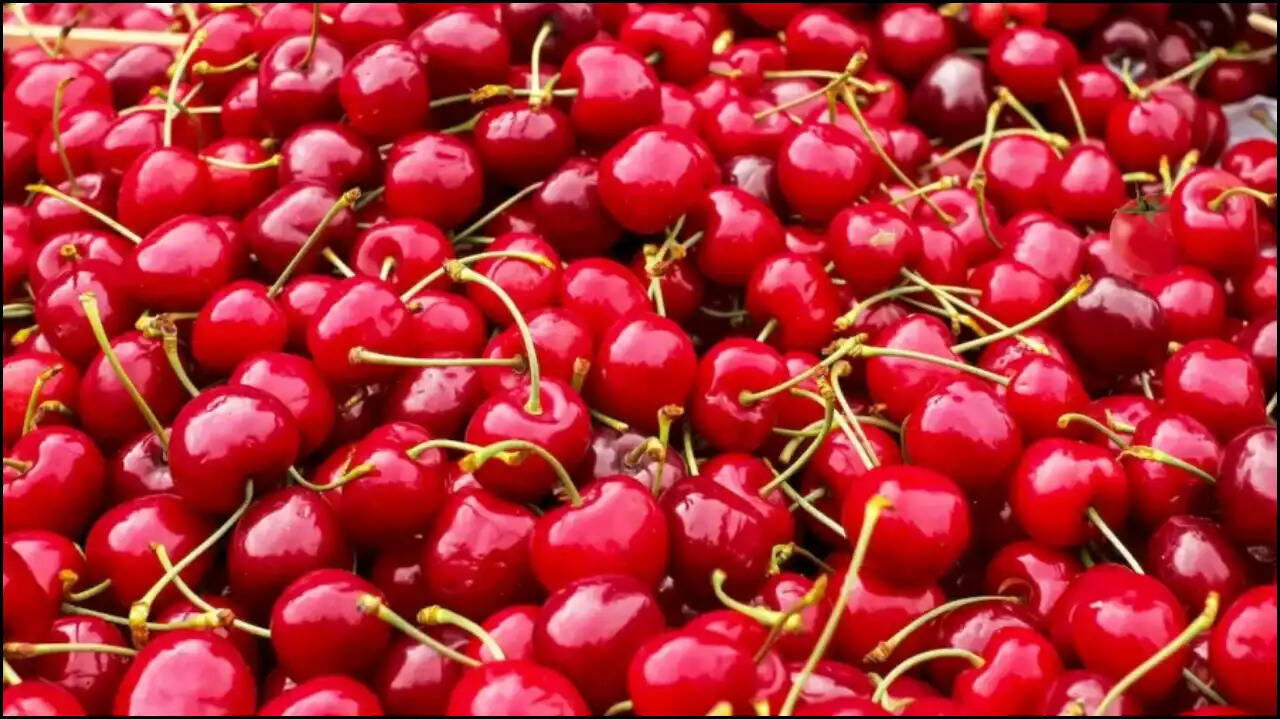
In the picture below, you'll find a heap of cherries. Your task is to locate a sweet red tomato hidden among these cherries within 10 seconds. Ready? Your time starts now! Ten, nine, eight, seven, six, five, four, three, two, and one.
If you successfully found the tomato, congratulations! You have the eyes of a hawk and paid close attention to detail. This exercise has likely improved your visual perception.
If you couldn't find the tomato, don't worry; we have you covered! The answer is as follows:
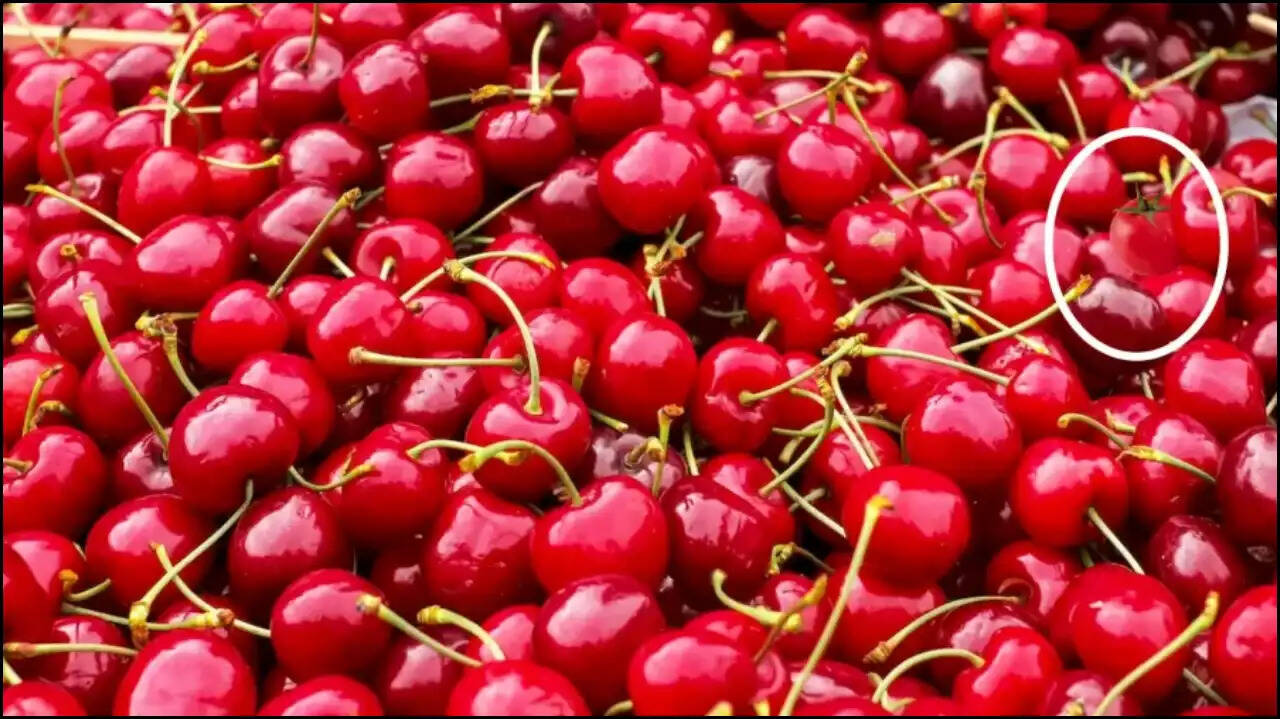
In the top right corner of the image, you will see a maroon-coloured cherry, but that is not the tomato. Even some skilled players made the mistake of confusing this maroon cherry for the tomato. However, if you look closely towards the top right corner of the image, you will spot a bright red cherry tomato that seems to be photoshopped into the image, standing erect in the pile of cherries. Here's the image of the tomato encircled in the pile:
Did you find this puzzle challenging? Don't worry; with a few more challenges, you can become a pro! Keep practising and happy brainstorming!
Optical illusions are divided into three categories: physical, physiological, and cognitive puzzles. Each category consists of four kinds - Ambiguity, distortions, paradoxes, and fiction. Detecting patterns and stand-apart objects in these illusions can be challenging, making visual perception a key factor.