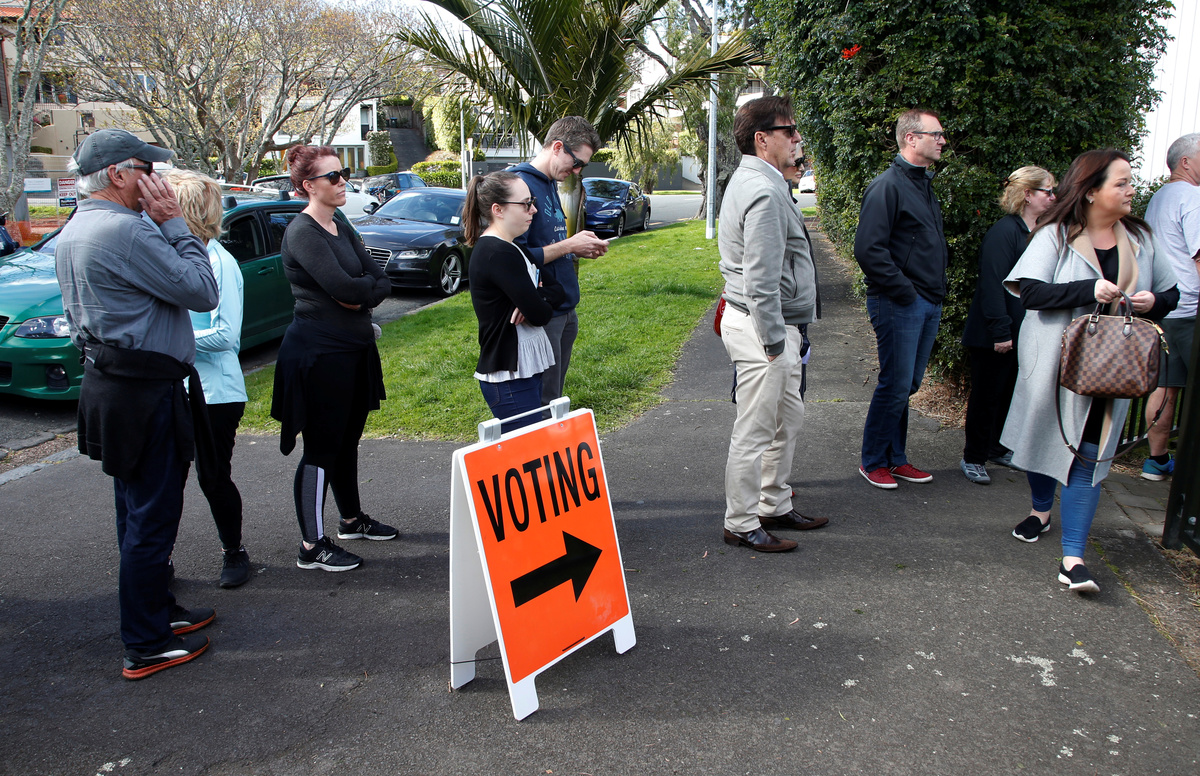
WELLINGTON (Reuters) - A final tally of New Zealand's Sept. 23 election released on Saturday showed neither the ruling National Party or opposition Labour won enough seats to form government, leaving the small nationalist New Zealand First Party with the balance of power.
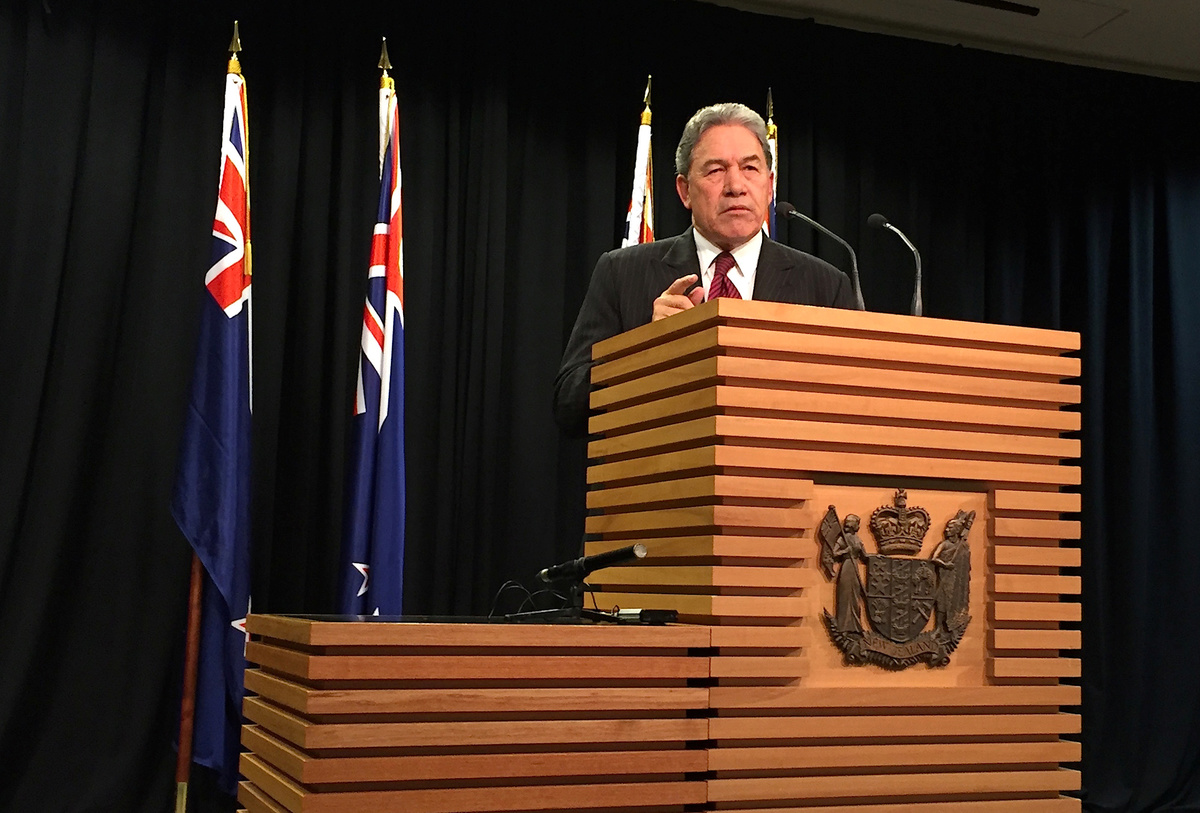
The final count now opens the way for formal coalition talks to begin, with New Zealand First leader Winston Peters setting an Oct. 12 deadline to announce which party he will back to form government.
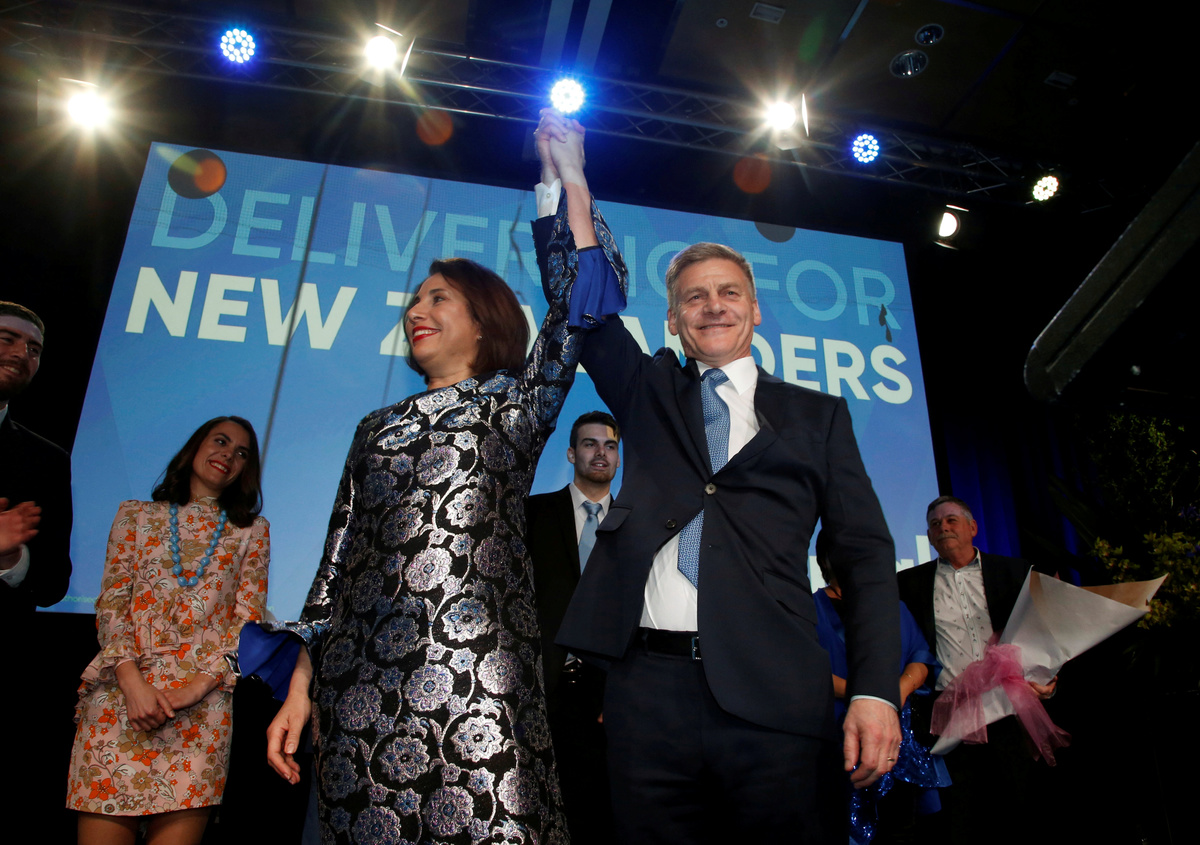
Prime Minister Bill English's National Party still holds the largest number of seats in parliament but lost ground to a possible Labour-Green coalition, which could make the nationalist party more comfortable to join forces with them.
The National Party won 44.4 percent of the votes, the Labour Party 36.9 percent, New Zealand First 7.2 percent, the Green Party 6.3 percent.
The results leave the National Party with 56 seats in the 120-seat parliament, Labour 46, New Zealand First nine and the Greens eight. Labour and the Greens have an agreement to work together.
While New Zealand First policies are thought to have more in common with those of Labour, both want to curb immigration and adjust the role of the central bank albeit in different ways, some say Peters could be swayed to go to National given it would be a straightforward coalition between two parties.
Peters, a veteran New Zealand politician who has now held the balance of power three times, has in past elections formed coalition governments with both the National Party and Labour.
(Reporting by Ana Nicolaci da Costa and Charlotte Greenfield; Editing by Michael Perry)