The last Palestine Action prisoner still on hunger strike has now stopped drinking water, which a doctor has warned could kill him.
Umer Khalid, 22, has been on a hunger strike since November. His action was briefly paused at Christmas when he became unwell.
He and seven others had stopped eating food in protest against charges they face for alleged break-ins or criminal damage carried out on behalf of Palestine Action.
They have denied the charges and called for them to be dropped.
All except Khalid have now ended their actions. The final three ended their strikes 10 days ago after the government decided not to award a £2bn contract to the Israeli arms company subsidiary Elbit Systems UK.
Khalid has a genetic disorder, limb-girdle muscular dystrophy, which makes him more vulnerable. The condition causes weakness and wasting in muscles around key joints in the body. He resumed his hunger strike 13 days ago.
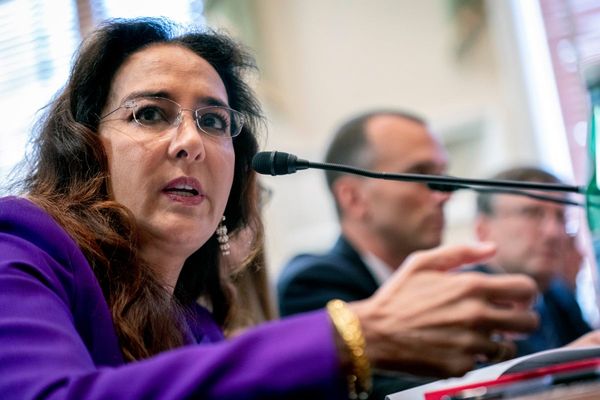
In comments provided by Prisoners for Palestine, Dr Rupa Marya said the continued action could lead to death within days, with Khalid’s health conditions putting him at greater risk.
Marya is suspended by the University of California in San Francisco for online comments about Israel’s war in Gaza. She has claimed the university violated her right to freedom of speech and sued the university.
She said: “With no fluid intake, typically people die of acute kidney failure and other derangements within three to four days.
“With Khalid’s underlying health condition, he is at increased risk of death even sooner.
“While the UK government is making plans to build skyscrapers over the remains of Gaza’s buried children, Khalid’s actions expose the absolute barbarity and racist hypocrisy of the UK legal system.
“By Monday, if the UK government continues to stall, we can expect this young man to be well in the process of dying if not dead.”
Among those who ended their hunger strike earlier this month, Heba Muraisi, 31, reached day 72 – one day short of the number reached by the Irish republican hunger striker Kieran Doherty, who survived the longest of 10 men who died in a 1981 action.
Prisoners for Palestine said the decision not to grant Elbit Systems UK the contract – under which it would have trained 60,000 British troops a year – fulfilled a key demand. It said the company had won more than 10 public contracts since 2012, and so the decision by the Ministry of Defence marked a shift in thinking among officials.