Filipinos display Catholic devotion in Black Nazarene procession
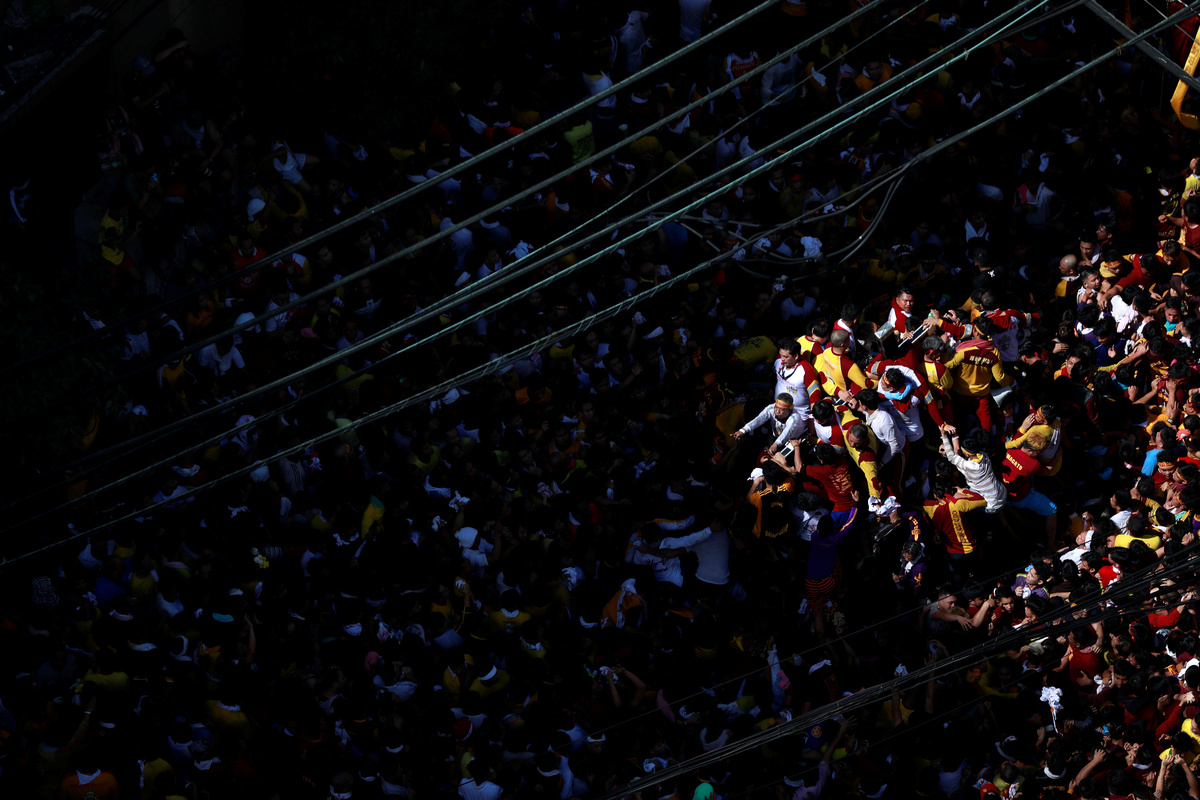
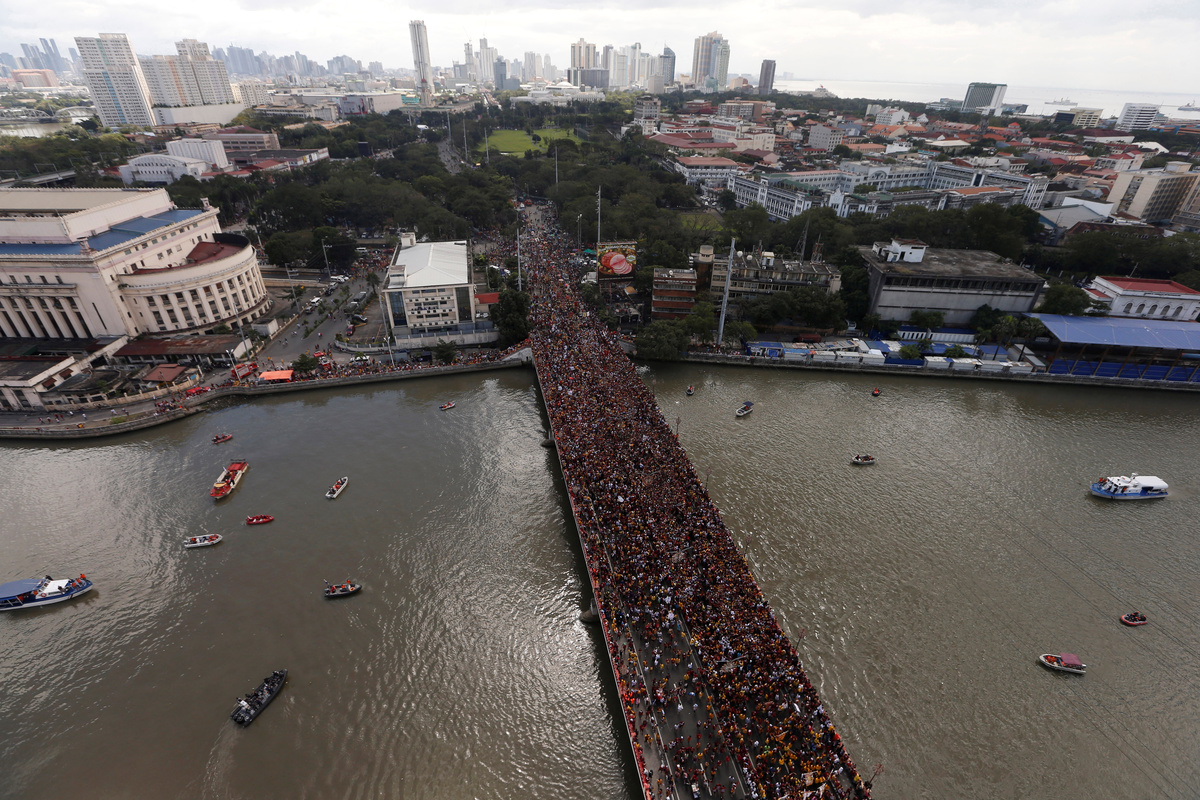
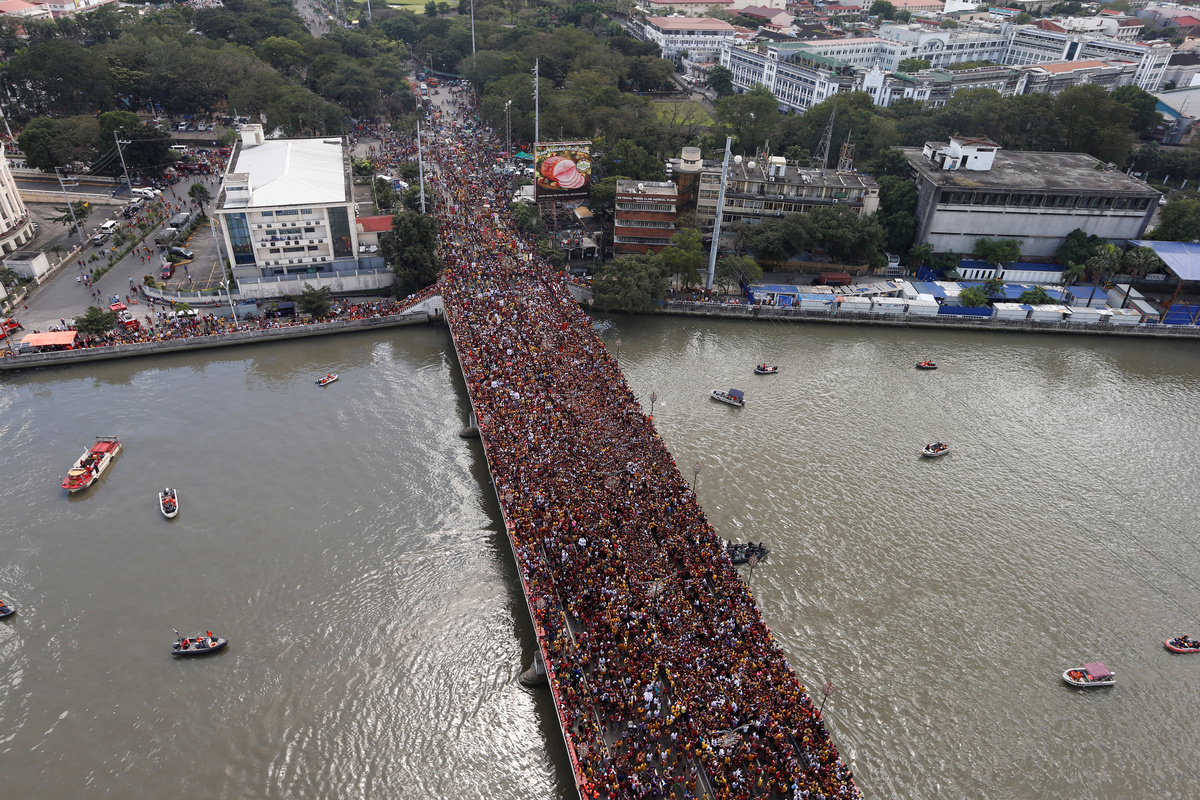
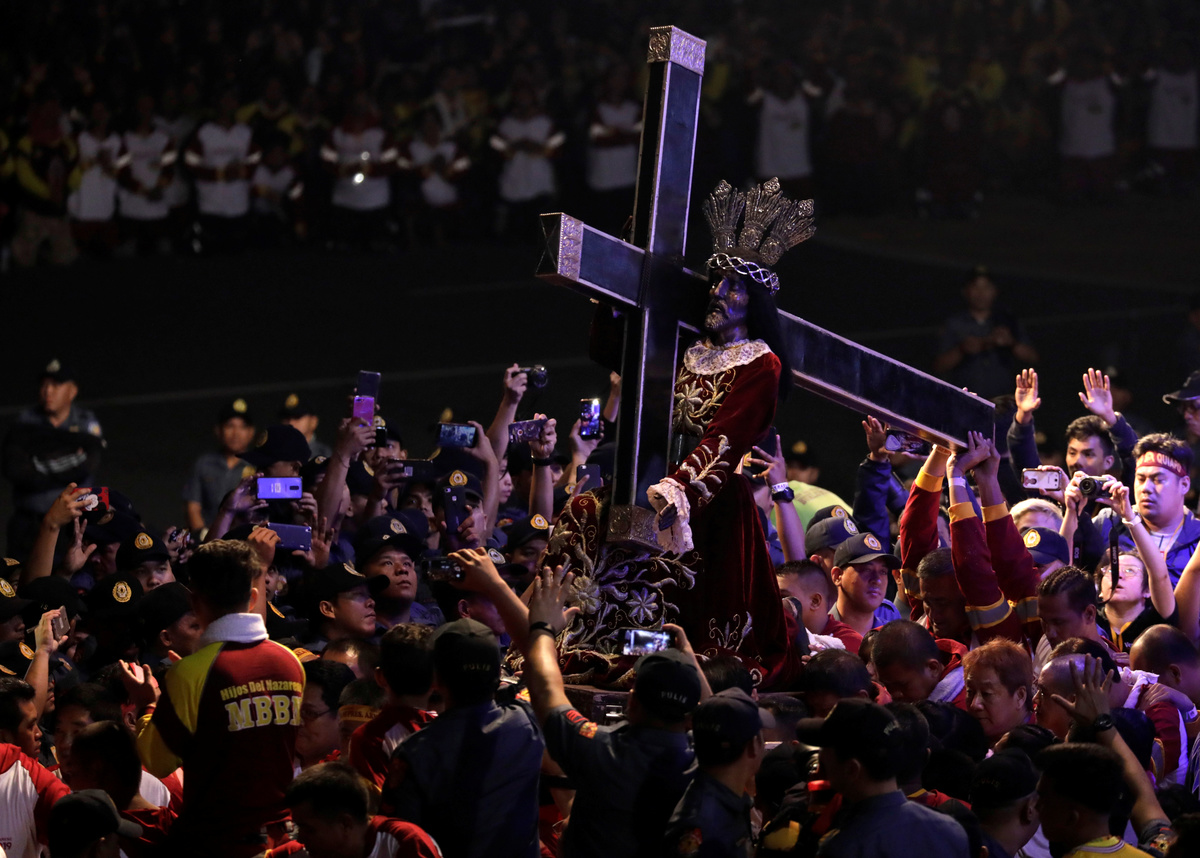
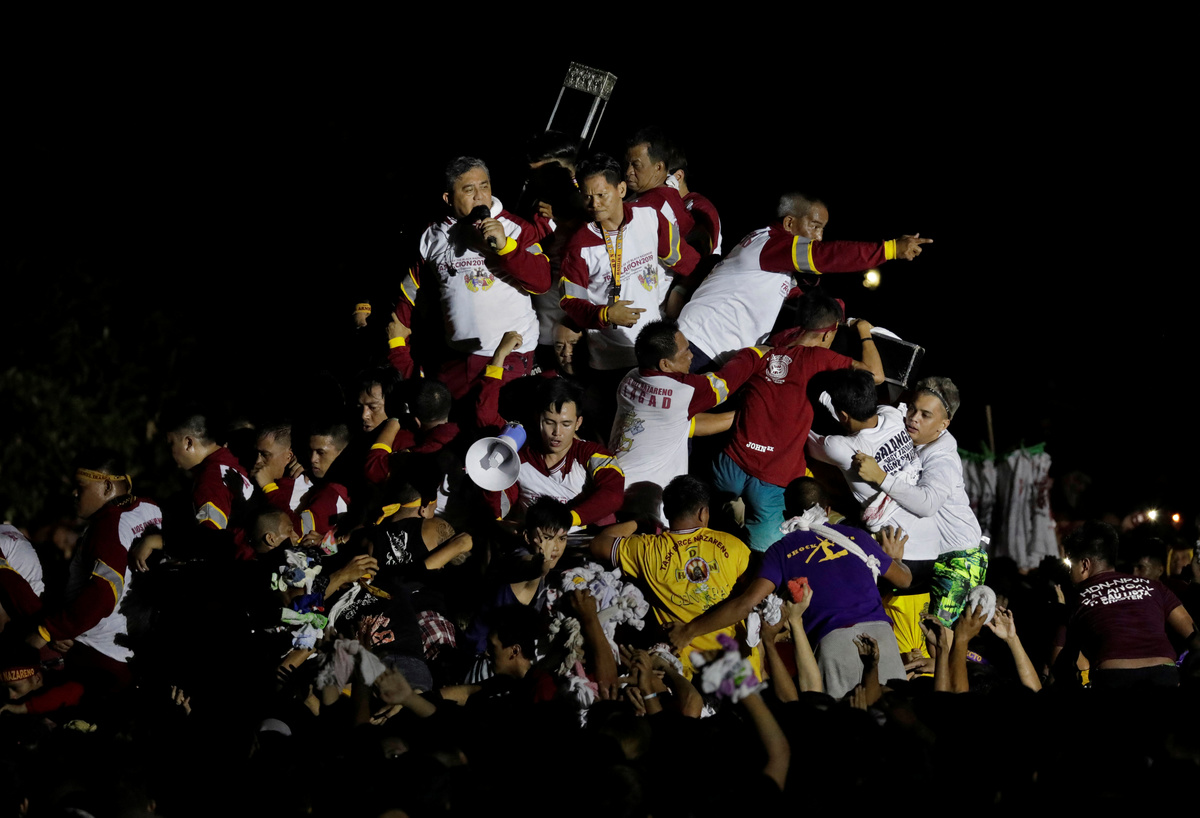
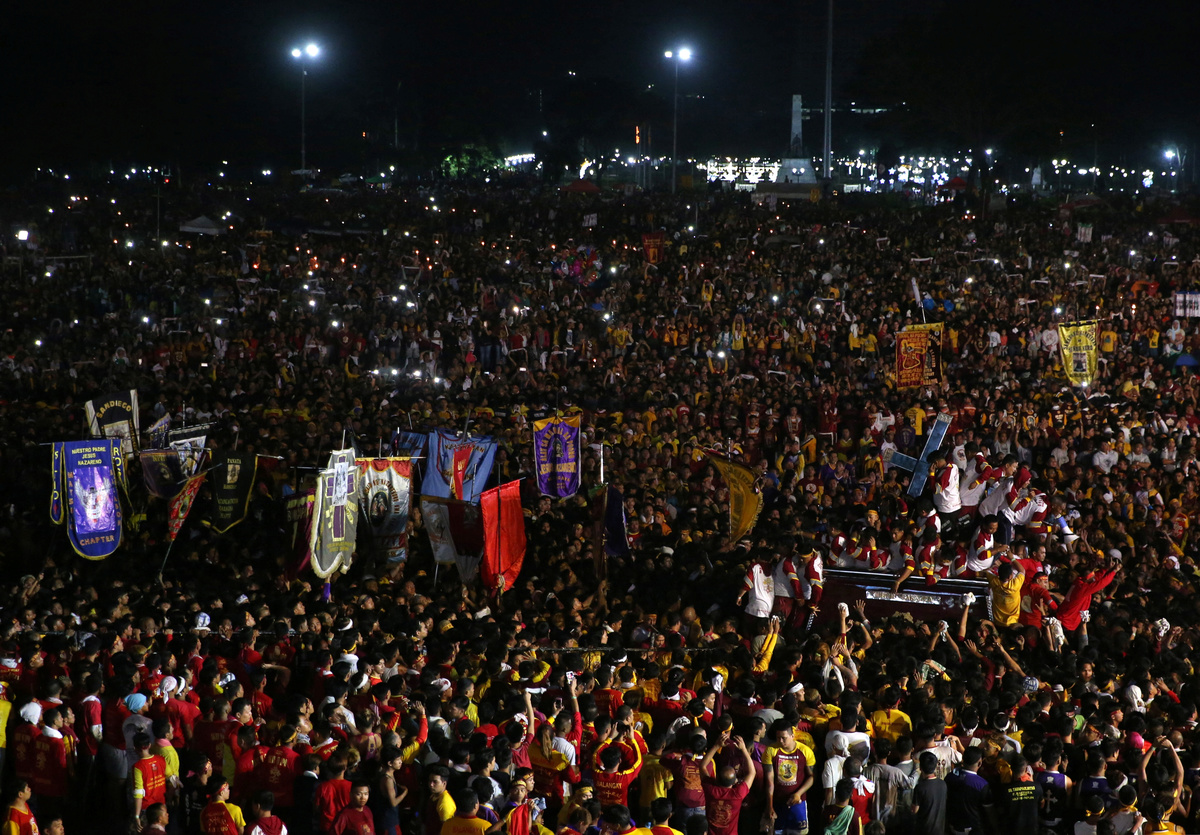
Catholic devotees jostle to touch the statue of the Black Nazarene on its feast day in Manila, Philippines, January 9, 2019. REUTERS/Soe Zeya Tun
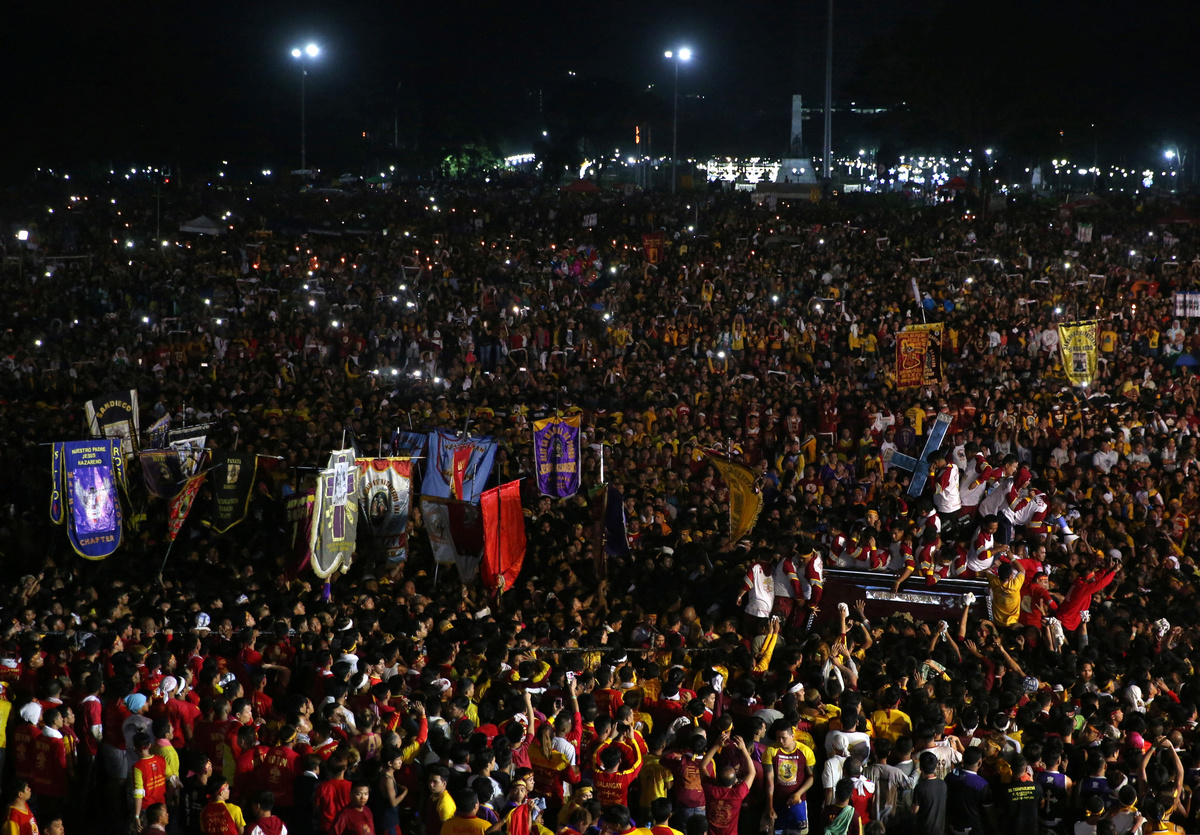
MANILA (Reuters) - Hundreds of thousands of Filipinos joined an annual procession in the Philippine capital to kiss or touch a centuries-old black wooden statue of Jesus Christ, believed to have miraculous healing powers, in a grand display of Catholic devotion.
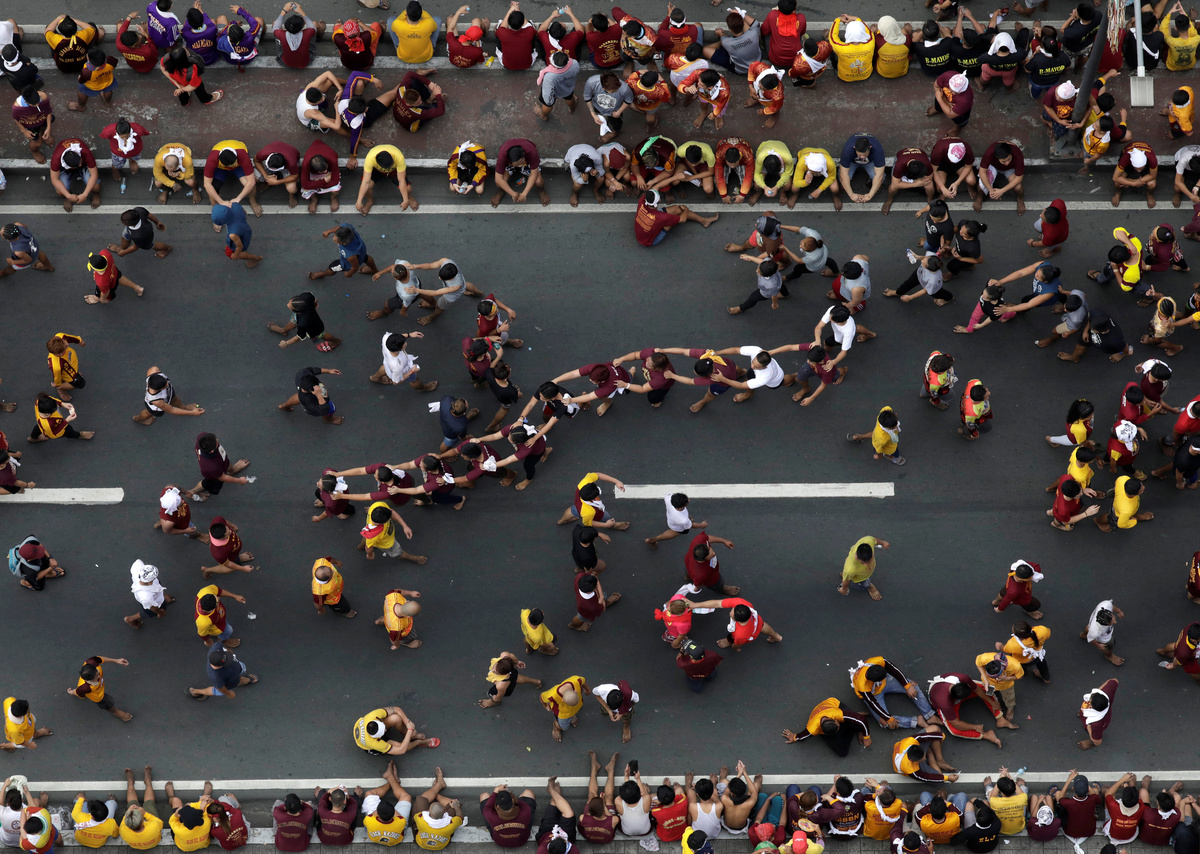
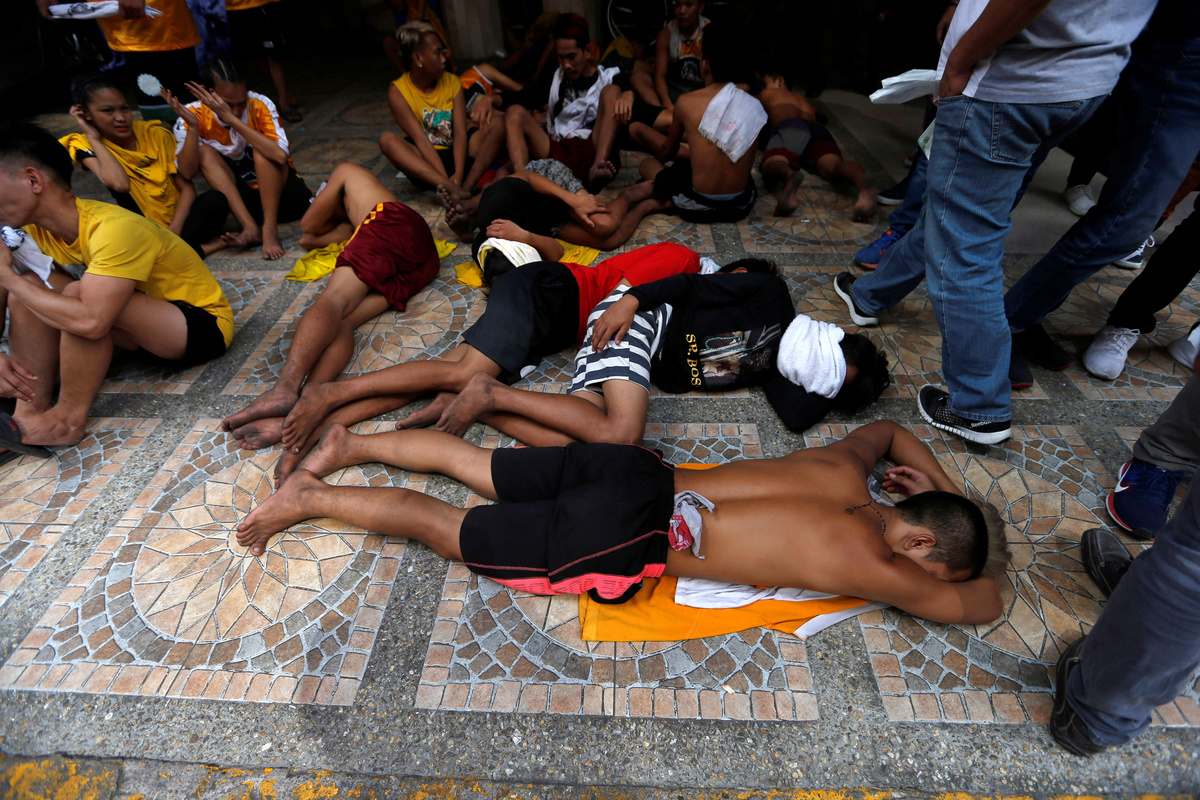
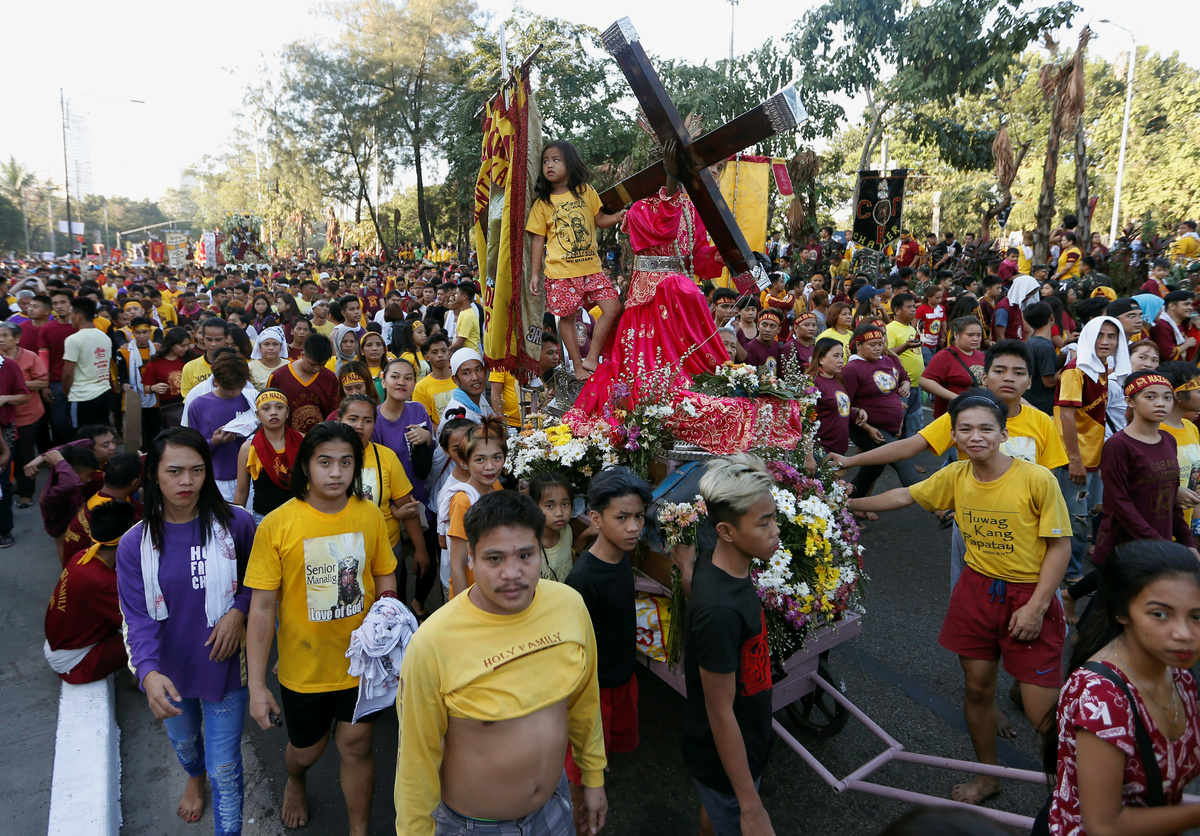
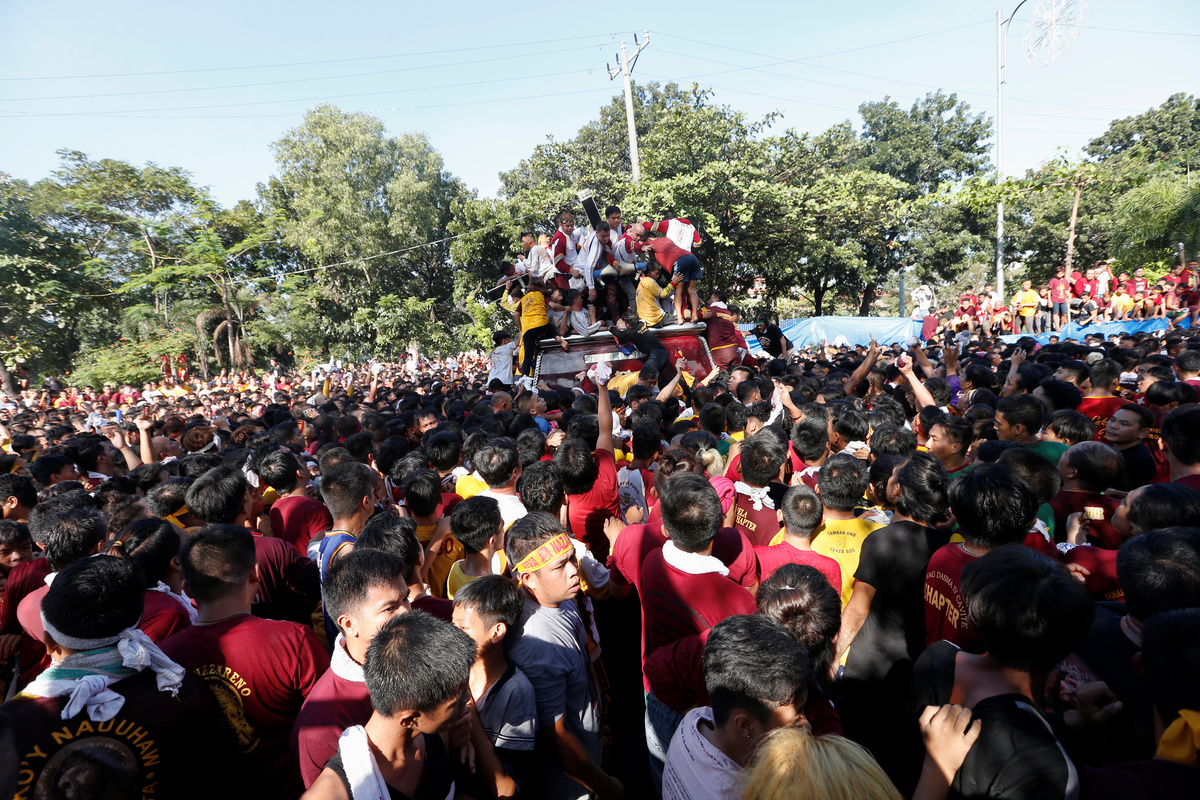
The devotees, mostly walking barefoot, surrounded the carriage bearing the life-sized image of the "Black Nazarene" shouldering a heavy cross as it paraded through the city.
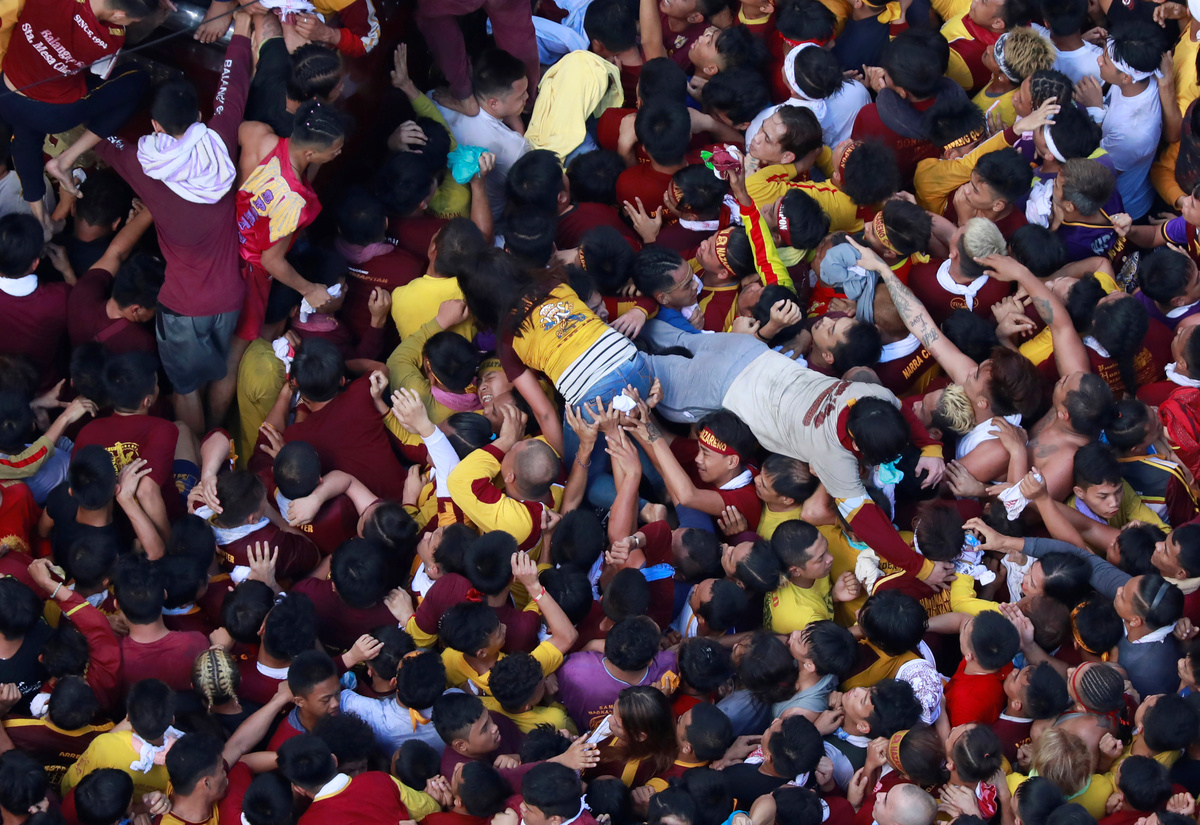
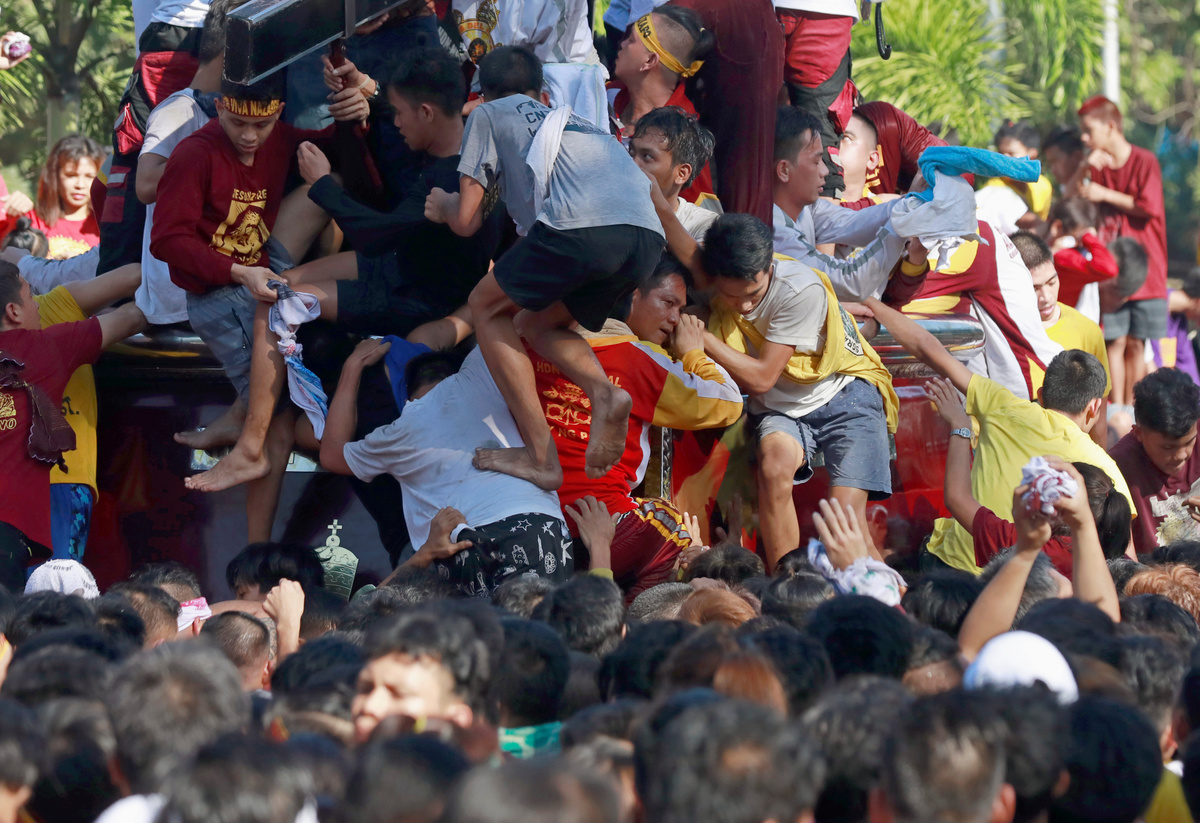
Many of them, in yellow and maroon shirts, threw white towels to people on the carriage to wipe on the statue, while others jostled to touch the thick ropes used to pull the carriage, believing the slightest touch would bless and heal their illnesses.
Catholic devotees line up to get closer to the statue of the Black Nazarene during the annual procession on its feast day in Manila, Philippines, January 9, 2019. REUTERS/Eloisa Lopez
About 80 percent of the more than 100 million people of the Philippines are Roman Catholic. The Philippines is renowned for its colourful religious rituals, and the celebration of the "Black Nazarene" is a tradition in the former Spanish colony that goes back more than two centuries.
The increasing number of devotees showed the growing strength of the Catholic faith, Manila auxiliary bishop Broderick Pabillo said in response to criticism that the procession borders on idolatry.
"Let's deepen our understanding of spirituality," Pabillo was quoted by DZMM radio station as saying.
Catholic devotees jostle to touch the statue of the Black Nazarene on its feast day in Manila, Philippines, January 9, 2019. REUTERS/Soe Zeya Tun
Wednesday's procession, which is expected to last around 20 hours, is expected to draw 5 million people, police said.
It is not known why the statue, which was carved in Mexico, turned black. There are myths that the original statue donated by Spanish priests was burned as a fire erupted on the ship that carried it to the Philippines in the early 17th century.
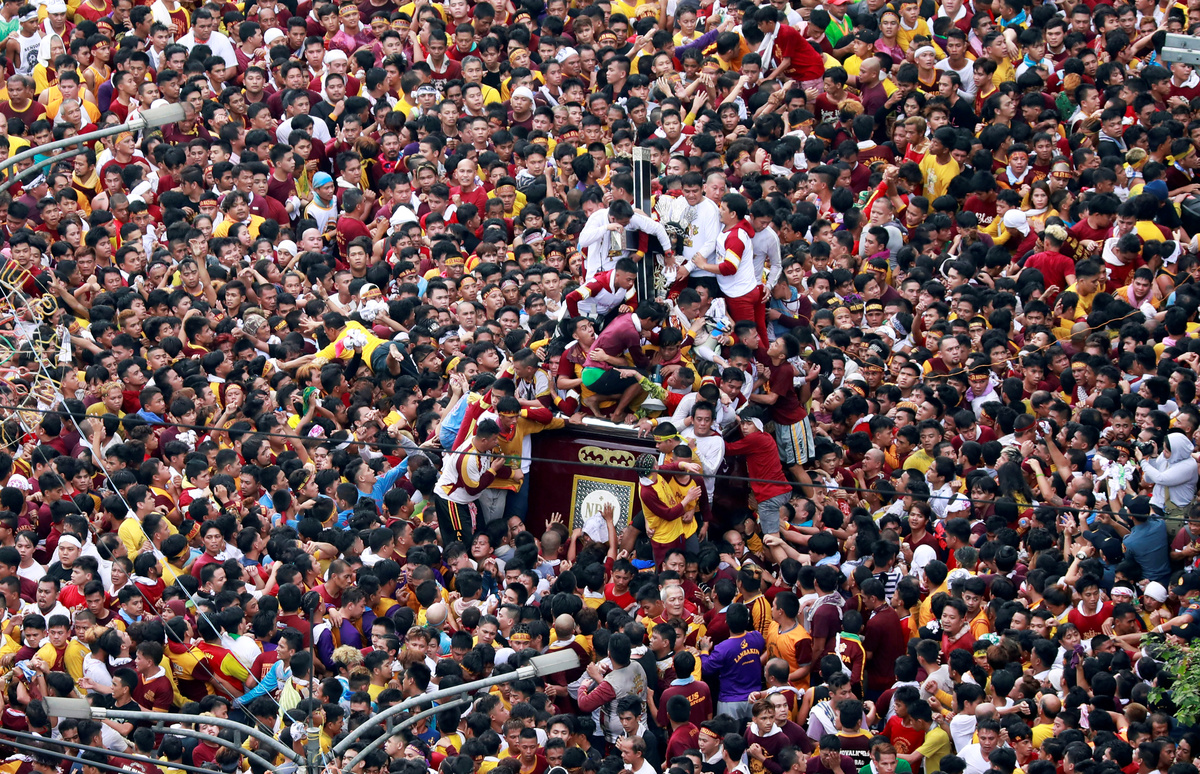
Close to 300,000 were in the Manila procession, based on an early morning estimate by police, excluding those waiting elsewhere along its more than six-kilometre route.
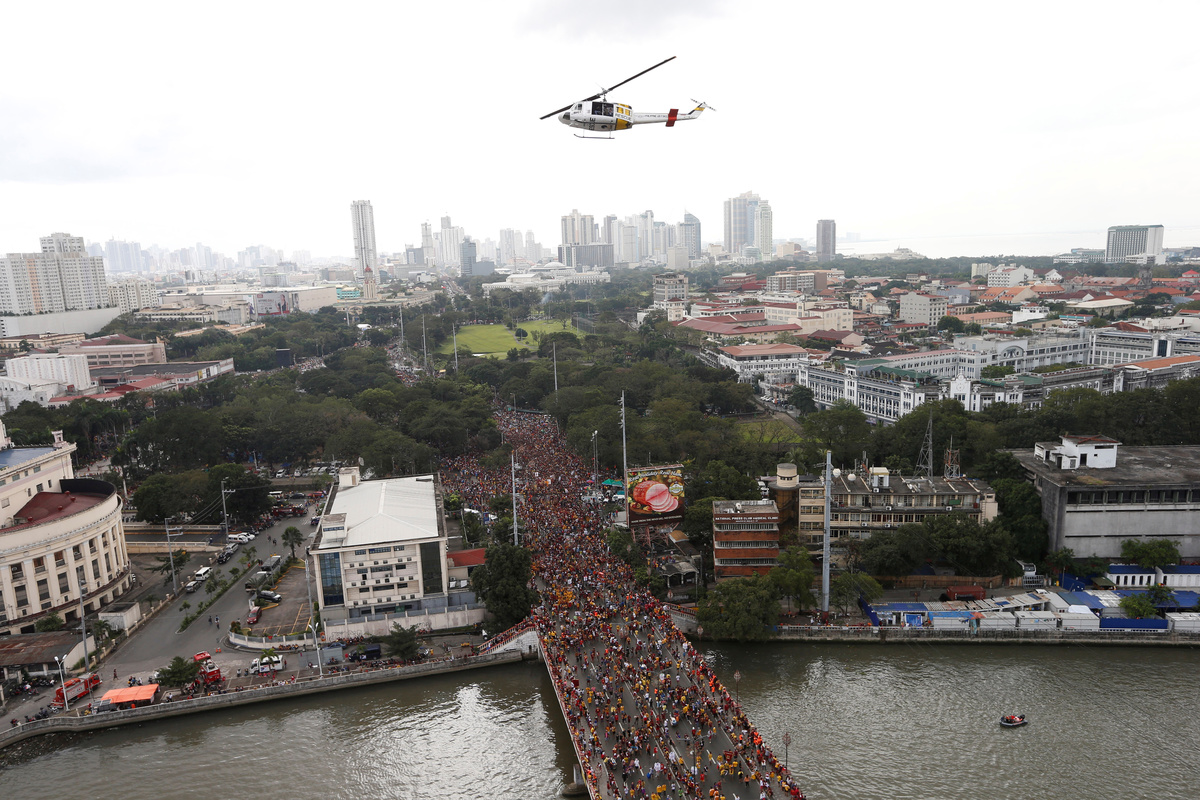
Catholic devotees jostle to touch the statue of the Black Nazarene on its feast day in Manila, Philippines, January 9, 2019. REUTERS/Soe Zeya Tun
Thousands of police and soldiers deployed were deployed in the city to provide security, and coast guard boats were also on standby as the huge crowd was expected to cross a narrow bridge later in the afternoon.
Catholic devotees jostle to touch the statue of the Black Nazarene on its feast day in Manila, Philippines, January 9, 2019. REUTERS/Soe Zeya Tun
(Reporting by Karen Lema and Peter Blaza; Editing by Simon Cameron-Moore)
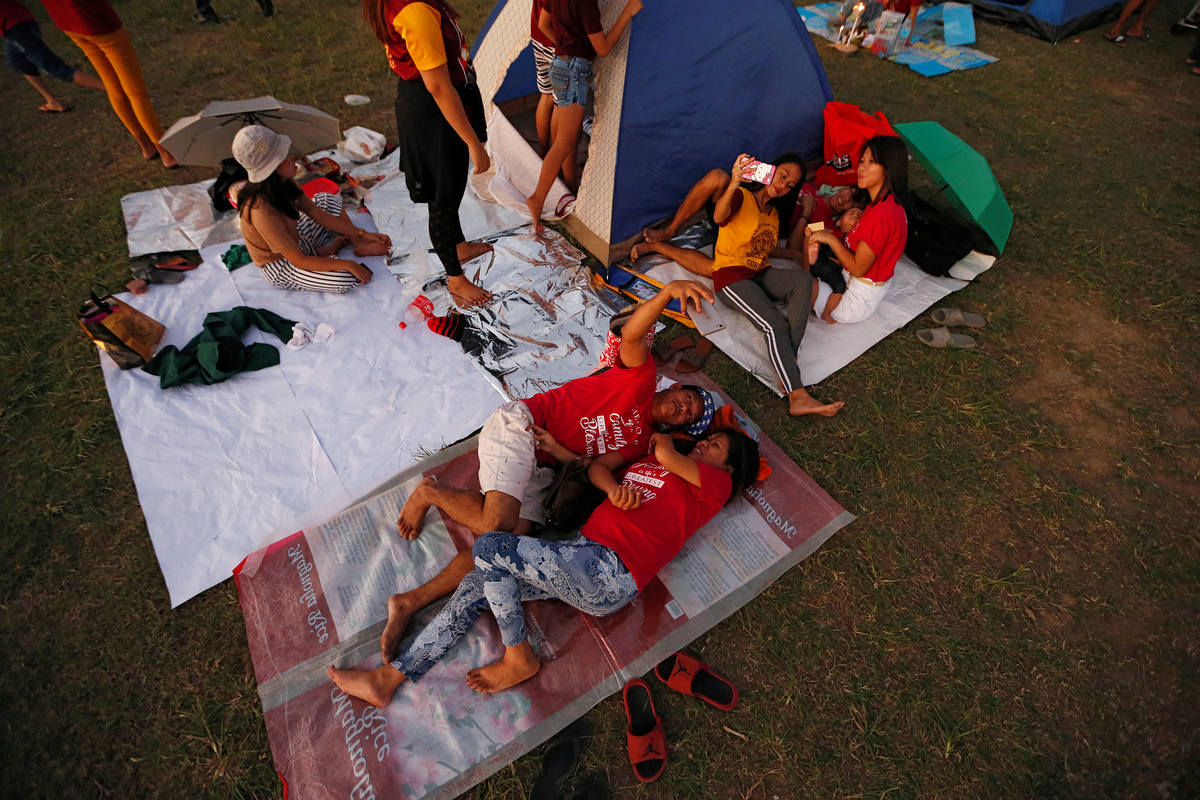
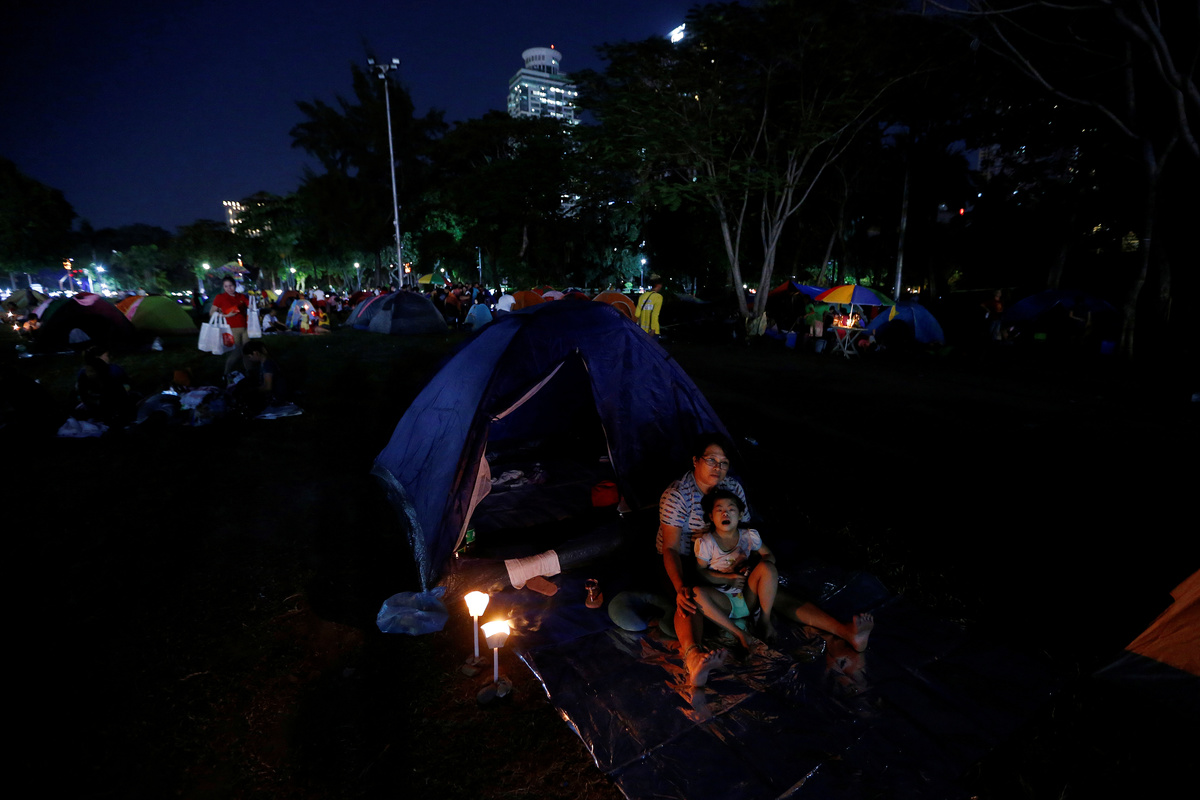
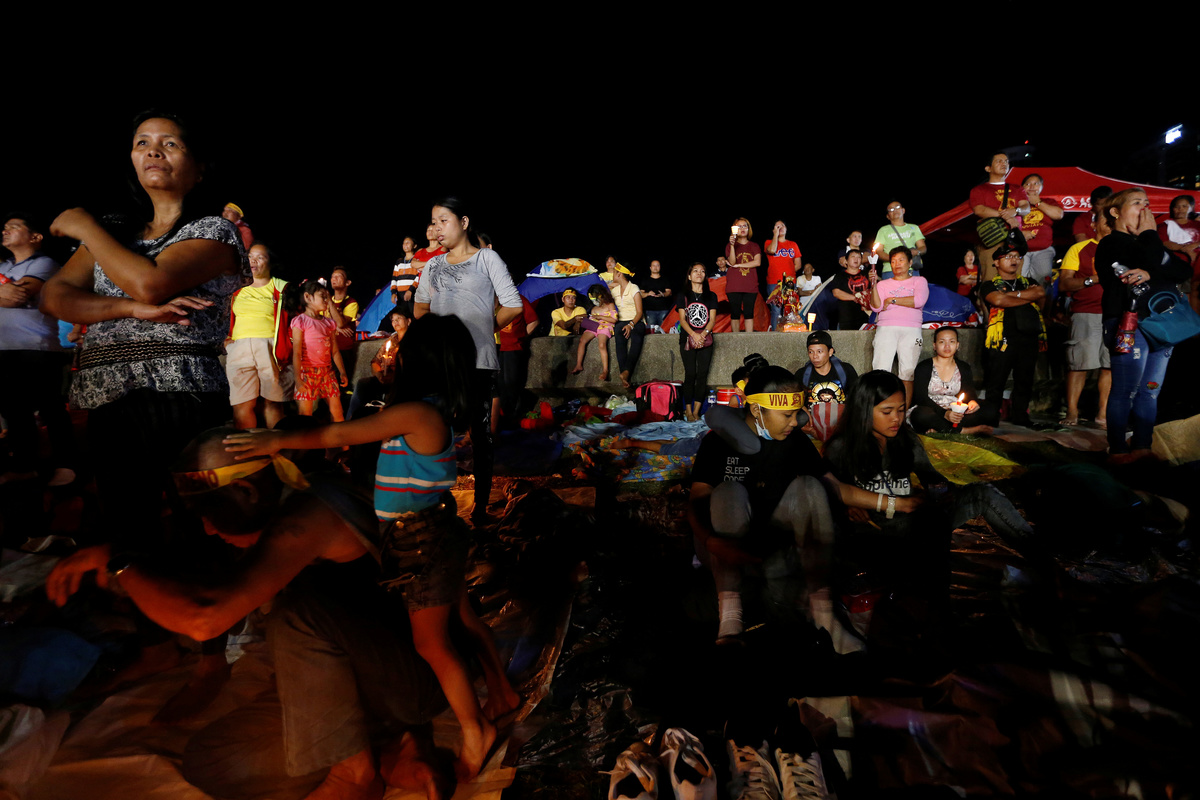
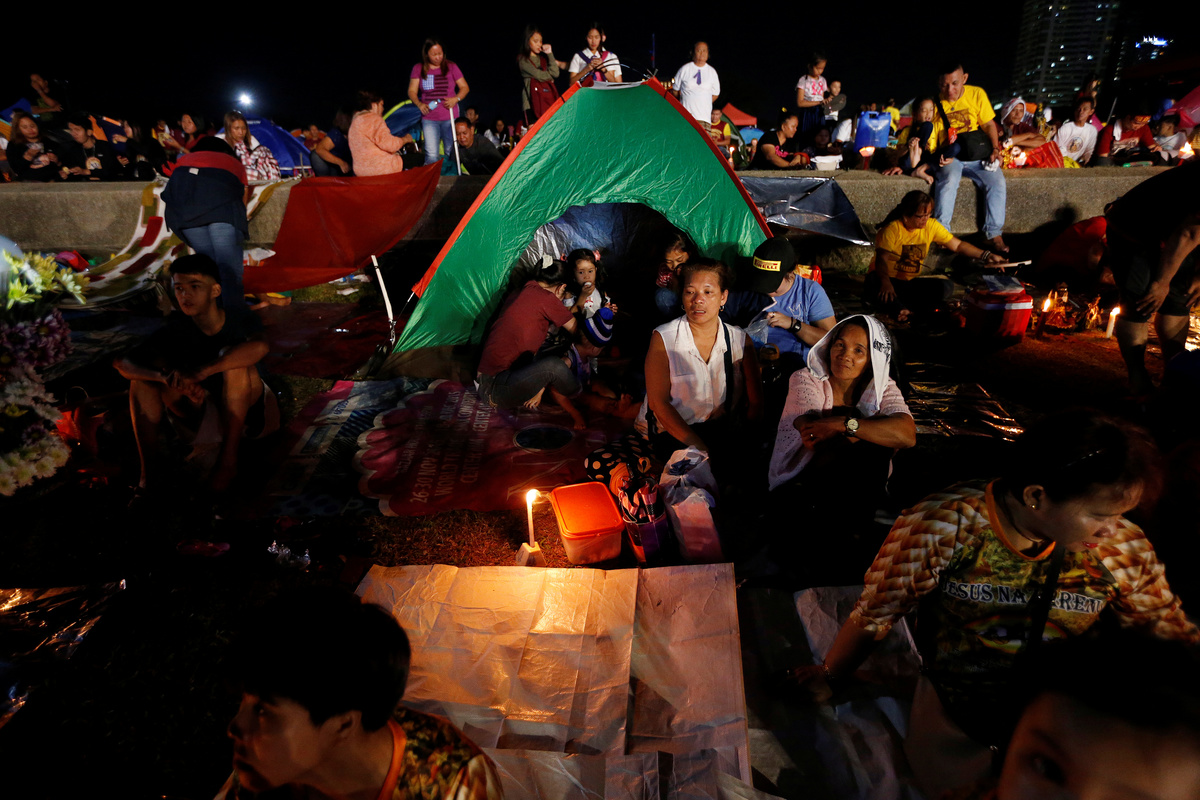
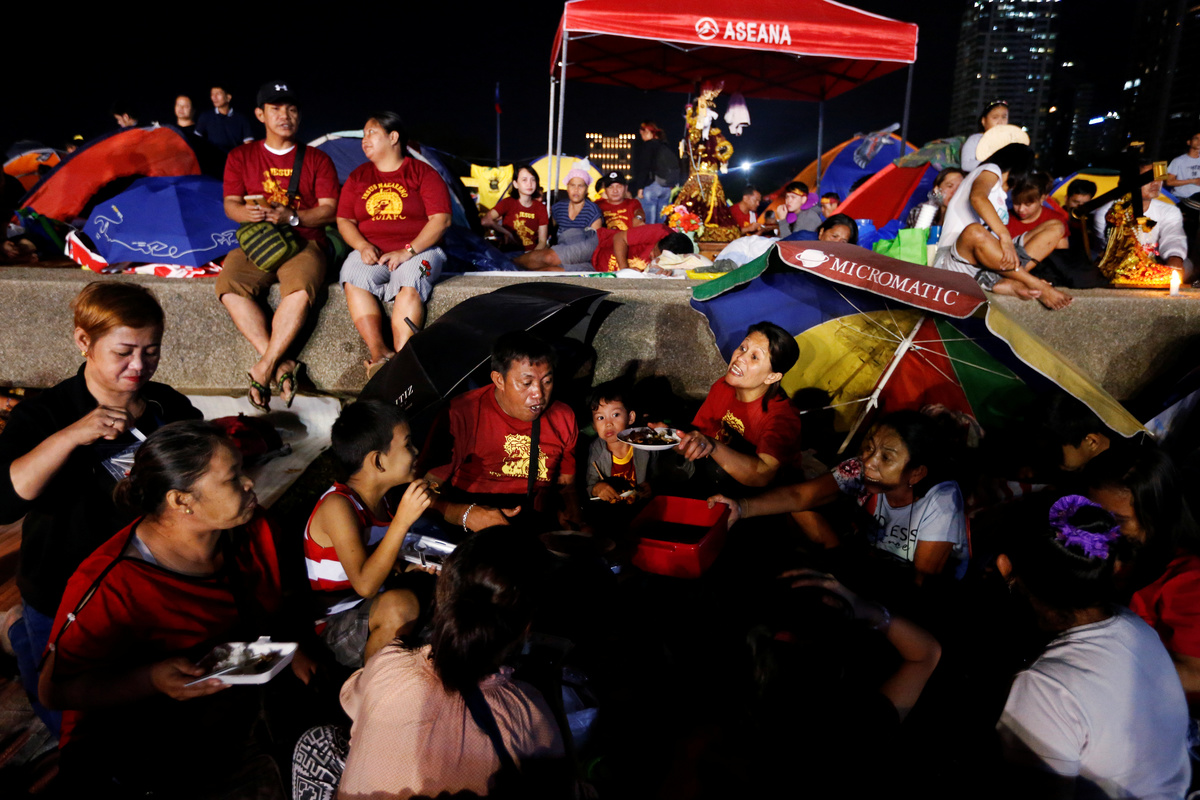
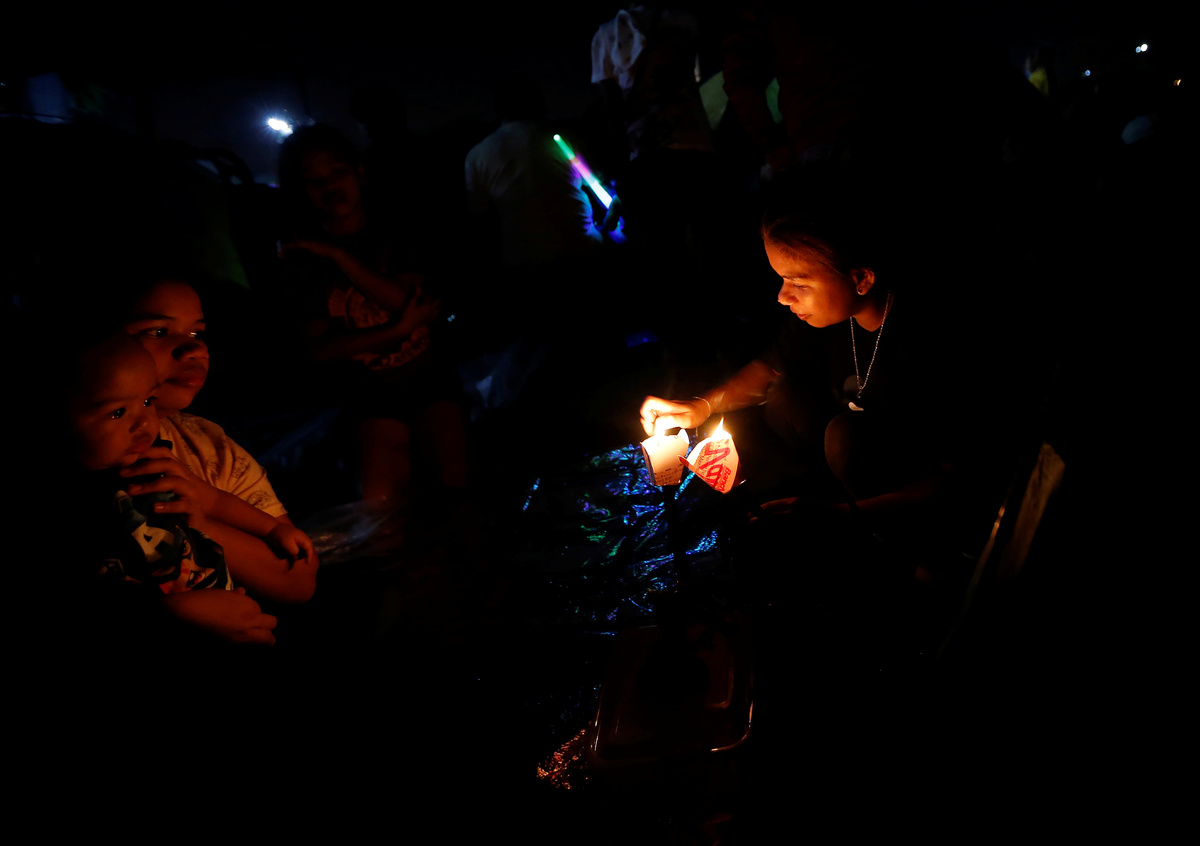
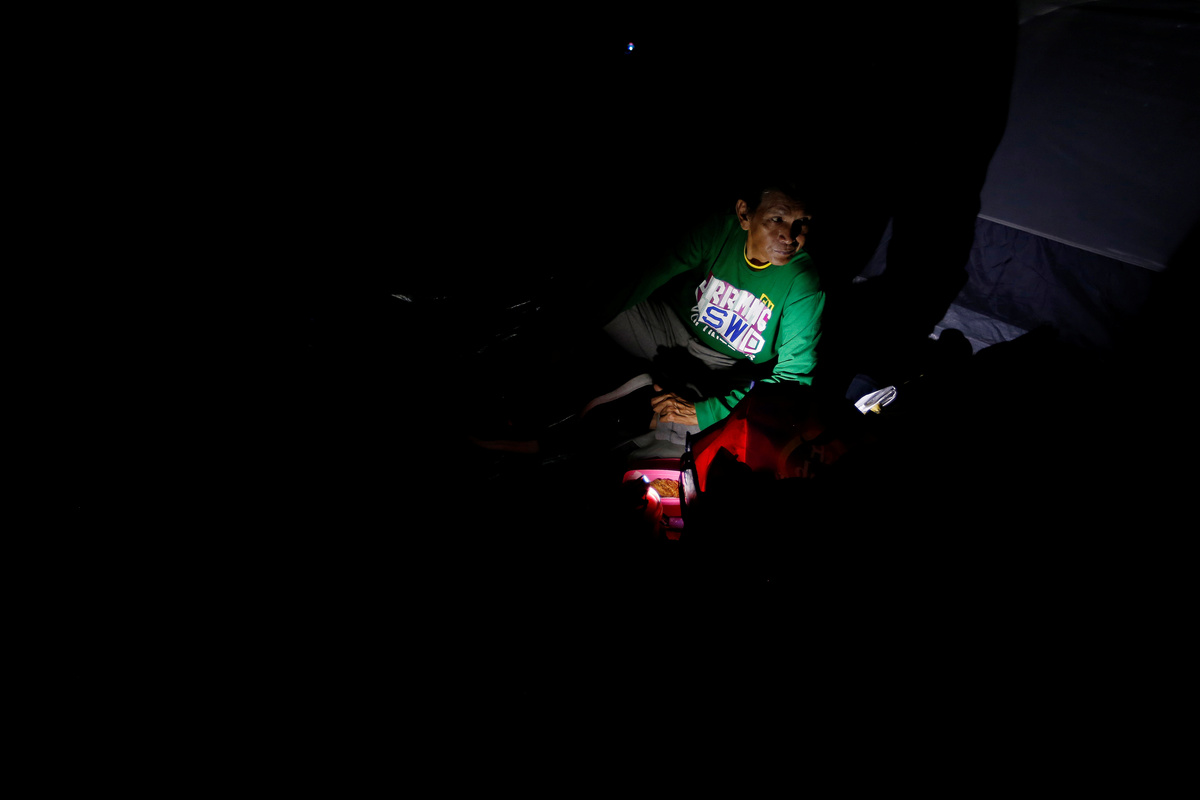
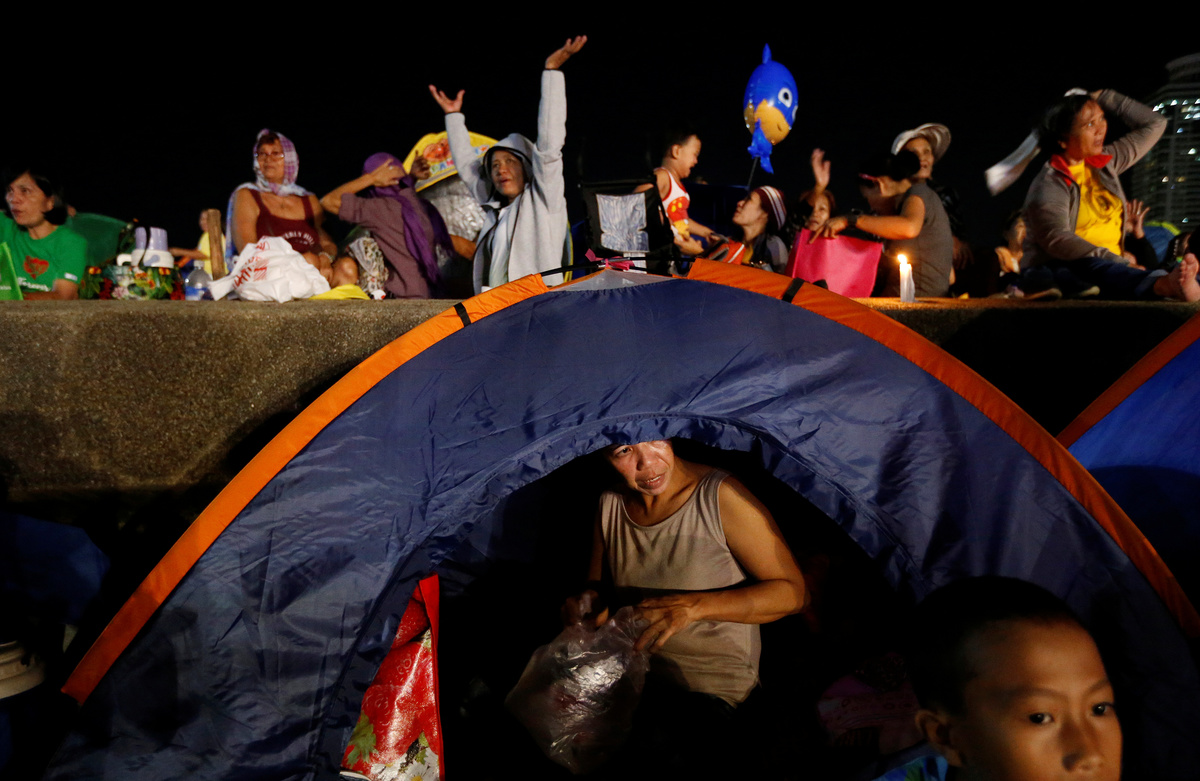
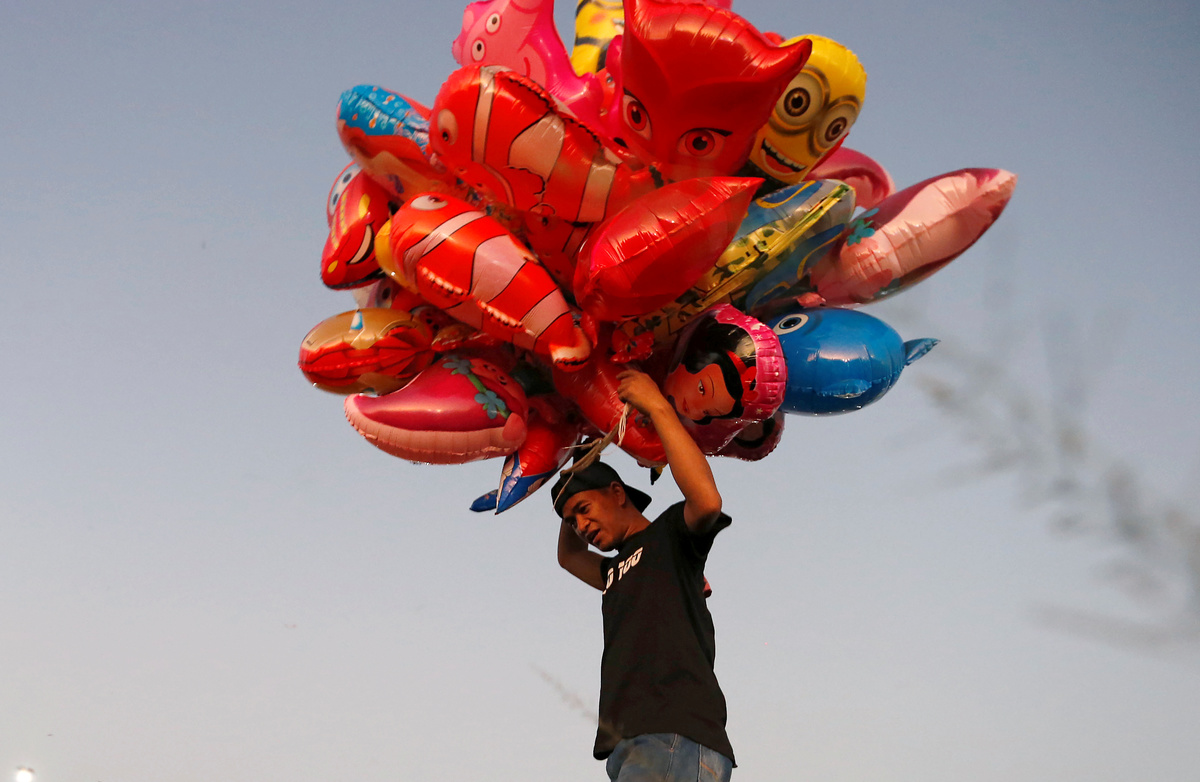
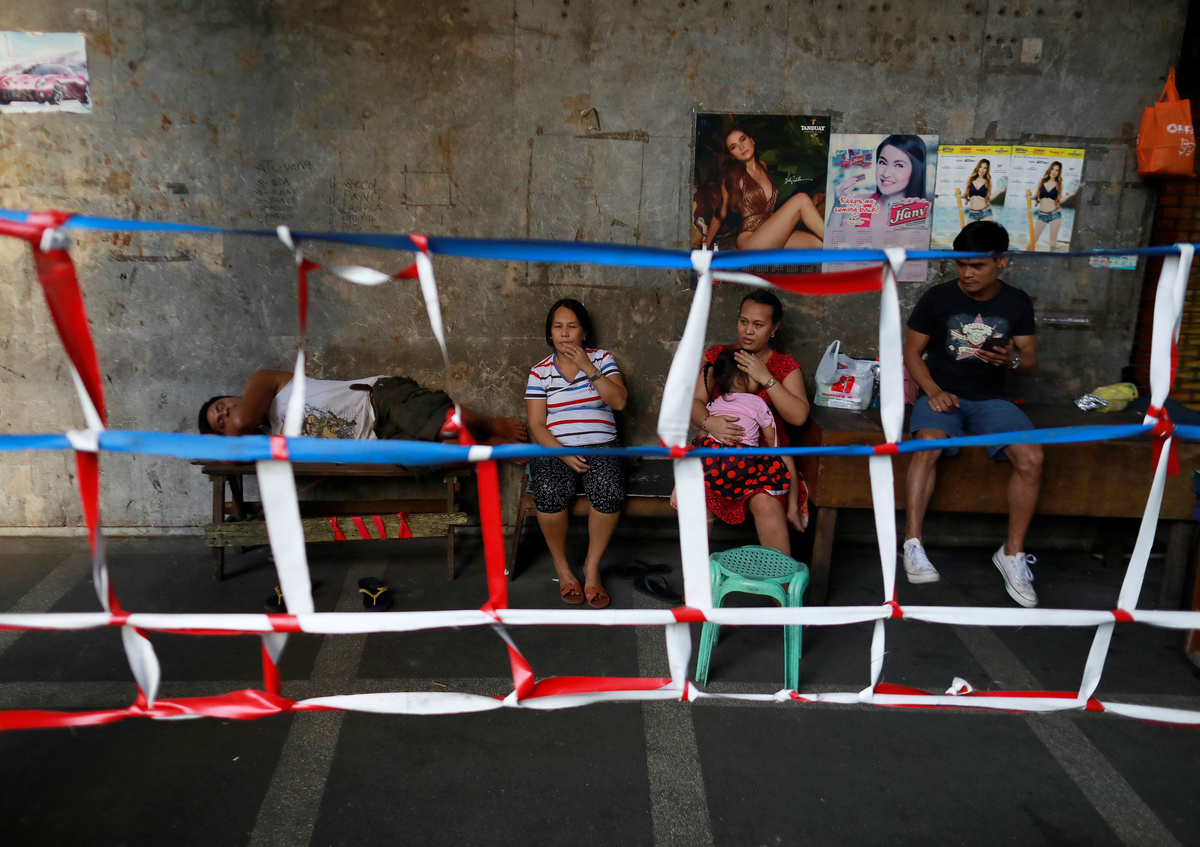
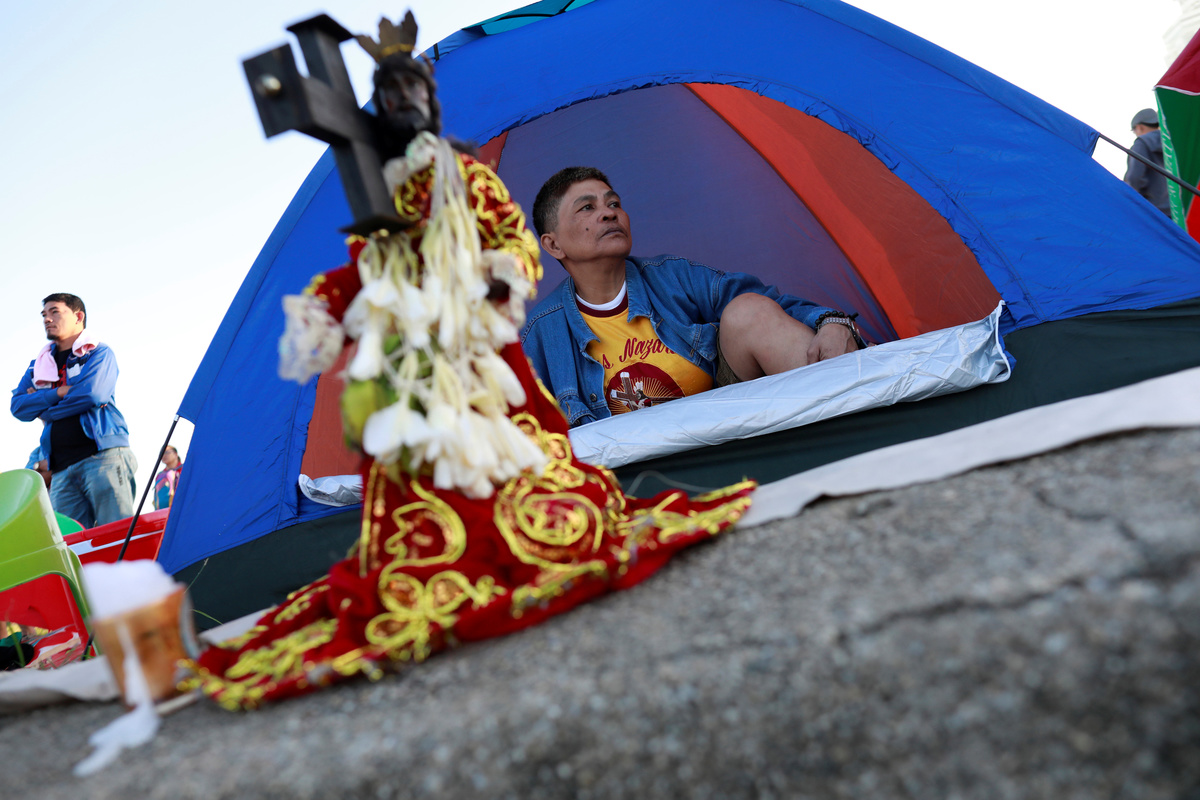
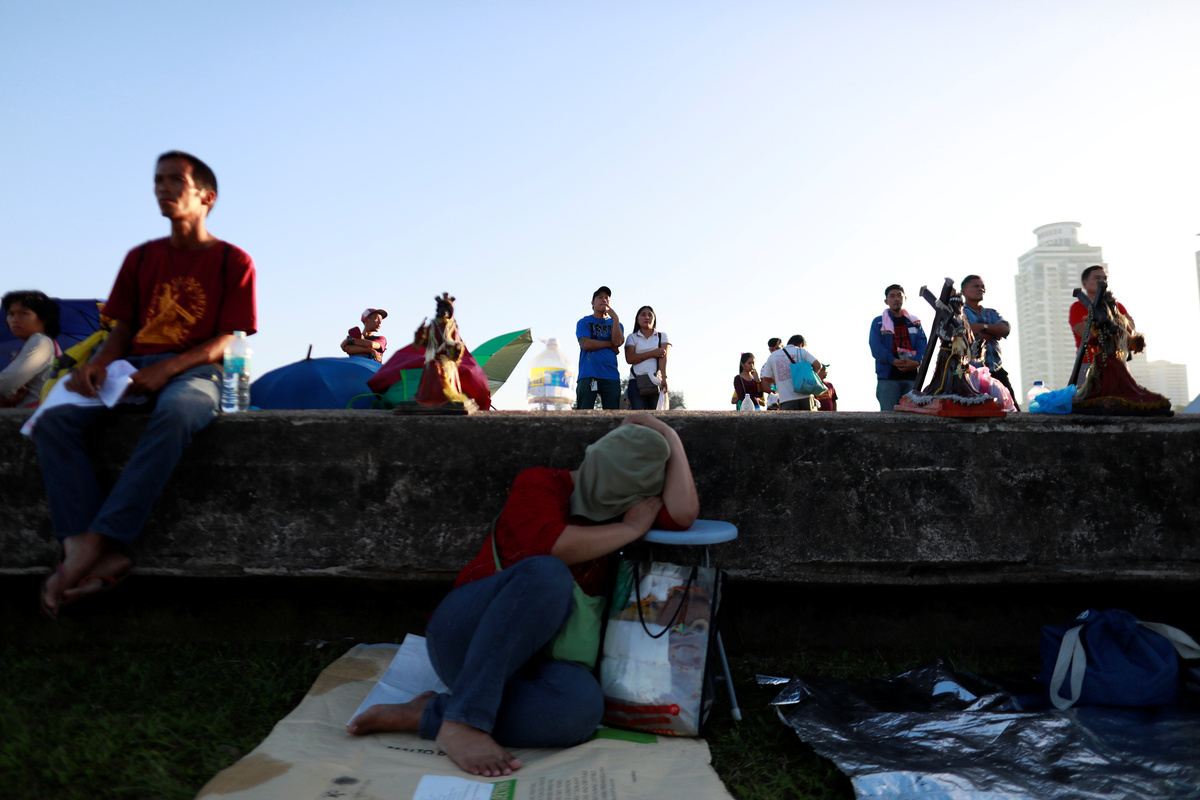
Catholic devotees jostle to touch the statue of the Black Nazarene on its feast day in Manila, Philippines, January 9, 2019. REUTERS/Soe Zeya TunA police helicopter flies as Catholic devotees jostle to touch the statue of the Black Nazarene on its feast day in Manila, Philippines, January 9, 2019. REUTERS/Soe Zeya TunCatholic devotees rest after they trying to touch the statue of the Black Nazarene on its feast day in Manila, Philippines, January 9, 2019. REUTERS/Soe Zeya TunDevotees carry the statue of the Black Nazarene as the annual procession begins on its feast day in Manila, Philippines, January 9, 2019. REUTERS/Eloisa LopezCatholic devotees wait to touch the statue of the Black Nazarene on its feast day in Manila, Philippines, Philippines, January 9, 2019. REUTERS/Soe Zeya TunCatholic devotees jostle to touch the statue of the Black Nazarene on its feast day in Manila, Philippines, January 9, 2019. REUTERS/Soe Zeya TunDevotees pass their time as they wait in their temporary shelters one day before the annual Black Nazarene procession, in Quiapo, Manila, Philippines, January 8, 2019. REUTERS/Soe Zeya TunCatholic devotees jostle to touch the statue of the Black Nazarene on its feast day in Manila, Philippines, January 9, 2019. REUTERS/Eloisa LopezDevotees surround the statue of the Black Nazarene as the annual procession begins on its feast day in Manila, Philippines, January 9, 2019. REUTERS/Eloisa LopezDevotees pass their time as they wait in their temporary shelters one day before the annual Black Nazarene procession, in Quiapo, Manila, Philippines, January 8, 2019. REUTERS/Soe Zeya TunCatholic devotees jostle to touch the statue of the Black Nazarene on its feast day in Manila, Philippines, January 9, 2019. REUTERS/Soe Zeya TunDevotees surround the statue of the Black Nazarene as the annual procession begins on its feast day in Manila, Philippines, January 9, 2019. REUTERS/Eloisa LopezDevotees pray as they wait in their temporary shelters one day before the annual Black Nazarene procession, in Quiapo, Manila, Philippines, January 8, 2019. REUTERS/Soe Zeya TunDevotees pass their time as they wait in their temporary shelters one day before the annual Black Nazarene procession, in Quiapo, Manila, Philippines, January 8, 2019. REUTERS/Soe Zeya TunDevotees eat their dinner as they wait in their temporary shelters one day before the annual Black Nazarene procession, in Quiapo, Manila, Philippines, January 8, 2019. REUTERS/Soe Zeya TunDevotees pray as they wait in their temporary shelters one day before the annual Black Nazarene procession, in Quiapo, Manila, Philippines, January 8, 2019. REUTERS/Soe Zeya TunDevotees pass their time as they wait in their temporary shelters one day before the annual Black Nazarene procession, in Quiapo, Manila, Philippines, January 8, 2019. REUTERS/Soe Zeya TunDevotees pray as they wait in their temporary shelters one day before the annual Black Nazarene procession, in Quiapo, Manila, Philippines, January 8, 2019. REUTERS/Soe Zeya TunA man sells balloons as devotees wait in their temporary shelters one day before the annual Black Nazarene procession in Quiapo, Manila, Philippines, January 8, 2019. REUTERS/Soe Zeya TunPeople pass their time one day before the annual Black Nazarene procession in Quiapo, Manila, Philippines, January 8, 2019. REUTERS/Soe Zeya TunDevotees wait in their temporary shelters as they line up one day before the annual Black Nazarene procession, to touch the image, in Quiapo, Manila, Philippines, January 8, 2019. REUTERS/Soe Zeya TunDevotees wait in their temporary shelters as they line up one day before the annual Black Nazarene procession, to touch the image, in Quiapo, Manila, Philippines, January 8, 2019. REUTERS/Soe Zeya Tun
Sign up to read this article
Read news from 100’s of titles, curated specifically for you.



.jpg?w=600)