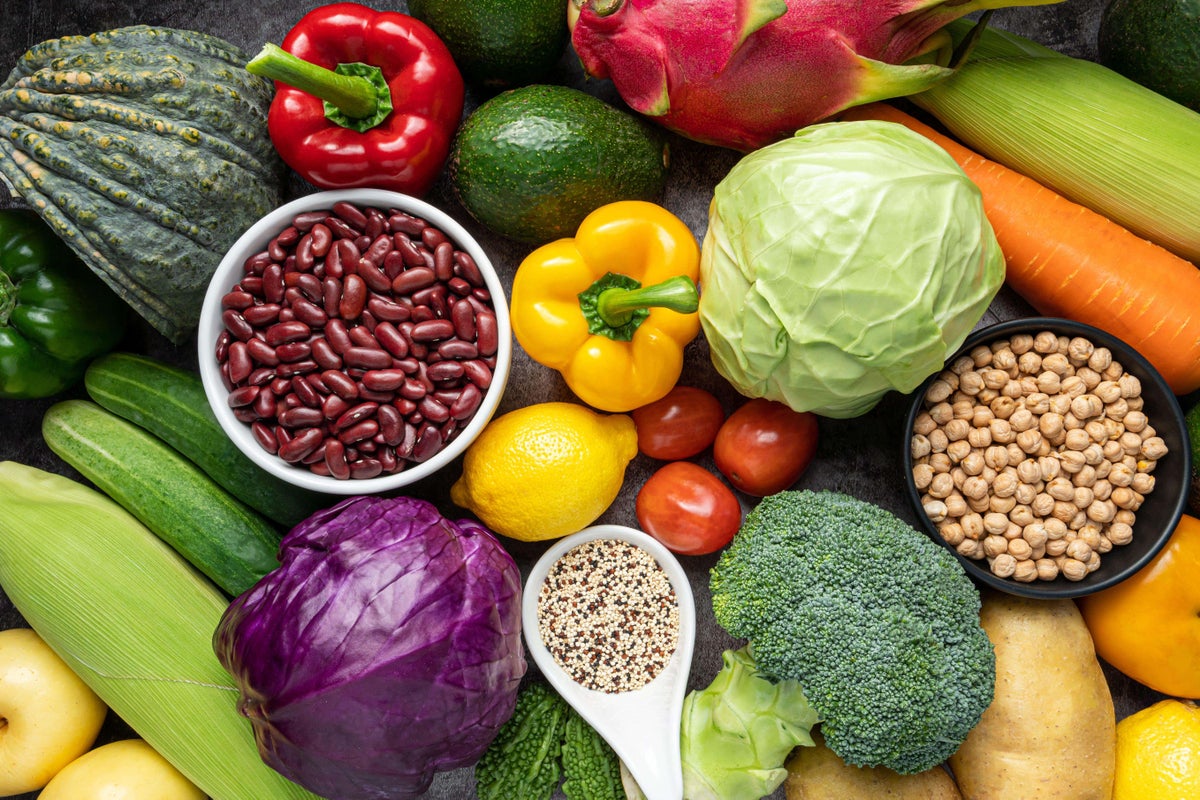
While protein dominated last year’s nutrition trends, with supermarket shelves packed with shiny new high-protein products, fibre is now taking centre stage as the viral “fibremaxxing” trend continues to gain momentum.
It’s part of a wider wave of “maxxing” trends taking over TikTok – from looksmaxxing to sleepmaxxing – all centred around self-optimisation.
Social media feeds are flooded with videos of content creators filling up their shopping baskets with fibre-rich foods under the hashtag #fibremaxxing, but does this latest wellness craze actually live up to the hype?
We spoke with Dr Linia Patel, registered dietitian and author of Life After Weight-Loss Medication (out June 25) and Food For Menopause, who explained what this fibre-focused trend is all about and shared some simple tips on how to boost your own fibre intake.
What is fibremaxxing?
“Fibremaxxing is this idea that you are consciously increasing the amount of fibre that you’re taking on board,” explains Patel.
The dietitian views this increasing attention to fibre as positive, as the vast majority of us don’t consume nearly enough of this essential component of a healthy diet.
“The UK’s National Diet and Nutrition Survey found that 96% of us don’t eat the recommended 30g of fibre a day that we need,” says Patel. “So, this fibremaxxing trend is all about encouraging people to get more fibre in their diet.
“Fibre has gained a lot of traction in recent years because we have realised that it’s gut bacteria’s favourite food.”
Fibre also plays an essential part in making your gut work normally.
According to the British Dietetic Association‘s (BDA) website, it increases good bacteria which supports your immunity against inflammatory disorders and allergies.
The website also states that a high-fibre diet seems to reduce the risk of chronic diseases such as cardiovascular disease, type 2 diabetes and bowel cancer.
What are the different types of fibre?
Soluble and insoluble fibre are the two main types of dietary fibre.
Patel explains that soluble fibre dissolves in water.
“Oats, blueberries and mushrooms have a certain texture which is slightly slimy which is a characteristic of soluble fibre,” says the dietitian. “However, things like the peel of an apple or the husk of seeds on wholegrain bread that have a more rigid structure are sources of insoluble fibre.
“You need to eat a variety of both insoluble and soluble fibre to get the best gut health.”
What are the consequences of not eating enough fibre?

“In the short term, you will feel hungrier and will have blood sugar cravings if you don’t eat enough fibre,” says Patel. “This is because fibre is a rebel nutrient because we as humans don’t digest it which means that it’s left over for the gut bacteria to break down, so the more fibre you have on your diet, the fuller you feel overtime.
“Fibre really helps with the feeling of fullness, energy and weight management.
“In addition, women that don’t eat a lot of fibre can experience poor hormonal control because we know that gut bacteria is involved in hormonal control as well.”
Here are some easy ways to increase your fibre intake…
Think about variety as well as quantity
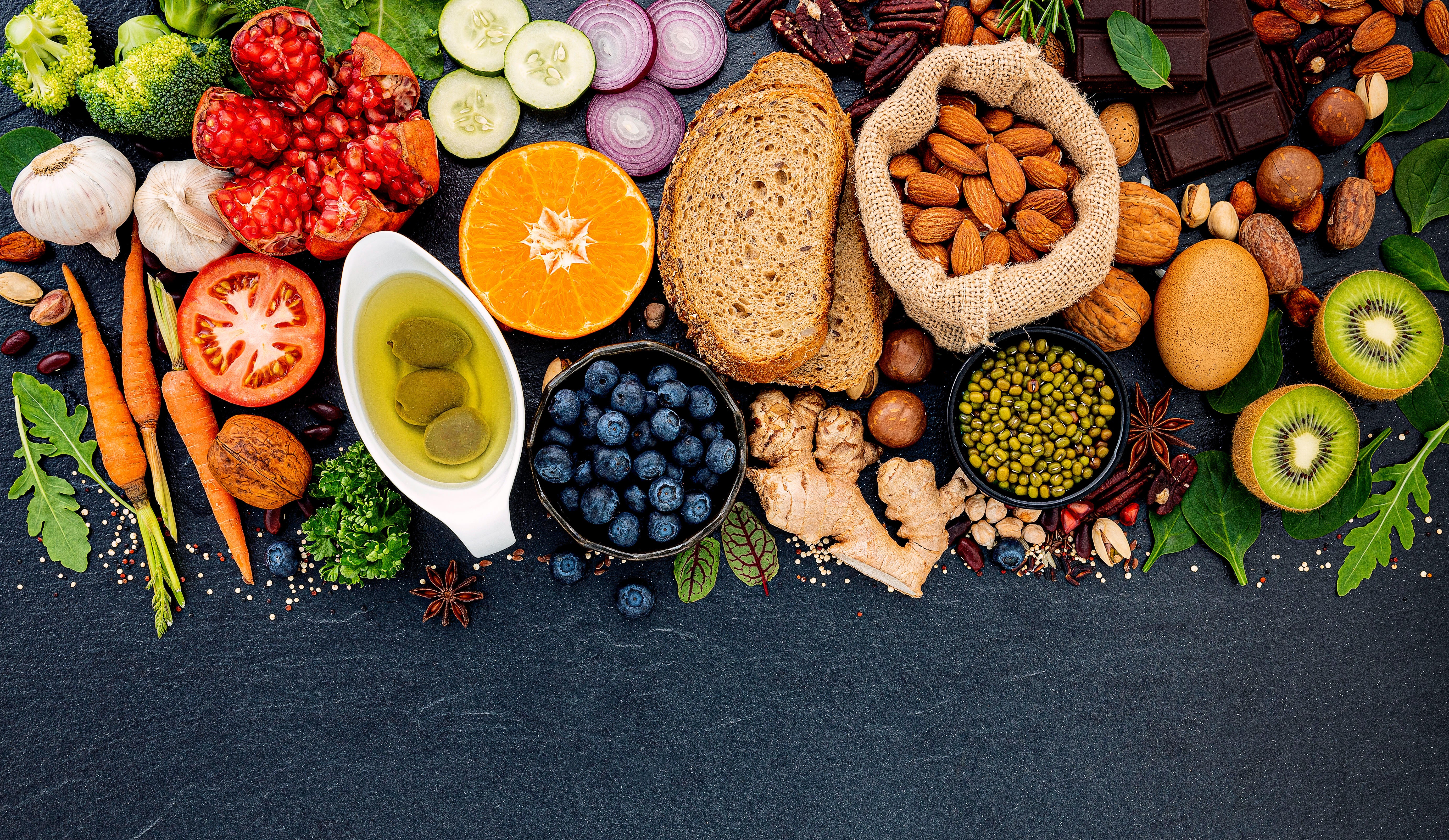
“It’s not just about fibremaxxing and increasing the number of fibre sources, we also need to think about the different types and variety of fibres that we consume,” says Patel.
Go for wholegrain varieties of carbohydrates
“If you tend to buy light varieties of carbohydrates, go for the wholegrain varieties or seeded varieties because that will automatically help get more fibre into your diet,” says Patel.
Prioritise whole foods
“The big things that add bang for your buck are beans, lentils and wholegrains,” says Patel. “Think about how you can add more beans and lentils into your diet. For example, you could blend beans into a tomato sauce for a pasta or add a tablespoon of beans into a salad.”
Sprinkle sources of fibre onto your food

“If you have a jar of mixed nuts and seeds in your kitchen, sprinkle them onto your breakfast or onto your salad at lunchtime,” recommends Patel.
Increase your intake gradually
“With fibre it’s more of a marathon than a sprint,” says Patel. “You don’t want to go from eating 19g to 30g overnight, because it takes time for your body to adjust to it.
“If you eat too much too quickly that can cause a lot of bloating and gas which can be really uncomfortable. So, I would recommend starting by picking one meal you love and finding a way to add more sources of fibre to it.”
Drink lots of water

“Make sure that you’re drinking lots of water, because the more fibre you eat, the more water you need to help your body utilise that fibre in a positive way,” says Patel.