WASHINGTON (Reuters) - Senate Republican leaders released on Thursday a revised plan to dismantle the Obamacare law, but it drew criticism from senators on both sides of the political divide within the Republican party, indicating a treacherous path for the bill.
The bill played to the party's disparate factions by letting insurers sell cheap, bare-bones policies while retaining taxes on the wealthy.
But the immediate outcry illustrated the difficult political terrain that U.S. Senate Majority Leader Mitch McConnell must navigate. He is under pressure by President Donald Trump to pass a healthcare bill and make good on Republicans' seven-year mission to gut Democratic former President Barack Obama's signature legislative achievement.
"The American people deserve better than the pain of Obamacare. They deserve better care. And the time to deliver that to them is next week," McConnell said.
In addition to the criticism from some senators, a major hospital association and one large insurer said the measure falls short in critical areas.
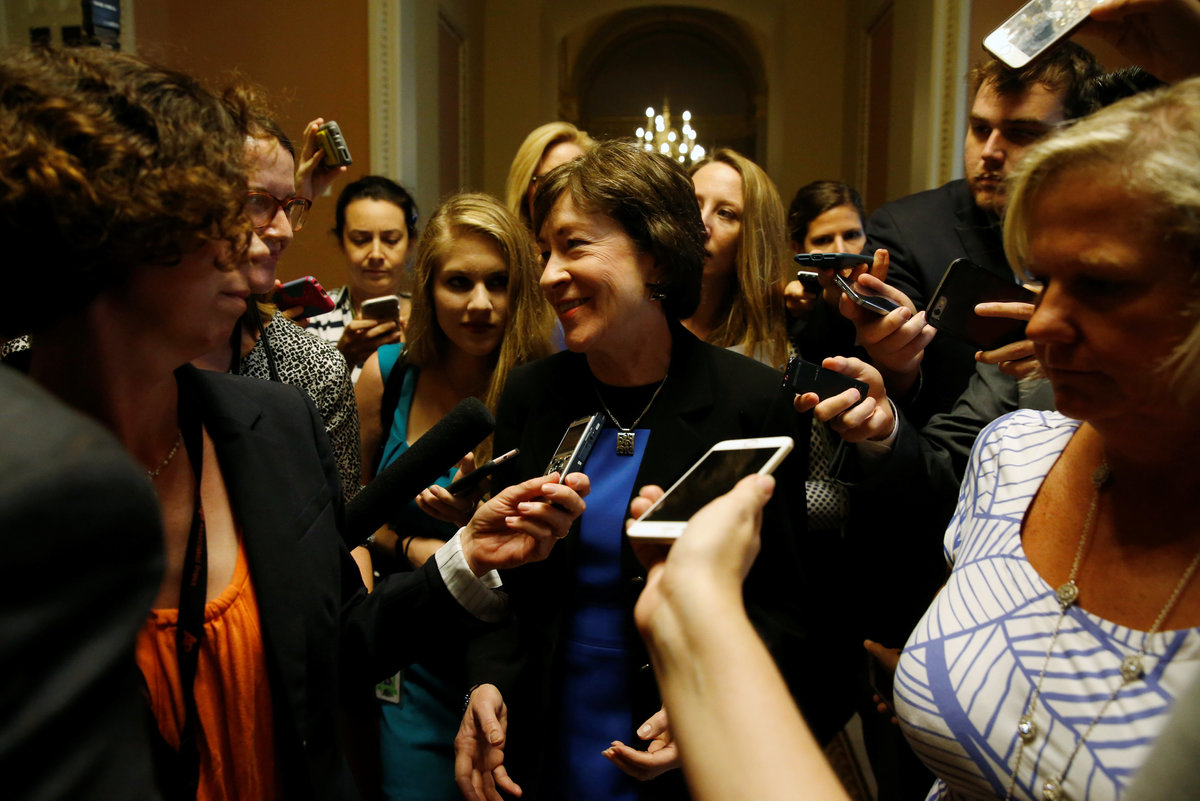
With Democrats united against it, McConnell cannot afford to lose more than two Republican senators to win passage. But moderate Susan Collins and conservative Rand Paul voiced opposition to even bringing the new plan up for debate.
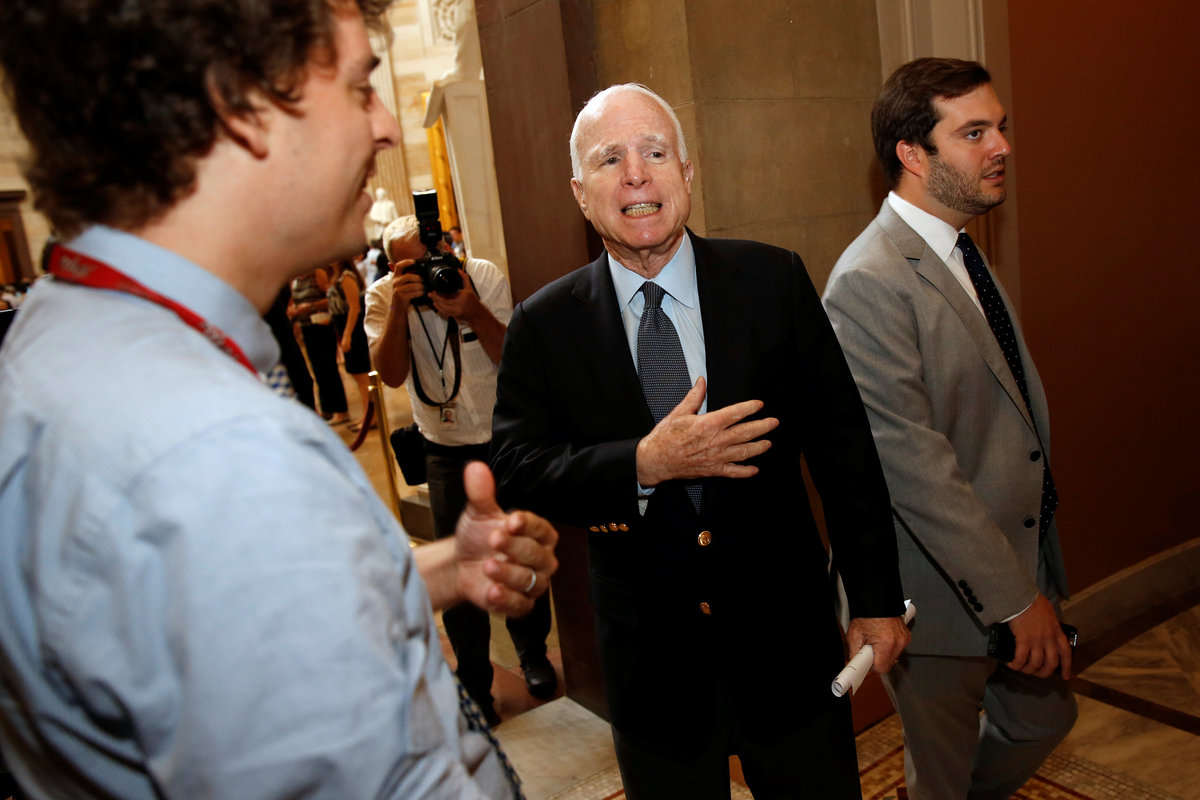
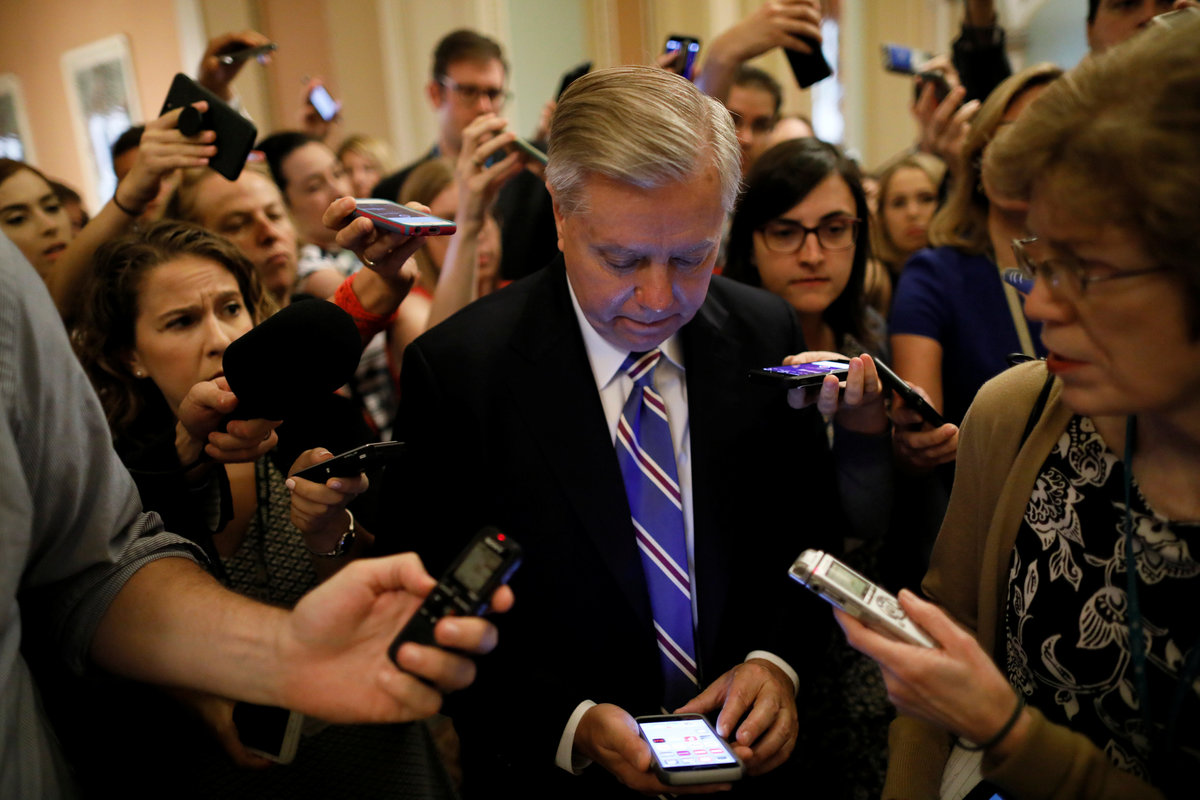
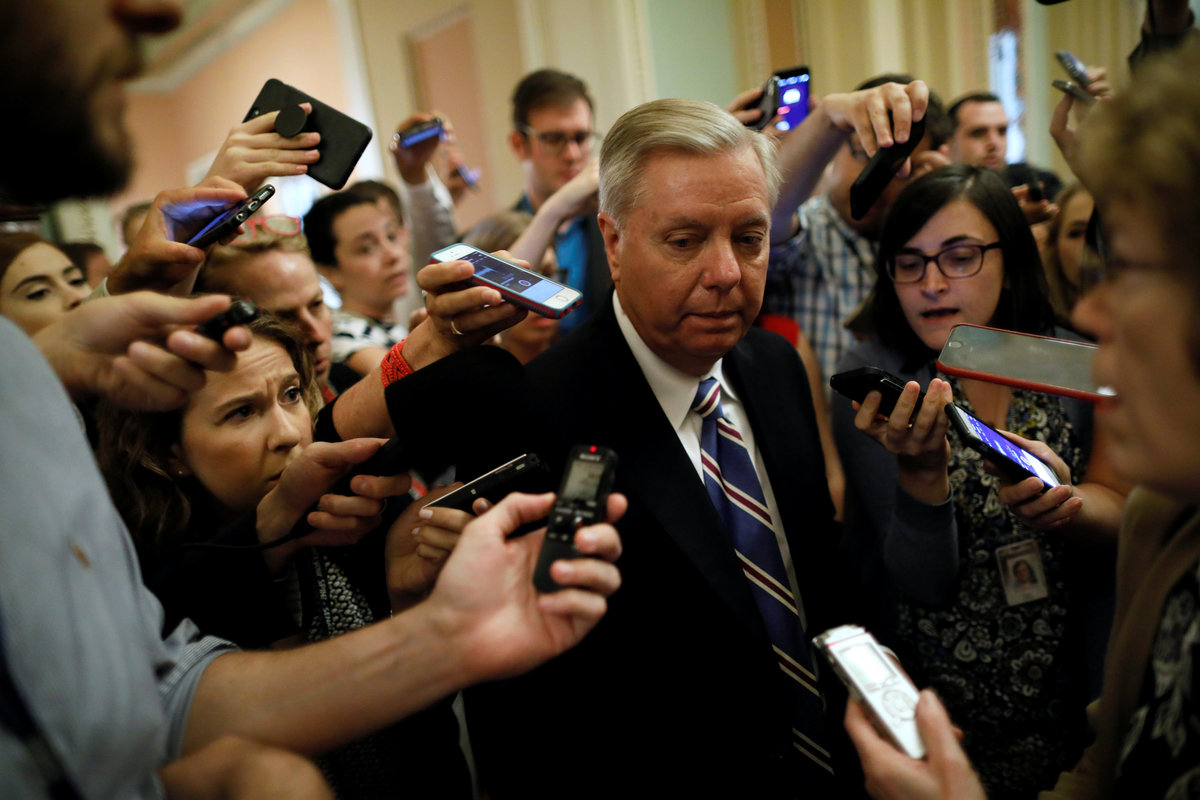
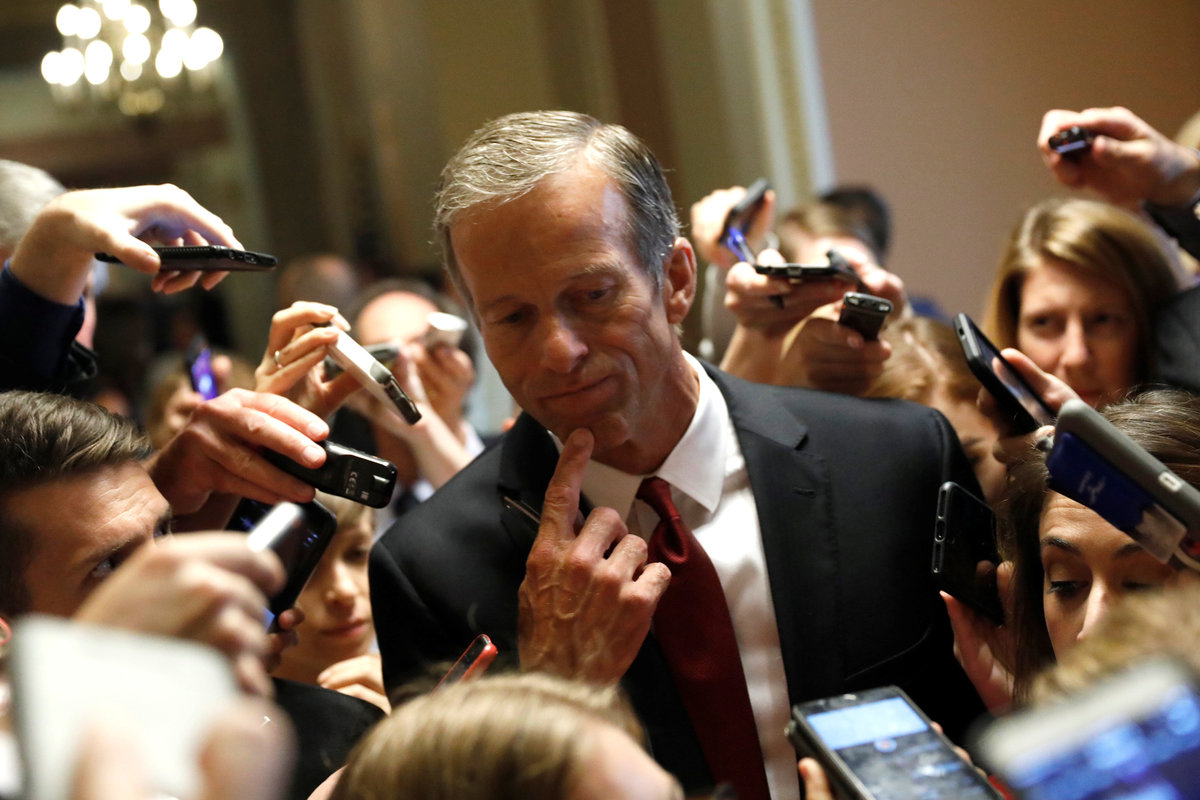
Several senators said they had concerns about the legislation, particularly its Medicaid cuts, including Shelley Moore Capito, Rob Portman and John McCain. And two other Republican senators, Lindsey Graham and Bill Cassidy, complicated matters by announcing an alternative plan.
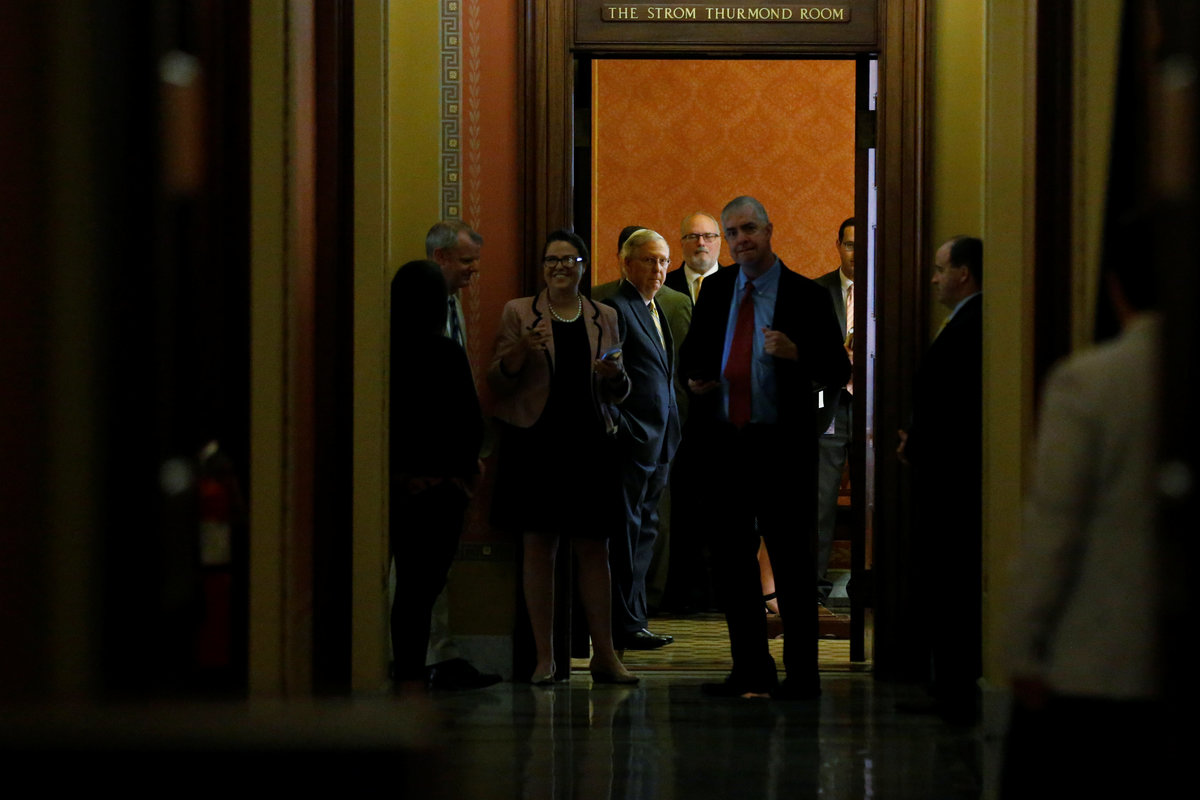
McConnell, a skillful tactician who was forced two weeks ago to scrub a planned vote on an earlier version opposed by both moderates and hard-line conservatives in his party, has planned for a vote on the retooled bill next week.
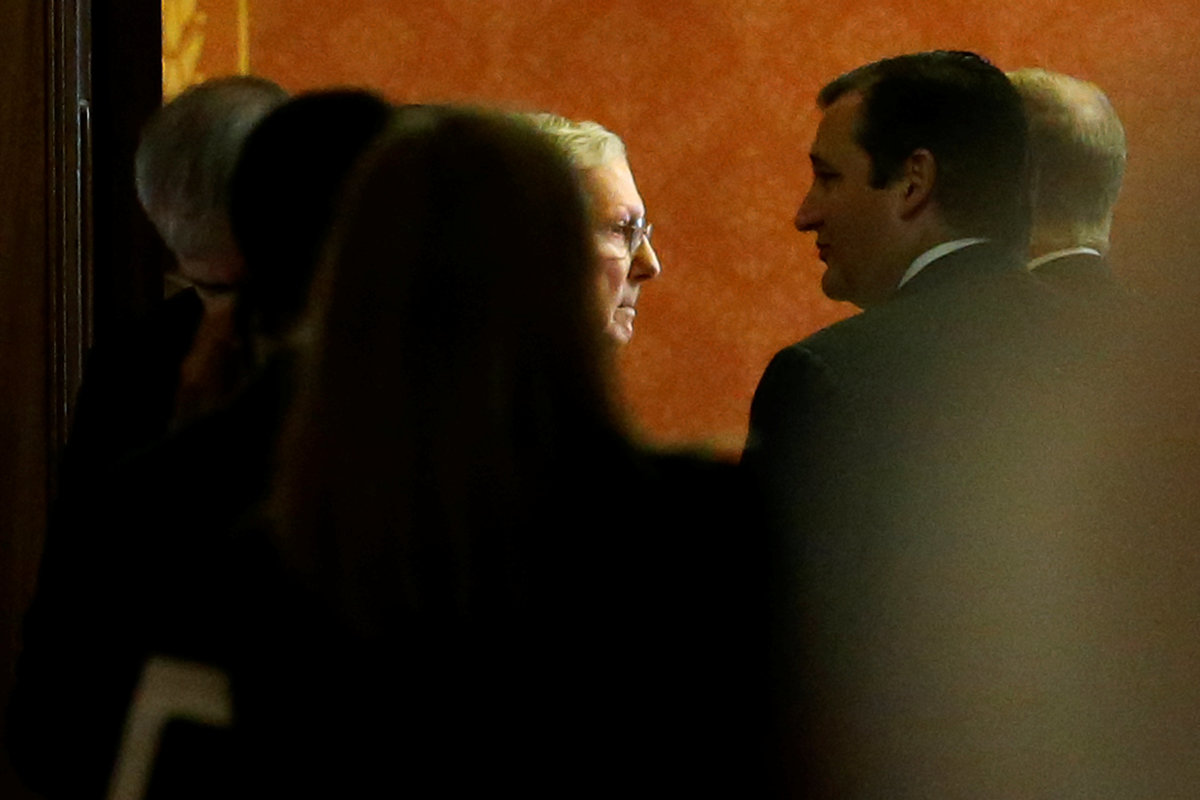
The continuing lack of consensus among Republicans on what to do with Obamacare after calling for its demise since 2010 shows that it is no sure thing that Trump's party will be able to get the job done.
Healthcare is Trump's first major legislative initiative. Failure would call into question his party's ability to govern despite controlling both chambers of Congress and the White House.
"SKINNY PLANS"
The measure represents a retreat from long-standing Republican aspirations to dump Obamacare-related taxes.
It retains two taxes on the wealthy that helped pay for the Obamacare law that the previous version would have repealed, and also keeps Obamacare's limits on corporate tax deductions for executive pay in the health insurance industry.
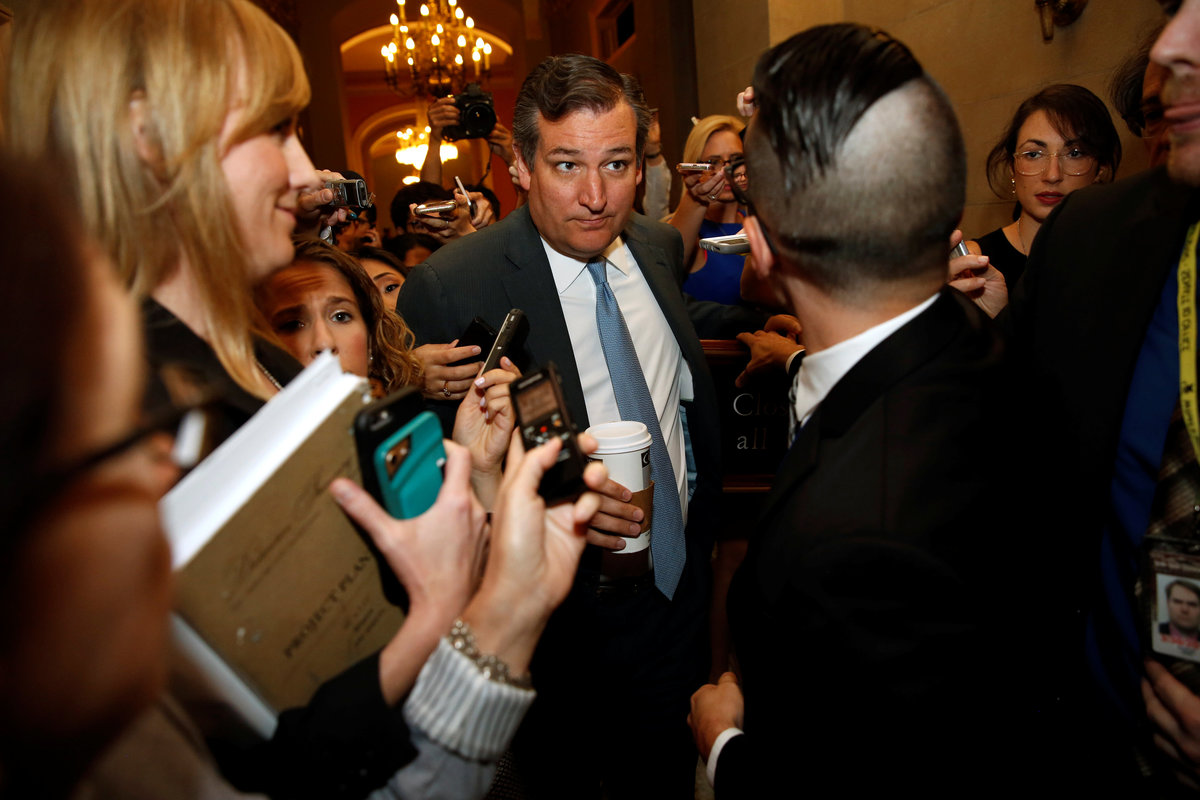
The bill included a provision allowing insurers to offer stripped-down, low-cost healthcare plans - a measure proposed by Senator Ted Cruz to try to win over holdout conservatives.
These "skinny plans" would not have to cover the broad benefits mandated under Obamacare like maternity and newborn care, mental health services and addiction treatment, outpatient care, hospitalization, emergency room visits and prescription drugs.
Insurer groups, including the national Blue Cross Blue Shield Association, have derided the skinny plans, saying they would raise insurance premiums, destabilize the individual insurance market and undermine protections for pre-existing medical conditions. Moderate senators could balk at the provision for the same reasons.
The new bill provides an additional $70 billion to help stabilize the individual insurance market on top of the $112 billion in the original bill to help insurers slow growth in premium costs and help lower-income insurance holders cover out-of-pocket medical expenses.
The bill would phase out the Obamacare expansion of the Medicaid government health insurance program for the poor and disabled, and includes sharp cuts to federal Medicaid spending beginning in 2025.
Moderate Republicans were spurned in their desire to see a reduction in Medicaid cuts in the revised version.
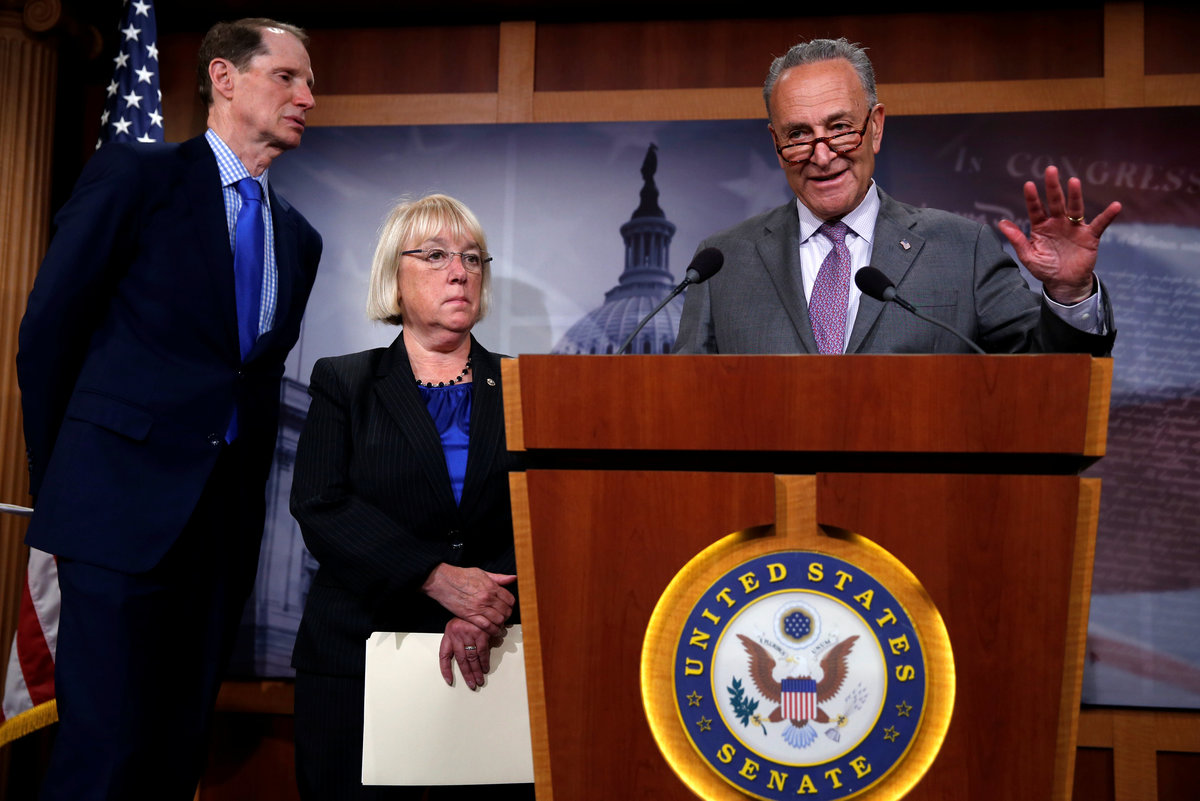
Critics said despite some changes to coax wavering senators, the revised bill's core remains unchanged: restructuring and cutting the critical Medicaid social safety-net program, taking away insurance from millions of Americans and driving up healthcare costs for millions of the most vulnerable Americans, especially older people and the sick.
The revamped bill contains a provision that appears to be aimed at winning over Senator Lisa Murkowski of Alaska, a moderate who had opposed the original bill. It would funnel additional money to states that have higher insurance premiums – at least 75 percent above the national average. Alaska is the only state with premiums that high, Senate aides said.
"UNACCEPTABLE FLAWS"
Hospital and insurer groups have spoken out against the Senate Republican approach, particularly proposed Medicaid cuts. The cuts would result in lower revenues for hospital companies like Community Health Systems Inc and Medicaid insurance specialists like Molina Healthcare and Centene Corp.
Molina Healthcare, which has more than 1 million customers on the Obamacare individual exchanges and manages Medicaid health programs, said the changes would leave insurers competing for the least risky customers and would make plans for sick people unaffordable.
The American Hospital Association said the new version of the bill retained the "unacceptable flaws" of the previous version.
"Instead of merely putting forth an update, we again call on the Senate to put forth an upgrade," Rick Pollack, president of the association, said in a statement.
Healthcare stocks were mostly unmoved by the announcement, as Wall Street analysts described the core of the revised bill as largely unchanged from the earlier one.
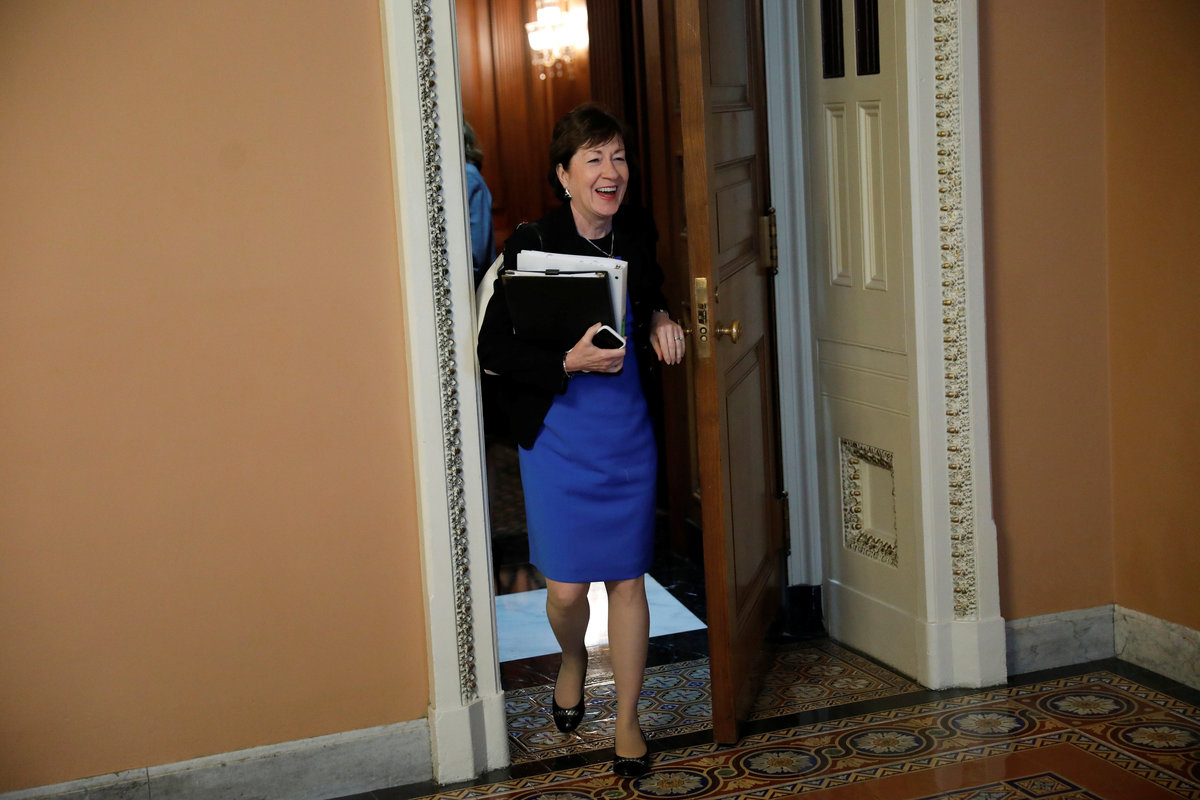
The new bill includes another $45 billion for fighting the opioid addiction epidemic, on top of the $2 billion in the earlier version.
The nonpartisan Congressional Budget Office, which forecast that the previous version would have increased the number of Americans without health insurance by 22 million by 2026, is due to evaluate the new bill in coming days.
The Affordable Care Act, dubbed Obamacare, expanded health insurance coverage to some 20 million people, in large part by expanding Medicaid.
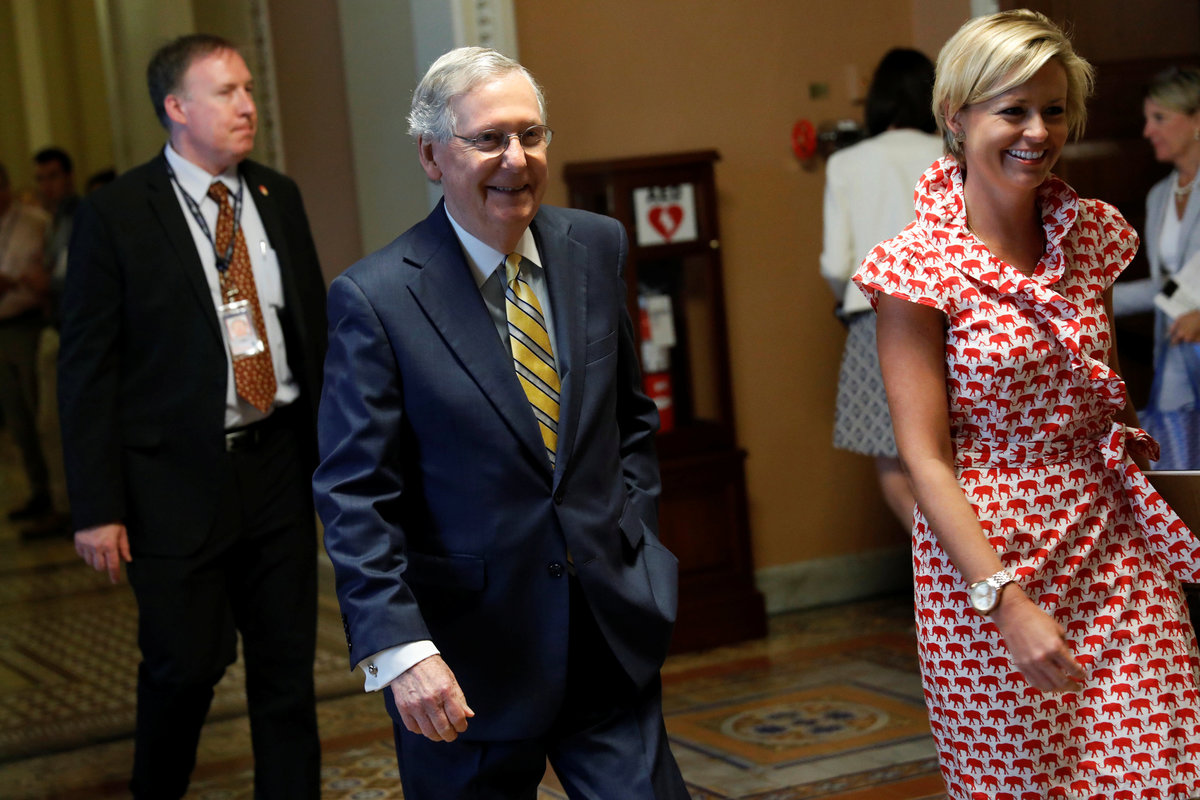
The House of Representatives on May 4 passed its own version of healthcare legislation.
Republicans have a 52-48 Senate majority, with Vice President Mike Pence able to cast a potential tie-breaking vote. Any bill passed by the Senate would have to go back to the House for approval.
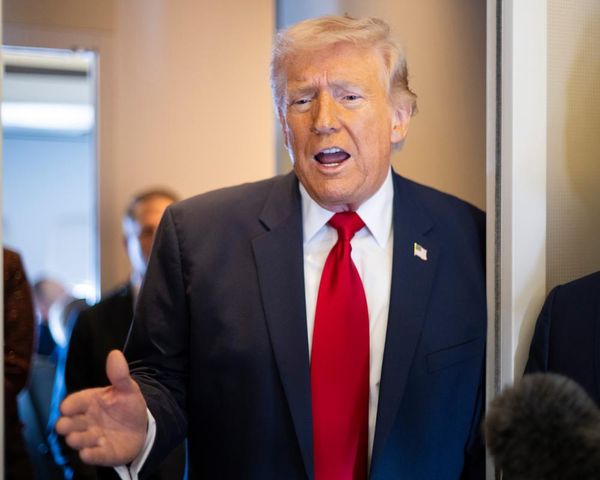
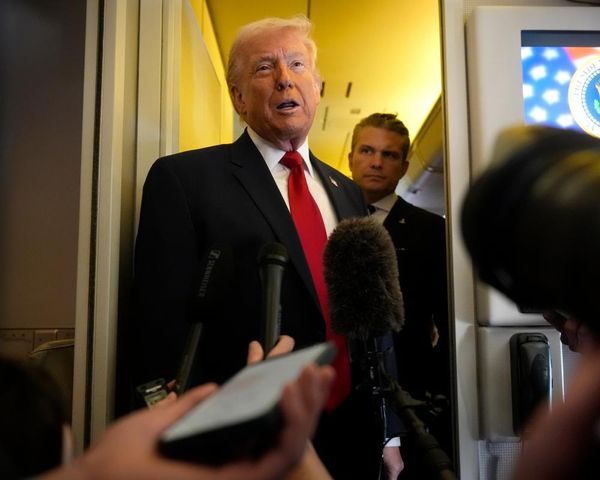
Repealing and replacing Obamacare, which Republicans fault as a costly government intrusion into the healthcare system, was a top campaign promise for Trump, who was monitoring the Senate developments during his visit to Paris.
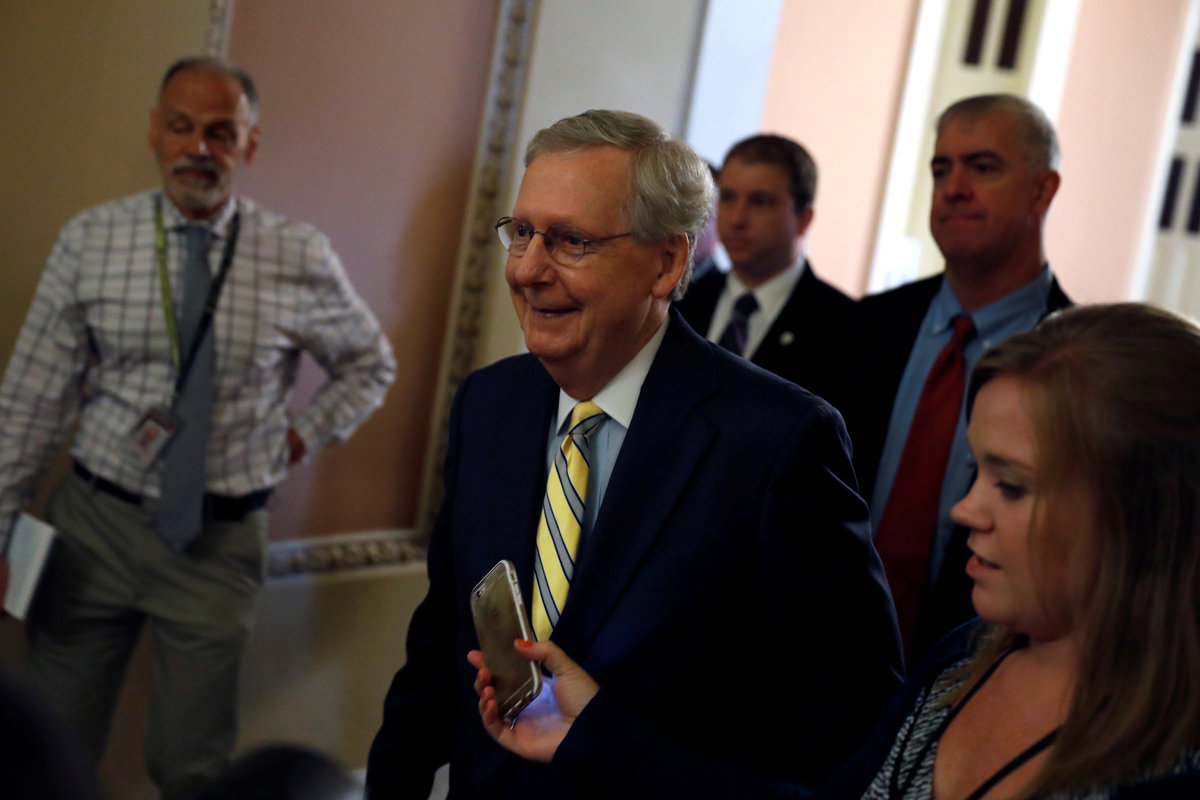
"I'd say the only thing more difficult than peace between Israel and the Palestinians is healthcare," Trump told reporters on his flight to Paris.
(Corrects 20th paragraph to show the bill applies to states with premiums at least 75 percent above the national average, not 75 percent of the national average)
(Additional reporting by Ayesha Rascoe, Yasmeen Abutaleb, Caroline Humer, Eric Walsh, Lewis Krauskopf and Richard Cowan; Writing by Will Dunham and Roberta Rampton; Editing by Jonathan Oatis and Leslie Adler)