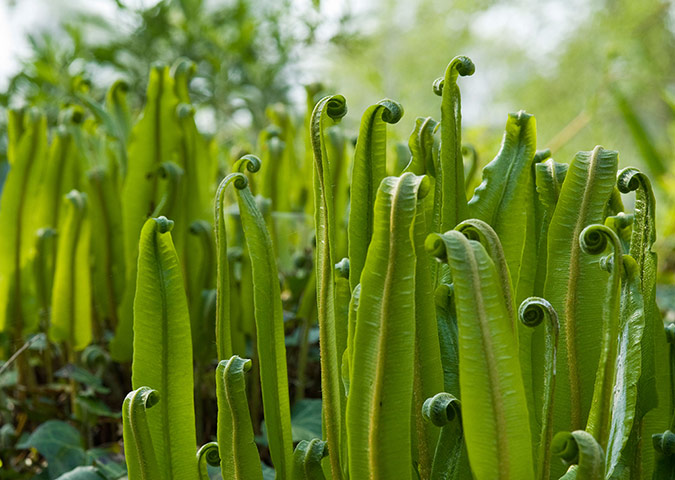
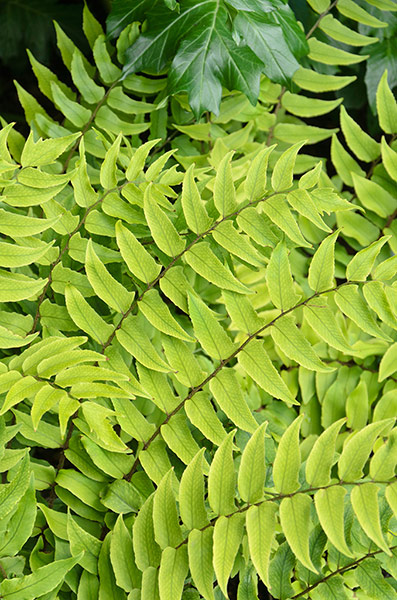
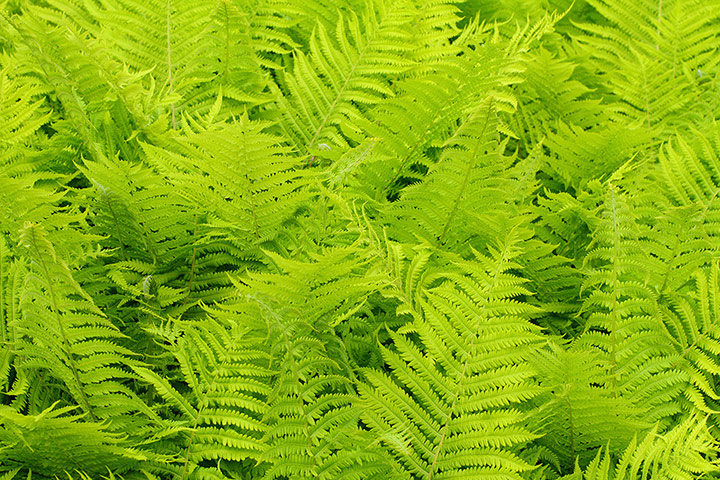
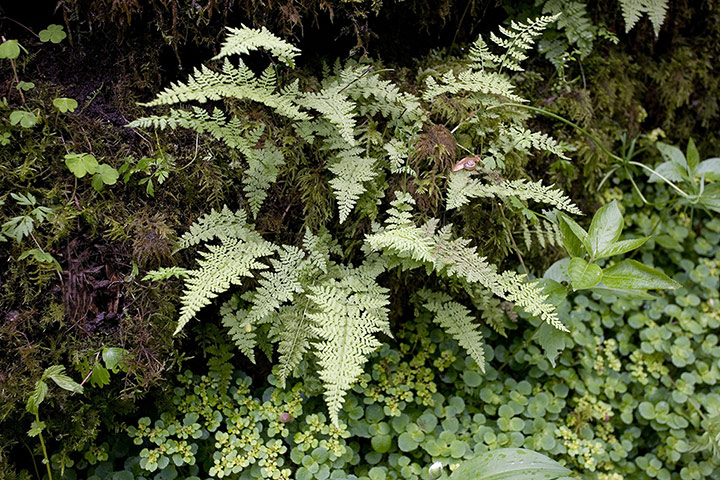
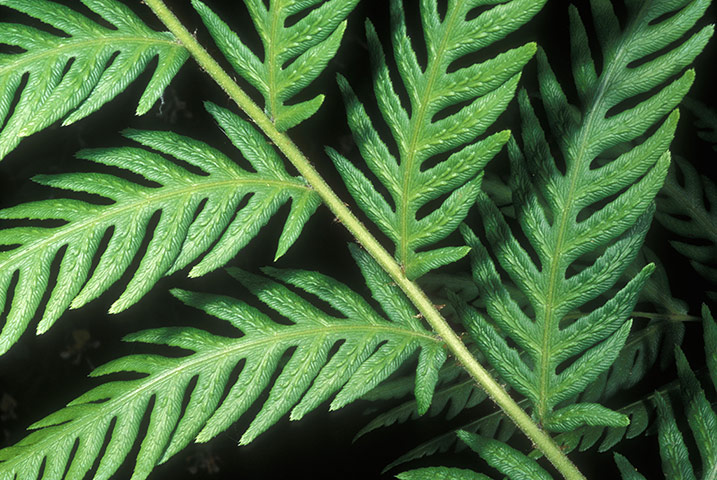
The hart's tongue fern (Asplenium scolopendrium) will thrive in both dry and damp spots in the garden.Photograph: flowerphotos/AlamyJapanese holly fern (Cyrtomium fortunei) (pictured above) loves a dry, dingy spot: Ambra Edwards recommends the variety 'Clivicola'. Photograph: Steffen Hauser/botanikfoto/AlamyThe male fern (Dryopteris filix-mas) (pictured above) is a UK native that prefers damp conditions. The variety 'Linearis Polydactyla' has elegant, skeleton-like fronds.Photograph: shapencolour/Alamy
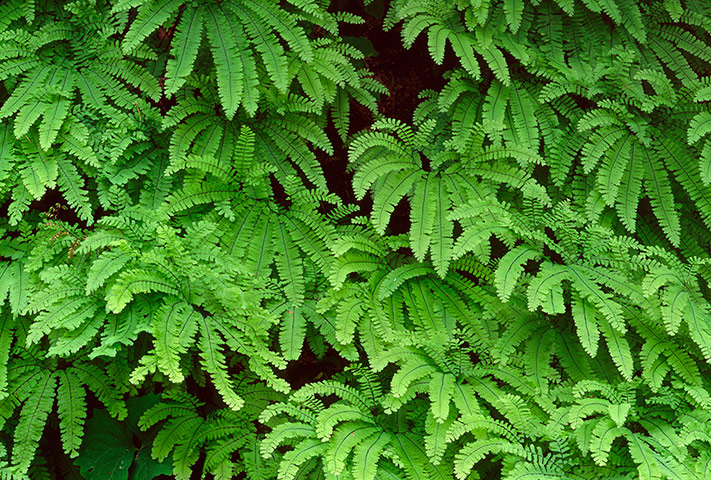
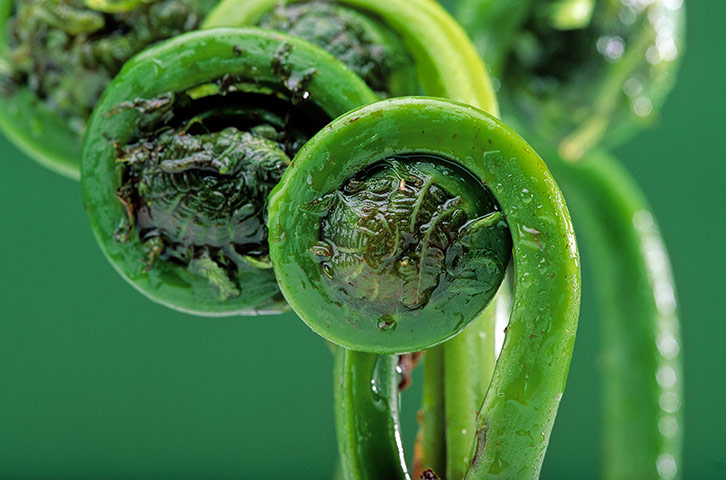
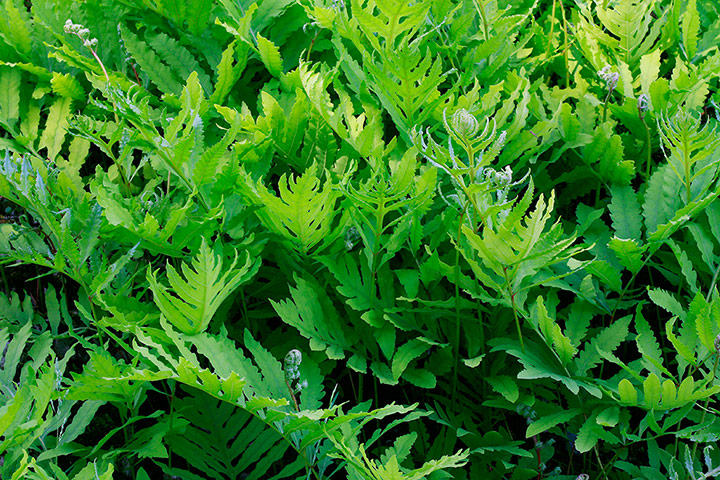
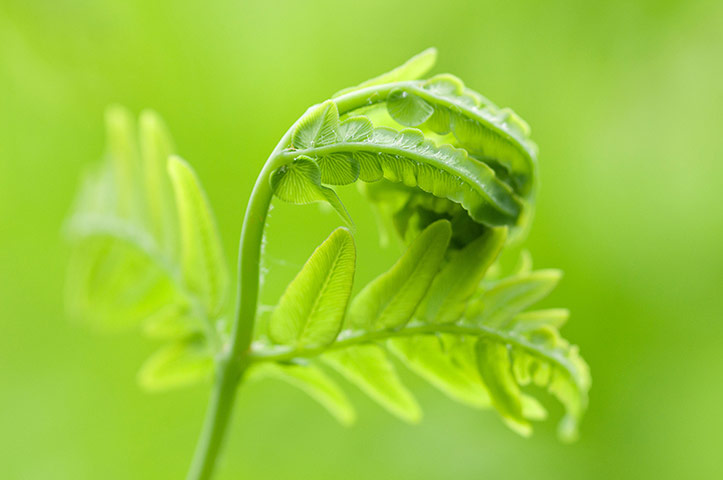
The hardy maidenhair fern (Adiantum aleuticum) will tolerate chalk, which ferns are said to dislike and makes a good neighbour for other star performers.Photograph: John Barger/AlamyScottish bladder fern (Cystopteris fragilis) is also tolerant of chalk and thrives in damp, dull corners.Photograph: Steve Taylor ARPS/AlamyThe giant chain fern (Woodwardia fimbriata) is slightly tender, and not the easiest fern to grow. But it is so utterly beautiful, especially when grown in a pot, that if you can give it the shade and shelter it requires, it is worth cosseting in the winter. Photograph: National Geographic Image Collection/AlamyThe shuttlecock fern (Matteuccia struthiopteris) spreads slowly by underground runners, making it ideal to colonise difficult wet areas.Photograph: All Canada Photos/AlamySensitive fern (Onoclea sensibilis) is a spreading fern that's ideal for hard-to-manage waterside areas, preferring neutral to acid soils.Photograph: CuboImages srl/AlamyThe gorgeous fuzzy fiddleheads of the royal fern (Osmunda regalis) uncurl into erect, airy fronds of light green, which turn butter-yellow, then russet, in autumn.Photograph: flowerphotos/Alamy
Sign up to read this article
Read news from 100’s of titles, curated specifically for you.