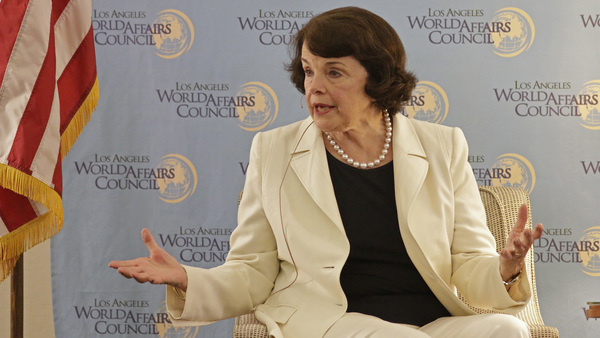
WASHINGTON _ California Sen. Dianne Feinstein is joining a growing number in Congress who are reconsidering their support for a bill that would allow families of 9/11 victims to sue Saudi Arabia over its alleged backing of the terrorists who committed the attacks.
Feinstein is a co-sponsor of the Justice Against Sponsors of Terrorism Act. The White House opposes the bill and has been lobbying senators, arguing it could prompt a diplomatic backlash and give other nations an excuse to sue American diplomats, service members and companies.
"I am having second thoughts about the bill because I think it launches a number of unforeseen happenings," said Feinstein, the top Democrat on the Senate Intelligence Committee.
Feinstein's office said Wednesday that she's re-examining the bill, which would prevent countries accused of terrorism on U.S. soil from claiming sovereign immunity from lawsuits.
The White House said senior members of the president's national security team are lobbying members of Congress like Feinstein who are "open to our position" on the bill.
It represents a significant turn for Feinstein, who was the lone Californian to co-sponsor the bill as it sailed through Congress this year and passed the Senate and the House of Representatives unanimously.
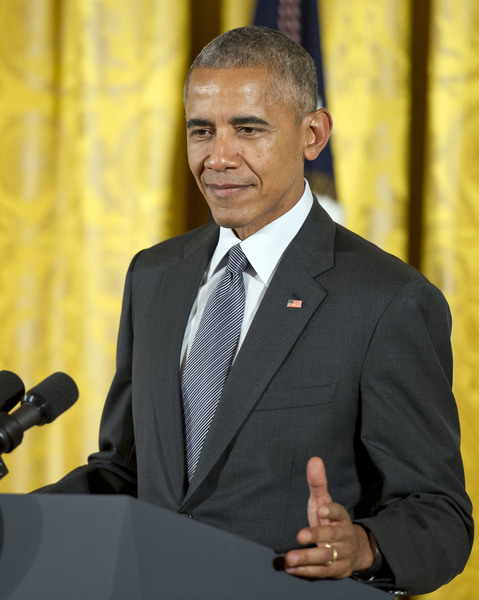
President Barack Obama plans to veto the bill this week, and the White House needs 34 senators to vote against overriding his veto.
California's junior senator, Democrat Barbara Boxer, however, has been resisting the White House despite her history of supporting Obama.
"She has already voted for the bill and her position hasn't changed," said Boxer spokesman Zachary Coile.
Other influential members of Congress, though, are wavering along with Feinstein. Sens. Lindsey Graham of South Carolina and Bob Corker of Tennessee, both key Republican voices on foreign policy issues, are attempting to delay the override vote.
House Minority Whip Steny Hoyer of Maryland, the second-ranking Democrat in the House, this week also expressed concern over "complex ramifications" if the measure becomes law.
Senate Majority Leader Mitch McConnell, R-Ky., though, told reporters at the Capitol on Tuesday that he thinks there are enough Senate votes to override the veto.
The president has until Friday night to veto the bill. White House spokesman Josh Earnest said it's a "steep climb" to drum up enough opposition to a veto override but he remains hopeful.
He suggested members of Congress privately admitted they agree with the president's concerns _ even if they are reluctant to publicly oppose the wishes of families of 9/11 victims.
"At some point, members of Congress will face a question about whether or not their vote that they cast in public reflects the views that they've articulated in private," Earnest said this week.
Earnest said the bill would weaken the 1976 law of sovereign immunity, which gives broad protection to foreign nations against lawsuits in American courts. Sovereign immunity also prevents foreign courts from prosecuting the United States, according to the White House.
"To pass a piece of legislation that would open up our diplomats and our service members and even American businesses to potential lawsuits in courts all around the world is foolish," Earnest said.
Families of 9/11 victims protested in front of the White House this week, accusing the Saudi government of aggressively lobbying the president and members of Congress.