Labor leader Anthony Albanese has talked down the federal implications of a bruising by-election in the NSW state seat of Upper Hunter.
Labor's primary vote plunged seven per cent in the coal-mining seat, with the National Party comfortably returned to power.
But Mr Albanese was keen to focus on areas like Muswellbrook, which is home to most of the electorate's coal miners, where Labor received a positive swing.
He also cautioned against drawing too many national conclusions from a state result, pointing to Labor's thumping win in the West Australian election.
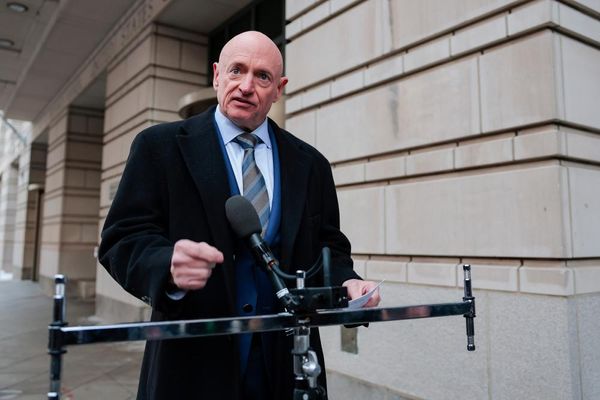
"Let's get a bit of perspective here, quite frankly," Mr Albanese told reporters on Monday.
"This is a seat that Labor has not held in the last nine decades at any time, at any time whatsoever.
"This is a seat whereby, frankly, a couple of elections ago we would have struggled to find people to hand out how-to-vote cards."
Mr Albanese said the National Party's primary vote in Upper Hunter had plummeted by 24 per cent in recent years, while Labor's primary was not that much to begin with.
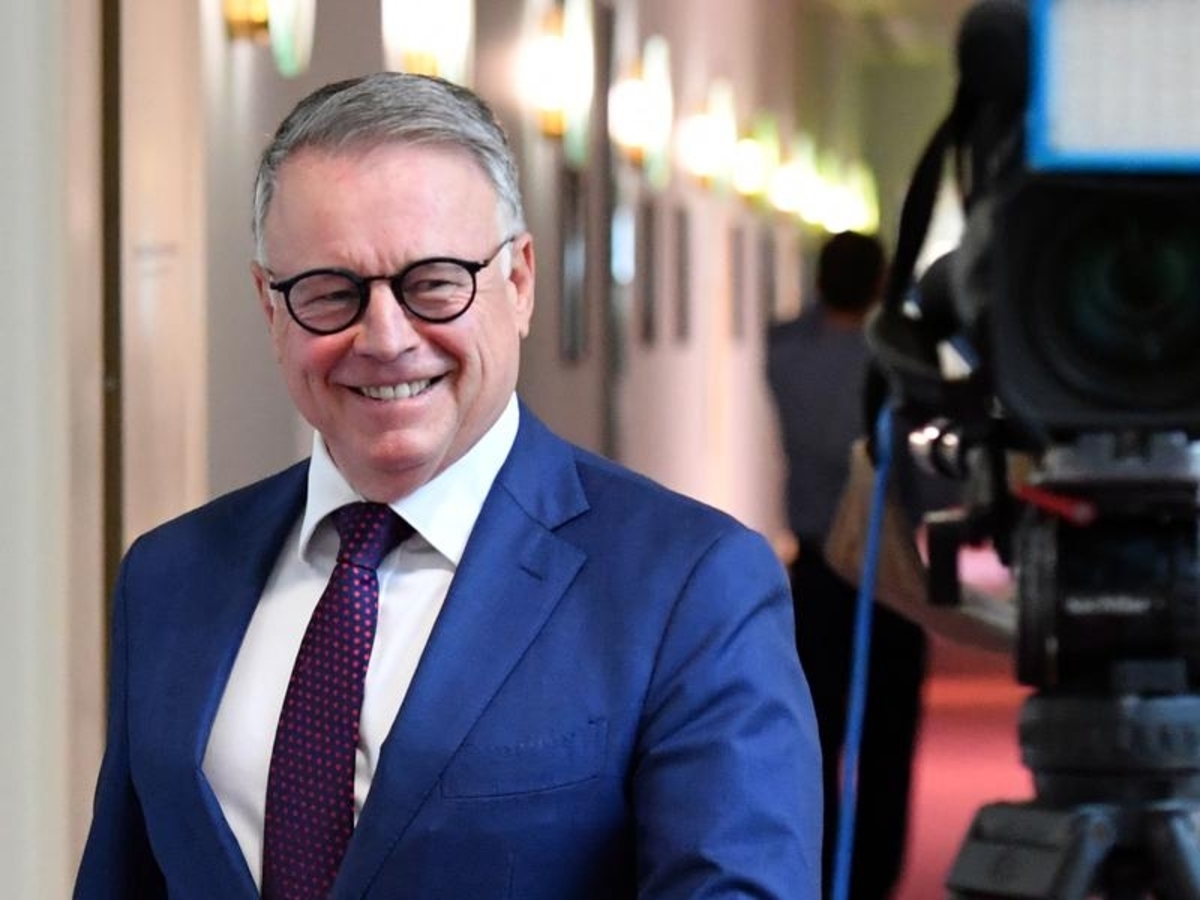
Joel Fitzgibbon, the federal member for the Hunter, said the result was devastating for the Labor Party.
Just one in five voters put Labor first on their ballot papers.
Mr Fitzgibbon warned Labor was on track to lose the next federal election unless the party changed its ways.
"When your supporters leave you it takes a long time and a lot of effort and you need to be very clear to win them back," Mr Fitzgibbon told 2GB radio.
"We have been at best whispering. We have tried to walk both sides of the fence on issues like work and on the other side, the environment. They're suspicious and sceptical.
"Federally, if Labor can't persuade not just mine workers but everyone in those regions whose jobs are dependent on mining, that we stand with them, you can expect a similar result whenever Scott Morrison goes to the polls."
Voters who deserted Labor did not go to the coalition, but rather independents and One Nation.
The Nationals only polled 31.4 per cent of the primary vote.
One in three voters were happy to ignore both major parties, siding with independents and minor parties instead.
This could have major implications for the Senate if the trend was replicated at the next federal election and could also deliver a much more diverse crossbench in the lower house.
Finance Minister Simon Birmingham cautioned against reading too much into the result.
"It was a state by-election and I would treat it as such," he said.
"It had a range of different factors at play and certainly many of them were very much local, very much state politics."
The coalition is expected to target the Labor-held seats of Hunter, Paterson and Shortland at the next federal election.
Senator Birmingham said it was far too soon to speculate on how many Hunter Valley seats the coalition could win.
"It's a long way away to start making those sorts of predictions but we will put up a strong fight in those regions," he said.
"They are regions which clearly have large numbers of working Australian families who want to know they've got a government that is with them and backing them."