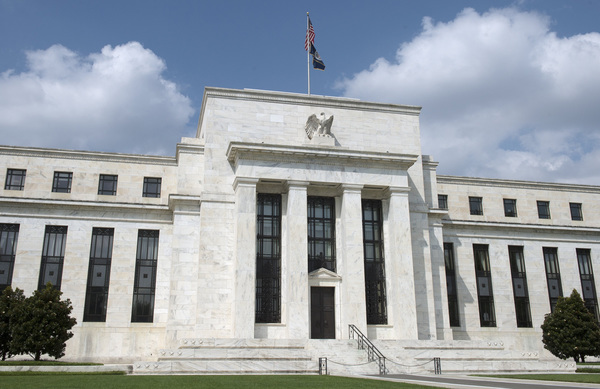
WASHINGTON _ Despite low inflation and a lot of uncertainties in the economic outlook, Federal Reserve Chair Janet Yellen said Wednesday that she sees the need for the central bank to keep making gradual interest rate increases in the next few years.
Yellen, in prepared remarks for two days of semi-annual testimony before lawmakers, did not tip her hand on when the next rate hike would come. The Fed has raised its benchmark interest rate three times since December, to a range of 1 percent to 1.25 percent.
Inflation, however, has been running well below the Fed's 2 percent target in recent months, leading some analysts to argue that the policymakers should hold off on hiking rates. Yellen has attributed the lower-than-expected reading on inflation to price reductions in certain categories, such as wireless service plans and prescription drugs.
In her statement, Yellen also did not shed more light on the timing of the Fed's previously announced plans to shrink its $4.5 trillion holdings of U.S. Treasury and other securities that were bought in response to the 2008 financial crisis in an effort to drive down long-term interest rates and stimulate the economy.
Yellen and her colleagues have said the Fed would begin winding down its portfolio of assets this year but haven't specified when it would start. A shrinking of its balance sheet, like raising interest rates, is aimed at eventually normalizing monetary policy and removing the extraordinary Fed support provided over the last decade.
Yellen on Wednesday and Thursday could be making her final appearance before Congress as the Fed chair. Her term expires early February, and it is likely that she will not seek a second term or that President Trump will nominate someone else.
Yellen's prepared remarks offered a fairly upbeat assessment of the economy. She said economic growth had rebounded after the sluggish first quarter, thanks to a pickup in household spending amid continued job gains and favorable consumer sentiment. Business investment has turned up this year, she said, and stronger economic growth abroad has helped U.S. manufacturing and exports.