Fears at Nile's convergence in Sudan that new dam will sap river’s strength
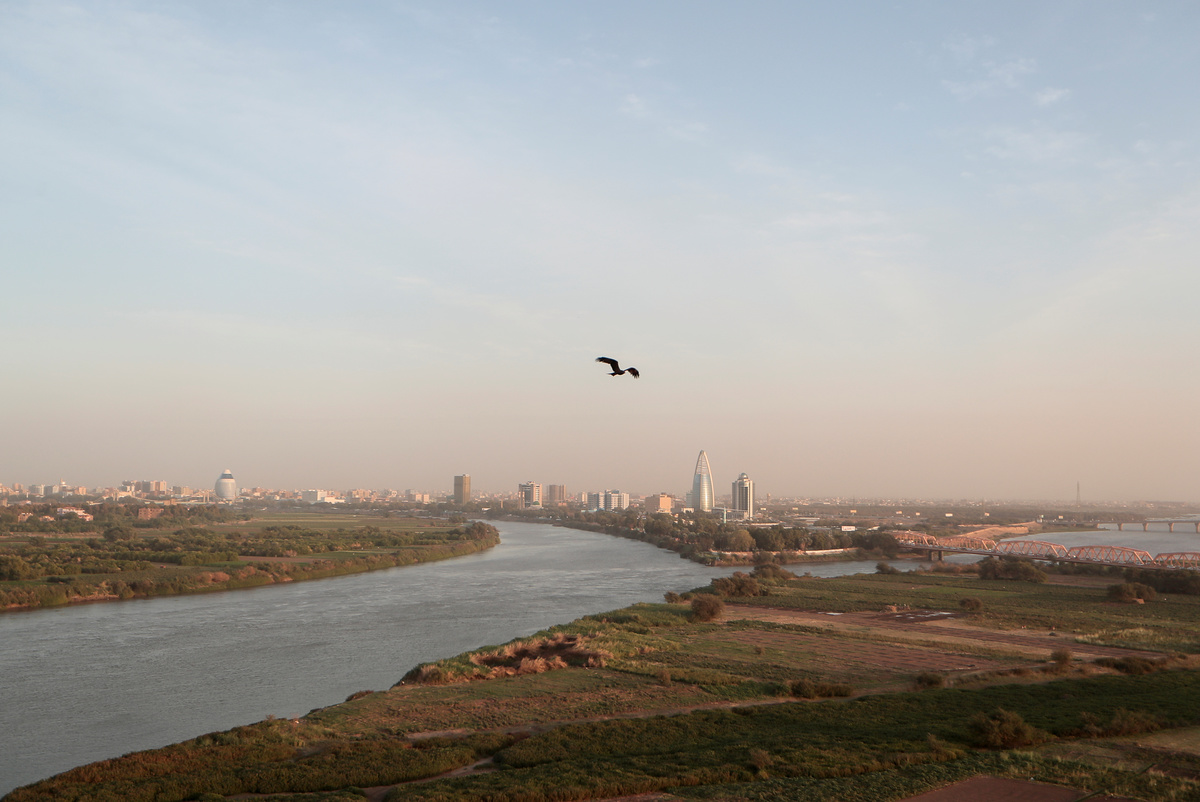
A bird flies over the convergence between the White Nile river and Blue Nile river in Khartoum, Sudan, February 17, 2020. REUTERS/Zohra Bensemra
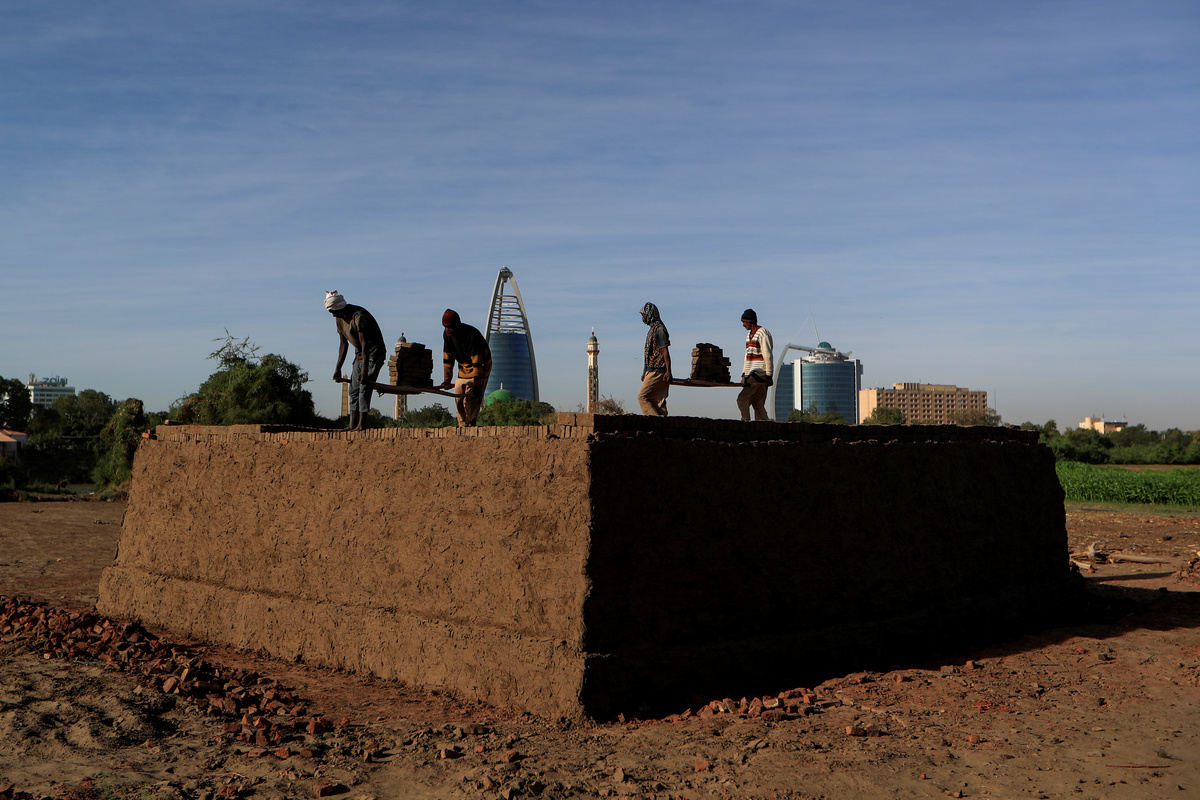
At an open-air, riverbank factory where the Blue Nile and White Nile meet in Sudan, Mohamed Ahmed al Ameen and his colleagues mould thousands of bricks every day from mud deposited by summer floods.
"I consider the Nile something I have not parted with since I was born," Ameen said, as workers around him shaped bricks with blistered hands and laid them out to dry in the sun. "I eat from it, I farm with it. And I extract these bricks from it."
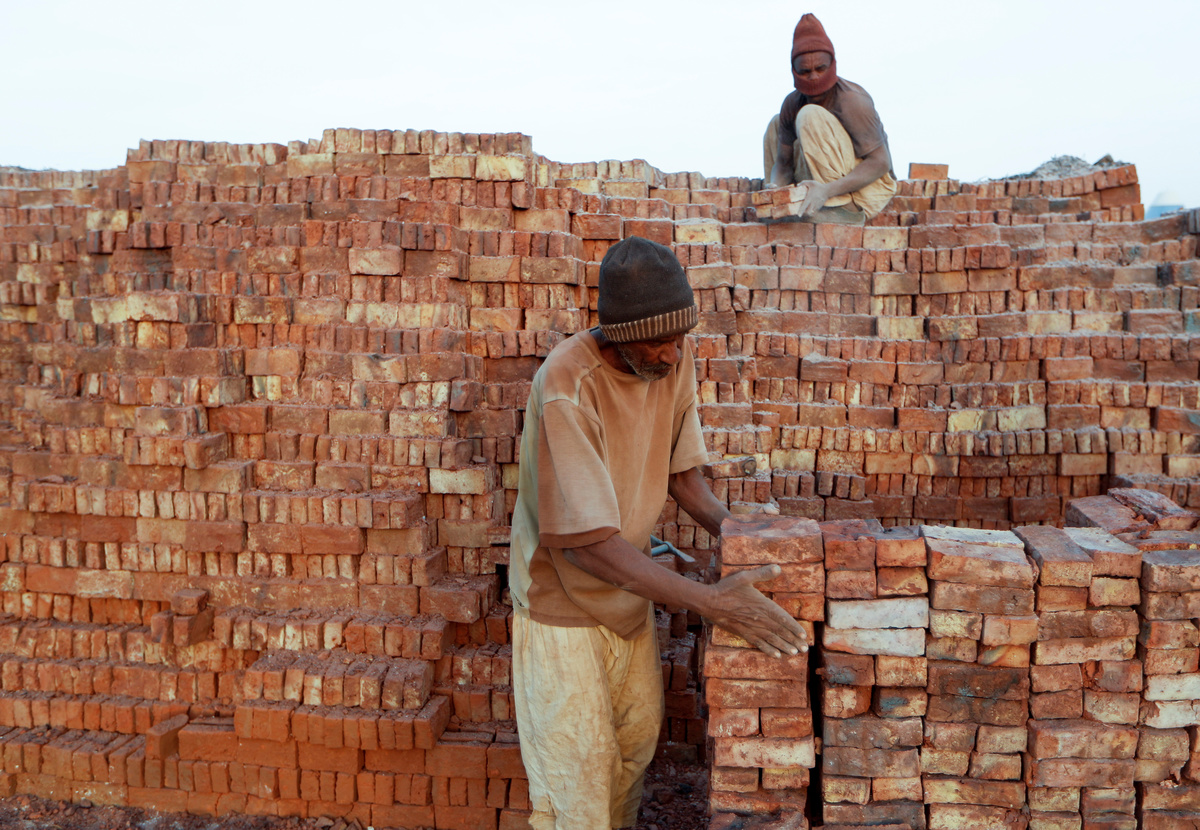
Mohamed Ahmed al Ameen (L), 55, and Mustapha (R), 60, who are both brick makers, prepare bricks to be fired in a kiln at an open-air factory on Tuti Island, Khartoum, Sudan, February 12, 2020. REUTERS/Zohra Bensemra
But the labourers on Tuti Island in Sudan's capital Khartoum fear a giant dam Ethiopia is building close to the border between the two countries could endanger their livelihood.
They worry the Grand Ethiopian Renaissance Dam upstream could weaken the Blue Nile's force, putting at risk an industry that locals say provided bricks for some of Khartoum's first modern public buildings around a century ago.
Pottery makers, farmers and fishermen around the Nile's convergence share similar concerns, though other residents displaced by flooding last summer see benefit in a dam that will regulate the powerful river's waters.
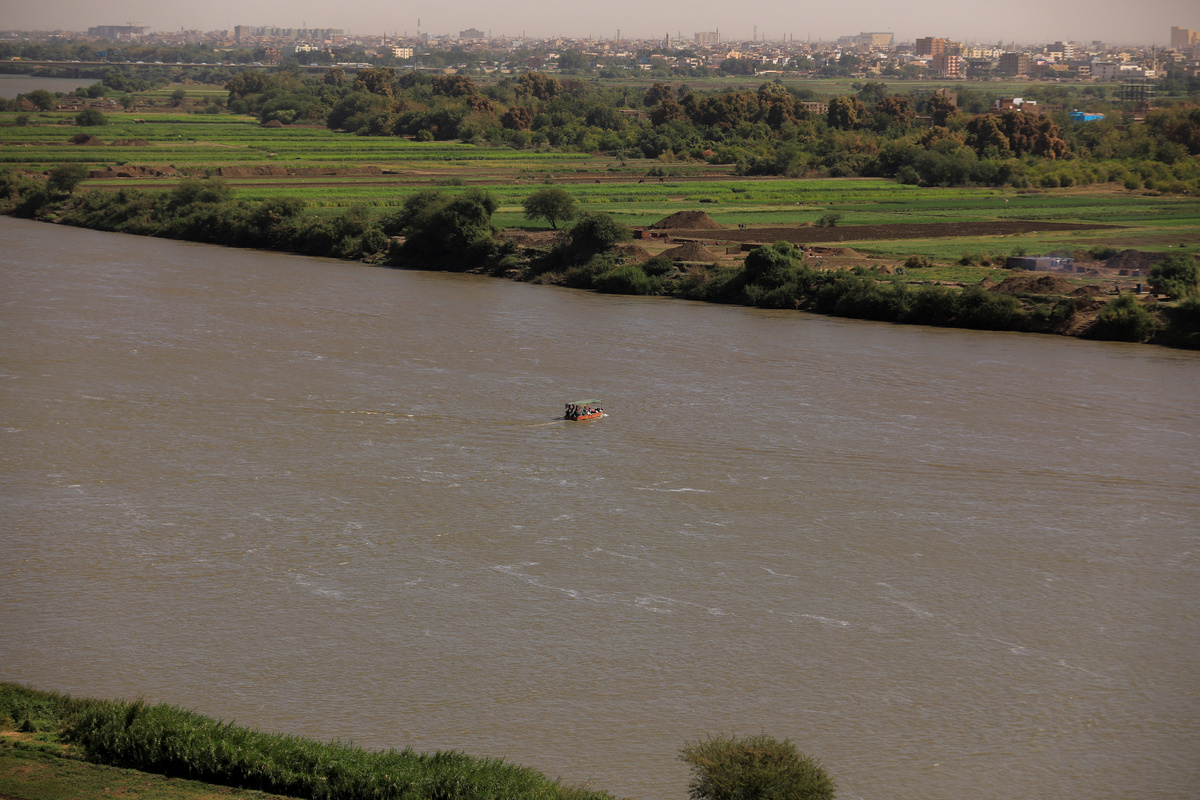
A group of people sail across the Nile river as they travel from Omdurman to Tuti Island on a taxi boat in Khartoum, Sudan, February 17, 2020. REUTERS/Zohra Bensemra
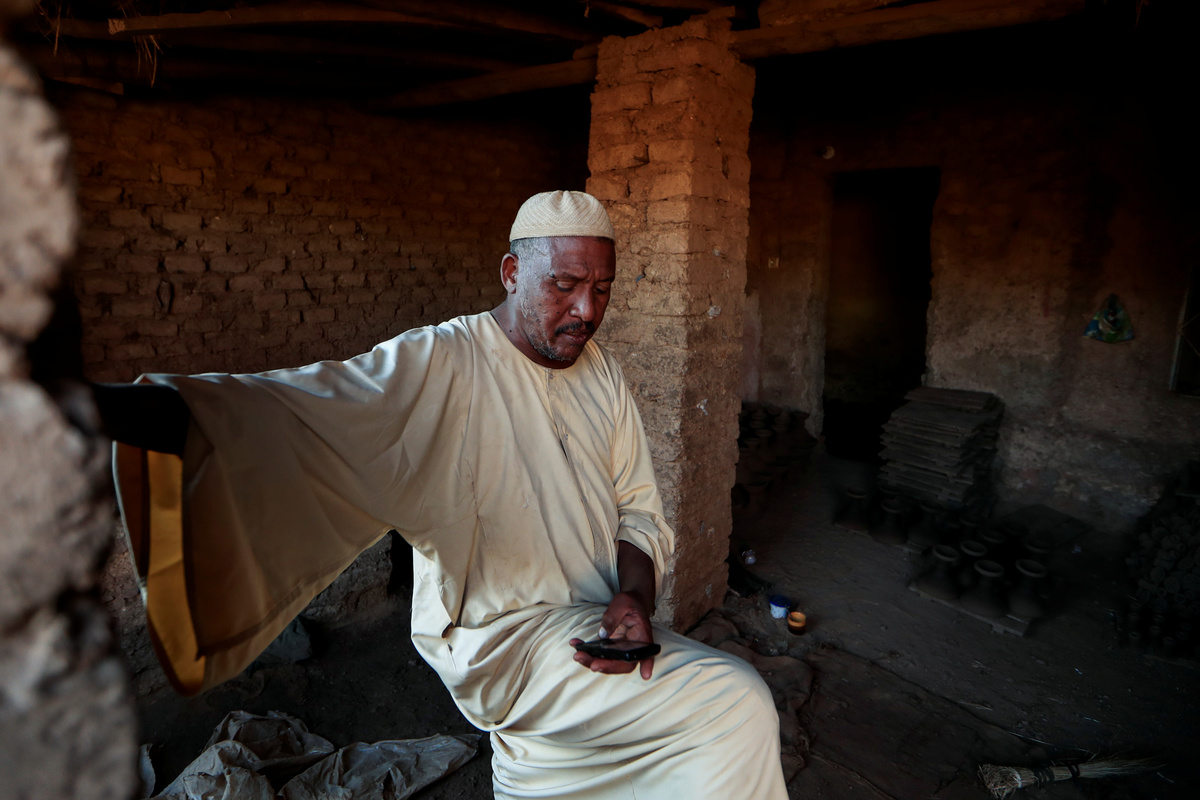
The dam "will stabilise the Nile and we will get less flooding", said Mutasim al-Jeiry, a 50-year-old potter in a village outside Khartoum's twin city of Omdurman, where workers craft jars with clay from the river.
"But on the other hand we will get less clay and less water. Farmers, brick and pottery makers will be seriously affected," he predicts.
The residents' views are a snapshot of the hopes and fears thrown up along the length of the Nile by the vast hydropower project, which has triggered a high-wire diplomatic stand-off between Ethiopia and Egypt downstream.
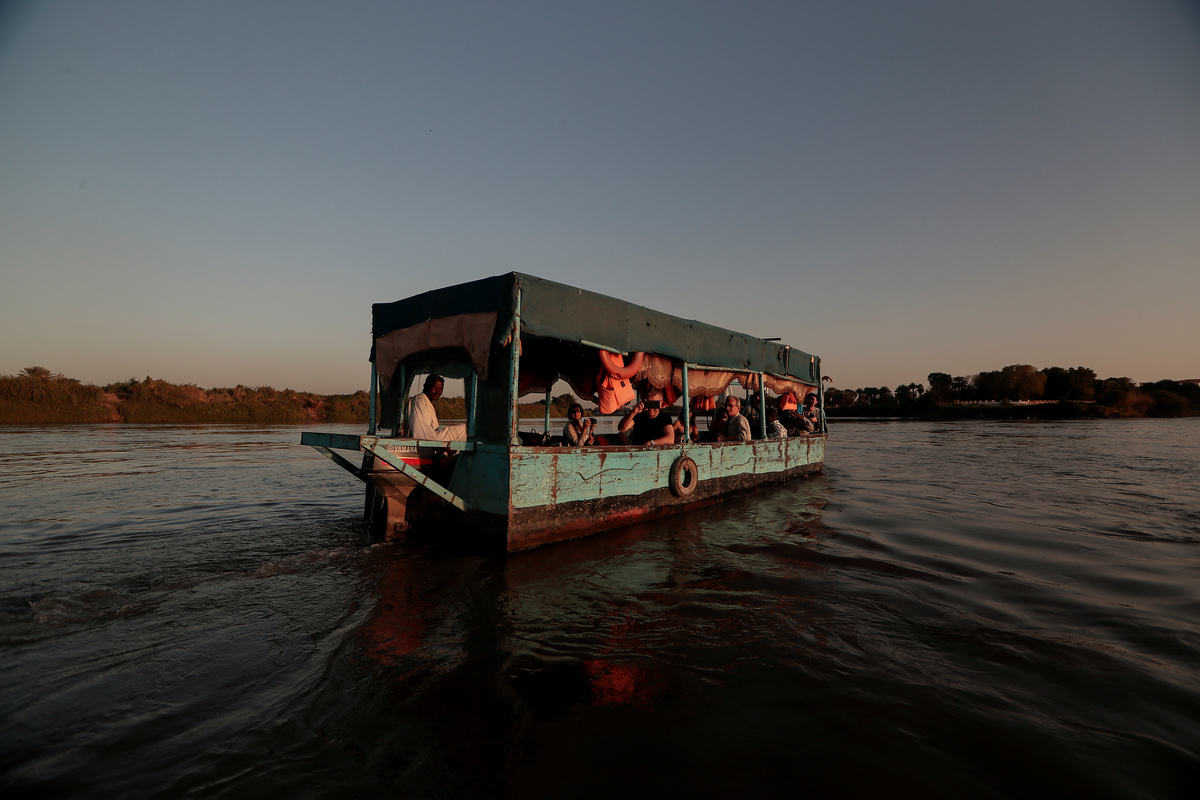
Tourists sail across the convergence between the White Nile river and Blue Nile river in Khartoum, Sudan, February 15, 2020. REUTERS/Zohra Bensemra
Ethiopia, which says it is finally asserting its right to harness the Blue Nile's waters to power its economy, promises to start filling the dam's reservoir later this month.
Egypt, which sees a risk to its scarce water supplies, is frantically trying to secure a deal that would guarantee minimum flows from the Blue Nile, the source of about 86% of the waters of the Nile, which flows into the Mediterranean.
Sudan's government says the dam could threaten the safety of some 20 million Sudanese living downstream and damage the country's flood-plain agricultural system if not built and operated correctly.
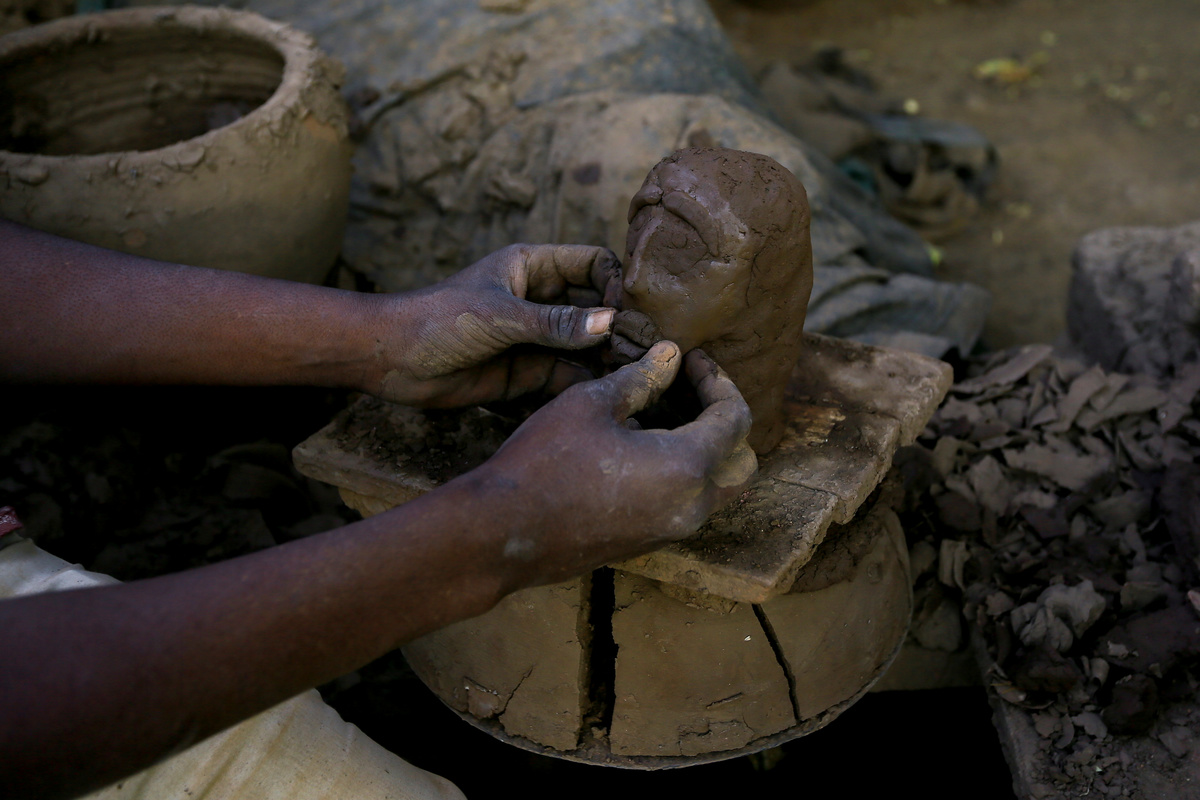
A pottery maker uses mud to mould a face at a pottery factory near the banks of the Nile River, in Alqamayir, Omdurman, Sudan, February 18, 2020. REUTERS/Mohamed Nureldin Abdallah
But it also sees potential benefits in controlling floods during the rainy season and improving the performance of its own dams.
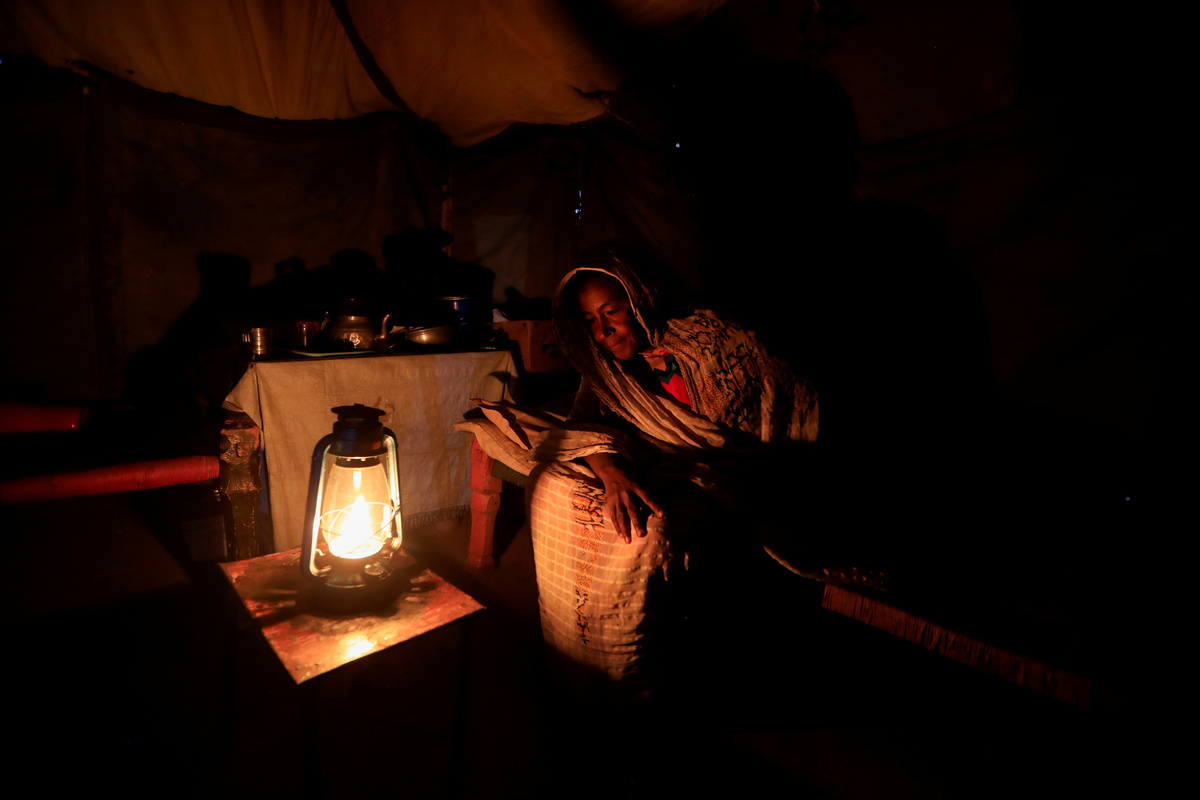
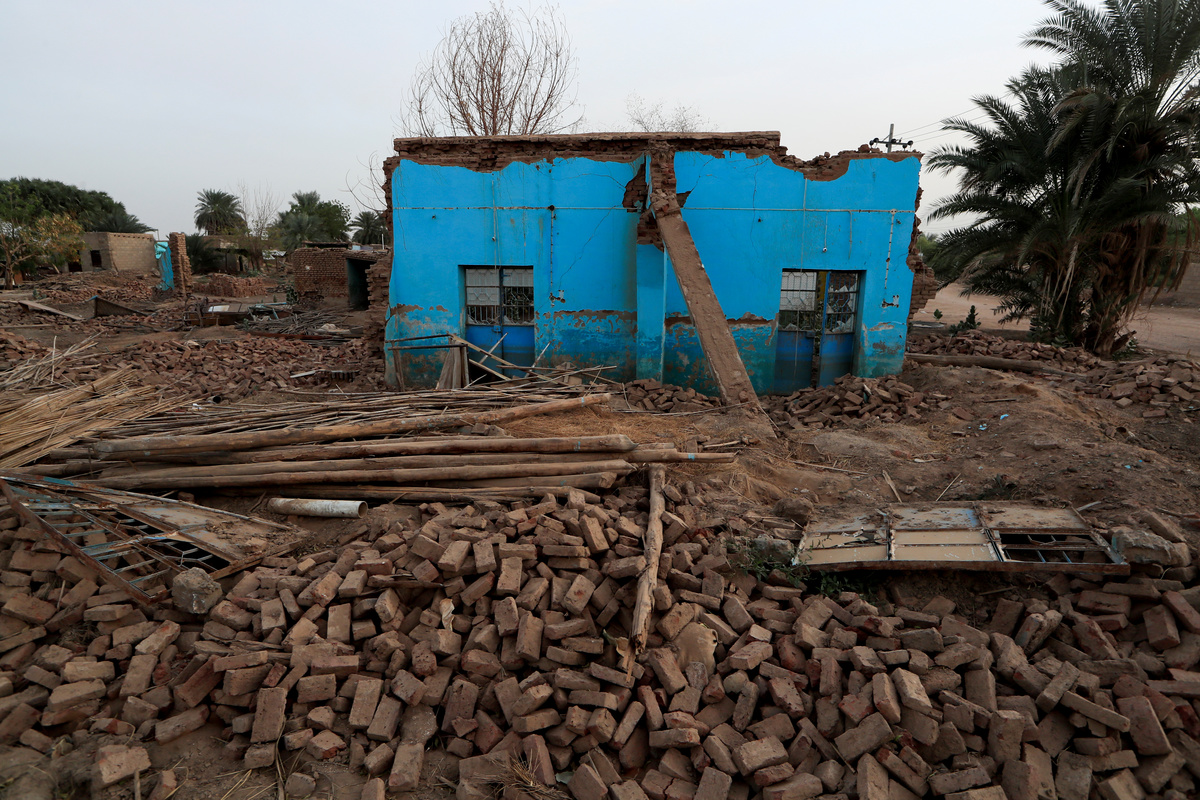
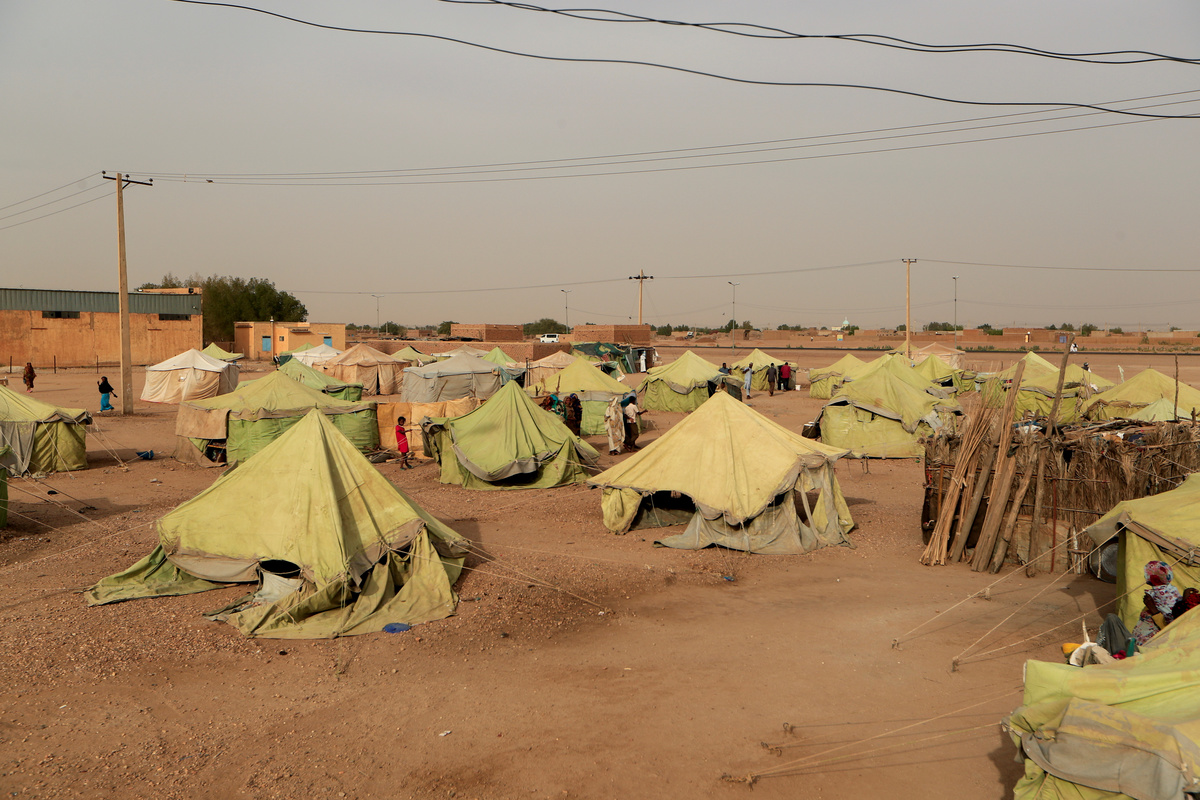
That ambivalence is echoed in the village of Wad Ramli, 60km (37 miles) downstream from Khartoum, where flooding was especially bad last summer. Some residents whose houses were damaged or destroyed were displaced to canvas tents pitched nearby.
"It is true the Renaissance dam will lower the Nile's water levels and prevent flooding," said Manal Abdelnaay, a 23-year-old living in one of the tents. "However, it will impact farming, and the Wad Ramli area is one that lives off farming."
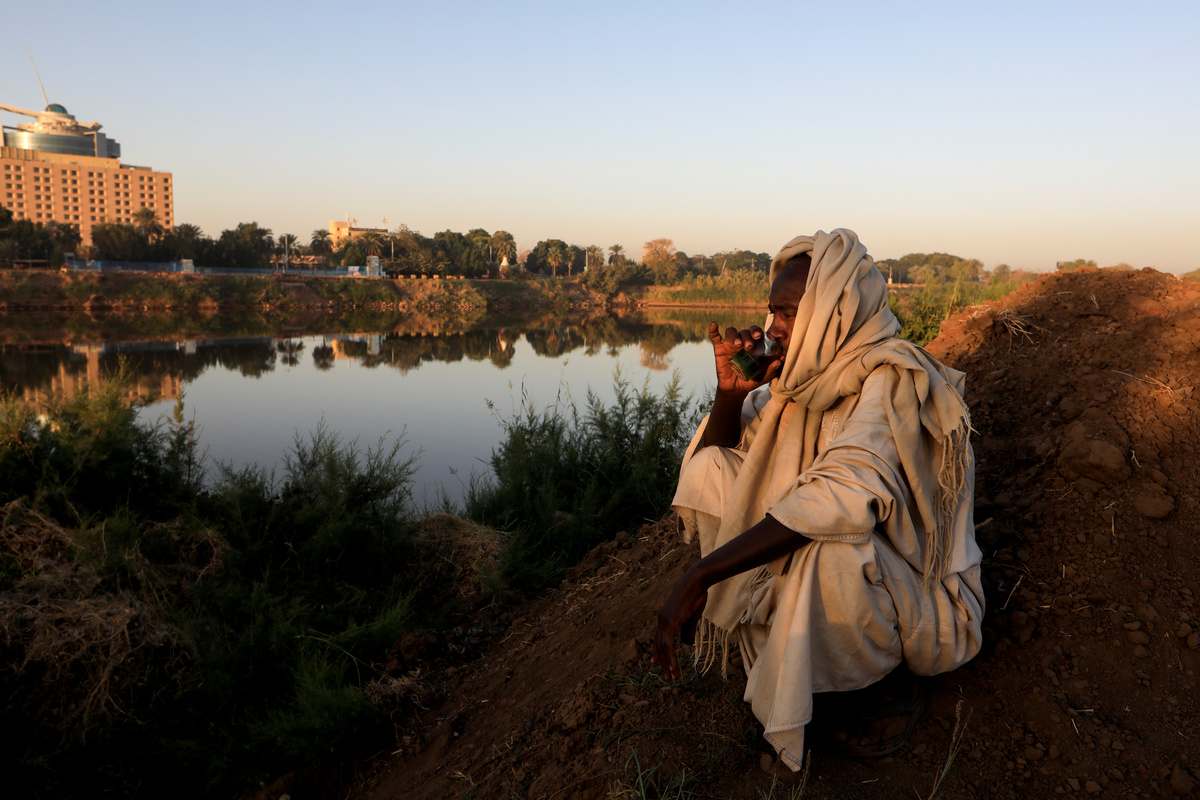
Mohamed Ahmed al Ameen, 55, a brick maker, drinks a cup of tea as he sits on the edge of the Blue Nile near an open-air factory on Tuti Island, Khartoum, Sudan, February 14, 2020. "I consider the Nile to be something that I have never parted with, ever since I was born", Ameen said. "I eat from it, I farm with it. I also extract these bricks from it ? My whole source of income is from the Nile." REUTERS/Zohra Bensemra
On Tuti Island, farmers and landowners are anxious that if the dam saps the river's strength, there will be less water to irrigate and replenish the soil.
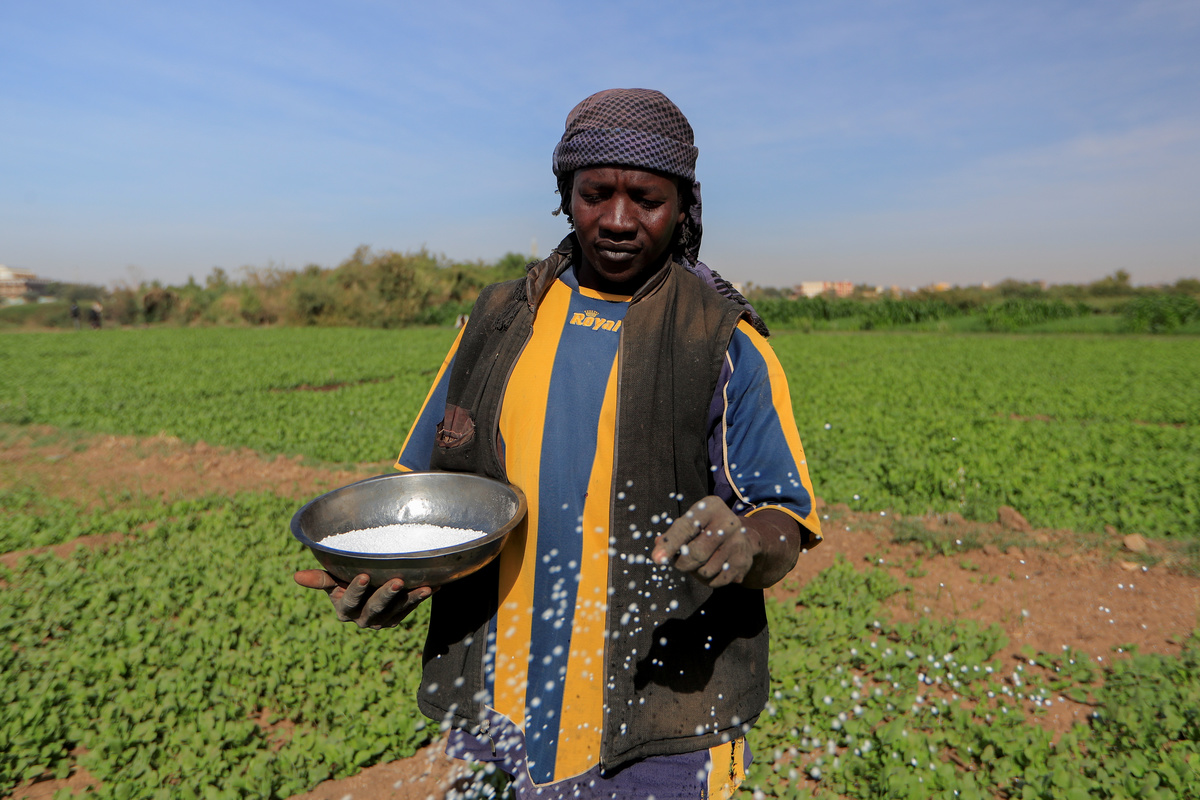
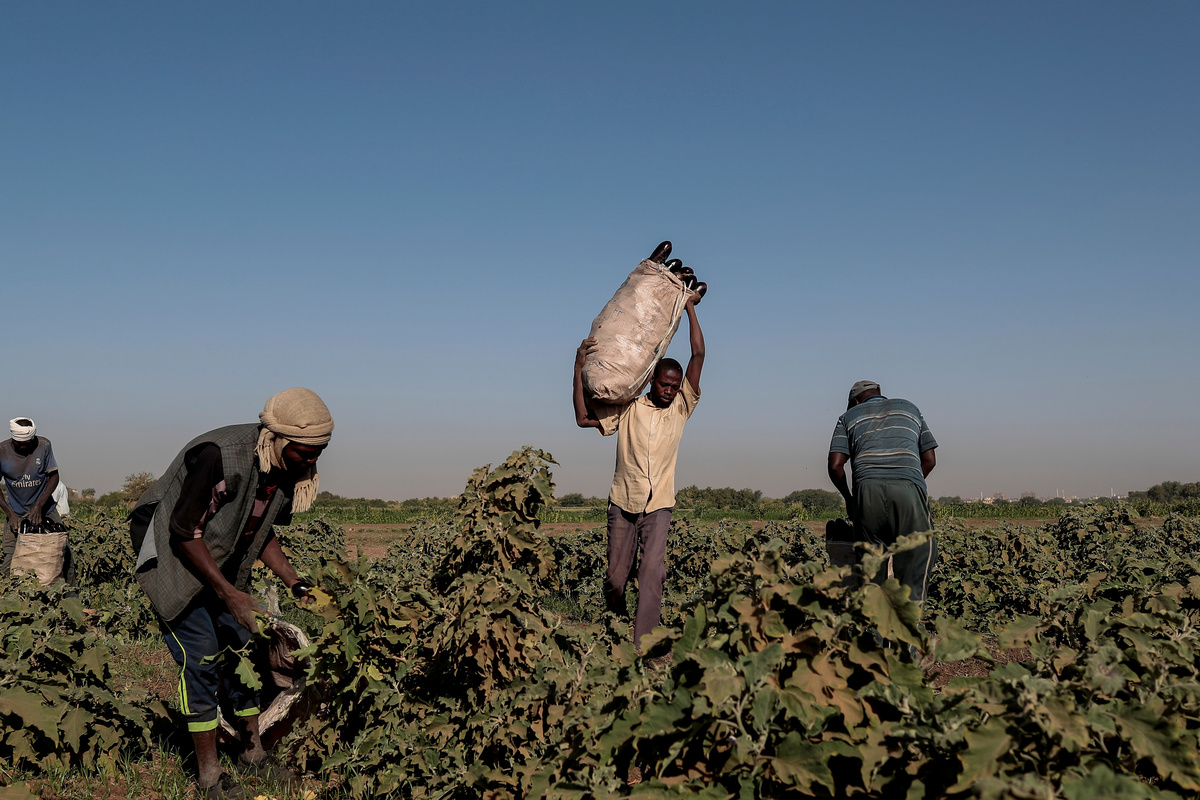
"I came to Tuti in 1988 because the land here is the best for agriculture and close enough to supply markets, and it makes good incomes" says Mussa Adam Bakr, who farms a plot where vegetable fields back onto citrus and mango groves, next to the brick factory.
"Through the year the Tuti earth produces all sorts of vegetables like potatoes, onions, aubergines," says Bakr.
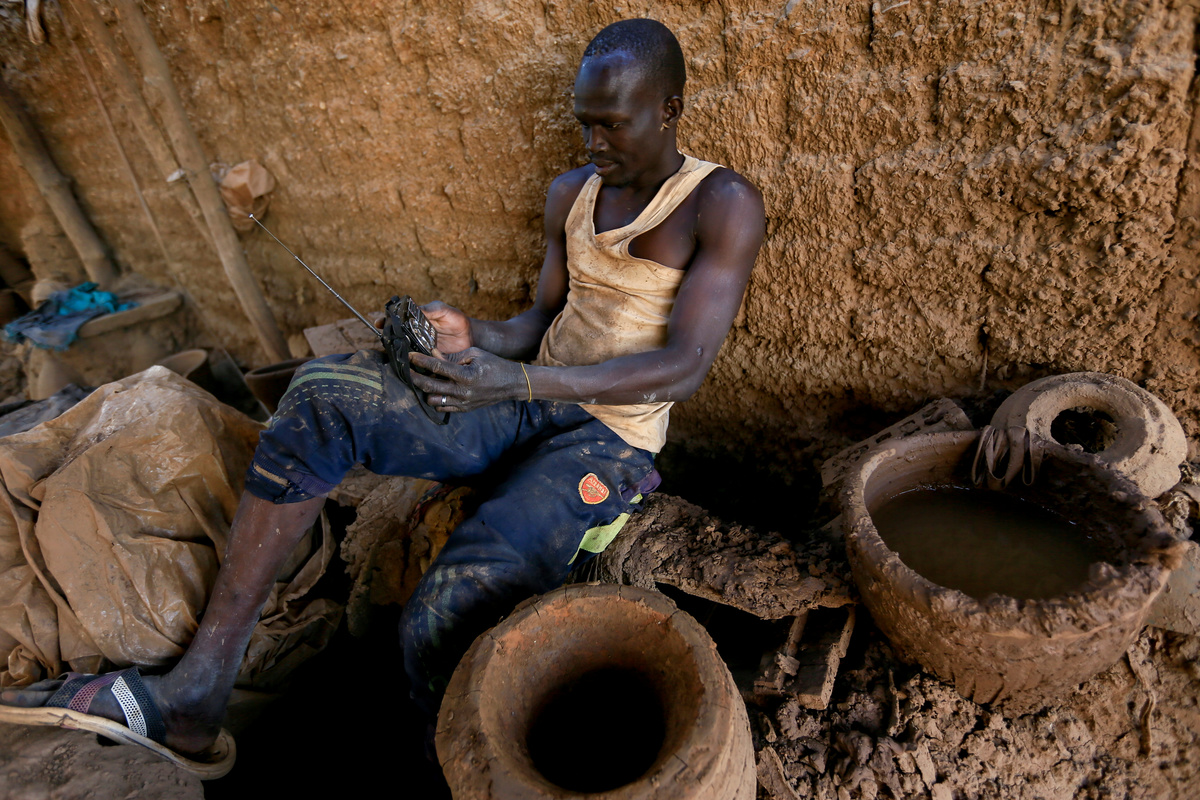
David Plantino, 35, a pottery maker from South Sudan, listens to the radio as he rests at the pottery factory where he works, near the banks of the Nile River in Omdurman, Sudan, February 18, 2020. REUTERS/Mohamed Nureldin Abdallah
Sudan was long overshadowed in the dispute over the dam by its two larger neighbours, but has recently stepped up to broker new negotiations between the three countries.
Its citizens will be watching carefully for any changes in the waters they are so dependent upon.
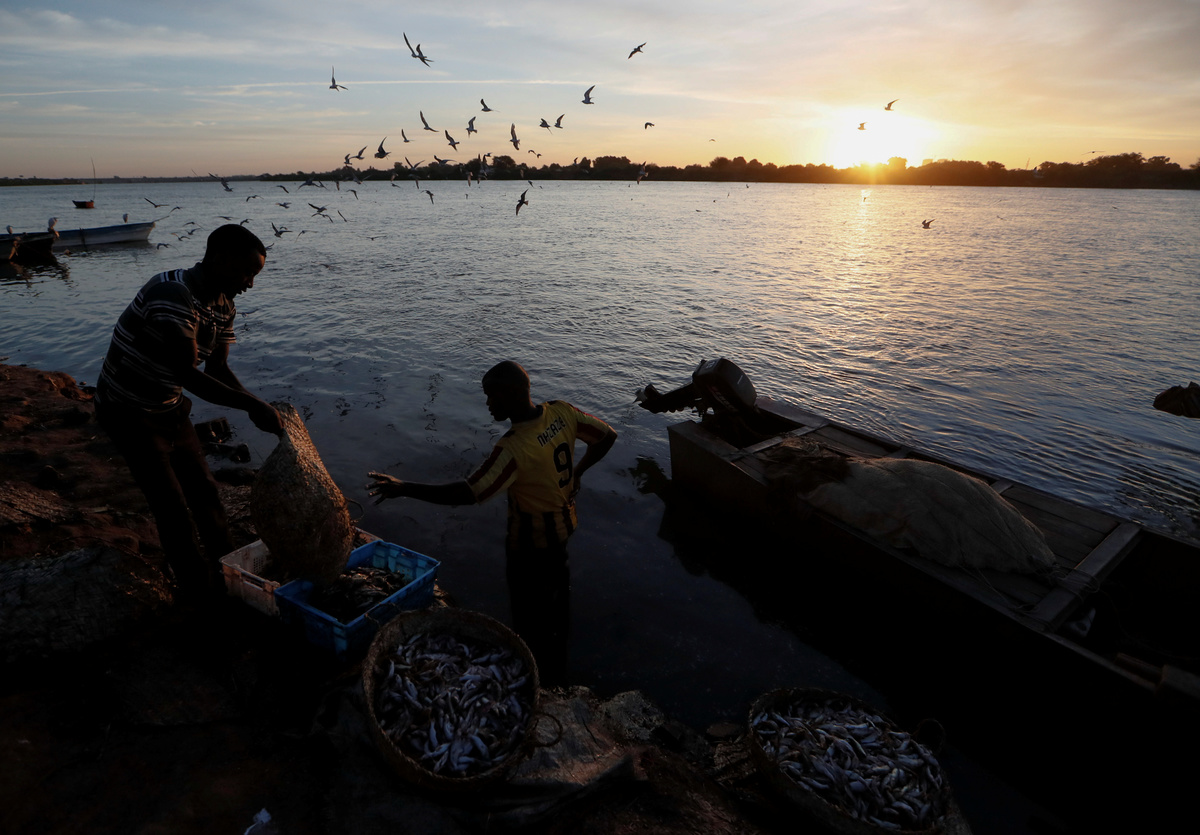
"A fish out of water will die, it cannot survive," says Ashraf Hassan, a 45-year-old fish trader in Omdurman. "Us too, we live as part of the water, or around it."
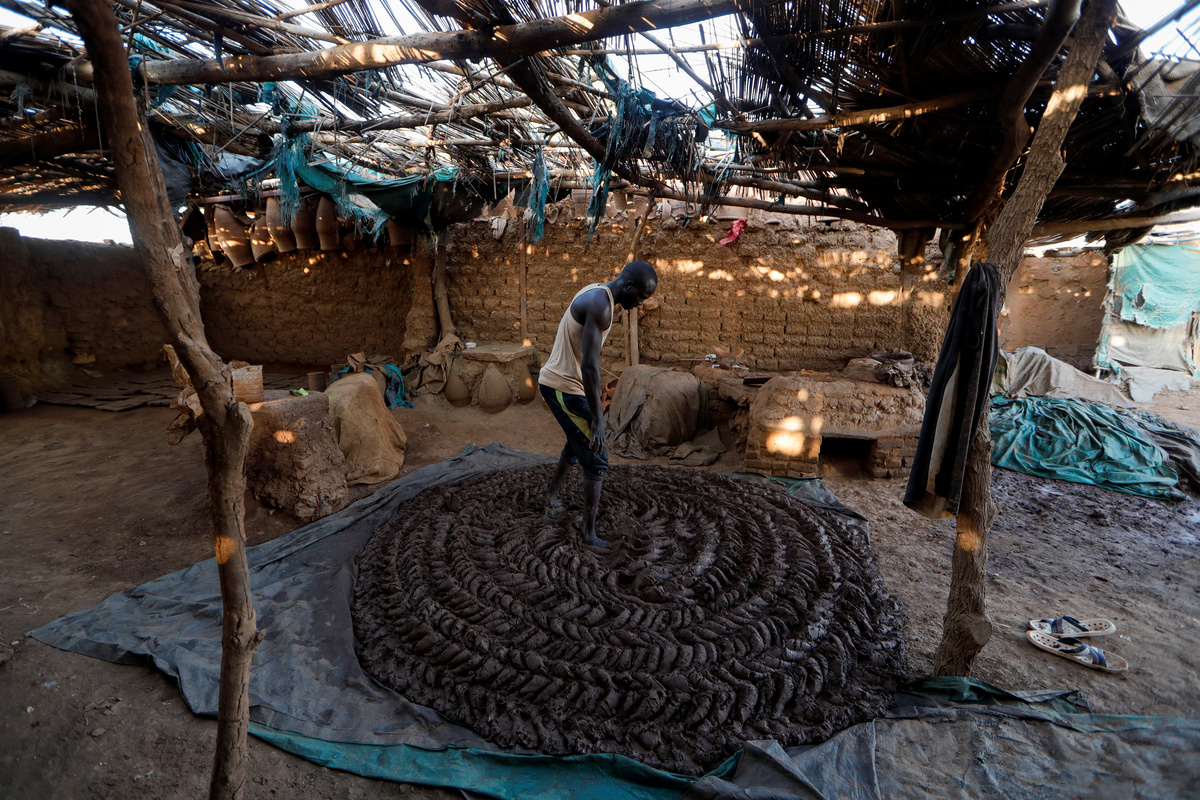
David Plantino, 35, a pottery maker from South Sudan, kneads mud with his feet, that will be used to make pottery at a workshop in an area known as the 'Potters Village' in Alqamayir, Omdurman, Sudan February 16, 2020. "I have been a pottery maker for 7 years, I relied on the Nile river like most people around me here for water and the mud", Plantino said. "Both are the foundation for people who rely on pottery to make a living." REUTERS/Zohra Bensemra
(Additional reporting by Mohamed Nureldin Abadallah; writing by Aidan Lewis; Editing by Alexandra Hudson)
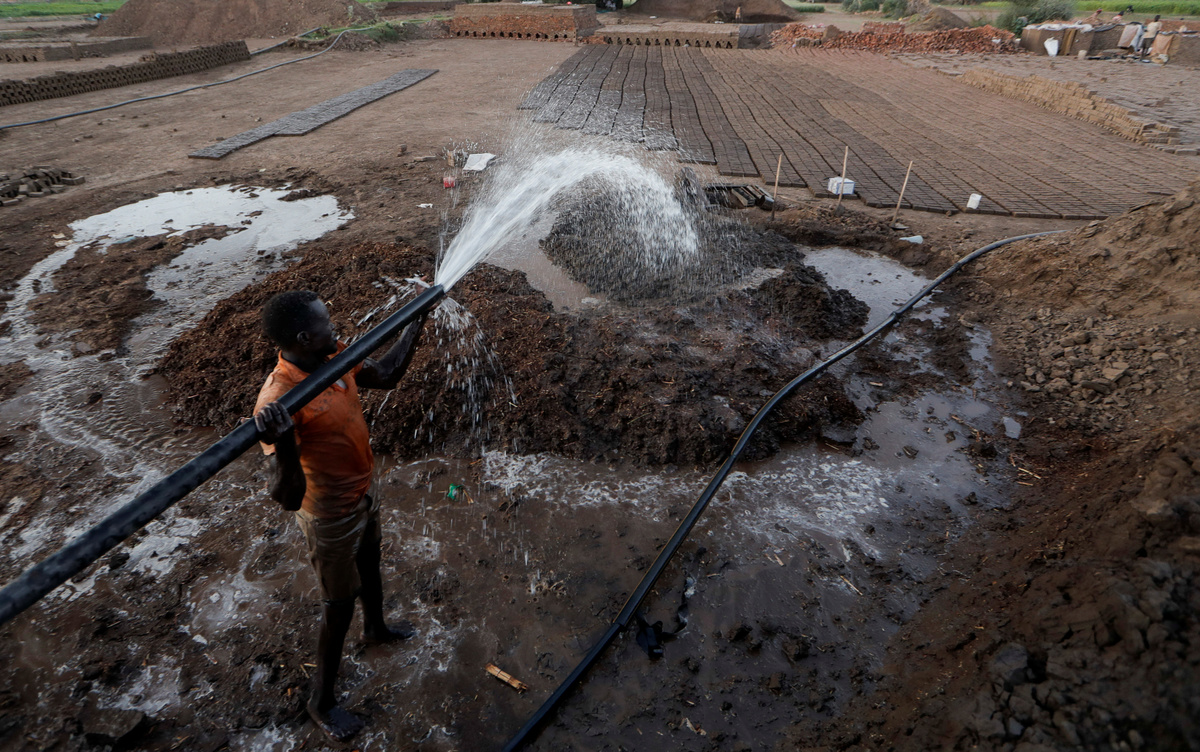
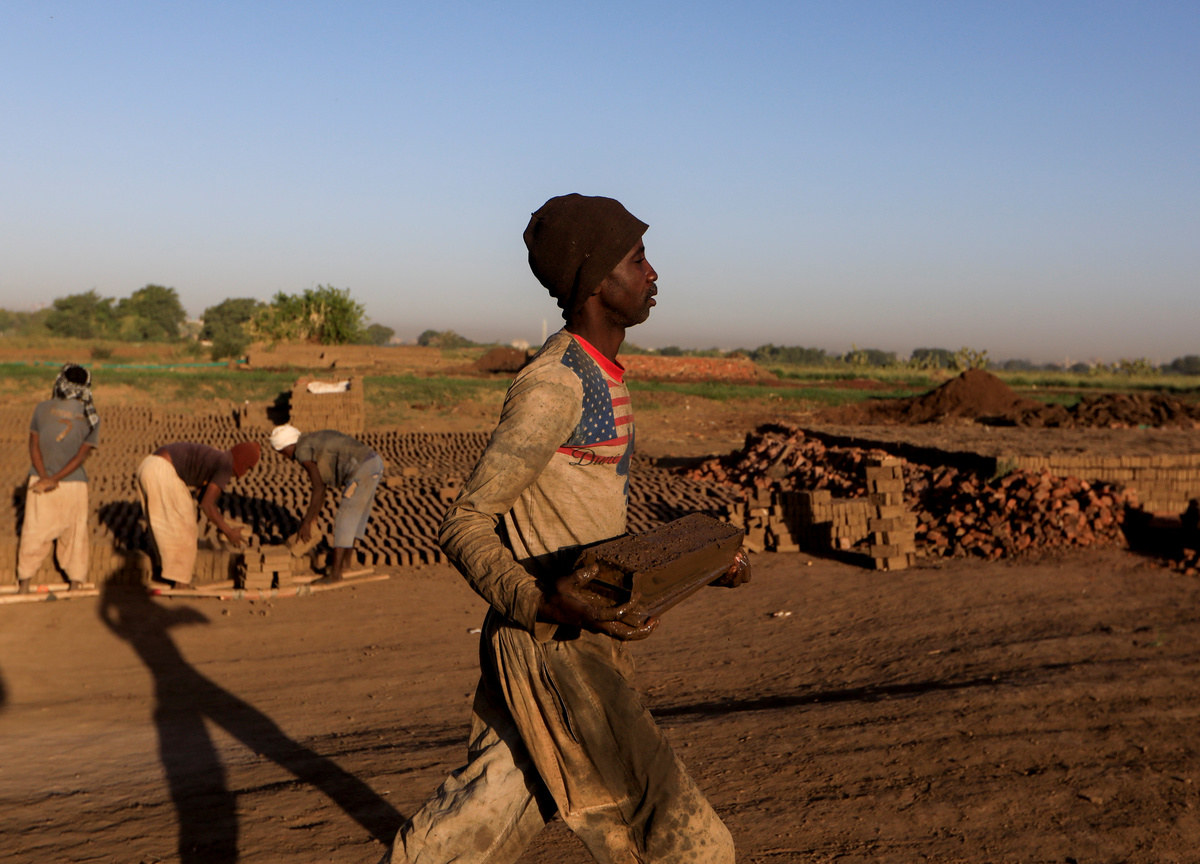
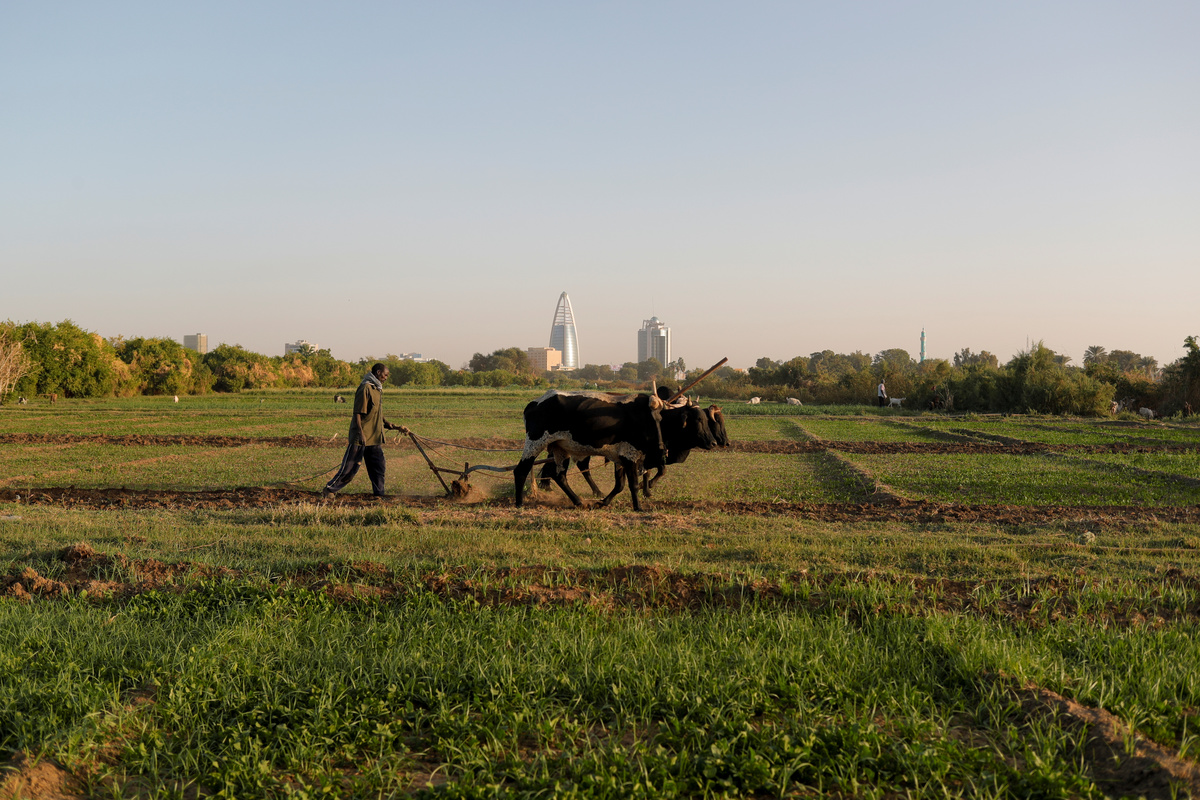
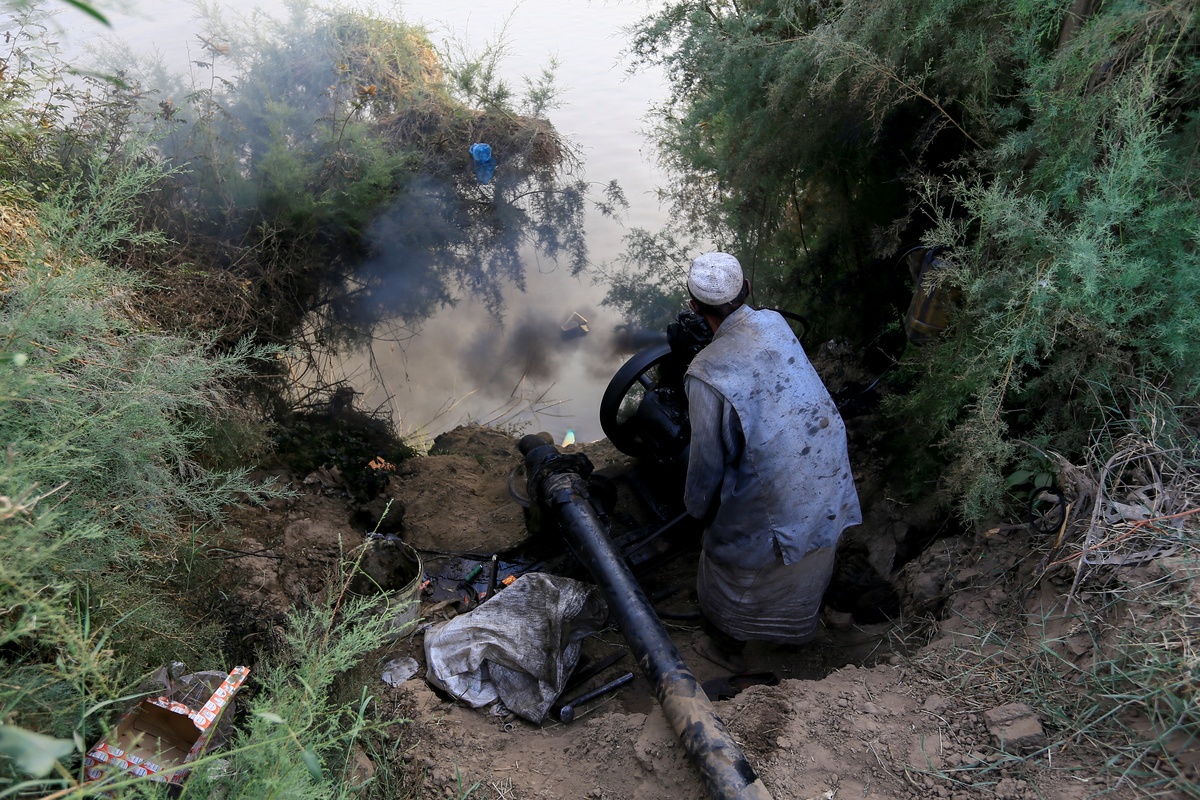
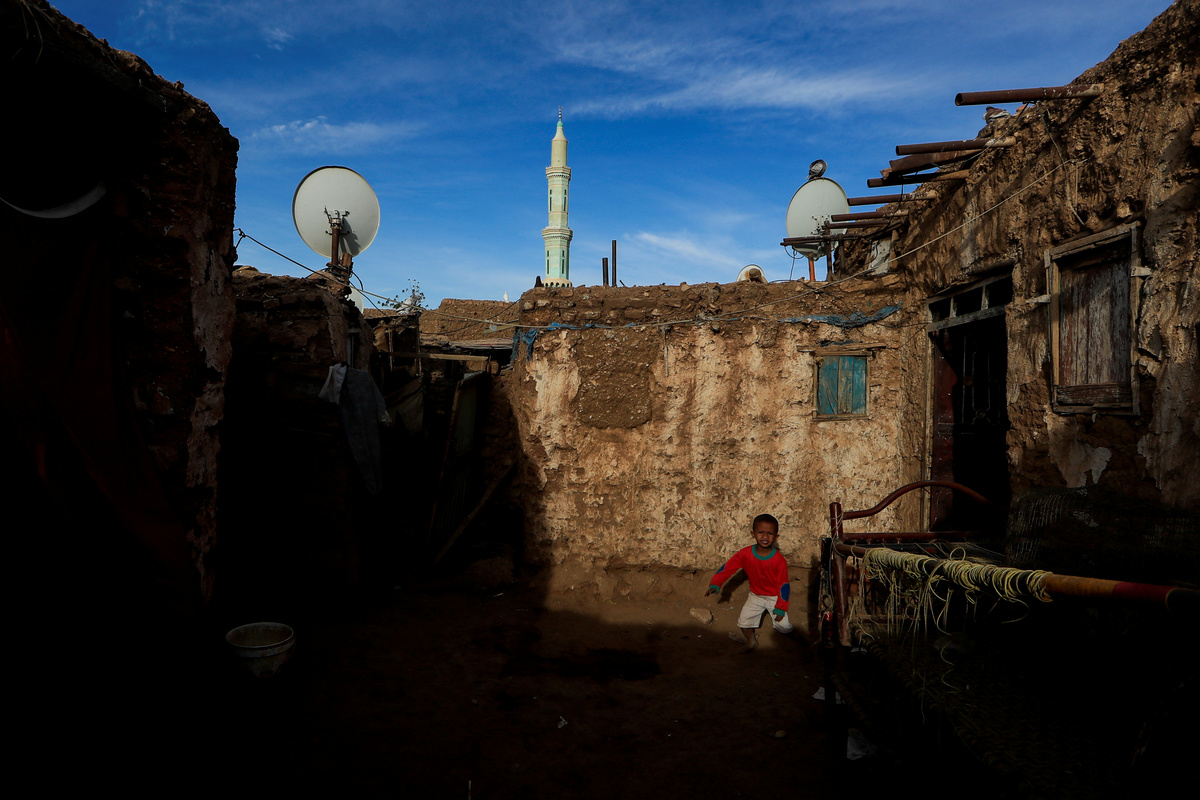
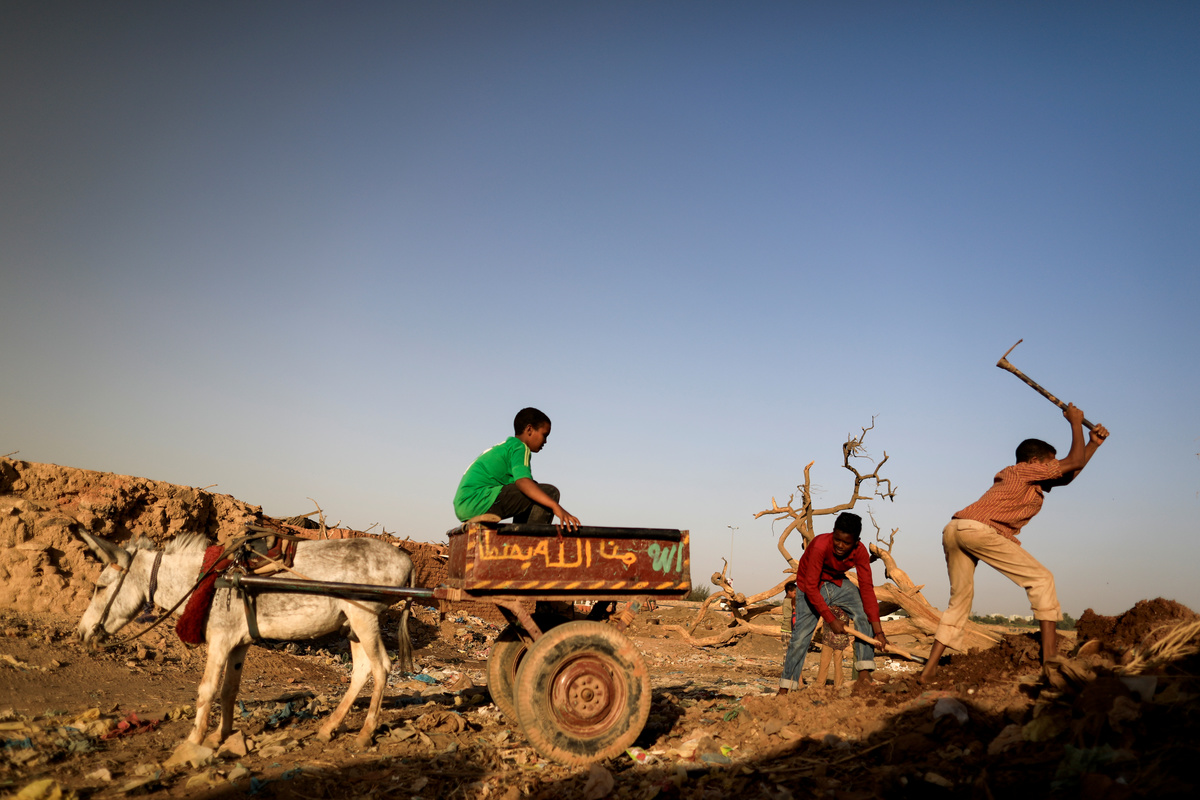
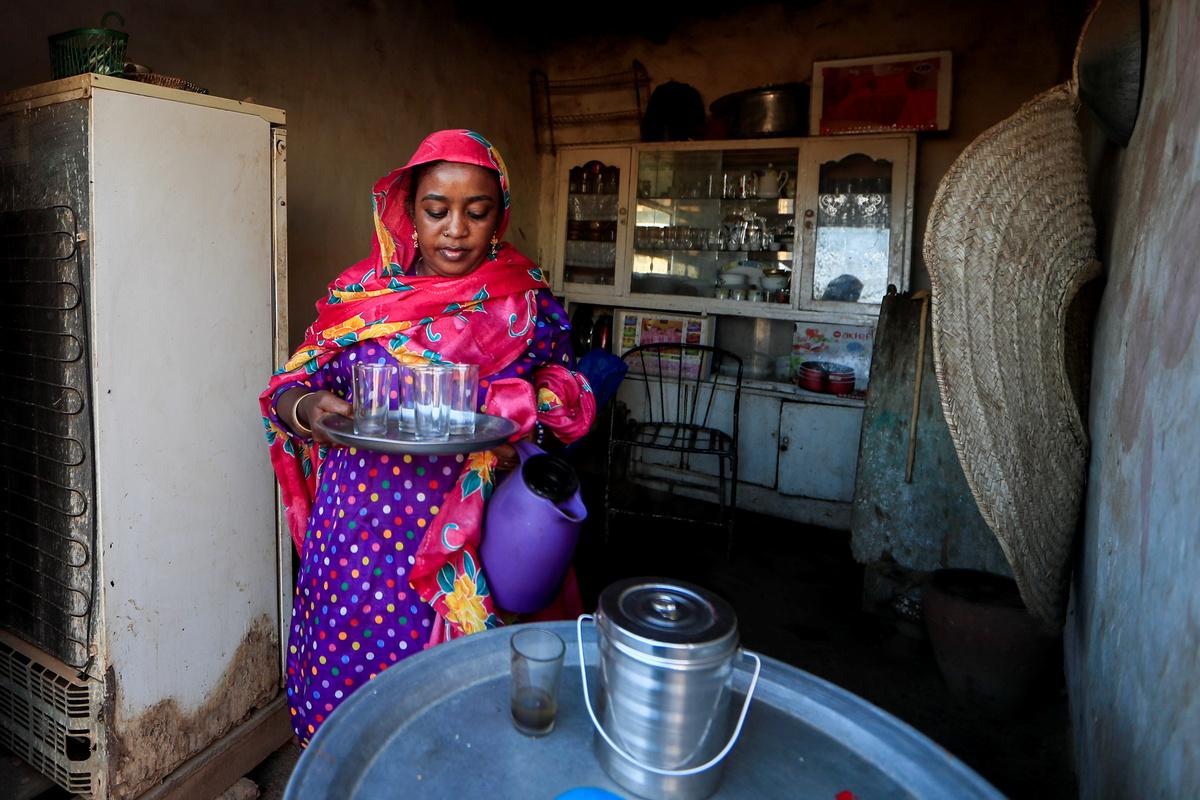
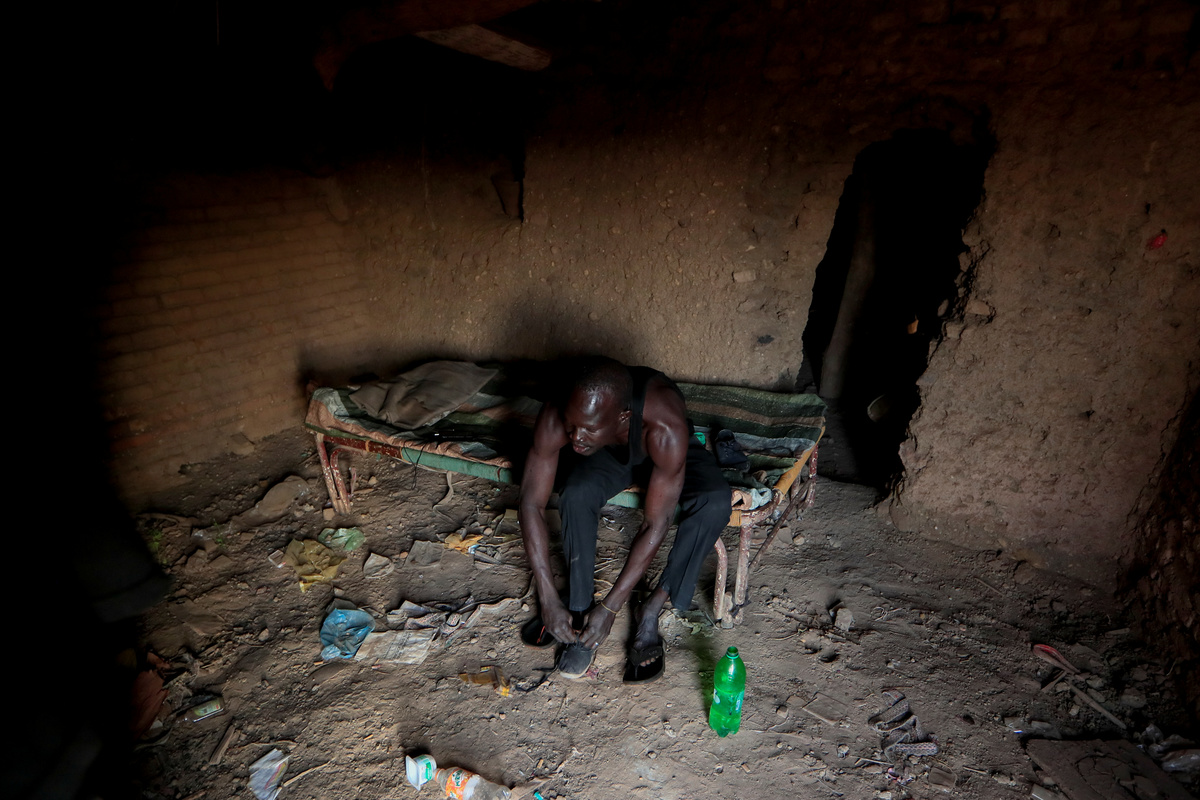
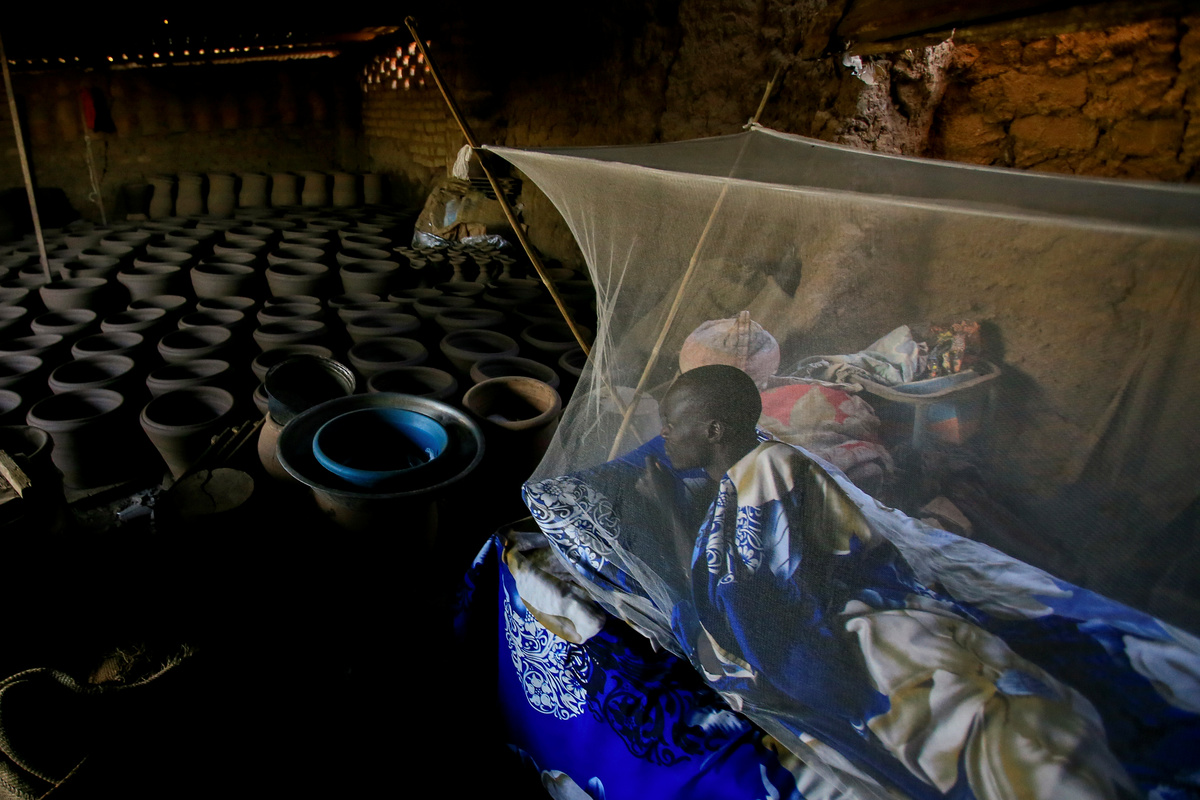
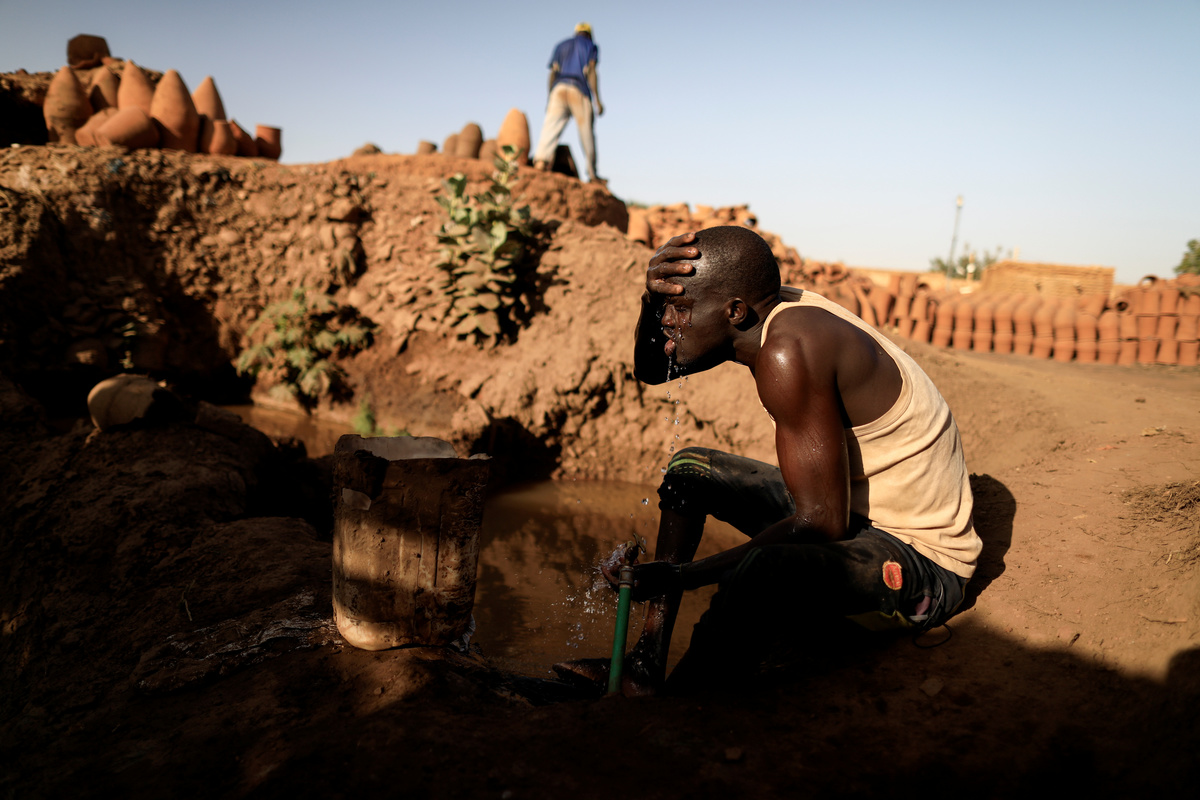
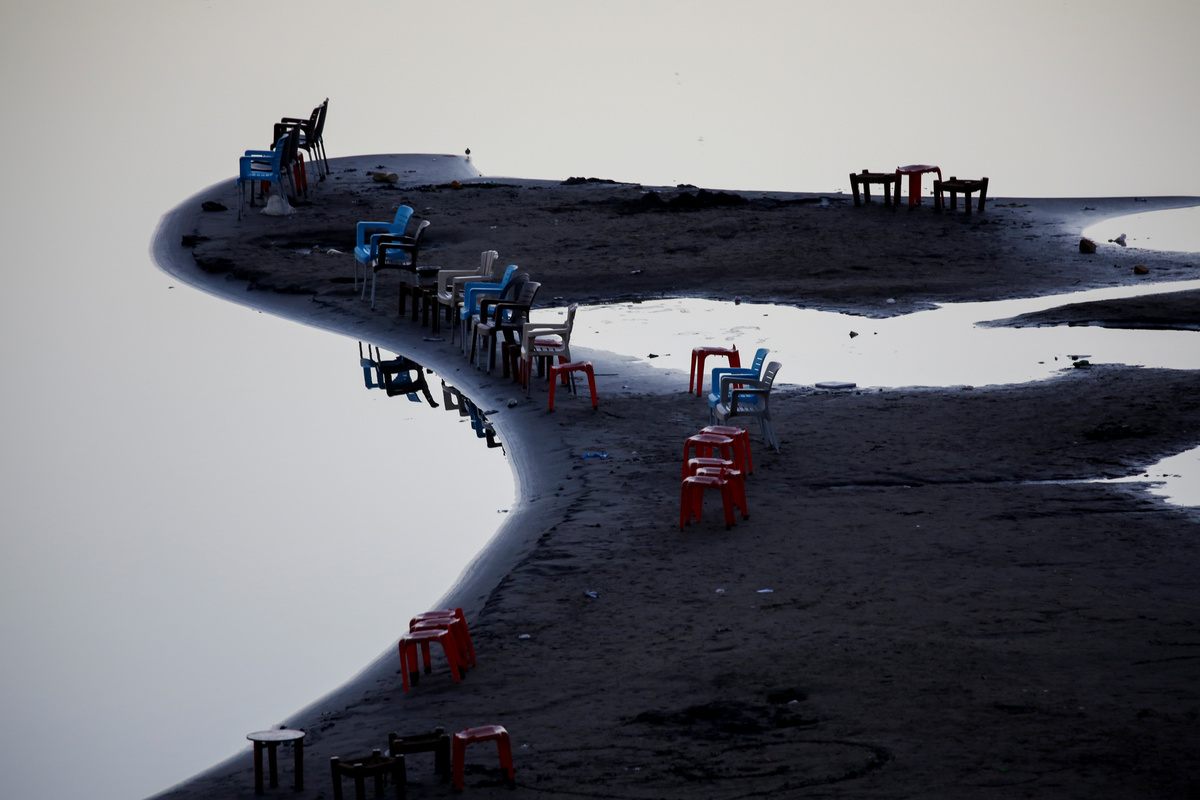
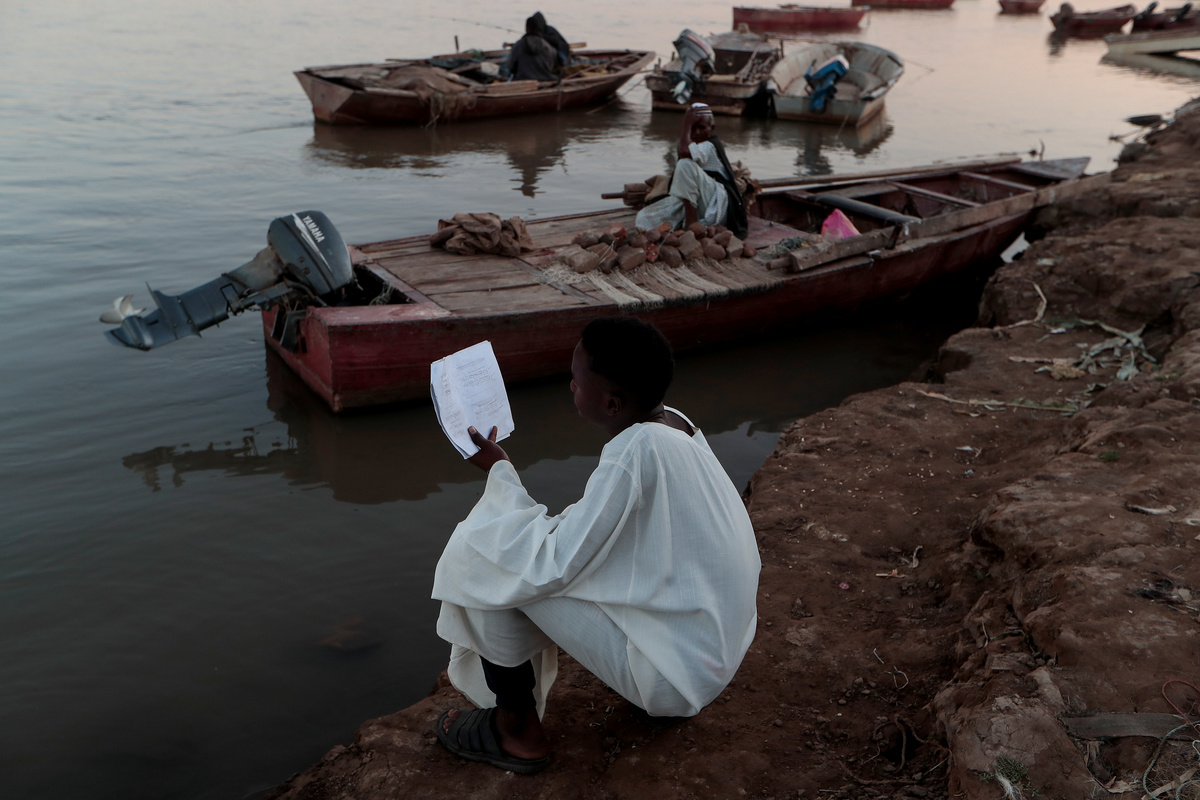
Zaki El-Dine, 24, a brick-maker, pours water from the Nile river onto a patch of mud to make bricks on Tuti Island, Khartoum, Sudan, February 12, 2020. REUTERS/Zohra Bensemra A brick maker from Ad-Damazin carries a mould of mud bricks to be dried at an open-air factory on Tuti Island, Khartoum, Sudan, February 14, 2020. REUTERS/Zohra Bensemra A farmer uses cows to plough a field on Tuti Island, Khartoum, Sudan, February 11, 2020. REUTERS/Zohra Bensemra Ahmed Mohamed, a mechanic and farmer, fixes a water pump machine near the banks of the Blue Nile River on Tuti Island, Khartoum, Sudan, February 20, 2020. REUTERS/Mohamed Nureldin Abdallah A farmer sprinkles fertiliser onto crops at a field on Tuti Island, Khartoum, Sudan, February 12, 2020. REUTERS/Zohra Bensemra A boy plays in the courtyard outside of his home, which is made of mud and bricks, in Omdurman, Sudan, February 21, 2020. REUTERS/Zohra Bensemra Mustapha, 60, a brick maker, piles up bricks after removing them from a kiln at an open-air factory on Tuti Island, Khartoum, Sudan, February 20, 2020. "I fear that we will not gain any advantage from the Dam that Ethiopia is building. I am not an expert but I think the amount of water as well as mud will decrease. We usually get the mud when the Nile overflows", said Mustapha. REUTERS/Zohra Bensemra Manal, who was displaced from her home when the Nile river overflowed in September 2019, sits inside her tent in Wad Ramli, Sudan, February 19, 2020. "With the damn that Ethiopia is building we may be less affected by the floods, which is good but we will also face a lack of water to irrigate our land," said Manal. REUTERS/Zohra Bensemra Mussa Adam Bakr (R), 48, who farms a plot of land next to a mud brick factory, collects eggplants with his workers on his field on Tuti Island, Khartoum, Sudan, February 14, 2020. "I came to Tuti in 1988 because the land here is the best for agriculture and close enough to supply markets, and it makes for a good income", said Bakr. "Through out the year the Tuti earth produces all sorts of vegetables like potatoes, onions and aubergines." REUTERS/Zohra Bensemra Mazeen, (R), 12, collects clay in an area known as the 'Potters Village' in Alqamayir, Omdurman, Sudan, February 16, 2020. REUTERS/Zohra Bensemra Mutasim al-Jeiry, 50, a pottery maker, checks his mobile phone as he sits inside his workshop in an area known as the "Potters Village" in Alqamayir, Omdurman, Sudan, February 17, 2020. The dam "will stabilise the Nile and we will get less flooding", said al-Jeiry. "But on the other hand we will get less clay and less water. Farmers, brick and pottery makers will be seriously affected", he predicts. REUTERS/Zohra Bensemra The wall of a house that was damaged when the Nile river overflowed in September 2019, stands in Wad Ramli, Sudan, February 19, 2020. REUTERS/Zohra Bensemra Ibtissam, 46, whose husband Mutasim al-Jeiry is a pottery maker, carries a tray out of the kitchen at their home in an area known as the 'Potters Village' in Alqamayir, Omdurman, Sudan, February 18, 2020. "Our life depends on the mud of the Nile, without it we will not eat", said Ibtissam. REUTERS/Zohra Bensemra David Plantino, 35, a pottery maker from South Sudan, puts on shoes at his shelter where he sleeps during the week, as he gets ready to go to work in Omdurman, Sudan, February 18, 2020. REUTERS/Zohra Bensemra Peter Majak, a pottery maker from South Sudan, rests under a mosquito net inside a traditional pottery factory close to the banks of the Nile river, in Alqamayir, Omdurman, Sudan, February 17, 2020. REUTERS/Mohamed Nureldin Abdallah David Plantino, 35, a pottery maker from South Sudan, cools himself down with water from the Nile river, next to a workshop in an area known as the 'Potters Village' in Alqamayir, Omdurman, Sudan, February 16, 2020. REUTERS/Zohra Bensemra Tents that belong to people who were displaced from their homes when the Nile river overflowed in September 2019, stand together in Wad Ramli, Sudan, February 19, 2020. REUTERS/Zohra Bensemra Fishermen wash their catch in the waters of the Nile river in Omdurman, Sudan, February 21, 2020. REUTERS/Zohra Bensemra Chairs are left facing the banks of the Blue Nile river in Khartoum, Sudan, February 15, 2020. REUTERS/Mohamed Nureldin Abdallah SA high school student reads his lesson notes as he sits by a bank on the Nile river in Alqamayir, Omdurman, Sudan, February 15, 2020. REUTERS/Zohra Bensemra
Sign up to read this article
Read news from 100’s of titles, curated specifically for you.