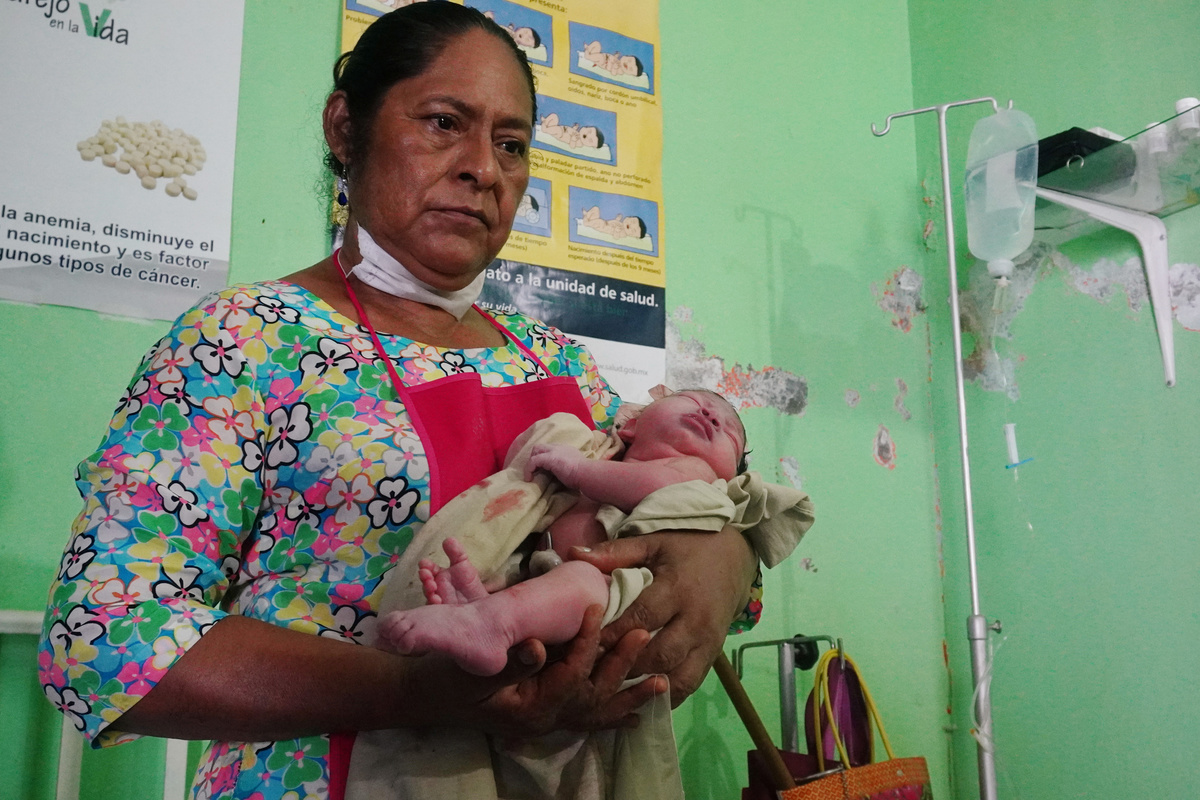
Juanita Zarate says she has helped deliver hundreds of babies in 45 years working as a midwife in an indigenous community in southern Mexico.
Now, demand for her services is more intense than ever as women seek to avoid giving birth in hospitals, where they fear becoming infected with the rapidly spreading coronavirus.
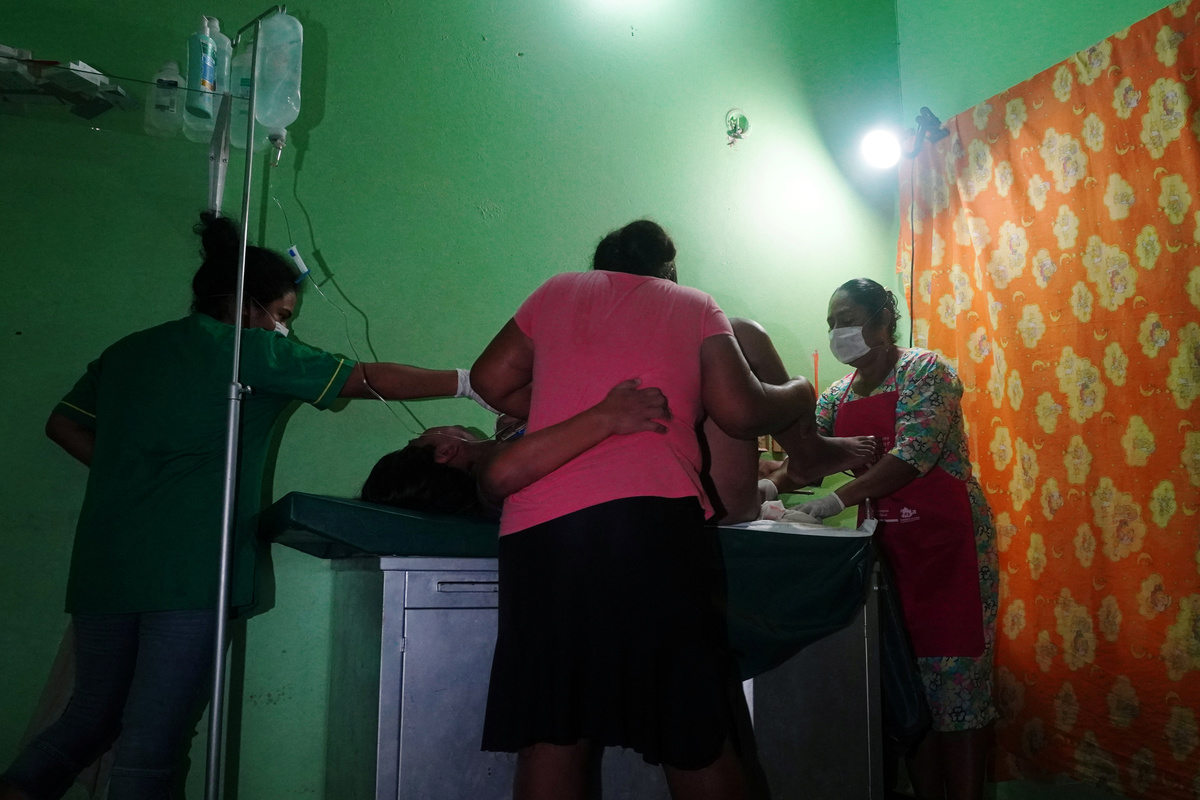
"In these months, due to the coronavirus problem... there are more births (in my home)", said Zarate, 60, a member of the indigenous Zapotec community in the southern state of Oaxaca.
Zarate said she has four deliveries scheduled for the rest of this month and about half a dozen in May, up from her usual rate of two to three scheduled births per month. And more women may arrive in their hour of need without appointments.
Mexico has registered 8,772 confirmed cases of the coronavirus, which has killed 712 people in the country so far. But health officials estimate the actual number of infections is more than 55,000.
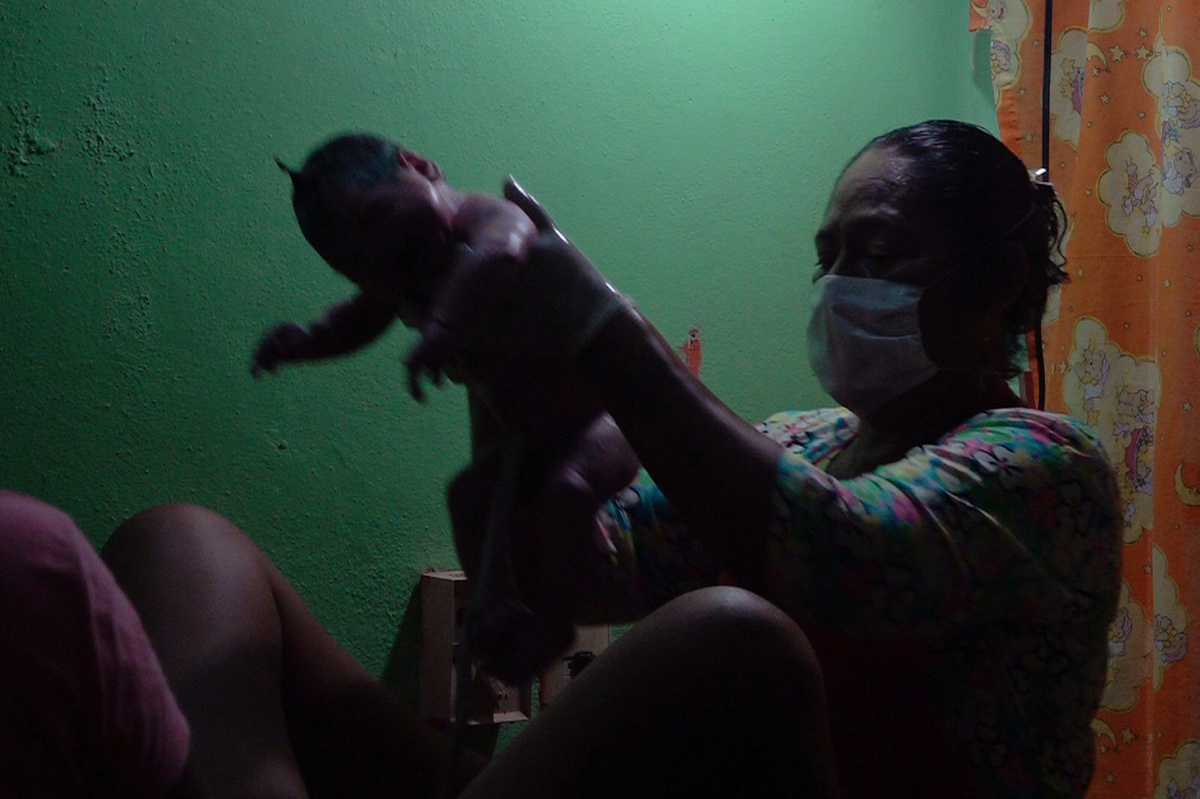
Zarate cares for expectant mothers in a simple office in her home in the Union Hidalgo municipality, where she is the only formally trained midwife.
Last Sunday, a woman who was not among Zarate's patients came to her home early in the morning with labor pains. She had planned to give birth in the hospital but now was having second thoughts.
"With this disease, my baby could get sick," said Mariana, 29, who declined to give her last name.
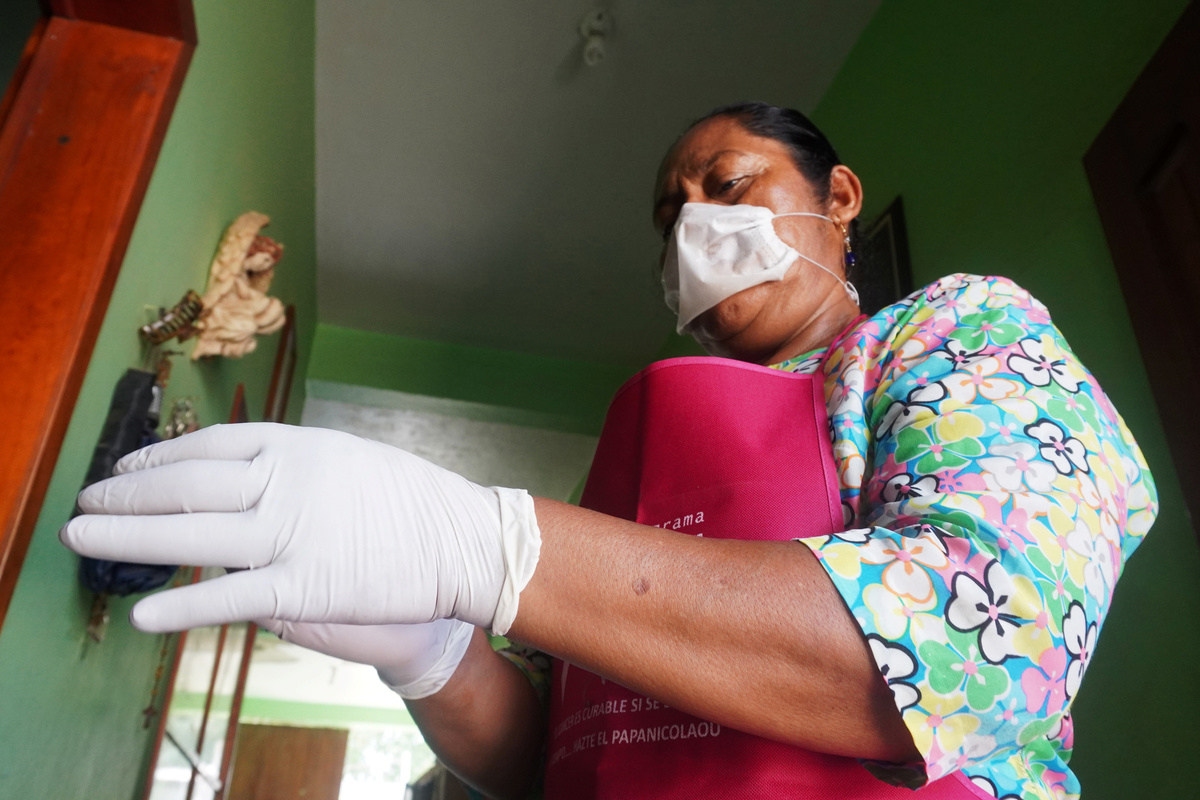
Giving birth with a midwife "is more trustworthy... they pay more attention to you than in the hospital," she said, rubbing her belly.
Mariana, also a member of the Zapotec community, said her other two children were born in hospitals. But this time she was determined to give birth with Zarate.
Nearly five hours later, Mariana delivered her baby girl as her mother-in-law looked on, squeezing her hand. Zarate placed the baby straight onto her mother's chest.
Zarate says many doctors frown on her work, believing that midwives work in unsanitary conditions.
But with proper training, midwives could prevent up to two-thirds of maternal and newborn deaths worldwide, the United Nations Population fund says. However, the group estimated that only 22% of countries have enough midwives.
(Reporting by Jose Cortes; writing by Ana Isabel Martinez; Editing by Rosalba O'Brien)