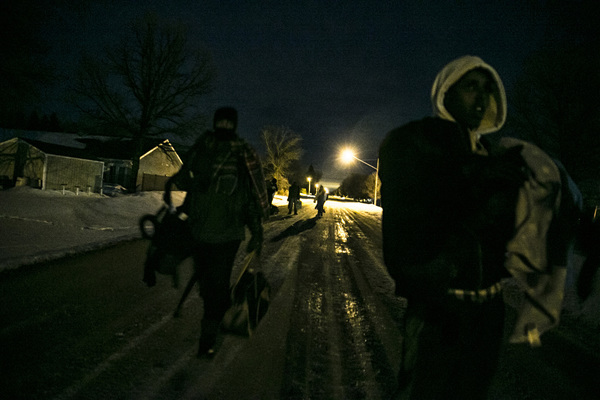
EMERSON, Canada _ The migrants staggered into this sleeping border town before dawn, cold and exhausted.
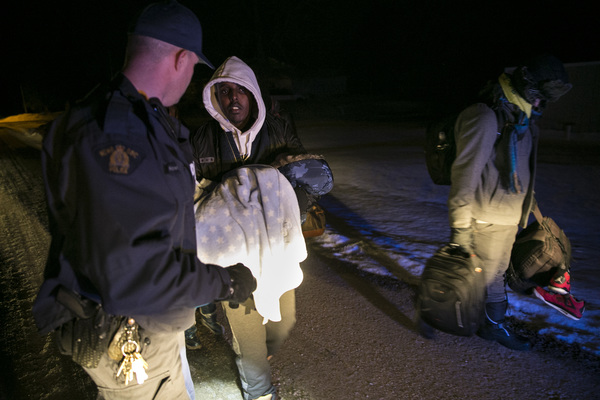
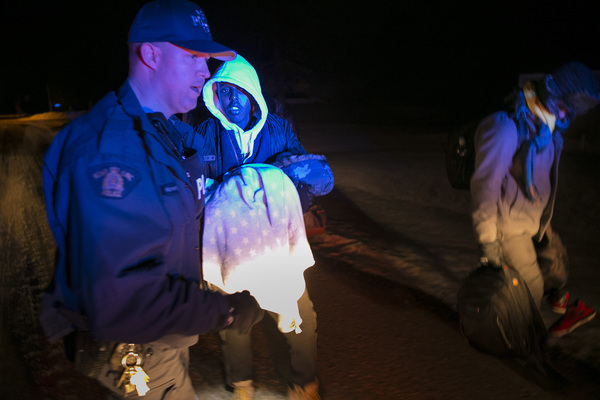
They had struggled through farm fields for hours in knee-deep snow, hoping to evade detection by the U.S. Border Patrol. A man cradling a baby wrapped in a puffy parka and gray blanket peered anxiously at the darkened clapboard homes.
"Is this Canada?" he asked.
The tiny community of Emerson _ population less than 700 _ has seen its share of U.S. "border jumpers" over the years, but nothing like this. Until last year, residents might spot five or six strangers passing through town over the odd weekend, carrying backpacks and looking disheveled.
But since President Donald Trump was elected last year on promises to crack down on illegal immigration and conduct "extreme vetting" of Muslims, the numbers have surged. Recently, at least 22 people sneaked across the border near Emerson in a single night, including the man with the baby, who said he was from Djibouti.
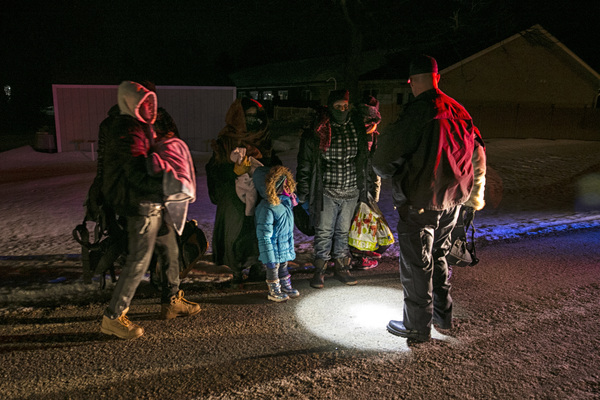
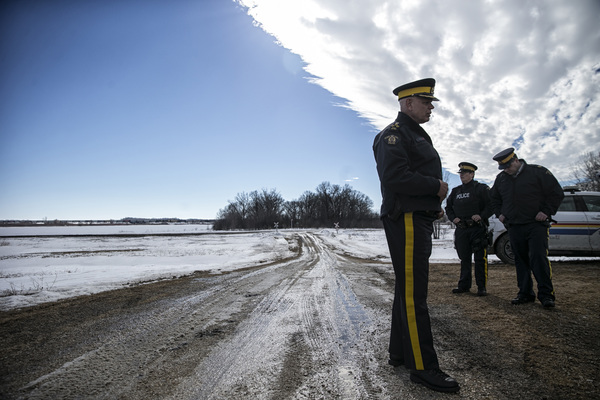
Two Royal Canadian Mounted Police vehicles pulled up to his group within minutes, lights flashing. The officers explained that they were going to arrest the migrants _ six adults and three children _ and drive them to a nearby border post to apply to remain in the country as refugees.
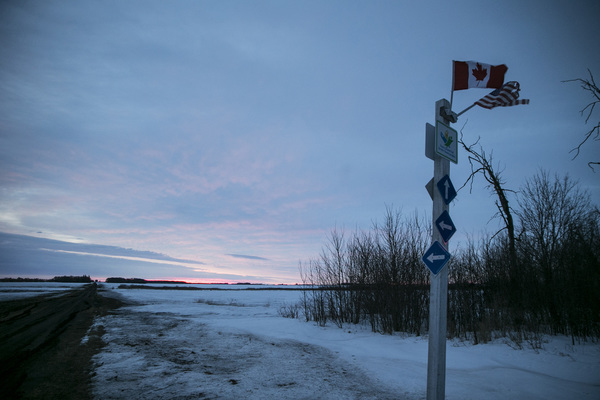
The migrants looked relieved. They are part of a small but rapidly growing population of asylum seekers who have lost hope that America will accept them and are embarking on a perilous trek north to petition for protection in Canada.
Some have already passed through up to a dozen countries, braving vast forests and raging rivers on a months-long odyssey across South and Central America before surrendering to officials at the U.S.-Mexico border. Others fly directly into major U.S. cities but, convinced they won't receive refuge, head north from there.
Few are prepared for the harsh weather they will face on the icy prairies along the frontier between the Canadian province of Manitoba and the U.S. states of North Dakota and Minnesota.
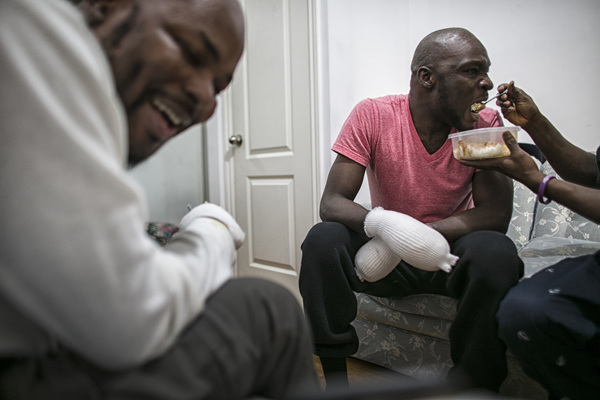
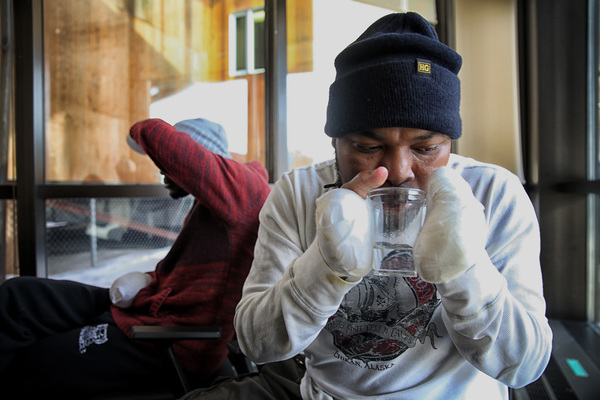
Two men from Ghana lost most of their fingers to frostbite after getting lost in sub-freezing temperatures and are recovering in Winnipeg. Local farmers wonder whether they might find a body when the snow melts in the spring.