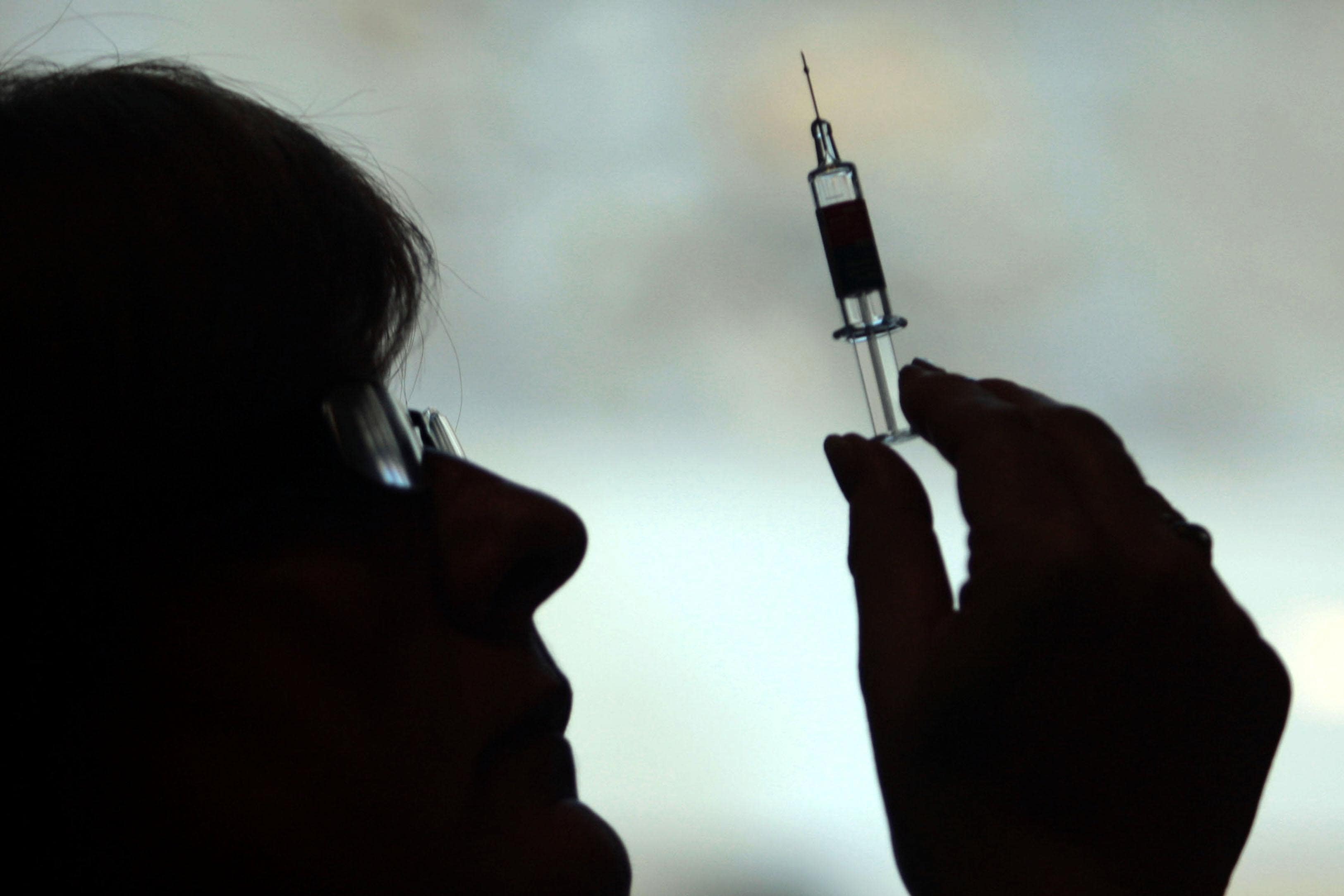
U.S. health advisers are currently debating a novel flu vaccine, the first to leverage the mRNA technology pivotal in combating the COVID-19 pandemic.
Moderna is seeking Food and Drug Administration (FDA) approval for its shot, mFlusiva, targeting individuals aged 50 and older.
This FDA advisory committee meeting marks a crucial step towards a final decision before the upcoming winter flu season.
Influenza claims tens of thousands of American lives annually, with older adults particularly vulnerable. While various flu vaccines exist, including specific recommendations for those 65 and older, mRNA technology enables faster manufacturing.
Experts suggest this could be vital if the constantly evolving flu virus mutates, necessitating rapid production of new doses.
A study involving 40,000 participants aged 50 and older demonstrated that Moderna’s mRNA vaccine reduced flu cases by approximately 27% compared with a routinely used vaccine.
Prior to the meeting, the FDA published a positive review of this data, noting no safety concerns.
Moderna aims for full approval for the vaccine's use in the 50- to 64-year-old demographic, alongside authorization for those 65 and older, while further testing is conducted.
Earlier this year, Moderna's data became central to an unusual public disagreement when a then-senior FDA official initially blocked the company's application.
Dr. Vinay Prasad, the vaccine chief at the time, argued the shot should have been compared to a high-dose flu vaccine recommended for seniors, rather than a standard-dose brand, reflecting heightened FDA scrutiny under Health Secretary Robert F. Kennedy Jr.
Moderna challenged this stance, highlighting that FDA staff had approved the main study's design and citing a separate, smaller study comparing the mRNA shot to a high-dose vaccine for seniors.
Following this contention, the FDA accepted Moderna’s application.
The expert panel will also evaluate this smaller study, which indicated that Moderna’s shot generated flu-fighting antibodies similar to those produced by a high-dose senior vaccine.
However, the FDA’s initial review noted a lack of data concerning very frail older adults and those with compromised immune systems.