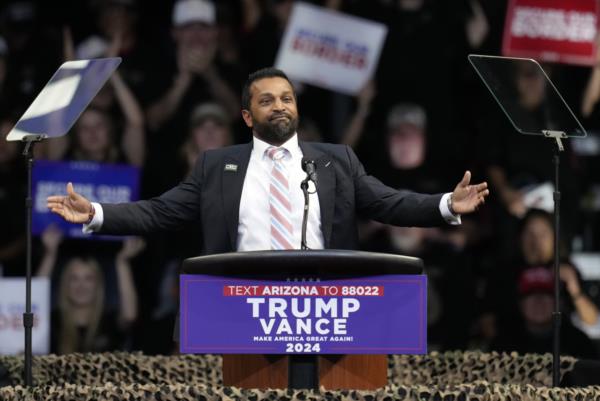
FBI Director Christopher Wray has informed bureau employees of his decision to step down at the conclusion of President Joe Biden's term in January. This announcement follows President-elect Donald Trump's intention to nominate Kash Patel as Wray's successor. Wray, who has served for nearly seven years of a 10-year term, emphasized his commitment to keeping the FBI focused on its mission and avoiding political entanglements.
Wray's resignation, while not unexpected given Trump's preference for Patel, underscores the unconventional nature of the transition. Trump, who appointed Wray in 2017, has expressed dissatisfaction with the FBI director on multiple occasions, culminating in the decision to replace him before the end of his term.
If confirmed by the Senate, Patel's appointment would mark a significant departure in leadership style at the FBI. Patel has advocated for structural changes within the agency and raised concerns about potential misuse of investigative powers.

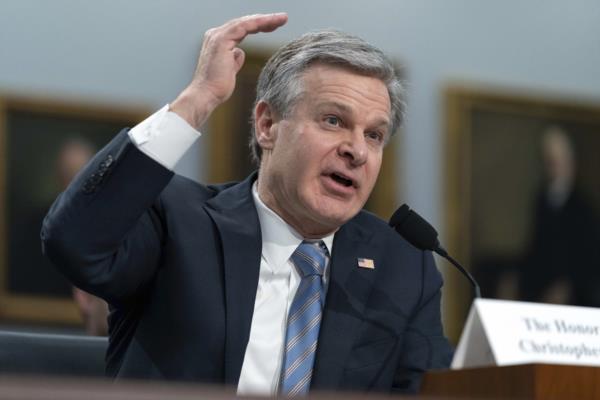
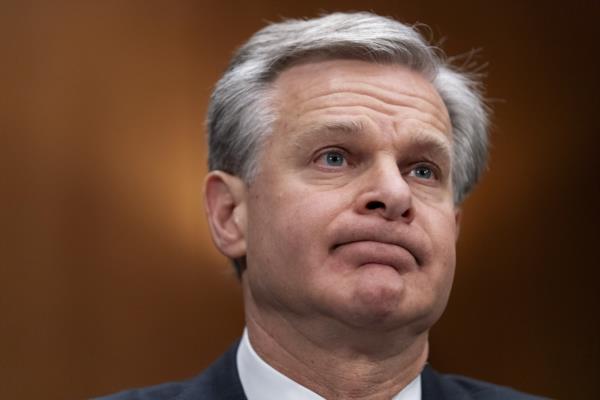
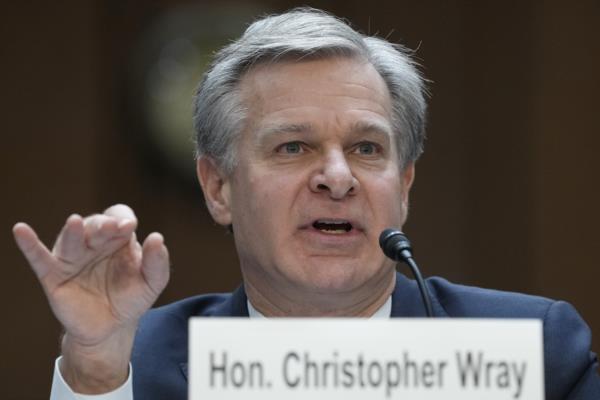
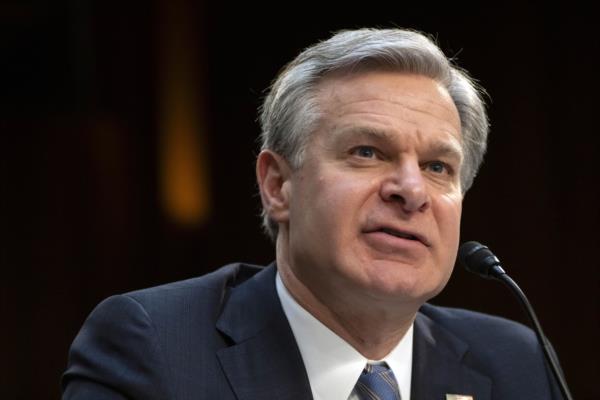

Despite facing criticism and challenges during his tenure, Wray received praise for his principled leadership and dedication to upholding the rule of law. Attorney General Merrick Garland commended Wray for his service, highlighting the FBI's role in safeguarding national security and civil rights.
Throughout his time as director, Wray maintained a steady approach to the job, prioritizing the FBI's operational effectiveness and professionalism. He navigated contentious issues, such as the Russia investigation and surveillance controversies, with a focus on the bureau's core responsibilities.
As Wray prepares to step down amid ongoing security threats, his legacy will be shaped by the FBI's efforts in combating crime, cyber threats, espionage, and terrorism. While political tensions have often overshadowed his tenure, Wray's emphasis on the bureau's mission and the dedication of its personnel remain central to his legacy.