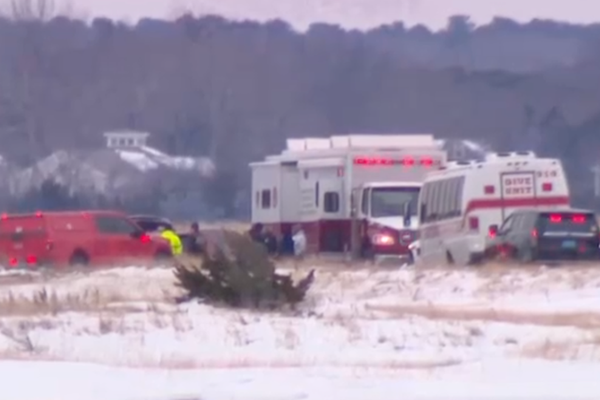
A tip off that a homeless man had overdosed on heroin and was in urgent need of medical attention led Mark Prescott and his drug and alcohol team colleagues to an area of wasteland near Aylesbury. On arrival they found one homeless man administering an injection of the drug naloxone to another – his unconscious friend – to block the effect of the opioid.
Within minutes Prescott had administered two further doses, the patient began to stir and was soon on his way to hospital. Yet another life had been saved by Inclusion’s naloxone project, whose groundbreaking work with drug users won the HSJ patient safety award in 2016. Inclusion, part of South Staffordshire and Shropshire Healthcare NHS Foundation Trust (SSSFT), provides drug, alcohol and psychological therapy services across the UK.
The sight of an ordinary person administering a life-saving injection is likely to shock some but it was no surprise to Prescott, clinical lead for Inclusion in Bucks, and his team. In fact, the homeless man who had supplied the first dose of naloxone had been trained by Inclusion to do so during one of their outreach sessions at a night shelter.
This practice may be controversial among some clinicians, but Prescott has no doubts about it and says: “It is a no brainer. Naloxone saves lives.
“It is a very good reminder to users of the dangers of the illicit use of heroin and seeing it work sticks in people’s minds. Now we can offer them something and say that it’s a life-saving thing. It’s a really good tool for people living in risky situations before you get them onto a care plan.”
During an overdose opioids fill the receptors in the brain, slowing and eventually stopping breathing. Naloxone works by temporarily taking the place of the opioid in the receptors, enabling the person suffering the overdose to breathe again.
Until 2015, naloxone could only be prescribed by clinicians but, with drug-related deaths rising, the law changed to allow drug services to supply naloxone to anyone in a position to save a life in an emergency. Inclusion anticipated the legislation coming into effect and trained 300 staff in advance to begin working with it from day one. As a result, Inclusion was the first service in the UK to work with naloxone in this way.

Innovative and effective approaches to overdoses such as the ones taken by the trust are needed to tackle drug-related deaths. In 2016, 2,593 people died of drug misuse in England and Wales, according to the Office of National Statistics. Catherine Larkin is Inclusion’s clinical director and head of the naloxone project. She says that since 2015, the project has saved 233 lives, trained 3,000 non-clinicians to use naloxone and by doing so has saved the NHS £700,000.
Larkin says Inclusion’s opiate recovery rate is 25% higher than the national average and believes the overdose reversal drug offers hope.
“It also allows us to engage with people who were not previously in treatment. We can go into hostels and shelters for the homeless, where we also give out health MOTs and flu vaccines. It’s about getting drug users more integrated into the health system.”
Larkin’s teams train hostel workers, police, homeless people, families of drug users and users themselves – anyone who comes into contact with drug users. It can take as little as 30 minutes for people to become competent at using the hypodermic needle. The training process includes teaching the person with the kit to recognise the signs of overdose, to ring 999 and to put the patient in the recovery position.
Prescott and Larkin have both seen how naloxone can not only saves lives, but can also change their course. In the case of the two homeless men who Prescott treated, both began engaging with the drug misuse service after the near-death experience. The man who suffered the overdose had not been known to services – like around 50% of those who suffer drug-related deaths. Now he is, the team can start to help him.
While drug and alcohol services and trusts across the UK have followed SSSFT’s lead in training non-clinicians to use naloxone, for Larkin, progress is not fast enough. She finds it difficult to understand why all of the 27 prisons and 23 individual drug and alcohol sites with whom Inclusion work with have not followed suit. She puts this down primarily to reservations over the method of delivering the antidote but thinks these will reduce once a naloxone nasal spray is available on the NHS.
She says: “My dream would be to have naloxone prescription to save lives as standard on a national basis like in Scotland, and also to have kits given out to every prisoner on release from prison. Drug-related deaths are on the up and naloxone is pivotal to changing that picture.”
Click here to find out more about the trust’s work turning lives around and how you could work for us.
Content on this page is paid for and produced by the South Staffordshire and Shropshire Healthcare NHS Foundation Trust.