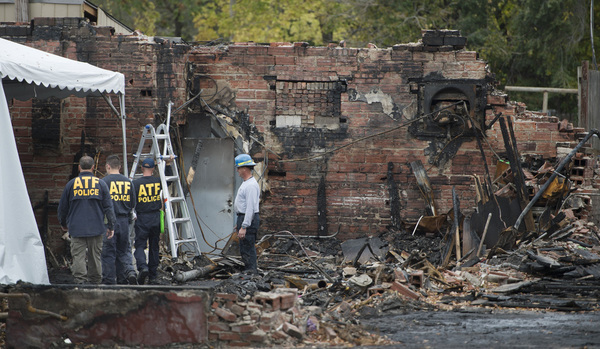
KANSAS CITY, Mo. _ They stood under fragile walls that would soon collapse.
They entered burning buildings without hoses to protect them.
They rushed into unstable _ and unoccupied _ structures.
And they died, often because their commanders made poor decisions and strategic errors that put them in excessive danger.
Over the last two decades, hundreds of firefighters were killed and tens of thousands injured in incidents that bore a grim connection: They had happened before in almost exactly the same ways.
The Kansas City Star, in a monthslong investigation, found widespread problems within America's fire service. Topping the list was that, in tragedy after tragedy, firefighters paid the price when fire departments didn't learn from others' mistakes.
"We are sadly unoriginal," said Kevin Kalmus, a fire captain in Austin, Texas. "We allow the same events to occur year after year that lead to firefighter fatalities."
"You see the same things over and over again," said Tim Merinar, who heads a federal team in West Virginia that has investigated firefighter deaths since the late 1990s.
"We are our own worst enemies in a lot of ways," shrugged Brian Kazmierzak, a fire safety officer in Indiana.
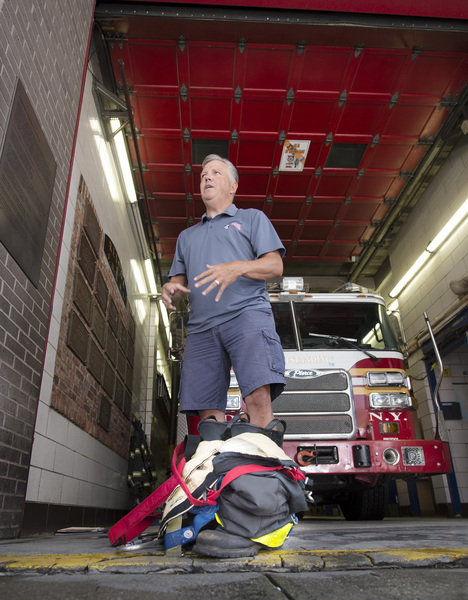
These lapses occurred, fire investigators and safety experts say, despite many science-based safety recommendations that have been widely circulated to the thousands of fire departments across the country.
No single explanation accounts for why best practices are often not followed. A perplexed U.S. Congress authorized a $1.2 million study in late 2012 to find an answer, but then neglected to provide the money to see it through.
Scores of firefighter fatality reports reviewed by The Star, however, suggest some answers: no national training requirements; complacency within some departments; little regulatory oversight; budget constraints that leave fire departments shorthanded; and poor judgment on the fireground.
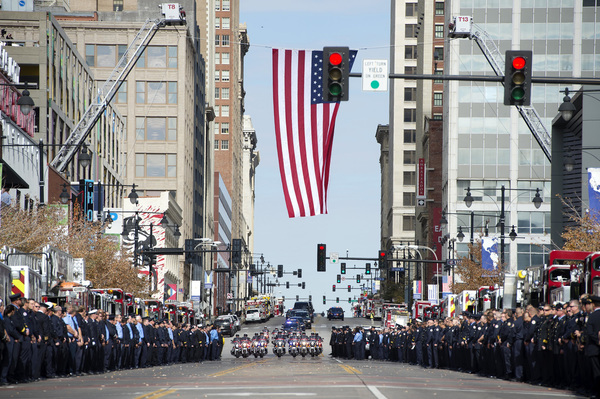
Kansas City firefighters John Mesh and Larry Leggio were killed in October 2015. A wall fell on the men in an alley that the Kansas City Fire Department said should have been evacuated because it had been declared unsafe.
What was remarkable about their deaths is how tragically unremarkable they were. Many other firefighters died before them in similar fashion while operating within a "collapse zone," an area considered too dangerous to enter because of the risk of structural failure.
A federal workplace safety agency that investigated many of those cases had recommended nearly two decades ago that every fire department adopt a written collapse zone policy.
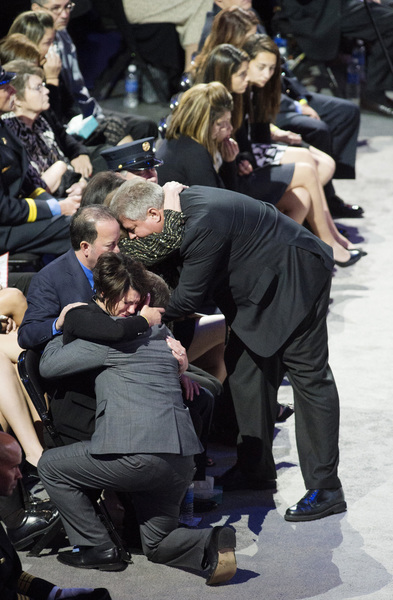
Yet the Kansas City Fire Department did not institute its policy until after the deaths of Mesh and Leggio _ not atypical for a dangerous profession that is more reactive than proactive when it concerns safety.