KANSAS CITY, Mo. _ Driven by a stiff wind, fire spread swiftly through the fertilizer plant in West, Texas, on that spring evening in 2013.
By the time the first volunteer fire companies arrived, flames engulfed the seed room and threatened storage bins laden with 60 tons of ammonium nitrate.
"Gonna blow!" a former firefighter who'd driven to the scene warned West's chief.
But as crews dragged hoses toward flames licking at stores of the same chemical Timothy McVeigh used to destroy the Oklahoma City federal building, a fire captain who worked at the plant was reassuring.
"It'll never get hot enough to blow up," he said.
Moments later, an orange fireball flashed. The explosion obliterated the West Fertilizer Co. plant, killing 15 people, 10 of them firefighters. It was the deadliest day since 9/11 for the American fire service.
The state fire marshal's office laid much of the blame for the April 17, 2013, disaster on the fire department's failure to follow safety standards.
Yet not a single firefighting regulation was broken.
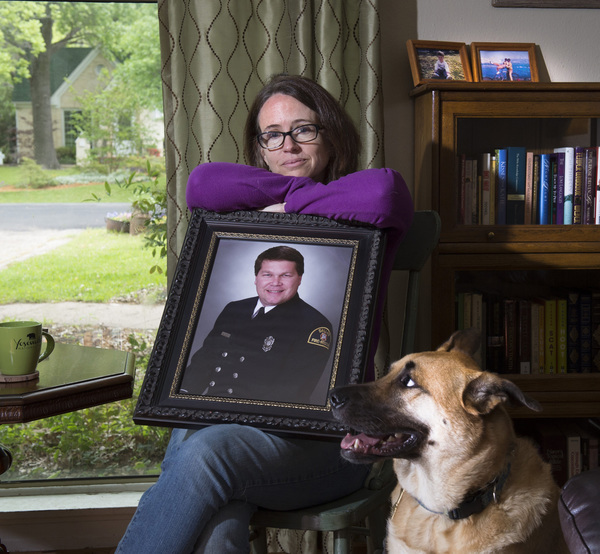
That same year, a Dallas fire commander sent Stan Wilson and his crew into an unoccupied building that was in danger of collapsing. Minutes later, the ceiling caved in, killing Wilson.
Once again, multiple investigations found blatant safety errors. But when Wilson's family considered holding the fire department accountable by filing a lawsuit, they were surprised to learn it couldn't be done because fire departments generally have immunity from such suits.
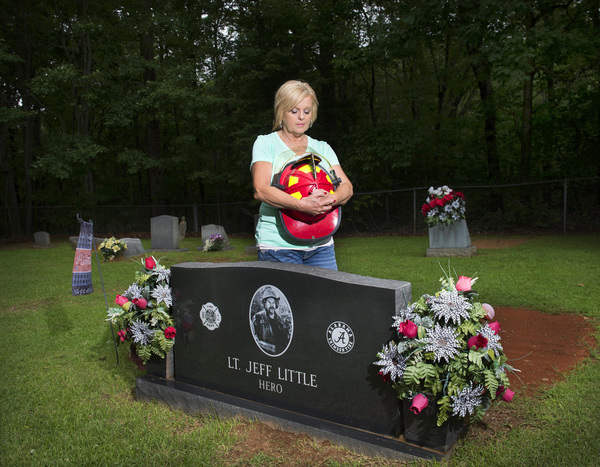
"You're a public employee and you die on the job due to gross negligence, and it's 'tough luck, Charlie,'" said Wilson's brother, Ken. "We have no recourse to hold anyone accountable for this."
Tough luck sums it up well on both the regulatory and legal fronts, The Kansas City Star found in an investigation of shortcomings in firefighter safety. In most occupations, there are rules to follow and legal consequences for flouting them.
Not necessarily with firefighters.
Because local fire departments are subject to no federal workplace safety rules and scant state regulation in much of the country, firefighters cannot count on government to help correct unsafe practices.
"OSHA cannot come in and do nothing for us, because we are not under OSHA," Waycross, Ga., firefighter Bill Jordan said.

And because the survivors of fallen firefighters generally cannot file wrongful-death lawsuits against fire departments in Missouri, Kansas and most other states, the fear of shelling out big damage awards won't spur departments to exercise more caution.
That lack of accountability, especially on the regulatory front, officials inside and outside government say, hampers efforts to prevent injuries and line-of-duty deaths.
"That's kind of the problem with the fire service," said Columbus, Ohio, battalion chief David Bernzweig, who is active in developing voluntary safety standards through a fire-service industry association, the National Fire Protection Association. "We don't fall under any federal regs."
Small advances on the regulatory front offer a glimmer of hope for firefighter safety advocates. But only a glimmer, because it could be years before the rules take effect _ if at all _ and then in only half the states.
The bottom line, according to the co-leaders of an OSHA committee working on new proposed regulations: "The nation has a moral obligation to protect those who protect our communities."