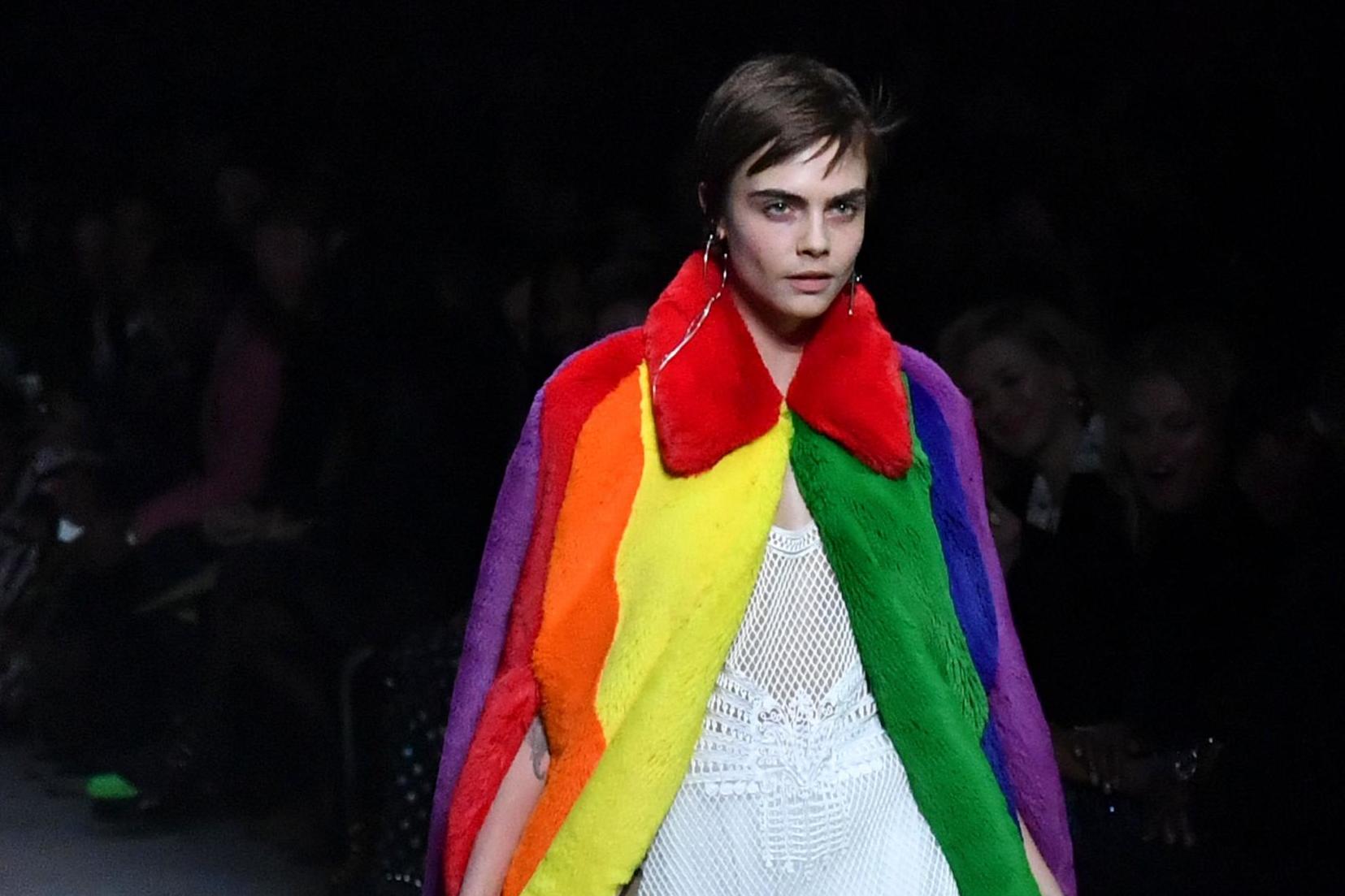
Fake fur has soared in popularity in recent years as shoppers become more ethically-conscious, but this is having an adverse effect on the planet, says MP Mary Creagh, who is currently leading a parliamentary inquiry into sustainability in the fashion industry.
While major fashion brands such as Burberry and Gucci have been praised for recently eschewing animal fur from their collections, the faux alternative might not be much better because these materials are made from synthetic fibres derived from fossil fuels that are contributing to greenhouse gas emissions.
Speaking to The Independent, the Labour politician explained how fake fur garments are also “almost impossible to recycle” and often end up in landfill as a result of a fast fashion culture that means clothes are worn and then discarded to make room for the next trend.
“Fashion tells us we can have anything we want, that we don’t want to kill animals to have our fur, but what they’re not telling us about is the carbon consequences of extracting the material for faux alternatives,” she said.
“These garments are made entirely out of artificial fibres like polyester that are a by-product of the petroleum industry.”
The Wakefield MP added that the often-cited sustainable method of taking these clothes to charity shops after use is also problematic, given that four out of 10 items donated don’t get sold due to an inundation of items.
“They’ve become a dumping ground,” she said.
The advent of brands specialising in faux fur, such as Shrimps and Charlotte Simone, has meant that the material is now highly sought after by mainstream shoppers and celebrities, with Kate Moss and Alexa Chung seen sporting the trend and inspiring others to do so.
While Creagh clarified she isn’t calling for a ban on fake fur, she said that shoppers need to be educated on the environmental consequences of their purchasing habits.
“Fake fur is one thing, but its problems are symptomatic of an entire industry that is rooted in overconsumption and aims to sell us something new every week,” she continued, adding that decreasing prices in high street shops (where some items are priced as low as £5) have fostered a culture of disposability in fashion, leading items to be worn just once or twice before being discarded.
Since the environmental audit committee’s inquiry began, Creagh noted how some fashion publications have been making efforts to promote vintage clothing and offer tips on sourcing old items.
“There has been some progress,” she said, “with magazines encouraging readers to rework old clothes and seek out second-hand items, such as cashmere.”
But faux fur and other unsustainable items are still heavily promoted, she added, meaning we have a long way to go if we’re to see real tangible change in the industry in regard to the environment.