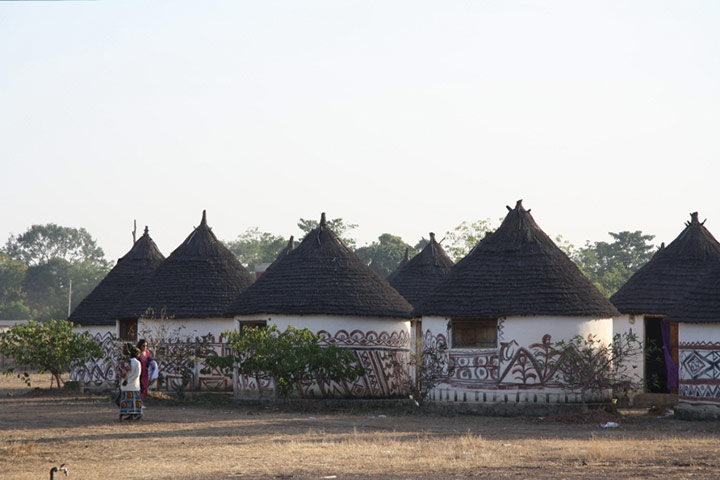
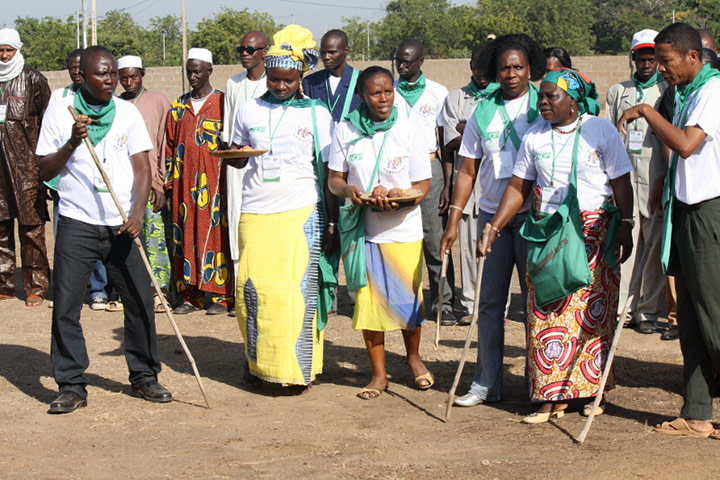
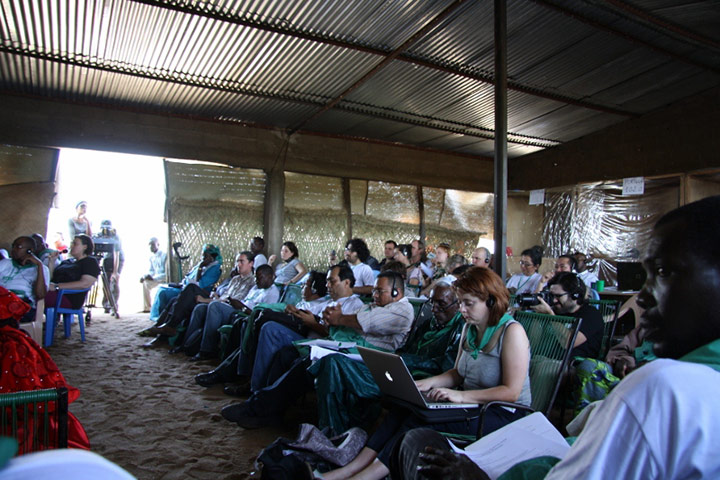
Hundreds of small farmers and civil society activists gathered at the Nyéléni Village, a centre for agro-ecology training facility near Sélingué, southern Mali, for the first international farmers’ conference to tackle the global rush for farmland Foreign investment in Mali's arable land increased by 60% between 2009 and 2010, according to a report published to coincide with the conference. Photograph: La Via CampesinaIn a longstanding tradition of Via Campesina, the international peasant movement, the conference kicked off with a 'mystica' – a creative ceremony intended to depict sociopolitical struggles and stimulate debatePhotograph: La Via CampesinaEstimates suggest that nearly 230m hectares of land – an area the size of north-west Europe – have been bought or leased, largely in Africa, mostly by foreign companies, in thousands of secretive deals made since 2001Photograph: Salena Tramel
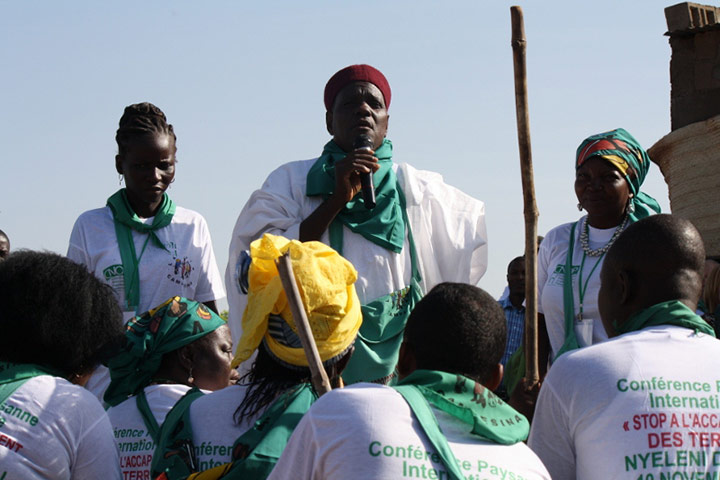
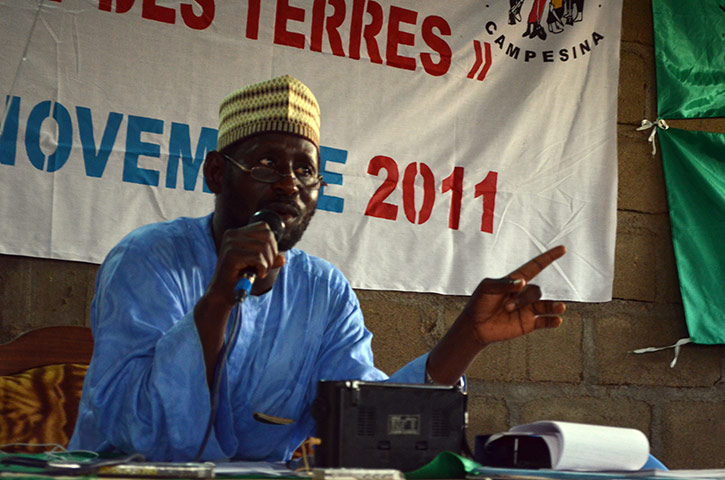
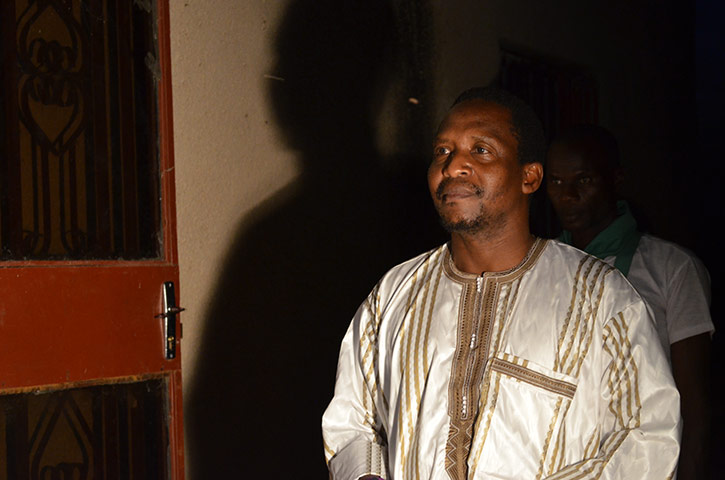
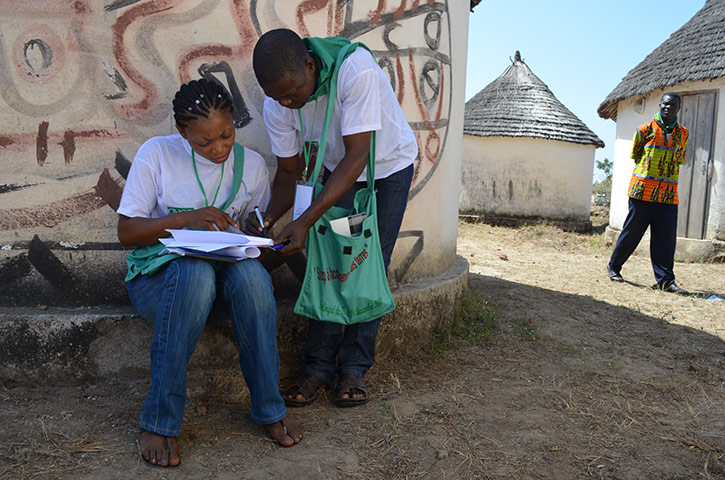
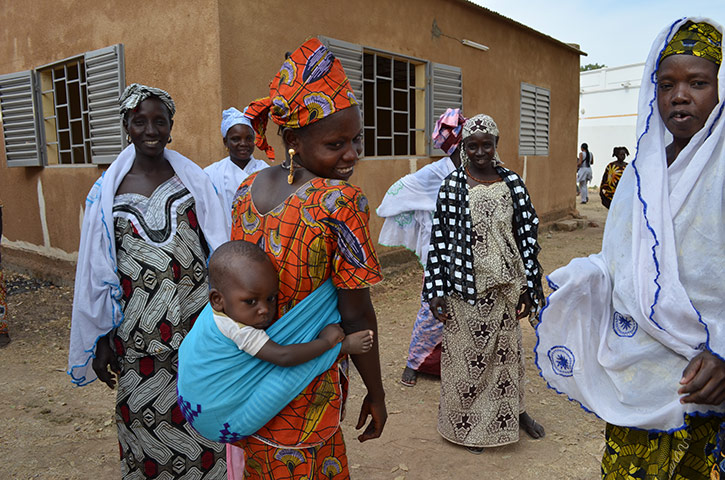
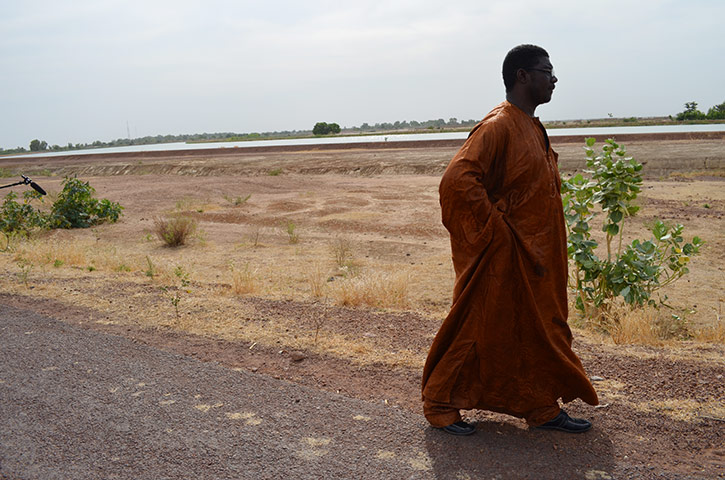
While large land deals have received increasing attention from international organisations, conference organisers, from the Malian national farmers' organisation and the international peasants' movement La Via Campesina, argue this has often been directed by large NGOs and rarely by small farmers themselvesPhotograph: La Via CampesinaDjibo Bagna, of the Network of Farmers' and Agricultural Producers' Organisations of West Africa (Roppa) addresses the conference, which was attended by delegates from more than 30 countries. ‘We are so impressed with the African movements,’ said Rafael Alegria, a founding Via Campesina member from Honduras. ‘They have helped us articulate a truly global voice’Photograph: Salena TramelIbrahima Coulibaly, president of the National Confederation of Peasant Organisations (CNOP) in Mali, said: ‘The land has belonged to our communities for generations. We are here to find solutions, to fight together against the national and multinational agendas that seek to displace us. That all starts with telling our stories and organising to mobilise farmers’Photograph: Salena TramelDelegates from the Democratic Republic of the Congo get ready to facilitate a workshop where representatives from 15 countries gave testimonies of how land grabbing has affected themPhotograph: Salena TramelWomen from Kolongo greet African and international delegates in their village. Kolongo is the site of a number of contentious land deals. One farmer explained: “We have been living in our villages for hundreds of years, yet nobody came and told us about these projects. Then one day, this machine came and started to dig. They gave us a paper which we could not read. So we had to show it to somebody who could tell us what it said. The paper said that we had to leave our land and our farms." Photograph: Salena TramelA conference delegate walks past what used to be a cemetery in Kolongo, home to Mali’s most contentious land grab to date. ‘They dug up a cemetery, they robbed us of our harvest and ruined our land,’ said one local farmer. ‘We organised a forum in Kolongo one year ago and we are still struggling for our rights, but we are really suffering’Photograph: Salena Tramel‘We are decolonising Africa here,’ said Elizabeth Mpofu, from Zimbabwe. ‘Our job is to come up with democratic declarations at the grassroots level. It’s up to us to make sure that they reach our governments.’ The global alliance against land-grabbing, launched at the conference in Nyeleni, aims to strengthen networks of small farmers and establish a Peoples' Observatory to document cases of land grabs. It will gather information and evidence about the process and the impact it is havingPhotograph: La Via Campesina
Sign up to read this article
Read news from 100’s of titles, curated specifically for you.