An English farmer who walked away from intensive wheat farming nearly four decades ago has inadvertently helped create one of central England's largest young woodland nature reserves.
Strawberry Hill, a 377-acre site near Knotting in Bedfordshire, has now secured permanent protection after the Wildlife Trust for Bedfordshire, Cambridgeshire and Northamptonshire (BCN) completed its purchase of the land.
The conservation success came after a public fundraising campaign raised its £1.5 million target, with thousands of people contributing to ensure the former farmland would remain a haven for wildlife rather than return to intensive agriculture.
How a wheat farm became a nature reserve
Strawberry Hill was once intensively cultivated for wheat, with the land regularly ploughed and treated with fertilisers and pesticides.
In 1988, landowner Hugh White became frustrated with government agricultural policies, including subsidies and production quotas. He subsequently placed the entire farm into the European Union's set-aside scheme, which encouraged farmers to leave agricultural land unused in an effort to reduce grain surpluses.
When the financial incentives associated with the scheme eventually ended, White decided not to resume intensive farming.
Instead, the land was left largely undisturbed.
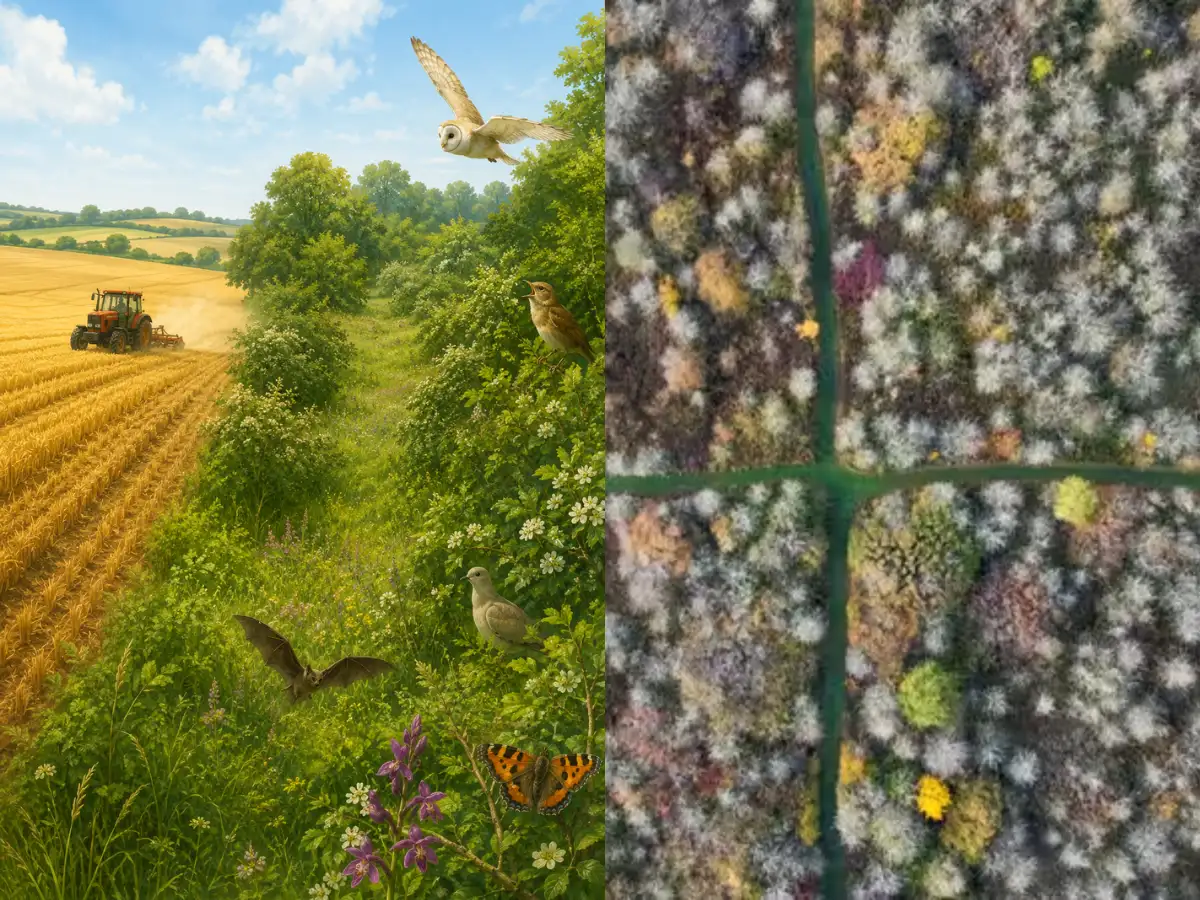
Over the following 35 years, nature gradually transformed the former wheat fields. Regular ploughing stopped, along with the routine use of fertilisers and pesticides. Hawthorn bushes, grassland, scrub and young woodland slowly spread across the property.
Former farmland now shelters threatened birds
The transformation has created a remarkably diverse habitat.
According to ecological surveys by the Wildlife Trust for BCN, Strawberry Hill is now particularly important for threatened bird species. The site is home to around half of all breeding nightingales recorded across Bedfordshire.
Local wildlife records also show that the abandoned fields became home to barn owls and other farmland birds.
The natural regeneration has gone far beyond birds. The reserve now supports 11 species of bats, turtle doves, warblers, wild orchids and a wide range of insects, including native butterfly species.
Farmer's decision allowed nature to take over
White's decision to leave the land alone was initially rooted in his dissatisfaction with agricultural policy rather than a plan to create a nature reserve.
But the consequences became increasingly clear over the decades.
Without intensive cultivation, the soil and landscape were given time to recover, while grasses, shrubs and trees gradually established themselves. What had once been large expanses of wheat fields evolved into a mosaic of grassland, scrub and young woodland.
After White and his wife died, their children wanted the property to go to a buyer who would preserve its natural character rather than bring it back into intensive agricultural production.
Wildlife Trust launches campaign to save Strawberry Hill
The Wildlife Trust for BCN initially managed Strawberry Hill under a lease. Conservation loans from ethical lending group We Have the Power and the Esmée Fairbairn Foundation helped support the project.
A grant from Biffa Award, a landfill community fund, subsequently enabled the trust to purchase the first half of the property.
However, the remaining land still lacked formal environmental protection, creating uncertainty over its future.
The Wildlife Trust therefore launched a public appeal to raise £1.5 million to secure the rest of the site.
Guardian story helps fundraising campaign take off
The campaign received a major boost after The Guardian published a report about Strawberry Hill and its unusual journey from intensive farmland to wildlife habitat.
According to the Wildlife Trust for BCN, donations accelerated rapidly following the article, rising from around £100,000 to the full amount required.
More than 3,800 people contributed to the campaign, with members of the public providing almost £500,000 of the total raised.
The grassroots response included two young local brothers who set up a roadside lemonade stall to raise money for the conservation effort.
The remaining funds came through major private donations and grants from environmental charities, allowing the Wildlife Trust to reach its £1.5 million target.
Wildlife Trust praises public support
Brian Eversham, chief executive of the Wildlife Trust for BCN, described the public response as extraordinary.
He praised the thousands of people who donated to the campaign and said the effort demonstrated the strength of public support for protecting wildlife and natural landscapes.
Eversham also credited The Guardian and its readers for helping bring attention to Strawberry Hill. He said the rapid increase in donations after the newspaper's report demonstrated how positive environmental stories could inspire people to take action.
Inputs from agencies