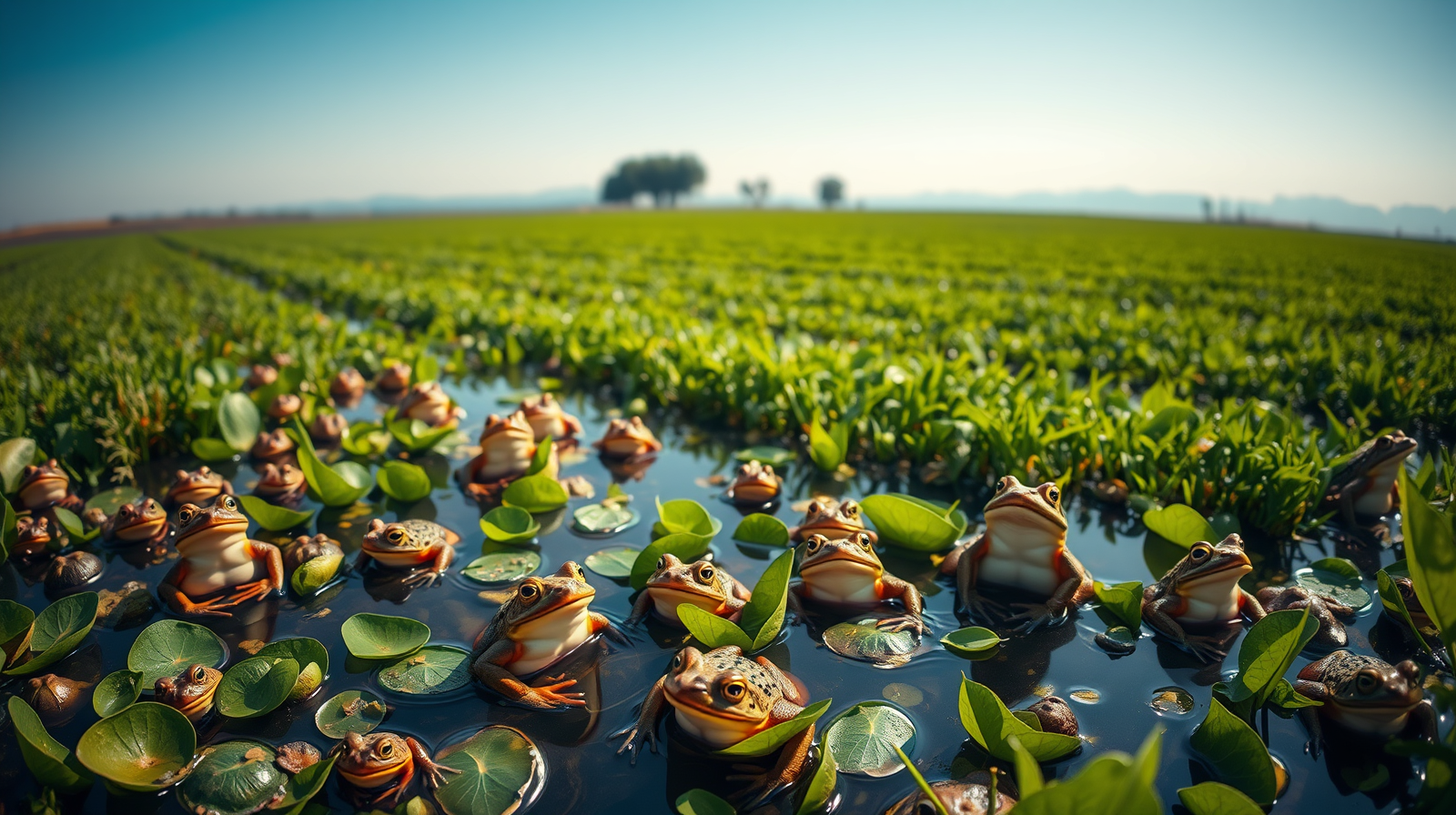
Wetlands in agricultural lands in southern Brazil might be silently harming frogs’ genes, with aquatic frogs being most affected, according to a recent peer-reviewed study published in Ecotoxicology. The scientists found that frogs living around intensively cultivated wetlands had a much larger number of abnormalities in their blood cells due to DNA damage than frogs living around natural wetlands. This suggests that modern agricultural practices may be affecting wildlife in ways that are not immediately visible.
Get breaking news anytime, anywhere. Download the TOI app now!
Scientists detected genetic damage
The research entitled Living on the edge: agricultural land use increases genotoxic damage in amphibians on southern Brazilian wetlands was published in Ecotoxicology, a Springer Nature journal.
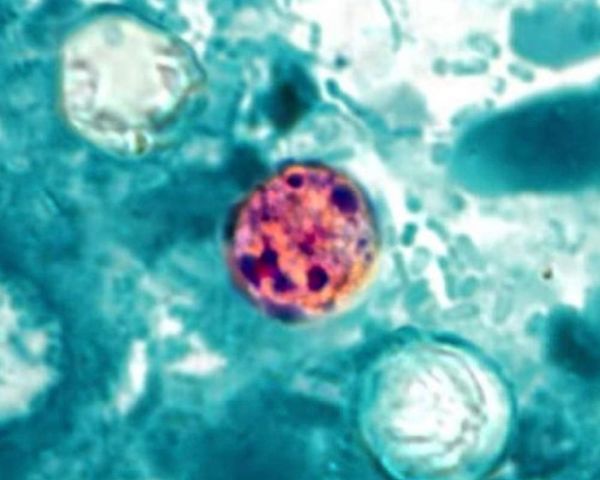
The study was conducted by Brazilian scientists. They studied 209 adult frogs collected in September–December 2019 at the wetlands of Tapes, the municipality of Rio Grande do Sul. More than 418,000 red blood cells were examined for micronuclei and other nuclear abnormalities, which are well-known markers of DNA damage and cellular stress.
According to the study, all types of blood-cell abnormalities were more frequent in agricultural wetlands than in the relatively conserved palm grove wetlands. In total, the frequencies of nuclear abnormalities were 27 per cent higher, micronuclei were 25 per cent higher, and other nuclear abnormalities were 58 per cent higher. The scientists concluded that agriculture promotes genomic instability in amphibians.
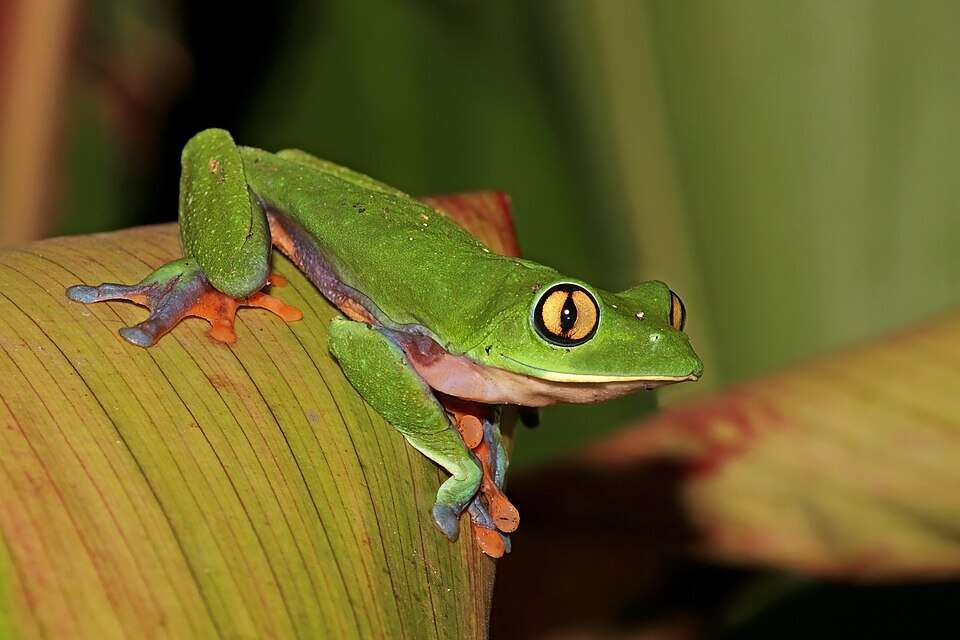
Aquatic frogs had been the most adversely affected
The study examined two amphibian species. The first was Pseudis minuta, a semi-aquatic frog that spends much of its life underwater. The second species, Dendropsophus sanborni, was a tree frog that spent most of its adult life on vegetation. Pseudis minuta showed the highest level of DNA anomalies. The researchers said its constant exposure to water and sediment likely increases exposure to agricultural contaminants through runoff.
The authors said ecological characteristics play a significant role in determining vulnerability to pollution.
Why frogs are important
Amphibians are regarded as highly effective bioindicators because their porous, thin skin readily absorbs substances from the environment. Because amphibians depend on both water and land during their life cycle, they are especially sensitive to environmental change. The article says amphibians are currently the most threatened group of vertebrates on Earth because of habitat loss, pollution, and disease. According to the International Union for Conservation of Nature (IUCN), amphibians are the world's most threatened group of vertebrates, with habitat loss, land use change, pollution, disease, and climate change among the key drivers of their decline.
The scientists argue that studying frogs can help detect environmental problems early.
The connection between agriculture and wetlands is becoming closer
Southern Brazil is one of the country's most productive agricultural regions, especially for irrigated rice and soybean crops. According to the research paper, herbicides such as glyphosate and 2,4-D are commonly used across the region. However, although the scientists did not measure pesticide concentrations in water samples, they believe wetlands may be contaminated in several ways by nearby agricultural activity.
The authors also note that the palm grove wetlands did not receive direct pesticide applications but may have been exposed indirectly because of their proximity to cultivated land. Similar studies have also found that agricultural pollution affects DNA and causes physiological stress in amphibians.
Implications of the results
The researchers say their results suggest more attention should be paid to less obvious indicators of environmental damage.
Although the pollutants do not necessarily cause immediate death, they may contribute to genetic instability with possible effects on reproduction and survival; the study did not directly examine those long-term outcomes. The authors stress the need to broaden environmental monitoring by using multiple biological indicators and species with different lifestyles. They also emphasize the need to measure pesticide concentrations directly in wetlands and animal tissues to better understand exposure levels.
As global agriculture expands, the researchers say wetland conservation will require better land management and reduced agrochemical pollution. The study adds to research showing that intensive farming can affect species beyond cropland boundaries.