Get all your news in one place.
100's of premium titles.
One app.
Start reading
Reuters
Reuters
Business
Agnieszka Barteczko and Kacper Pempel

Farewell to coal: a Polish city wakes up and smells the blossom

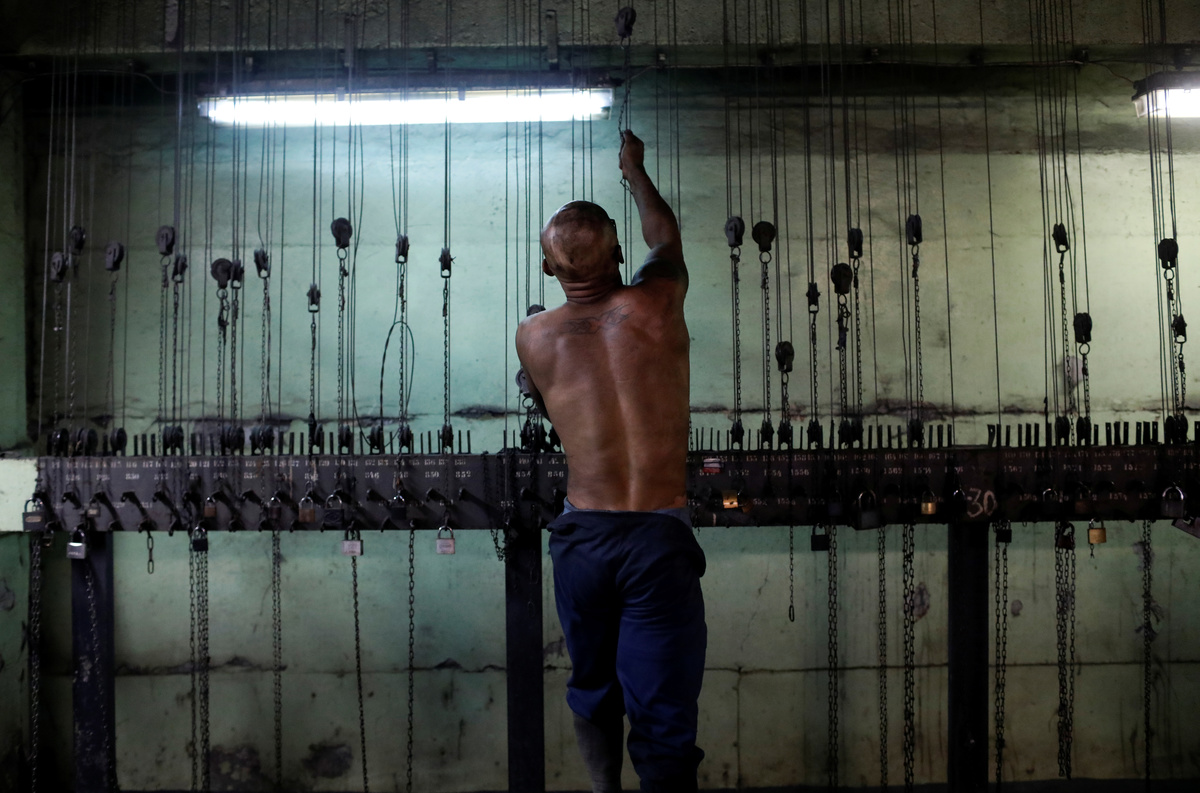
A miner holds a chain to get his clothes at the cloakroom inside the Wieczorek mine, in Nikiszowiec district in Katowice, Poland, November 26, 2018. REUTERS/Kacper Pempel

NIKISZOWIEC, Poland (Reuters) - When the Wieczorek mine, one of the oldest coal mines in Poland, closed in March, Grzegorz Chudy noticed for the first time the neighborhood was vibrant with trees in the full bloom of spring. The smell was heady.

"It was incredible. You never knew all those trees were there," he told Reuters in his art studio in a housing estate for mining families in the southwestern Polish city of Katowice.
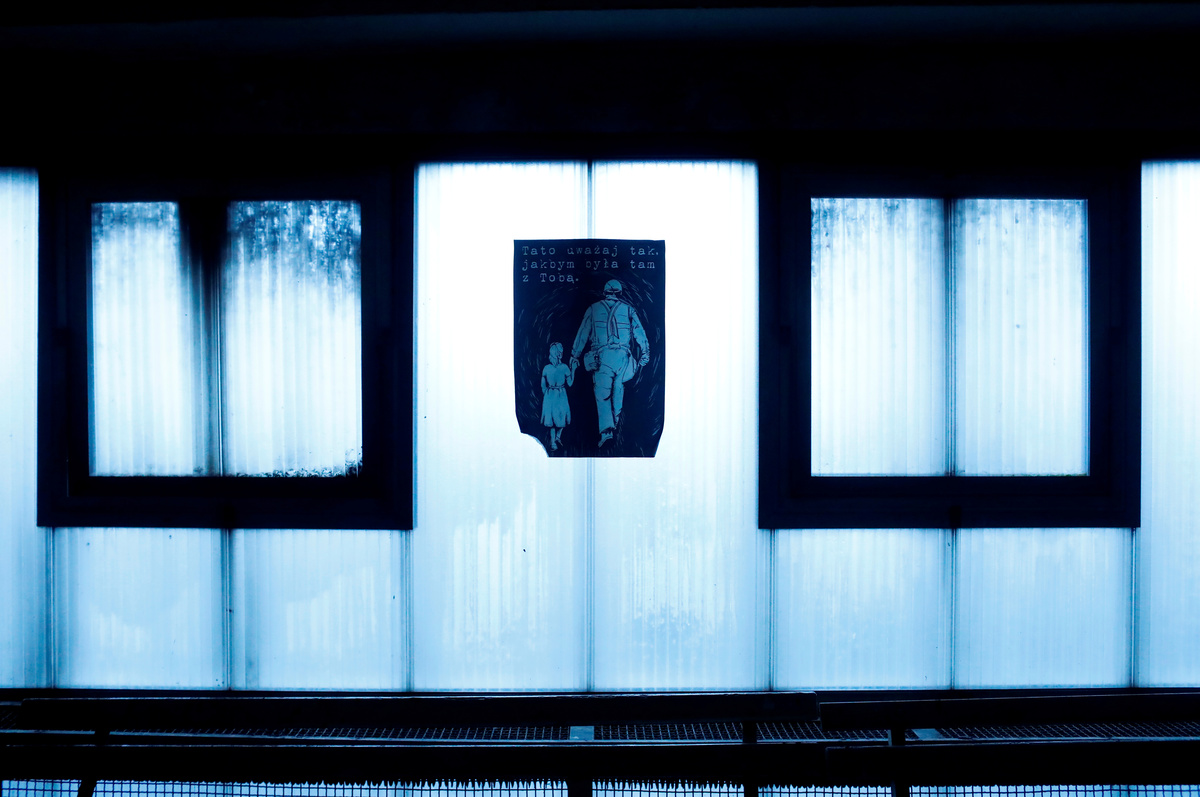
A poster with words "Daddy, be careful as if I, was there with you" hangs on a window inside the Wieczorek mine in Nikiszowiec district in Katowice, Poland, November 26, 2018. REUTERS/Kacper Pempel

"The smell wasn't there while coal was being transported on trucks. The dust covered it up."

The Wieczorek mine in Katowice, with its towering brick shaft, is among dozens closing down throughout Poland, home to one of the most polluted coal mining regions in Europe.

(To see picture package, click on https://reut.rs/2E7wPaO)
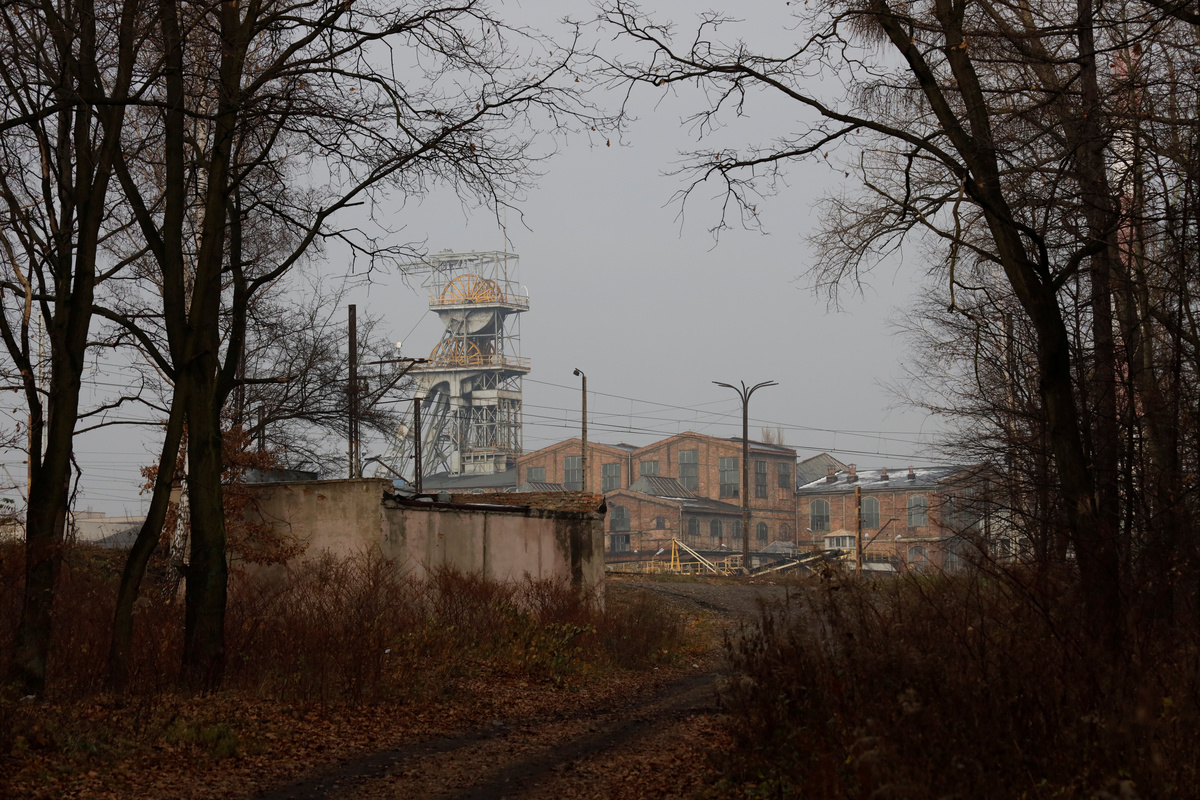
The Wieczorek mine is seen from a nearby forest in Nikiszowiec district in Katowice, Poland, November 23, 2018. REUTERS/Kacper Pempel

From Sunday, Katowice will host a round of United Nations climate talks, at which nearly 200 countries will attempt to agree rules on how to shift the world economy from fossil fuels to try to curb rising temperatures.

The meeting comes as the World Meteorological Organization warned on Thursday that global temperatures were on course to rise by 3-5 degrees Celsius (5.4-9.0 degrees Fahrenheit) this century, overshooting a global target of limiting the increase to 2C.

Reaching agreement on how to implement ambitious fossil fuel cuts at the talks could be tough given fears over the impact on industry which have divided the European Union and trade tensions between the United States and China.
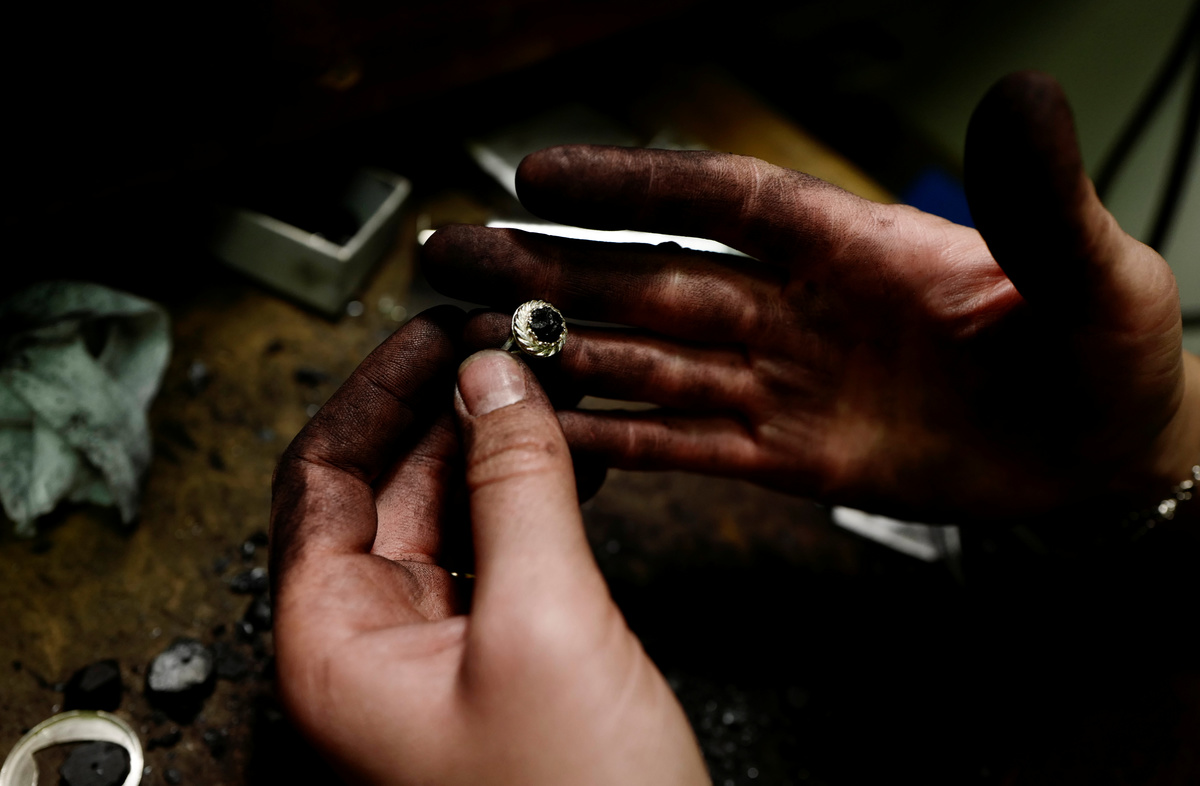
Jeweller Katarzyna Depa, 26, who makes jewellery from coal, holds a silver ring with coal at her atelier in Katowice, Poland, November 26, 2018. REUTERS/Kacper Pempel

Poland has painful experience of the difficulty of an economic transition from coal and even as it counts down to Sunday, it announced plans for a new coal mine in the south of the country.

Its government drew support in part from those with an emotional attachment to the job security, social fabric and national pride associated with mining that overlooked the downside for health and the planet.

The issue resonates especially with older Poles who remember deadly anti-communist protests in the early 1980s when the miners emerged as heroes.
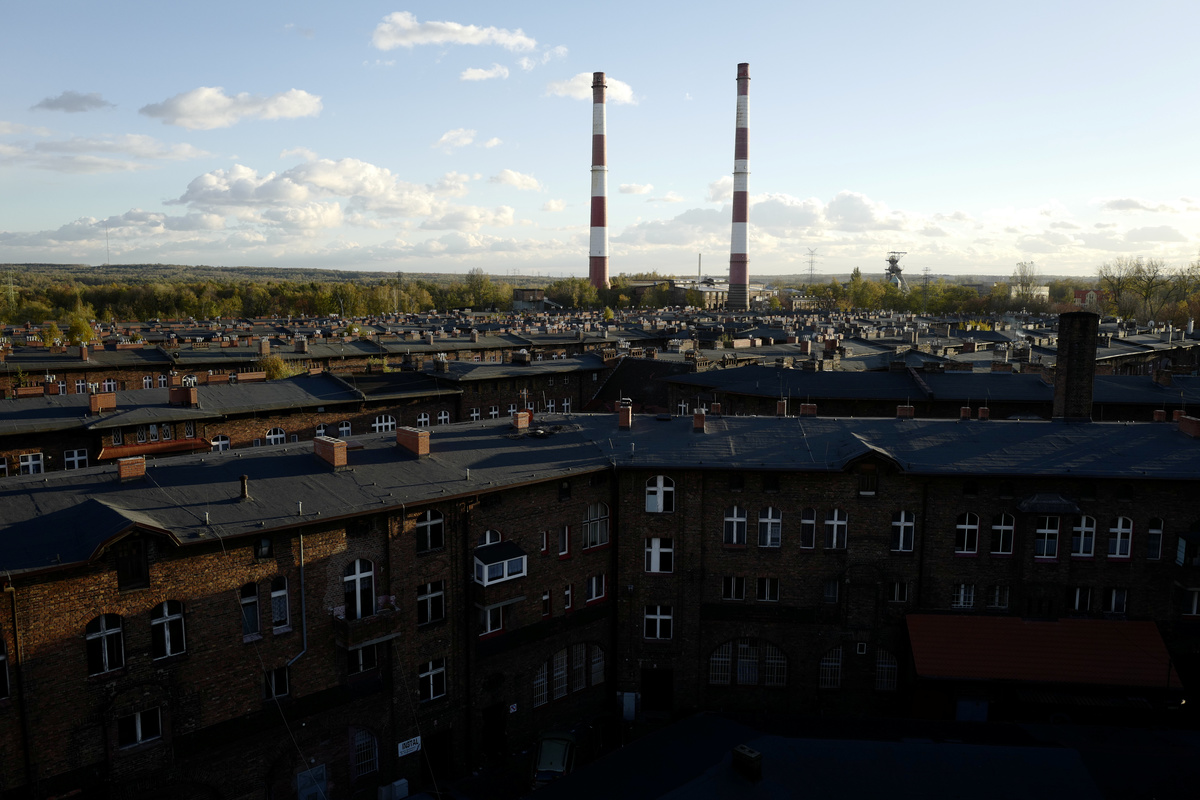
Houses and the Wieczorek mine power plant chimneys are seen in Nikiszowiec district in Katowice, Poland, October 24, 2018. REUTERS/Kacper Pempel

BLACK GOLD

Chudy, 36, whose paintings often depict the life and architecture of Nikiszowiec, is one of hundreds of people who have moved to the area, drawn by its industrial feel and affordable housing. 
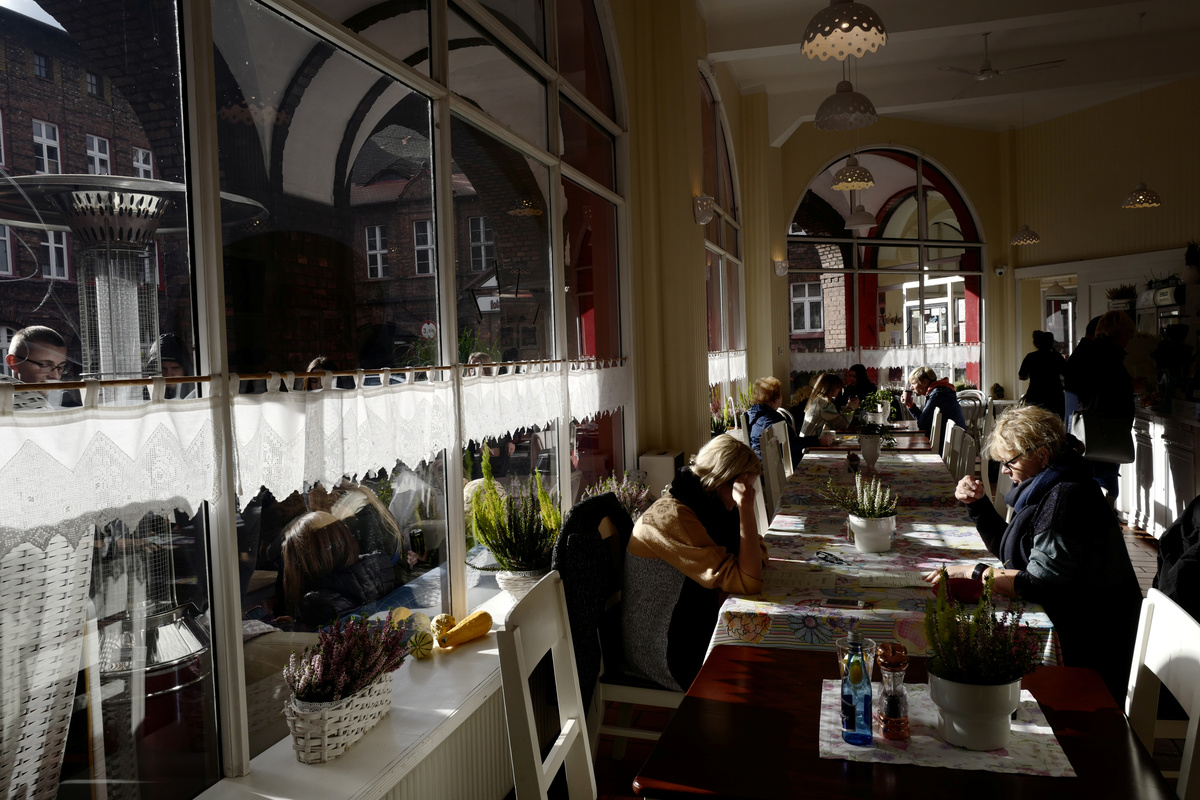
People spend time at Cafe Byfyj in Nikiszowiec district in Katowice, Poland, October 24, 2018. REUTERS/Kacper Pempel

Built to house the families of miners at the start of the 20th century, Nikiszowiec was designed as a self-sufficient neighborhood with its own communal bread ovens and pigsties, as well as a bath house for miners and laundry and mangle facilities.

In the years after communist rule ended in Poland in 1989 and the mining sector started to shrink, the area became notorious for crime and poverty. 

Such problems have all but disappeared as the area has become gentrified and the bold decision to hold the climate talks in the region could also help to shift opinions.
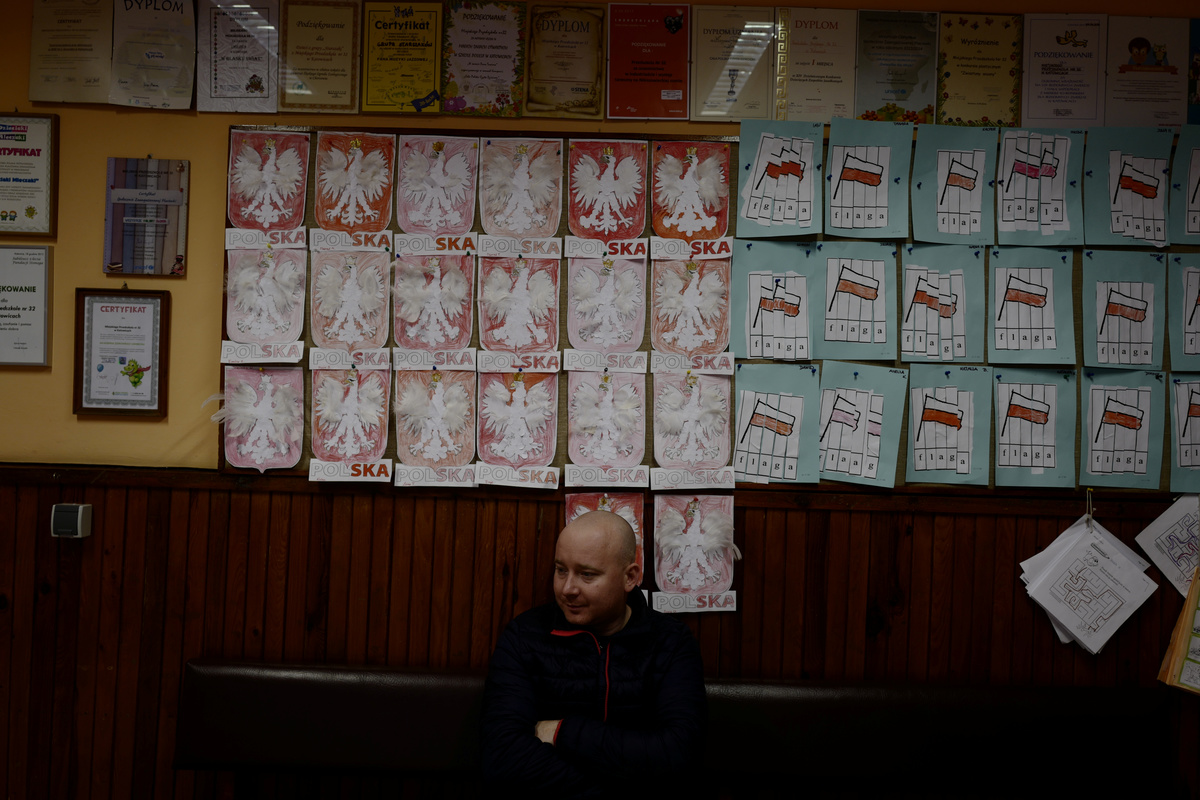
Miner Krzysztof Zawisza, 32, waits for his daughter Julia, 6, at a kindergarten near Nikiszowiec district in Katowice, Poland, November 8, 2018. REUTERS/Kacper Pempel

Those in the artistic community say their work could only exist with the inspiration provided by decades of mining.

"For me using coal in a different way than it used to be, which was energy, shows its completely new face, so we can call it our new, cool black gold," Katarzyna Depa, who makes jewelry from coal, said.

But for those with mining in the blood, moving on is harder and the smell of coal dust is as sweet as blossom.
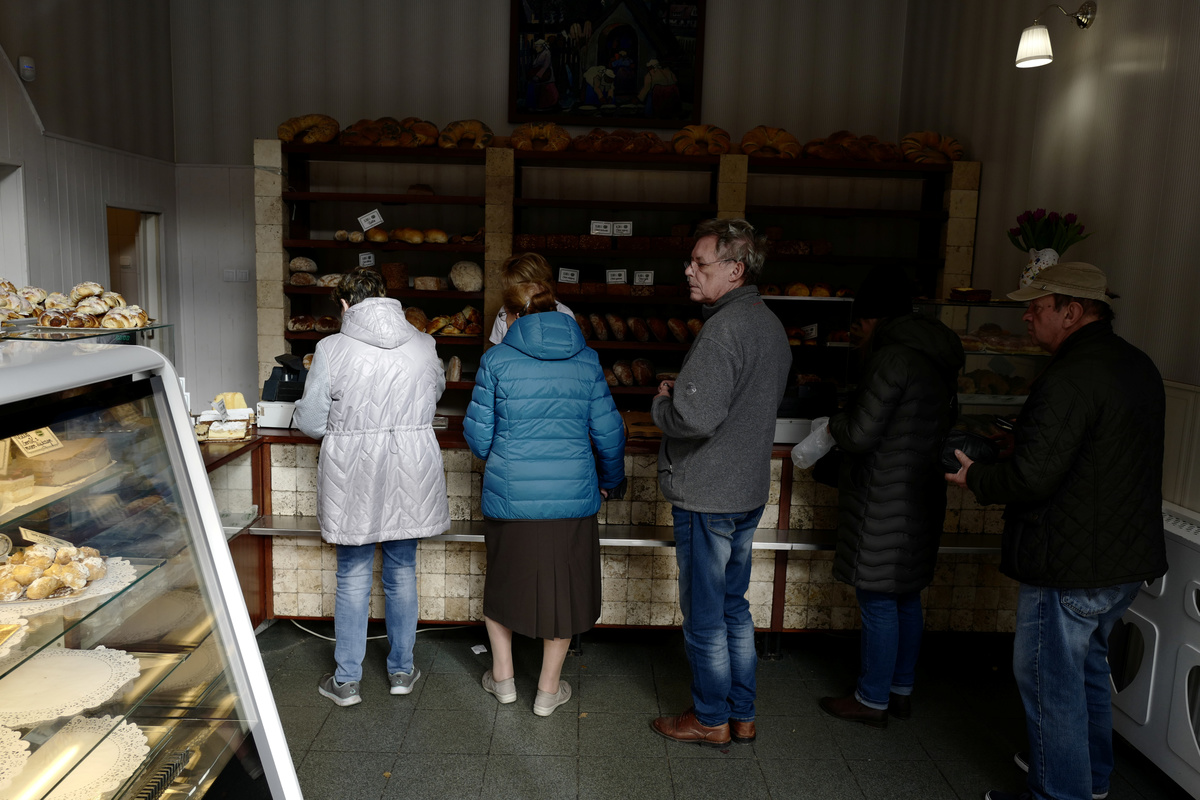
People stand in line at Byfyj bakery in Nikiszowiec district in Katowice, Poland, October 24, 2018. REUTERS/Kacper Pempel

Above all they miss the community spirit even if it meant shared danger and hardship.

"The atmosphere used to be much better," miner Krzysztof Zawisza said. "On Friday or Saturday evening people were coming out to sit on the banks, drink some beer, have a barbecue. Now I do not know most of those who have come here."

(This story fixes typo in paragraph 7)
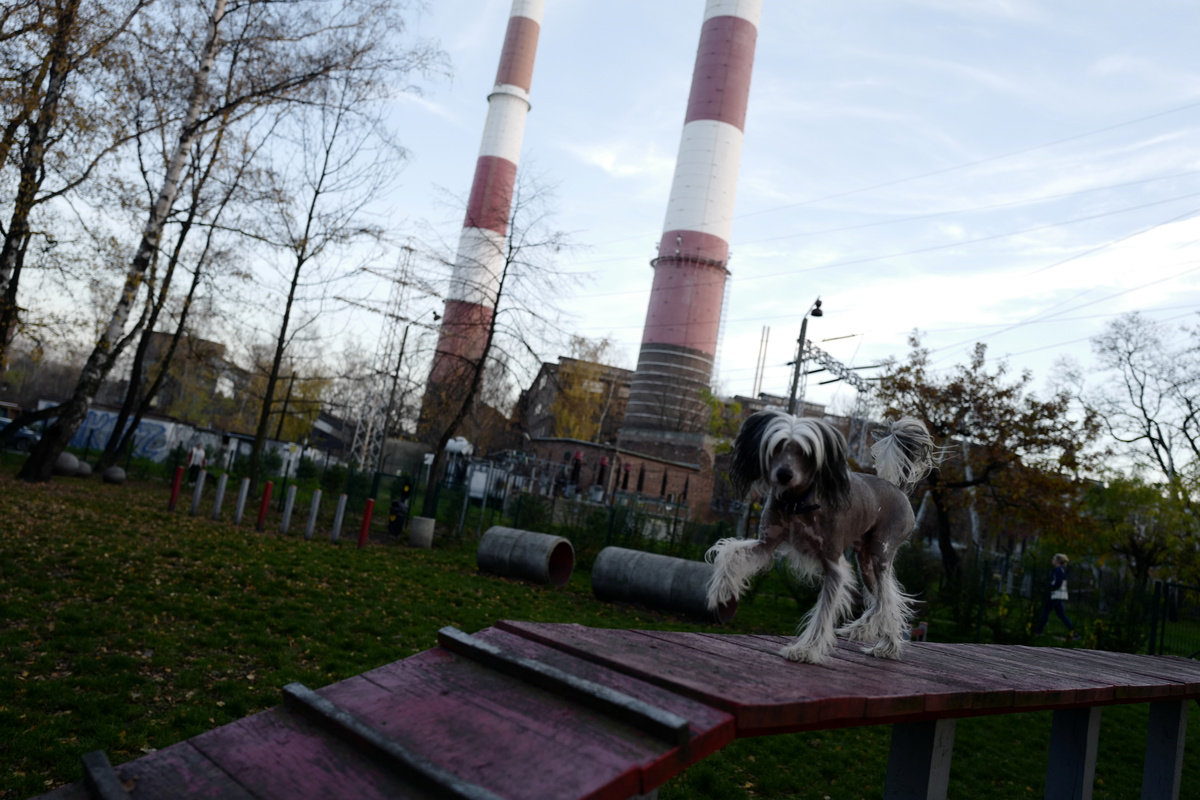
A dog plays at a dog park next to houses in Nikiszowiec district in Katowice, Poland, November 7, 2018. REUTERS/Kacper Pempel

(Additional reporting by Kacper Pempel and Karol Witenberg; editing by Justyna Pawlak/Barbara Lewis and Emelia Sithole-Matarise)
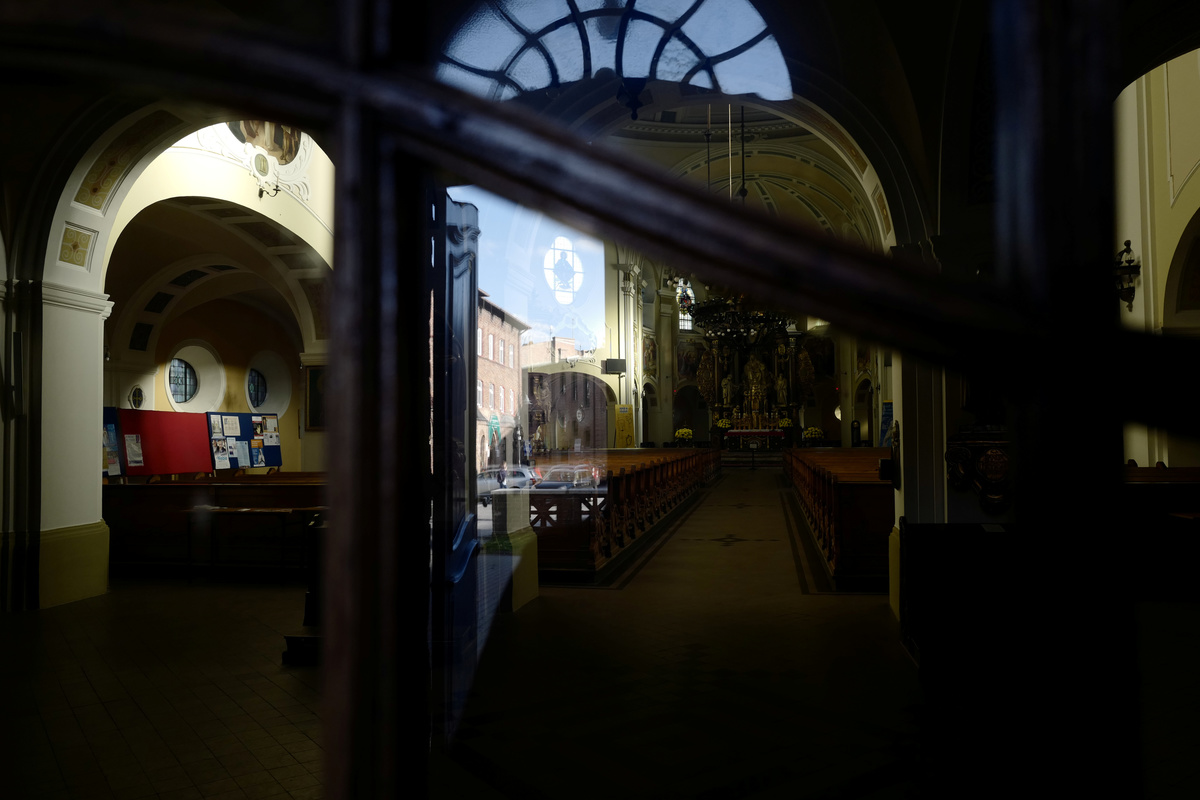
The entrance of a church is seen in Nikiszowiec district in Katowice, Poland, October 31, 2018. REUTERS/Kacper Pempel
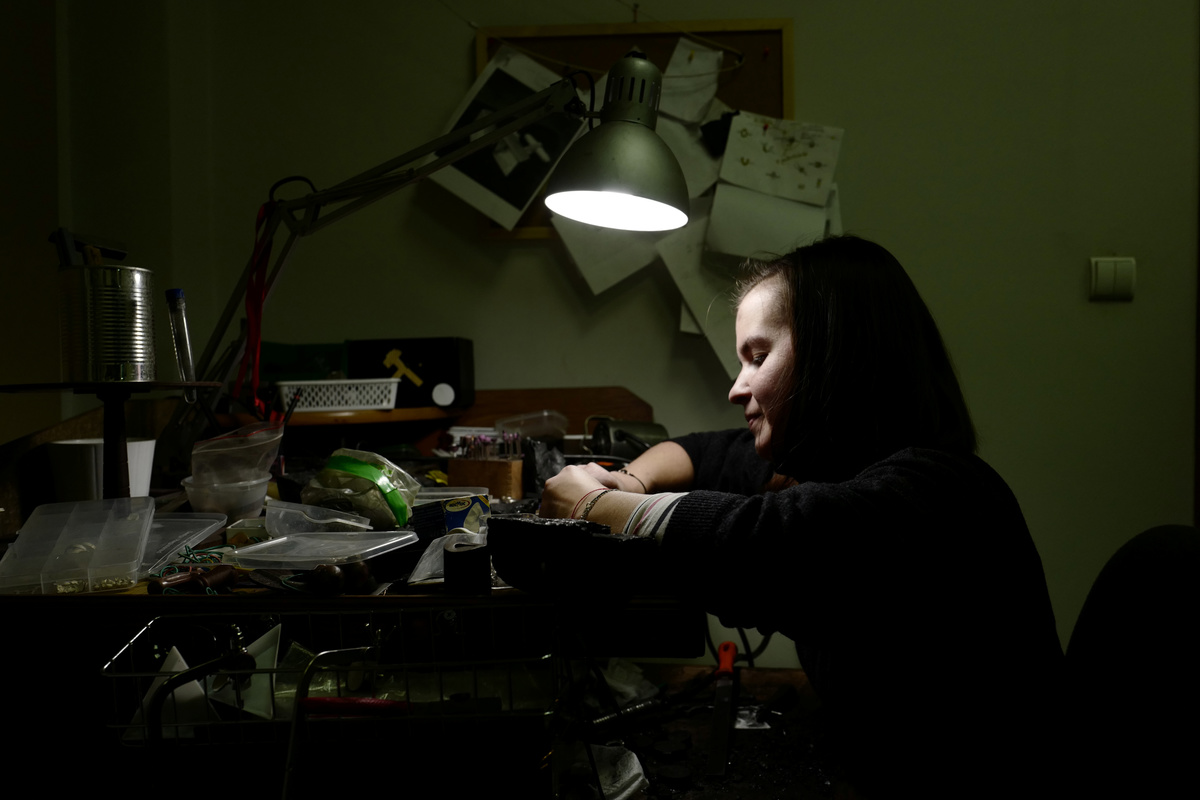
Jeweller Katarzyna Depa, 26, who makes jewellery from coal, works at her atelier in Katowice, Poland, November 26, 2018. REUTERS/Kacper Pempel
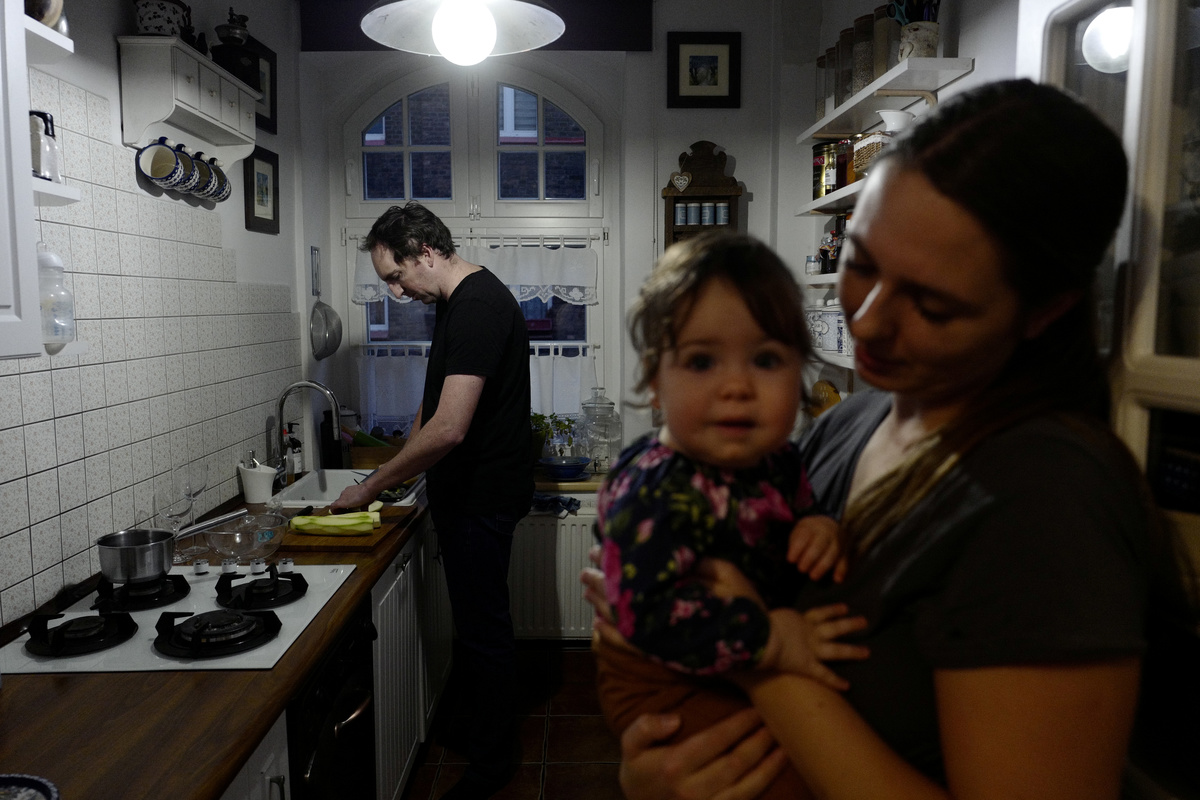
Artist Grzegorz Chudy, 36, cooks at his home as his wife Aleksandra, 36, stands by holding their nine-month-old child Kinga in Nikiszowiec district in Katowice, Poland, November 26, 2018. REUTERS/Kacper Pempel
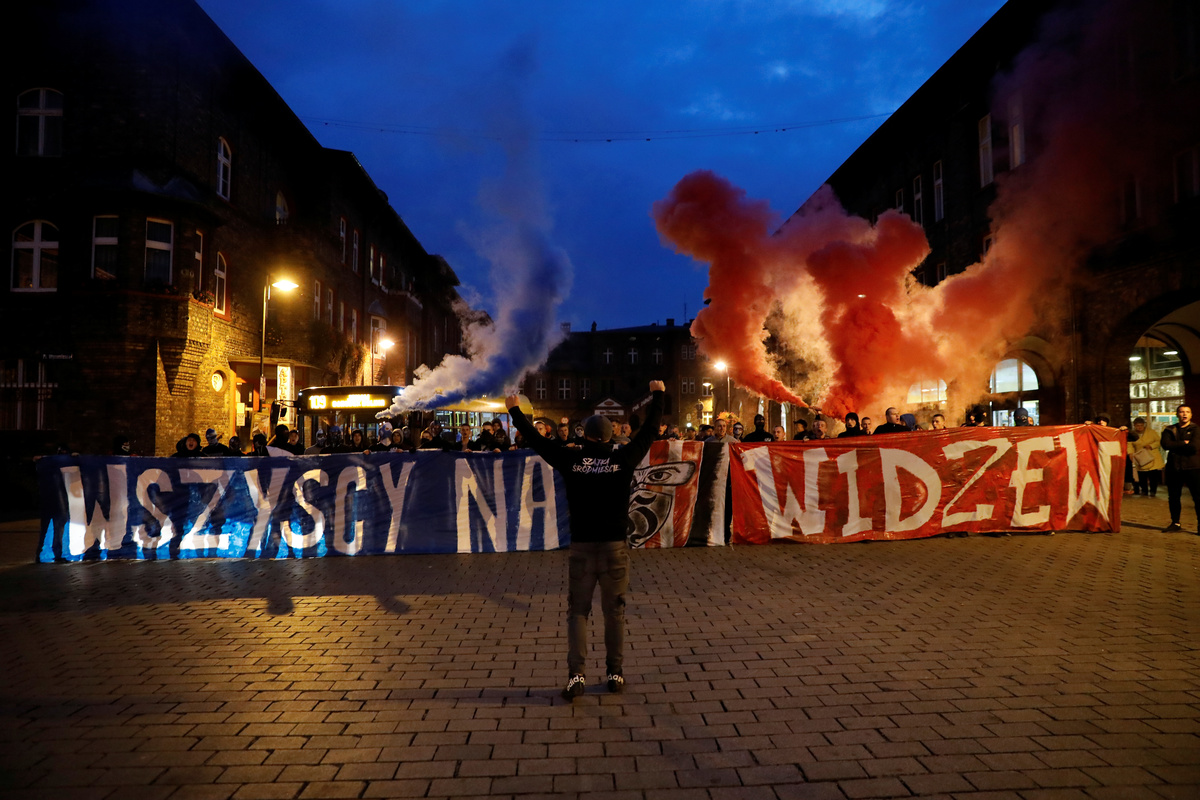
Soccer fans light flares and hold a banner as they gather to invite other fans for an upcoming football match on the main square in Nikiszowiec district in Katowice, Poland, October 17, 2018. REUTERS/Kacper Pempel
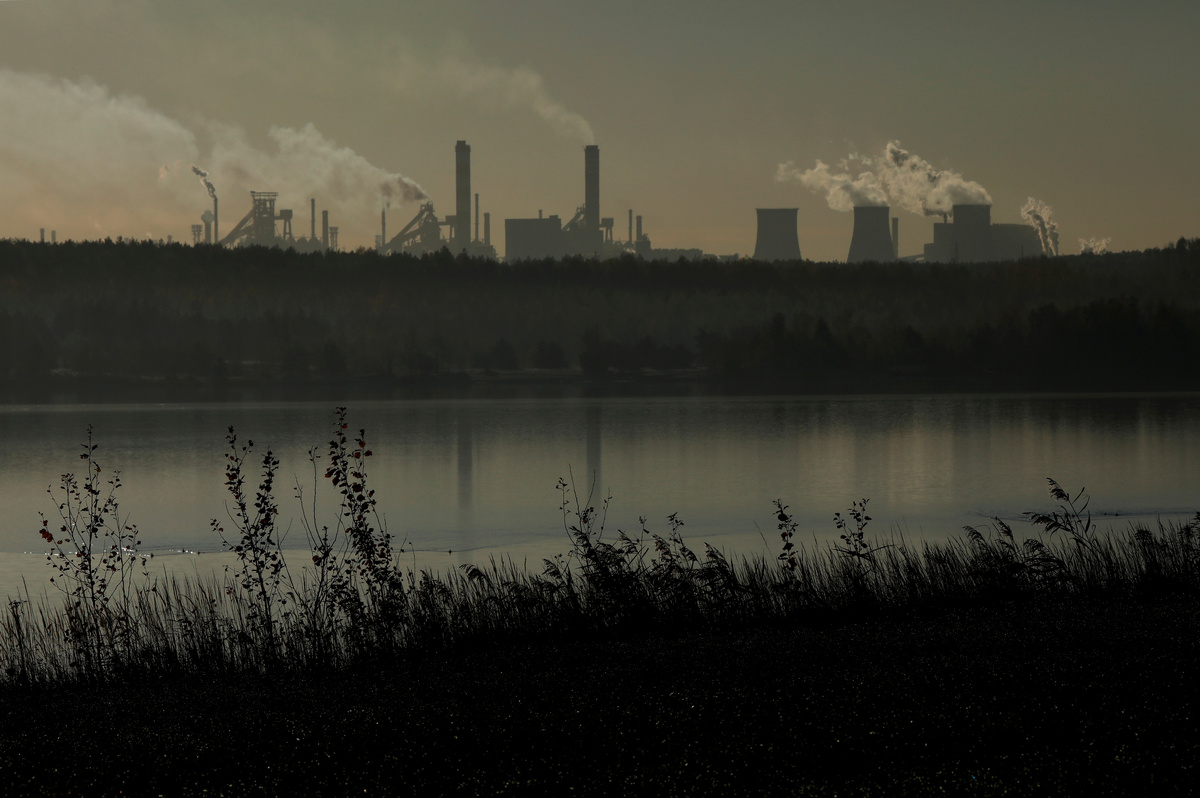
Katowice Steelworks is seen in Dabrowa Gornicza, Poland, October 31, 2018. REUTERS/Kacper Pempel
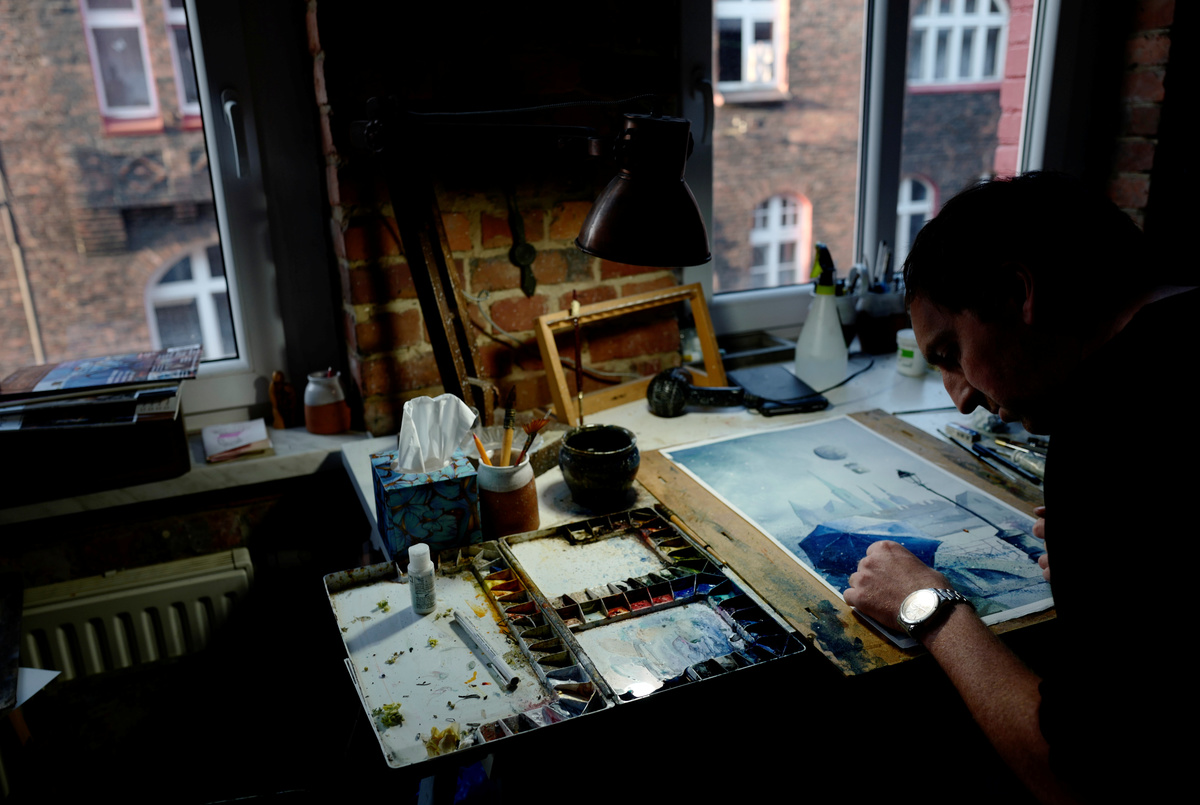
Artist Grzegorz Chudy, 36, paints at his atelier in Nikiszowiec district in Katowice, Poland, November 7, 2018. Chudy, whose paintings often depict the life and architecture of Nikiszowiec, is one of the hundreds of people who have moved to the area, drawn by its industrial feel and affordable housing. REUTERS/Kacper Pempel
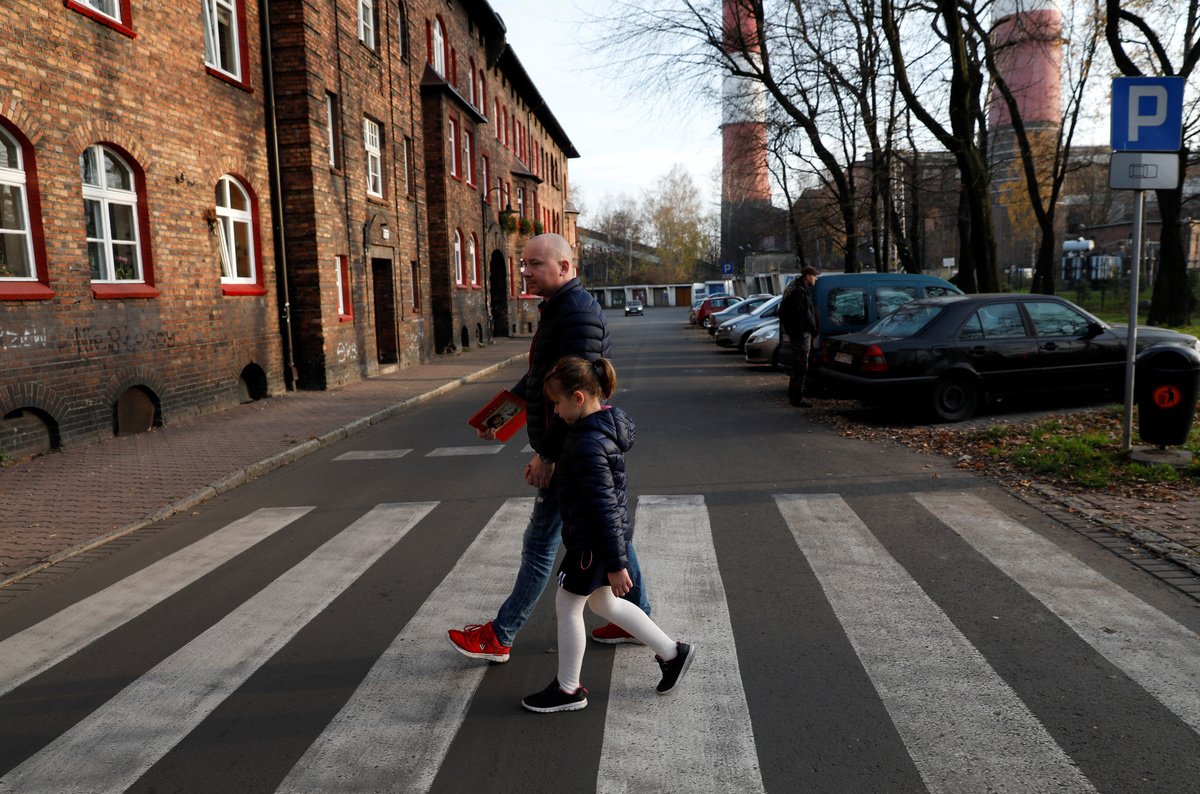
Miner Krzysztof Zawisza, 32, brings his daughter Julia, 6, home from kindergarten in Nikiszowiec district in Katowice, Poland, November 8, 2018. REUTERS/Kacper Pempel
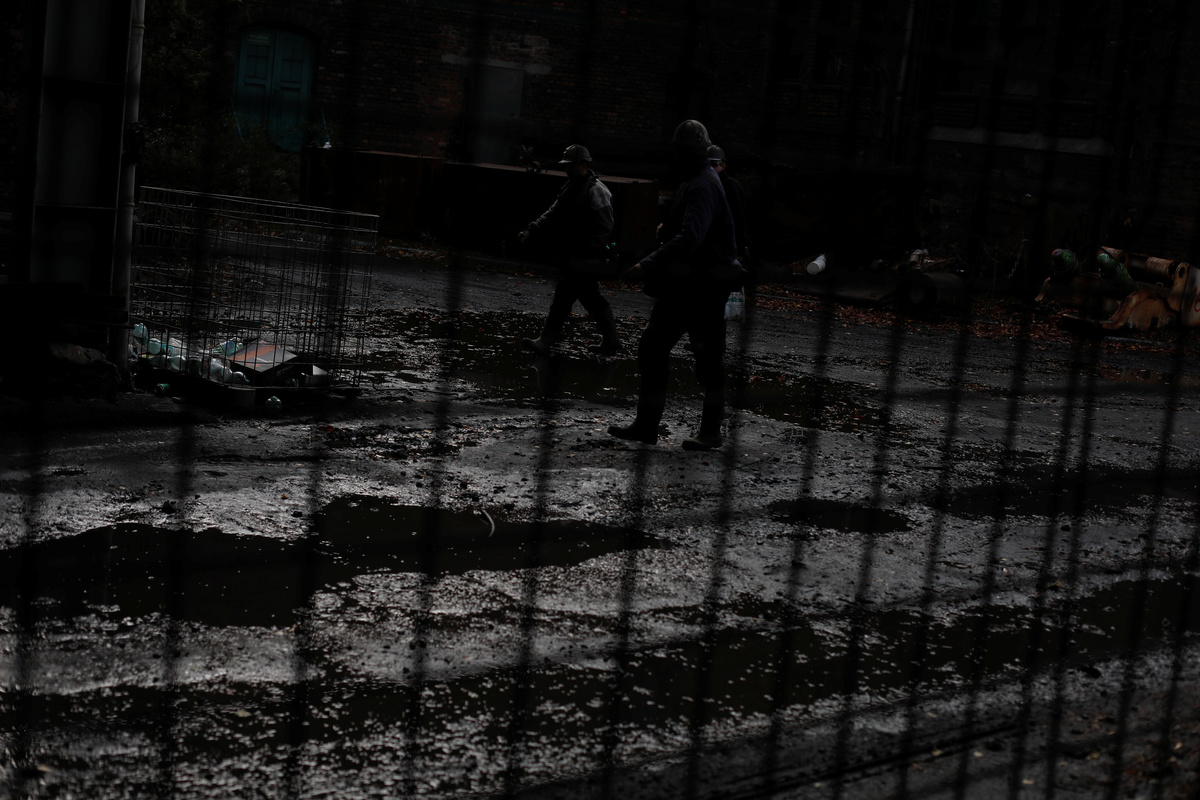
Miners walk at the Wieczorek mine in Nikiszowiec district in Katowice, Poland, October 24, 2018. REUTERS/Kacper Pempel
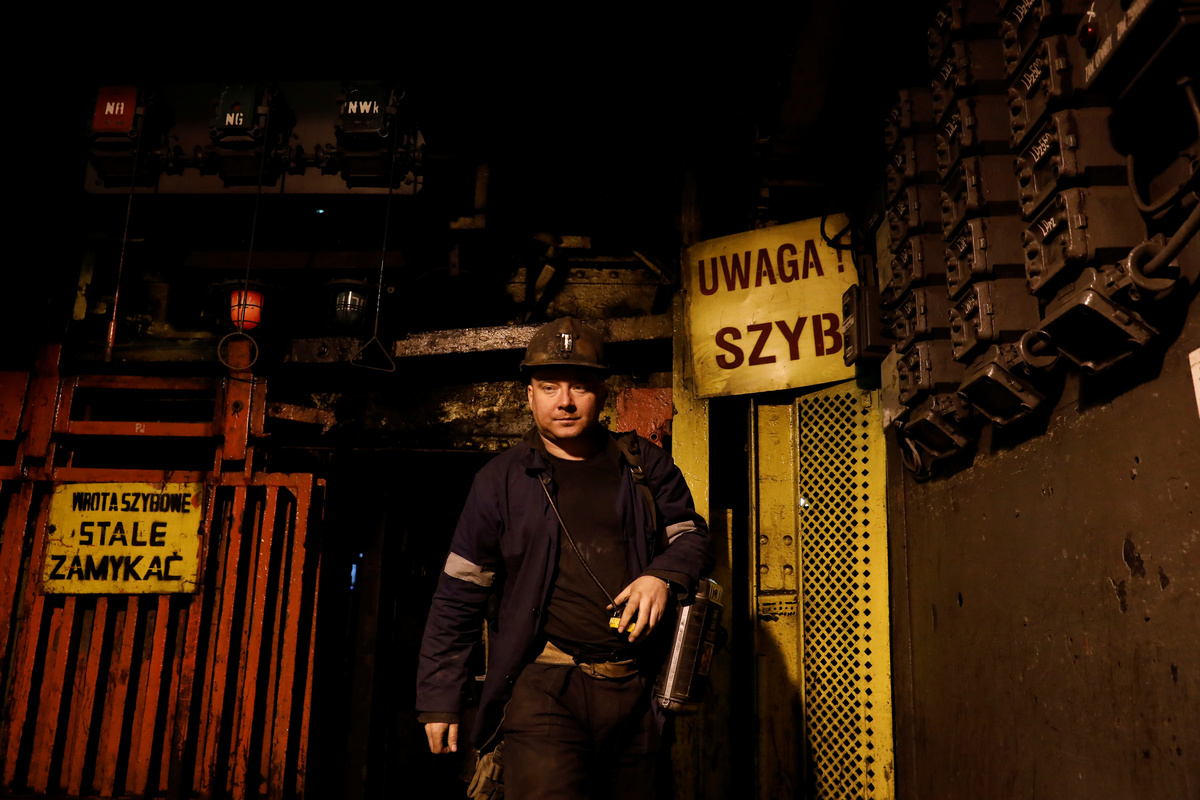
Miner Krzysztof Zawisza, 32, leaves shaft at the Wieczorek mine in Nikiszowiec district in Katowice, Poland, November 26, 2018. REUTERS/Kacper Pempel
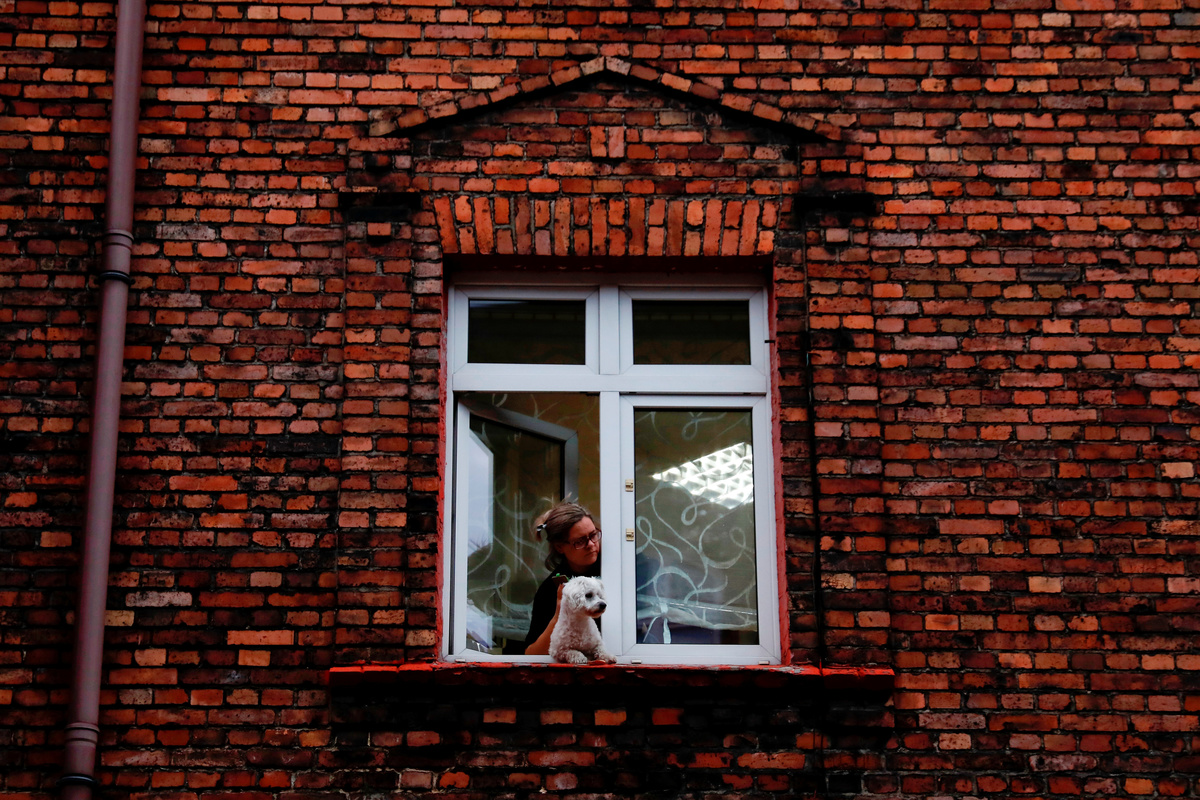
A woman with a dog look out from the window in Nikiszowiec district in Katowice, Poland, October 17, 2018. REUTERS/Kacper Pempel
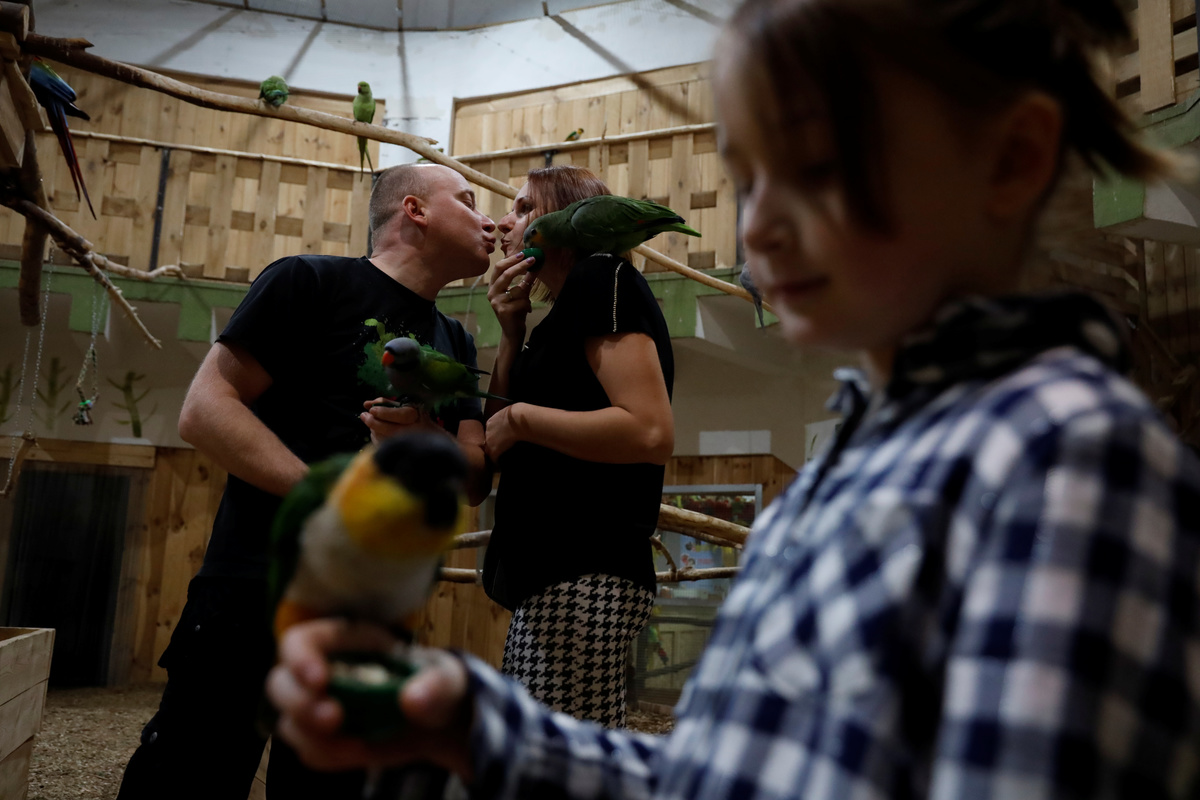
Miner Krzysztof Zawisza, 32, kisses his wife Magdalena, 31, as their daughter Zuzanna, 8, plays with a parrot during a family trip to a parrot garden, in Katowice, Poland, November 23, 2018. REUTERS/Kacper Pempel
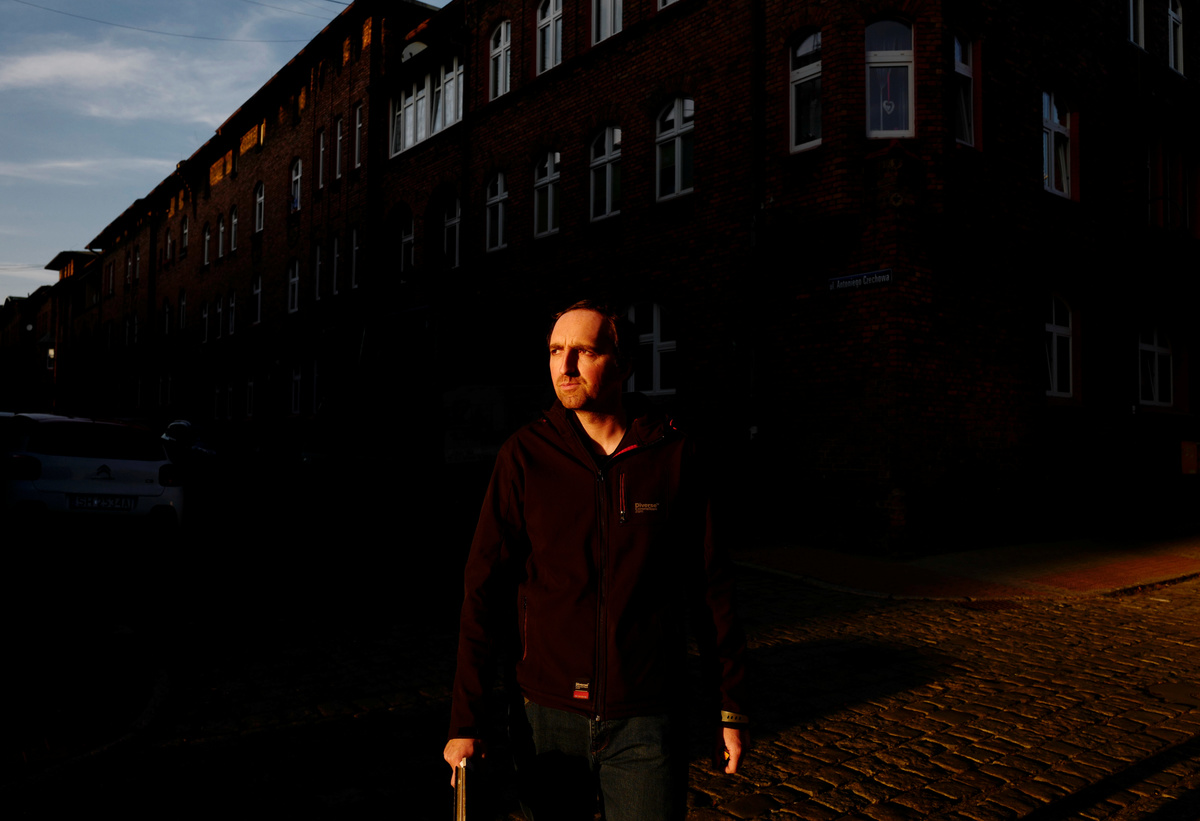
Artist Grzegorz Chudy, 36, walks in front of the house where his atelier is located in Nikiszowiec district in Katowice, Poland, November 7, 2018. REUTERS/Kacper Pempel
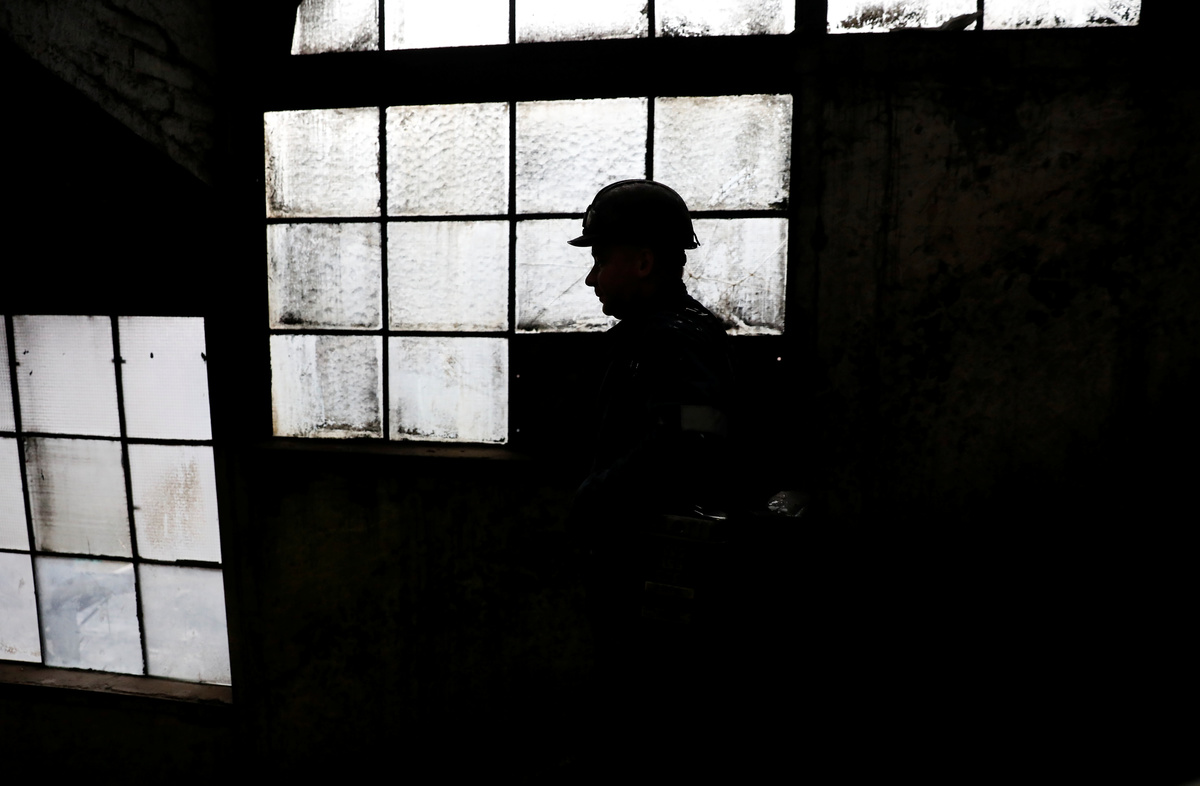
Miner Krzysztof Zawisza, 32 walks inside the Wieczorek mine in Nikiszowiec district in Katowice, Poland, November 26, 2018. REUTERS/Kacper Pempel
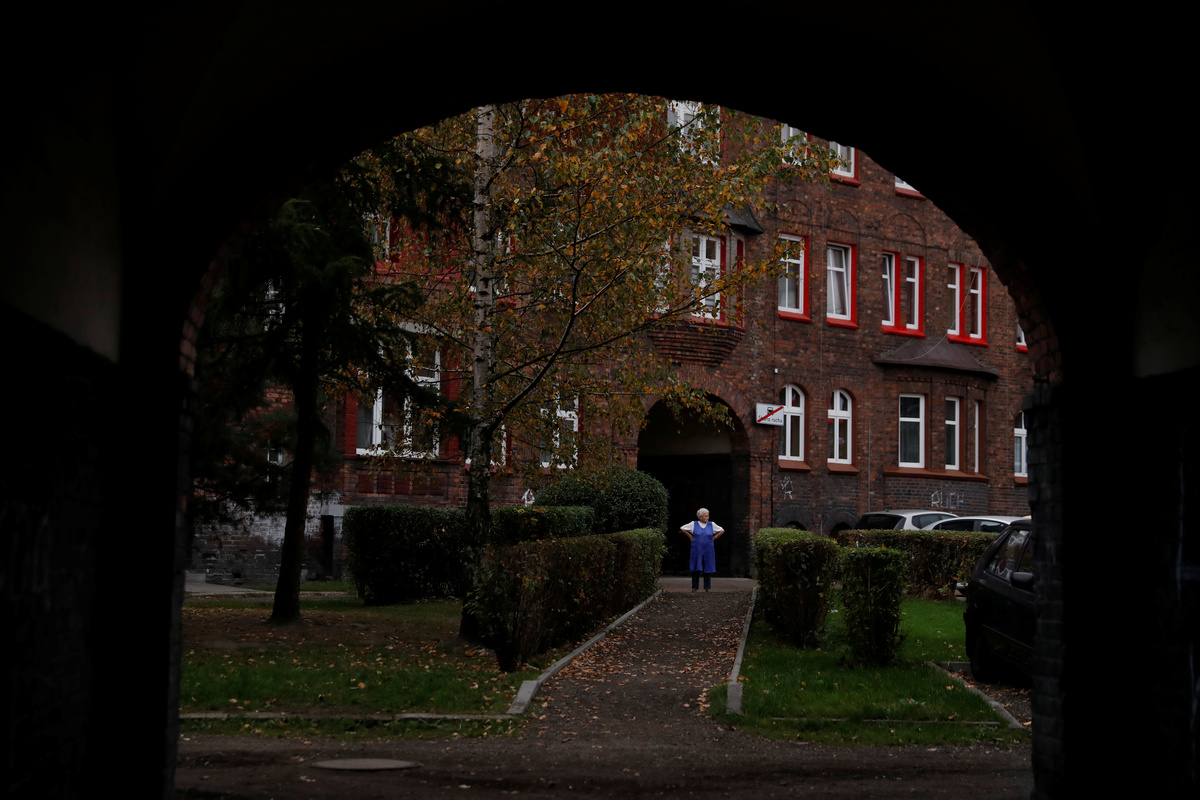
A woman stands in a courtyard in Nikiszowiec district in Katowice, Poland, October 17, 2018. REUTERS/Kacper Pempel
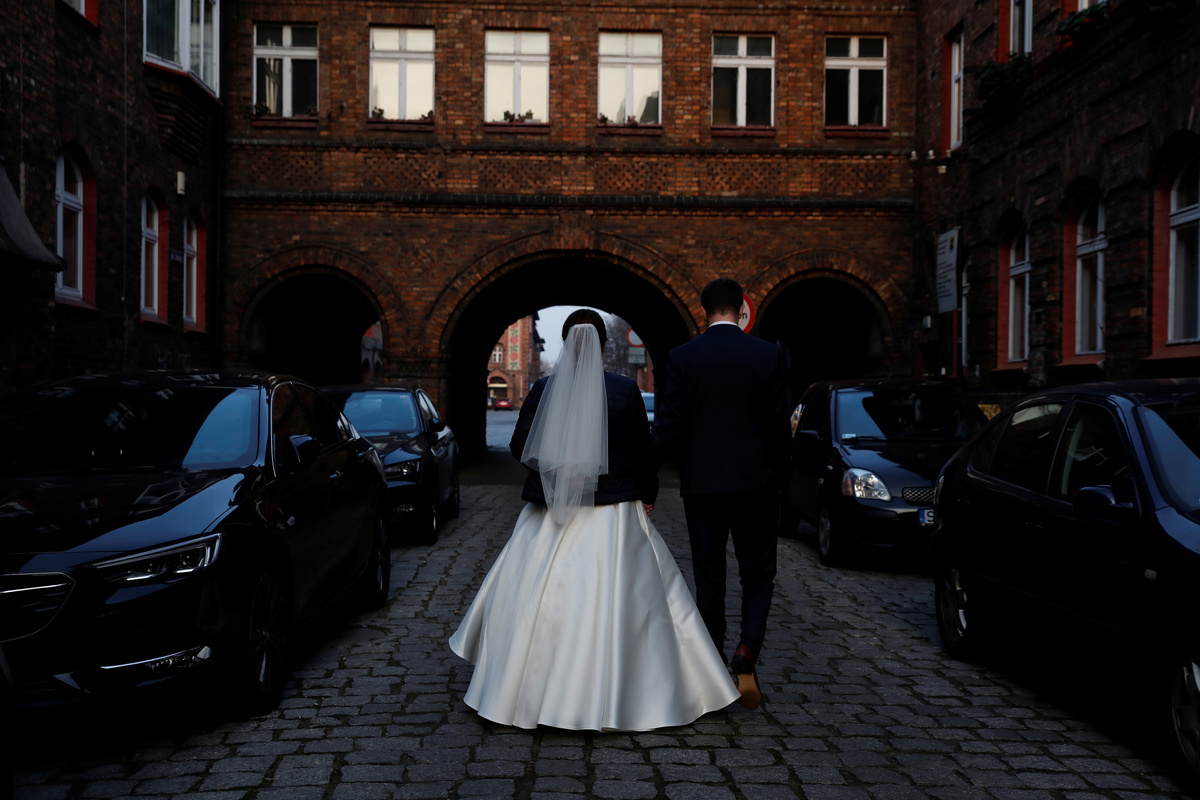
A married couple has a photo session in Nikiszowiec district in Katowice, Poland, November 8, 2018. REUTERS/Kacper Pempel
Sign up to read this article
Read news from 100's of titles, curated specifically for you.
Already a member? Sign in here
Related Stories
Top stories on inkl right now
One subscription that gives you access to news from hundreds of sites
Already a member? Sign in here
Our Picks
Fourteen days free
Download the app
One app. One membership.
100+ trusted global sources.