In the eight weeks before his fatal asthma attack in jail, Sydney father Nathan Reynolds received six Ventolin puffers.
"It's a big red flag there's something really going wrong with his asthma," respiratory specialist Greg King told the 36-year-old man's inquest on Wednesday.
"It's not controlled."
The regular issuing of puffers probably should have been enough on its own to prompt medical staff at the Outer Metropolitan Multi-Purpose Correctional Centre to recognise Mr Reynolds' asthma control was "non-existent" and he needed an asthma plan, Professor King said.
Reynolds, 36, died shortly after midnight on September 1, 2018 on the floor of his wing in the minimum-security prison.
His inquest has heard no asthma management plan was in place for the father-of-one, despite prior hospital admissions and the heavy use of puffers.
Prof King, who researches the lung condition affecting 2.7 million Australians and treats patients in Sydney, said puffers could last some asthmatics six months.
Those under very good control will very rarely use Ventolin, even less than once a month, he said.
Preventer medication was a critical step in asthma management, as was explaining to a patient how it worked and why it was important.
Prof King said medical staff would have ideally done supervised or regular checks of Mr Reynolds' preventer use in the months before the fatal attack.
Mr Reynolds reported breathing difficulties and his need for a nurse at 11.27pm on August 31. Prison officers arrived at his wing at 11.40pm, verified the report and called for a nurse.
Even if prison officers had given him oxygen at 11.40pm, it likely wouldn't have altered the outcome, Prof King said.
"The underlying problem is his lungs are progressively shut off during the evolution of this attack," he said.
"Giving oxygen will only temporise things for a short number of minutes at most."
He said advanced life support care, like that from paramedics or in a hospital, was necessary as ventilating the lungs was the critical issue.
Mr Reynolds' condition would have likely begun deteriorating from when he first experienced cold symptoms and very likely worsened throughout the day of August 31, the expert said.
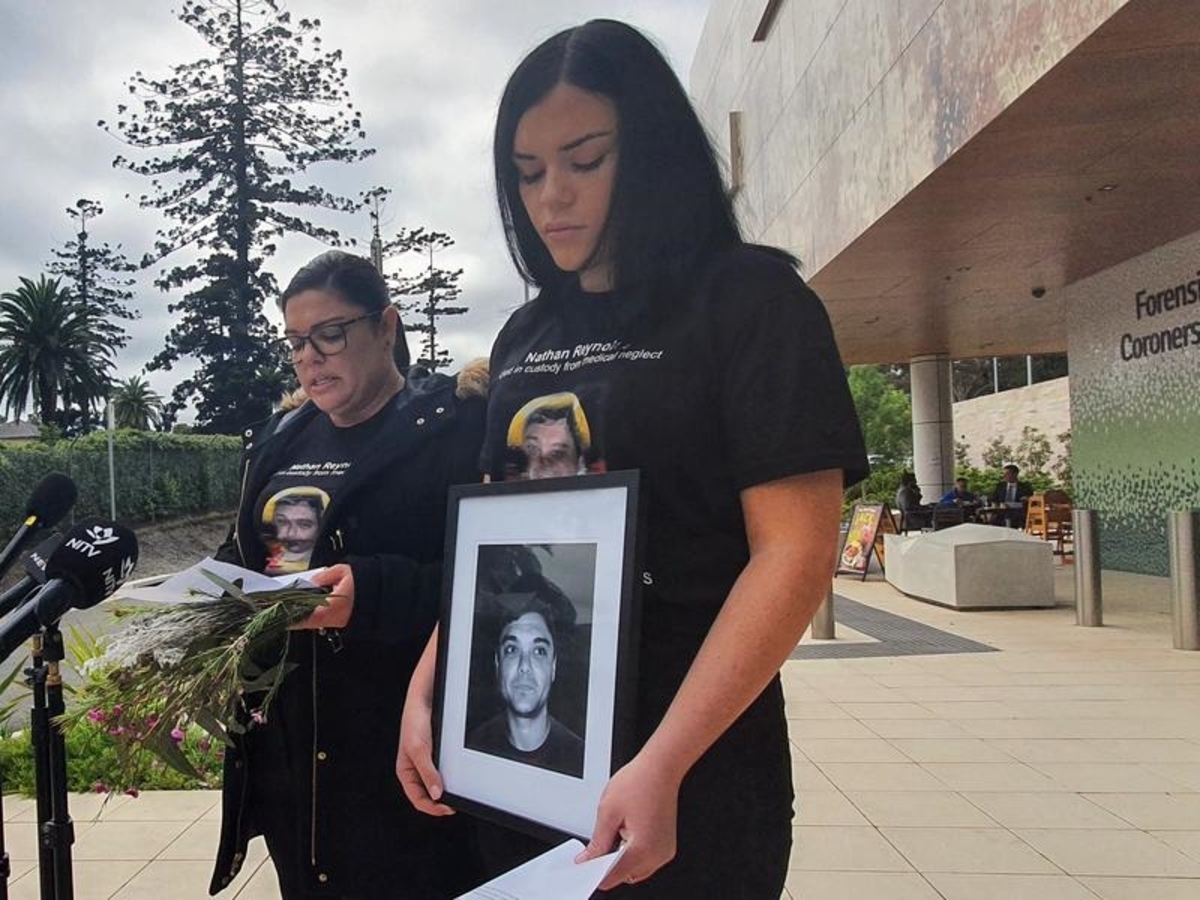
Earlier, Taleah Reynolds told reporters her emotions had been on hold for two years in order to "get through" the inquest and she's not sure when she'll properly grieve for her "fun, loving, jokester" brother.
She said it was "just so frustrating" to sit through witness after witness who could have prevented his death.
"It's total disregard to my brother, to a human," Ms Reynolds said.
"It's just no care. No duty of care."
She said she'd reached a "point of anger tolerance".
"You get angry, you get angry, you get angry, and I think I've gotten to the point, it's not anger any more."
The Reynolds family are due to address coroner Elizabeth Ryan on Wednesday.