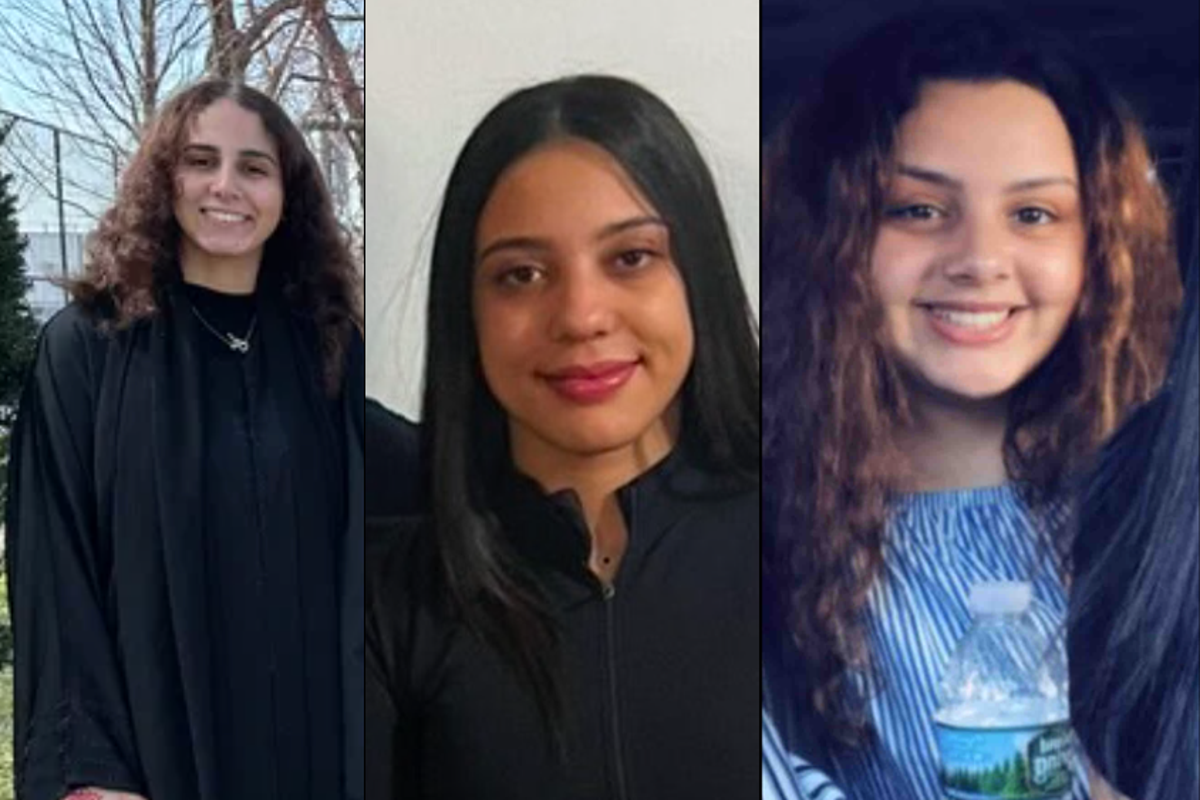
A year after three American women died from carbon monoxide poisoning at a hotel in Belize, their families have filed a federal lawsuit seeking justice.
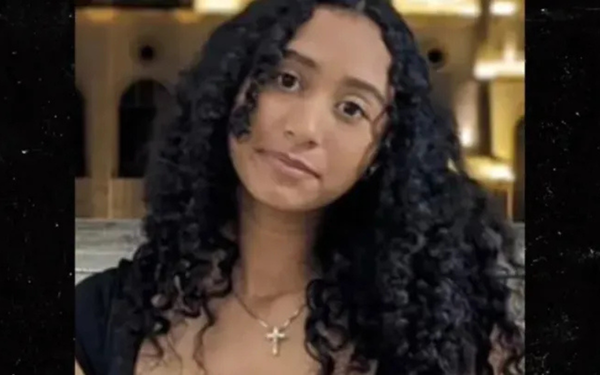
The women — Wafae El Arar, 26, Imane Mallah, 24, and Kaoutar Naqqad, 23 — were found dead at the Royal Kahal Beach Resort in San Pedro last February, just one day before they were scheduled to return home to Massachusetts.
“We are still trying to process the unimaginable,” the families of the women, all from Revere, said in a statement, according to WCVB.
“Our daughters and sisters left for a vacation and never came home. The disbelief has not faded, and neither has the pain,” the statement continued. “This lawsuit is first and foremost about honoring the lives of our daughters, and just as importantly, about making sure this never happens to another family by demanding meaningful accountability.”
The suit was filed against a number of defendants, including the hotel’s Canadian owners, local contractors and the American-headquartered company that manufactured the water heater, per WCVB.
According to the complaint, the San Pedro resort lacked a working carbon monoxide detection system, a failure the suit attributes to negligence. The families also claim the defendants did not warn guests about known safety hazards.
“This was not an unavoidable accident,” attorney Thomas Scolaro told the outlet. “As we allege in the complaint, it was the foreseeable result of decisions that put safety last and a bottom line first, and our legal system exists to hold those responsible to account.”
The suit seeks punitive damages, compensation for suffering and pain, as well as accountability for the corporations involved.
Neither Scolaro nor the Belize Police Department immediately responded to requests for comment from The Independent.
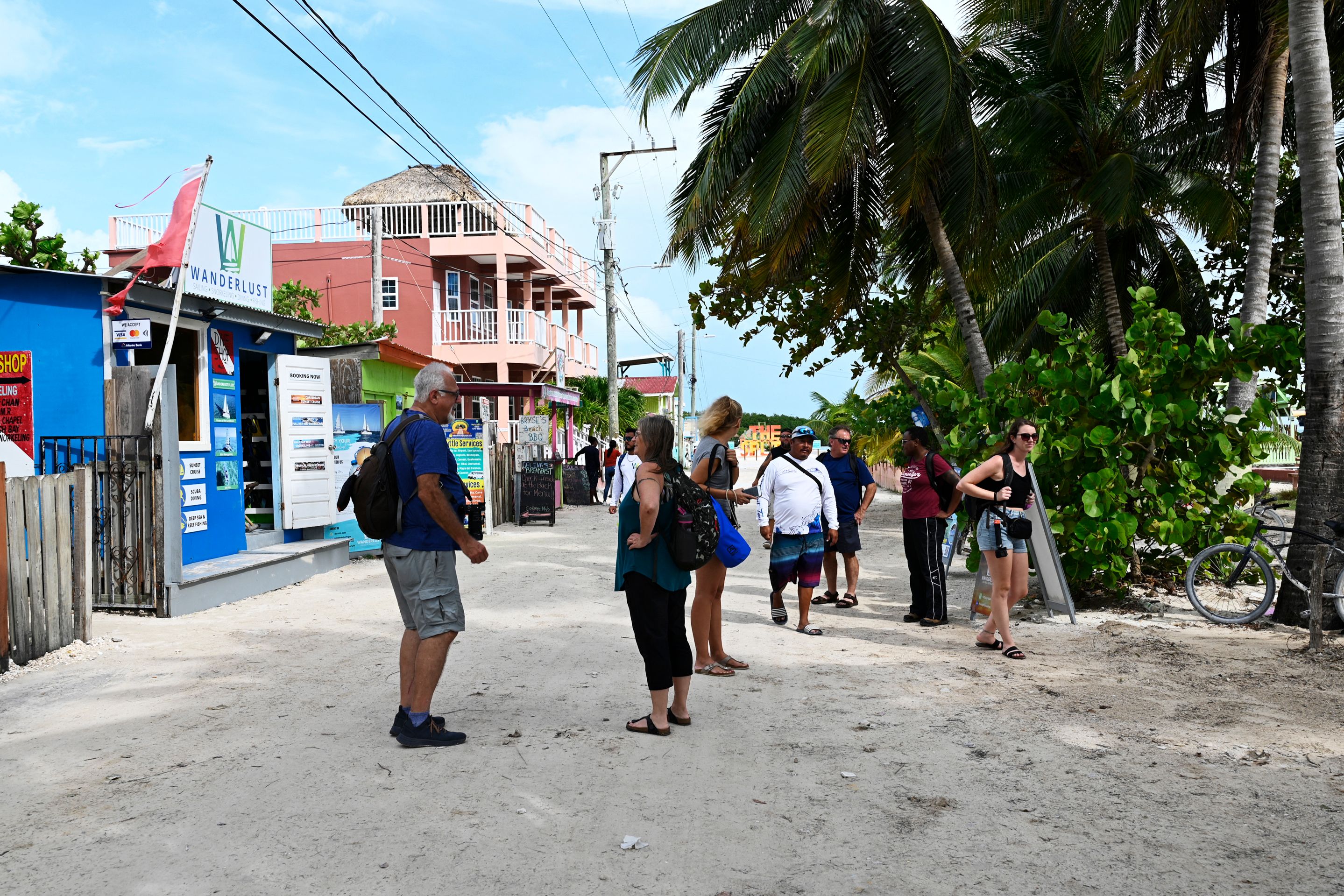
The three women had been on vacation in San Pedro — some 2,000 miles from home — when tragedy struck.
On February 21, housekeepers attempted to gain access to their room, but no one would answer the door when they knocked. Upon reviewing surveillance footage, hotel staff determined the women had entered the room and had not left.
The next day — after multiple attempts to get the women' s attention — staff entered the room and discovered them inside and unresponsive.
First responders reportedly said the young women were found with froth around their mouths, and local police said in a statement that gummies and alcohol were discovered in the room. Early findings from a pathologist indicated the women may have been deceased for as many as 20 hours before their bodies were found.
The following month, police determined that the Americans had died from carbon monoxide poisoning.
"In the immediate aftermath of their deaths, authorities hastily suggested that drugs were to blame, a conclusion that wrongly shifted suspicion onto the victims themselves. That narrative was later conclusively disproven when official findings confirmed that carbon monoxide poisoning was the sole cause of death. While the truth is now clear, the focus today is on what happens next," Scolaro said in a statement.
Shortly after their deaths, the families shared fond memories of their loved ones.
Naqqad, a college student and aspiring police officer, was described as “compassionate” and “caring,” while Mallah was remembered for being “a beacon of kindness.” El-Arar, a research technician at a Massachusetts hospital, had dedicated herself to reproductive rights, was “full of life” and known for her “unwavering faith.”
Friends and supporters set up GoFundMe pages to help cover the cost of bringing the women’s bodies back to the U.S. and funeral services.
Colombian and Ecuadorian merchants and truckers protest escalating trade war between both nations
Inside Cortina's Olympic Village: A snowy haven for hundreds of athletes
Federal agents storm church grounds and arrest man serving at food bank, report says
Massive Trump statue to be erected where US will host G20
New York attorney general to deploy observers to monitor ICE operations
Watch live as Renee Good’s brothers testify on federal agents’ use of force