
Fallout co-creator Tim Cain says players who complain about a lack of realism are actually looking for consistency most of the time.
If you've spent any amount of time within the gaming sphere, you'll know that a common complaint is a lack of realism in games; even when it's a game like Assassin's Creed Shadows or God of War Ragnarok where realism really isn't a part of the design philosophy in the first place. And while in some cases it's used as a blanket term to complain about other aspects of a game people don't think should be there, Cain reckons the arguments for realism aren't really about that at all.
Speaking on his YouTube channel, Cain says: "It's something that sometimes people comment on like, 'this isn't realistic,' and they're playing a fantasy game with dragons and spells." He explains, "I think part of the problem is realism gets conflated with consistency. A lot." Cain notes that he sees it not only from players and reviews, but from developers too, which he views as a bit of an issue.
"The problem I see with developers doing it is developers will often dismiss a complaint, saying, 'Well, we're not trying to be realistic in this game,' when really the complaint people have is that your lore itself is not self-consistent. Which is different than being realistic." Cain explains that in his view, "realism" is about making features that mimic reality, while he defines self-consistency as "establishing rules for your world and then not breaking those rules."
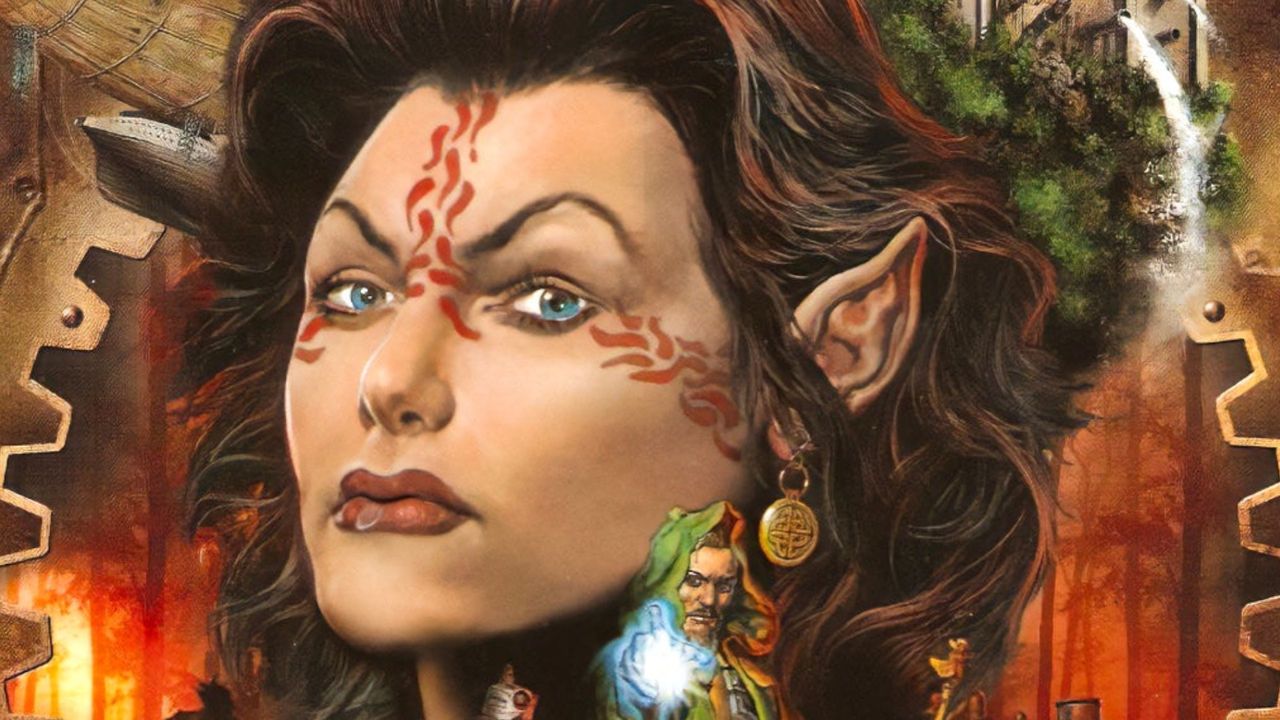
Cain also gives an example of his own, saying that when developing Arcanum, he, Leonard Boyarsky, and Jason Anderson "decided early on" that "we would establish a rule" that "magic and tech don't coexist." He explains that magic is "supressing natural law" while tech "was using natural law to get its effects." This resulted in a system where the two forces would become weaker when introduced to powerful objects or beings on the other side.
Cain warns that with lore inconsistency, "somewhere along the line, you're going to lose people." However, this is specifically on the developer side, as he also notes that NPCs in your game are allowed to give inconsistent lore: "You cannot point to an NPC dialogue and go, 'Aha, the lore is inconsistent'," he says, adding that NPCs "will knowingly tell you a lie because they have an agenda and they want you to do something." Cain notes that "the designer knew they were lying to you. If you don't get that, that's on you." Meanwhile, some NPCs "simply don't know," like if they believe that a bear in a cave is actually a fire-breathing monster due to hearsay.