
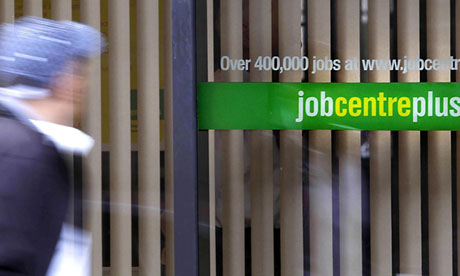
Since the year 2000, Britain's labour market has been through three distinct phases. The first half-decade of the new century was the purple patch in which unemployment came down and real wages went up. In phase two it all went sour. Between 2007 and 2010, unemployment rose by one million on the internationally used labour force survey measure and by 600,000 on the narrower claimant count measure. The annual growth in average earnings fell from the 4%-plus level common in the pre-crisis years to just over 1%, and spending power – despite a parallel fall in inflation – was hit.
The third phase has in some ways been the most interesting, and certainly the most difficult to explain. The workforce has expanded and unemployment has come down even though recovery from the recession has been the slowest on record. But rising employment has not been matched by the ability of workers to secure more generous pay awards. Indeed, average earnings growth is running at 1.3% excluding bonuses, well below the inflation rate of 2.7%.
The two trends – more jobs and falling real incomes – are linked. In part employment is rising because the government is trying to get people off benefits and back into work. But a bigger factor has been the willingness of workers to accept a drop in real wages in order to stay in their jobs.
The downside of rising employment and stagnant output is a poor productivity performance, since the UK is employing more people to produce the same amount of goods and services.
This is not ideal, but it should be recognised as less bad than the alternative – longer dole queues. In the past, a two-year period of zero output growth would have seen unemployment rising, not falling, and back to the 3 million-plus levels of the early 1980s and 1990s.













