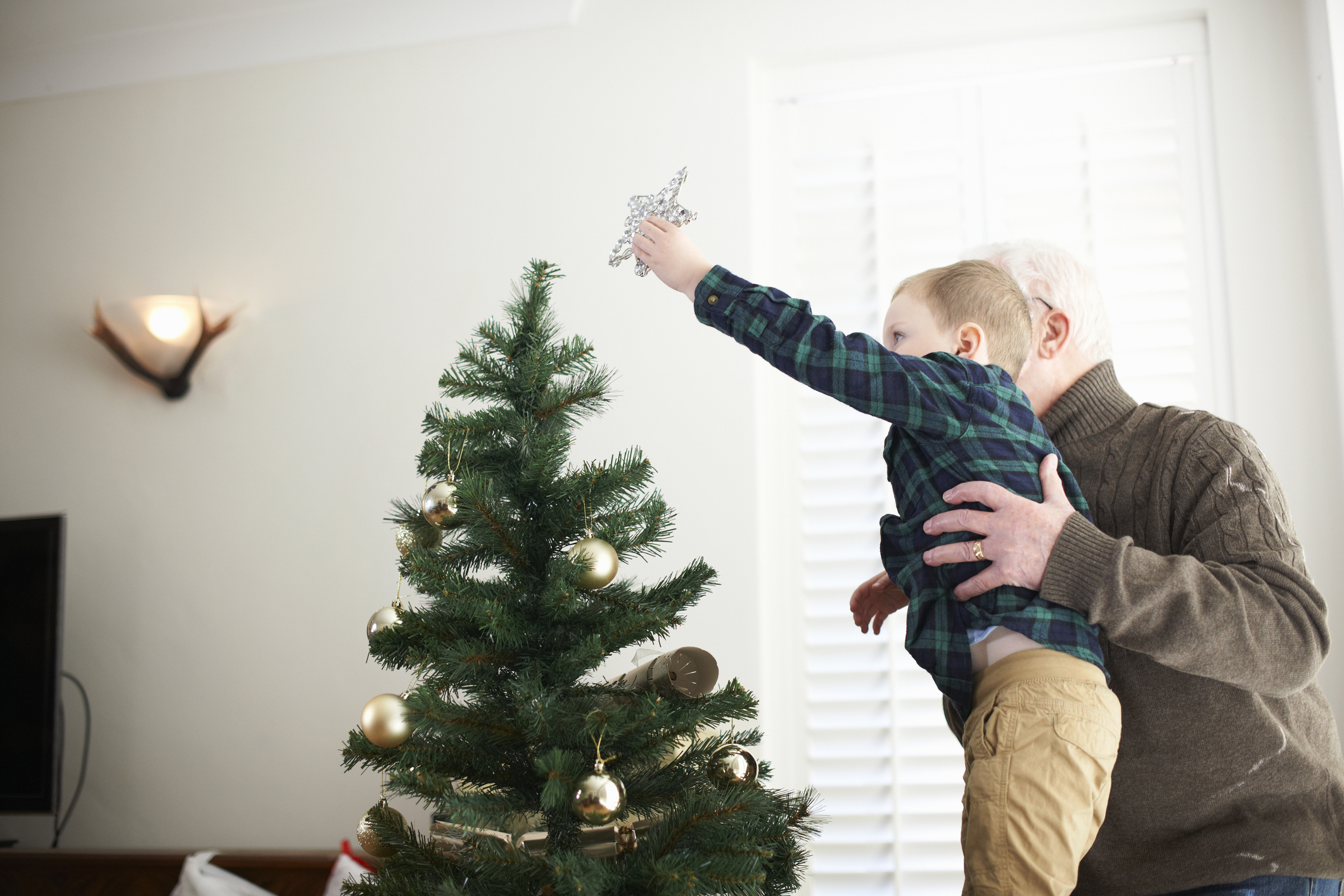
The fake vs real Christmas tree debate has been simmering on for years. Traditionalists and romantics point to the festive smell and that sense of bringing the natural world into your home. Pragmatists point to the practicality of reusing the same tree year after year.
But, depending on your choice, you could be saving money every year. We take a look at the pros and cons of the great tree debate.
The benefits of a fake Christmas tree
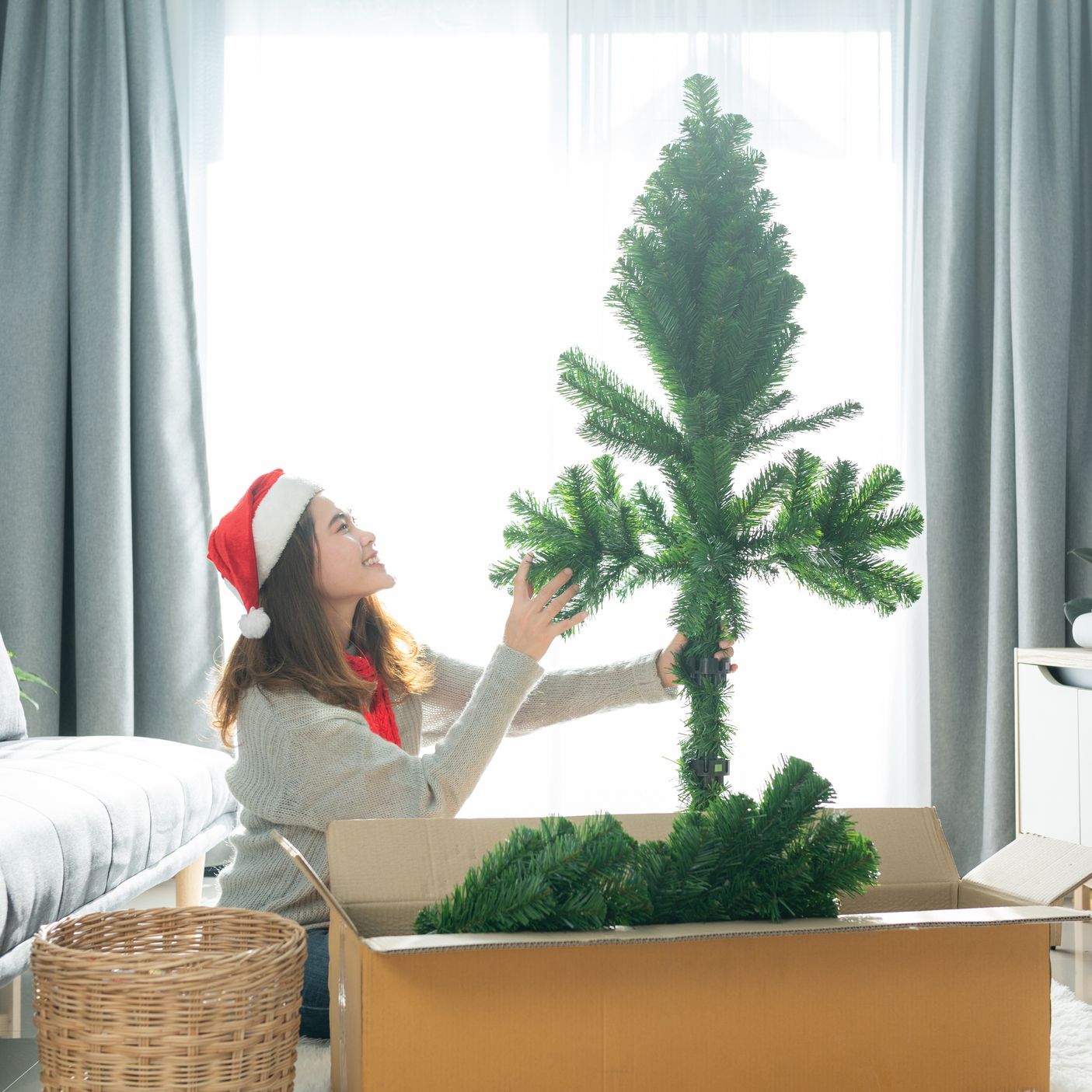
If you've stuck with real trees for years, but are considering making a switch, here are some of the key benefits to consider when getting a fake tree.
Reusable
This is pretty obvious. You can reuse a fake Christmas tree every year. If you’re on a budget and don't want to splurge every year, this is your best bet. Plus, most fake trees come in sections, meaning they can be easily stored, ready to come out the next year.
No maintenance or mess
As your tree is fake, there’s no watering, sweeping of needles, or trimming. Most real Christmas trees involve some kind of daily maintenance to keep them looking good, just like a vase of fresh cut flowers.
You may not even have to struggle to put the lights on every year. Most fake trees already have lights on them. There are even some ingenious pop-up versions, that store away in their own carry case! And the best part — you won’t have to squash the tree into your car or drag it along your driveway every year.
Cost
Artificial Christmas trees can range from about $85 to $1,000 or more. “According to our 2023 survey, 52% of artificial Christmas tree owners purchased their tree for under $200, and 27% paid $200 to $400,” says Jami Warner, executive director of the American Christmas Tree Association.
The quality and appearance can also vary substantially between budget-friendly trees and the higher price tiers. If you're hoping to reuse this fake tree year after year, it's worth splurging a bit now on one that you'll still enjoy looking at years from now.
Just remember that all products have a lifespan. On average, artificial Christmas trees are used for about 10 years, according to a Life Cycle Assessment comparing real and artificial trees. So, you don't want to spend more on a fake tree than you would on roughly 10 real trees.
The benefits of a real Christmas tree
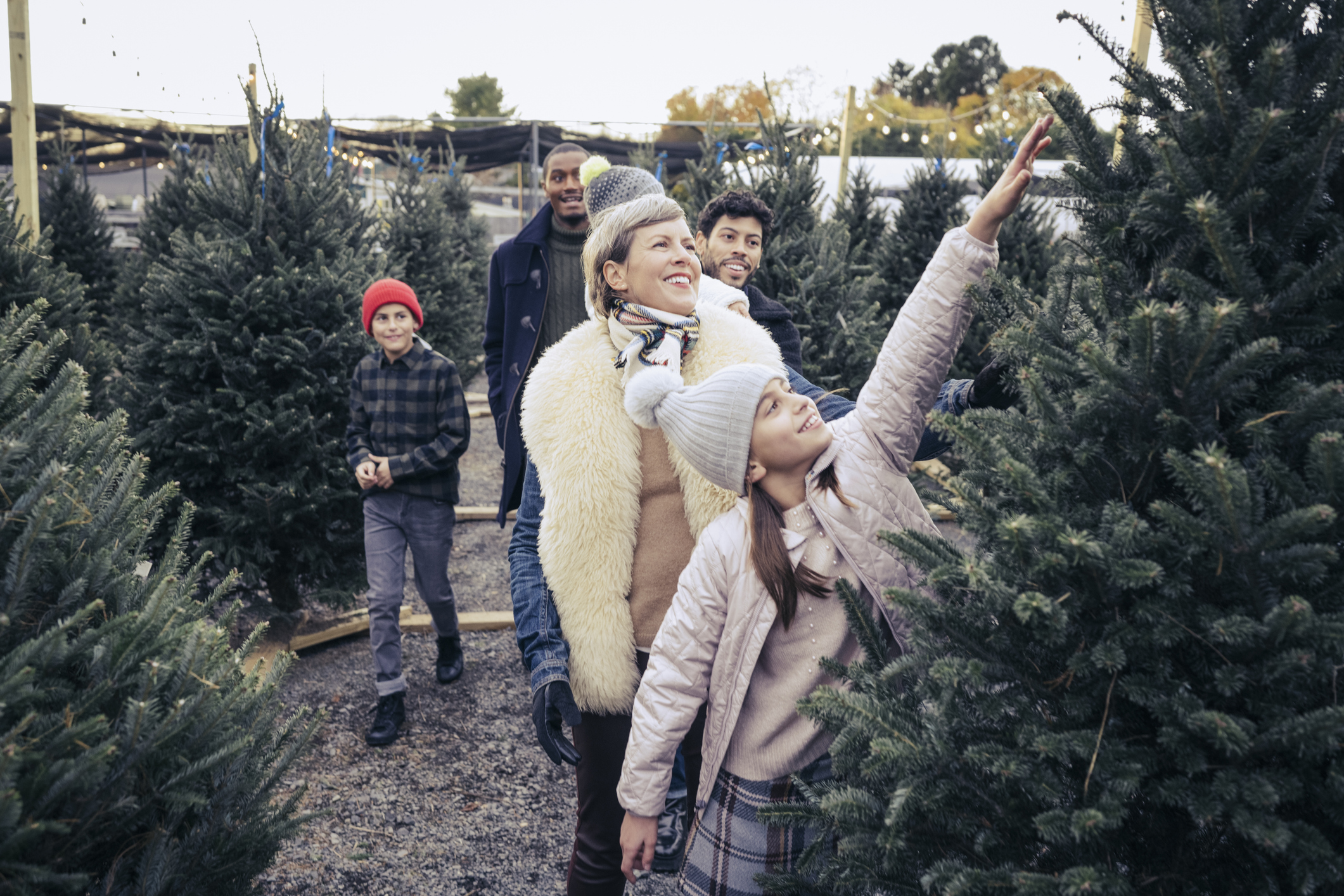
For some traditionalists, there's no need to even list out the benefits of sticking with a real tree. Even the most convincing fakes don't compare to the cozy, holiday feel of the real deal. Still, from a purely practical standpoint, here are some of the benefits of a real tree to consider before switching to a fake.
The natural scent
Most people look forward to this part the most — the fresh smell of fir or pine spreading throughout your house. You can keep an evergreen candle lit near your fake tree but nothing can truly substitute for the festive smell of a real Christmas tree.
The experience of choosing a tree
Whether you go to the lot outside the grocery store or to an actual tree farm, the process of picking out this year's perfect tree is one of those holiday traditions that many families love.
Of course, if your kids are grown or you've just never really enjoyed that aspect of the holiday, this might seem more like a chore than a fun experience. But, if you've got little ones, it might be worth putting up with the hassle of a real tree for a few more years to let the kids build those memories.
It's (surprisingly) the more eco-friendly option
If environmental impact is one of your concerns, you would think a reusable tree is the better choice. But the plastics and other non-renewable materials used to make trees along with the emissions produced to transport them from China can easily outweigh a real tree.
A 6.5-foot artificial tree carries a carbon footprint of about 40kg of emissions just to produce it, according to the Guardian. Meanwhile, a real tree of the same height would have a footprint of 16kg if sent to the landfill.
If you compost your real tree or take it to a tree recycling drop-off center where it can be processed into wood chips, it'll have a net negative carbon footprint.
The cost adds up, but it's still not outrageous.
On average 25-30 million Christmas trees are sold in the U.S. every year. In 2022, 22.34 million real Christmas trees were purchased and sold a median price of $80, according to the National Christmas Tree Association.
This year, most Christmas tree wholesalers said that strong supply means they won't be raising prices and some may even lower prices, according to a survey by the Real Christmas Tree Board. Being locally grown in the United States, they're also tariff free.
Of course, the cost of buying a fresh tree year after year does add up and, eventually, a fake tree will be the cheaper option. But, if you love the scent and experience of a real Christmas tree, you're not crazy for being willing to splurge $80+ once a year.
Fake vs. real Christmas trees: What's the verdict?
On price alone, a fake tree is usually the winner. A well-made fake tree might have a high initial cost. But, if you get one that lasts five years or more, it will easily cost less in the long run than buying a new tree each year.
With that said, the amount of money saved is probably less important than the amount of effort saved. Do you dread the work of dragging a tree into the house, the decorating process and the weeks of needle clean up? Then, get a fake tree to cut your holiday stress rather than your holiday budget.
If the maintenance required with a real Christmas tree is worth it for the experience (and scent) of the real deal, stick with it. One tree a year isn't expensive enough to devastate your financial future.