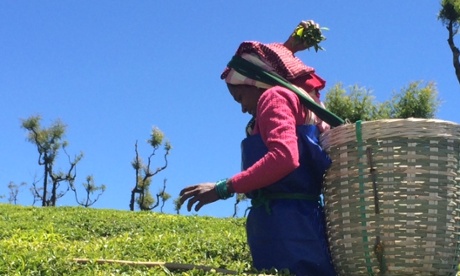
Clipper works with just a few progressive, partner estates, to ensure that the best quality tea is grown with the lowest possible environmental impact and the biggest positive effect on the lives of the workers and their families. Welbeck estate in southern Indian was one of the first tea gardens to become Fairtrade certified, in 1994. Clipper buys Fairtrade and organic tea from this estate for its green and earl grey blends.

Since becoming an organic garden, wild bison and indigenous plants have once again returned to the hills. “If it was possible to invite every tea drinker from the UK to spend just five minutes in this magical place, we wouldn’t need to persuade them to start buying Clipper,” says Rebecca Vercoe, the company’s marketing manager.
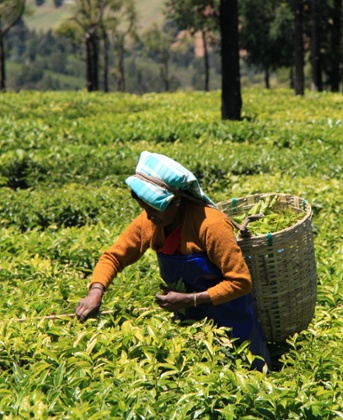
Just as we are dependent on tea to get through a hard day’s work, millions of farmers and workers around the world depend on tea for their living. It is estimated there are one million permanent tea workers, and double the number of seasonal tea labourers in India.
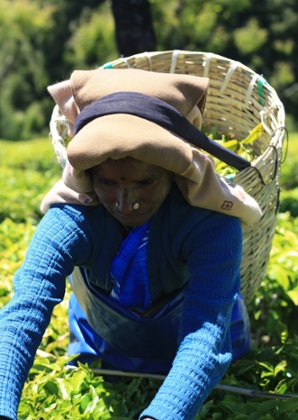
Skilled hands move deftly to select the best tea leaves, which are gently collected in the basket.
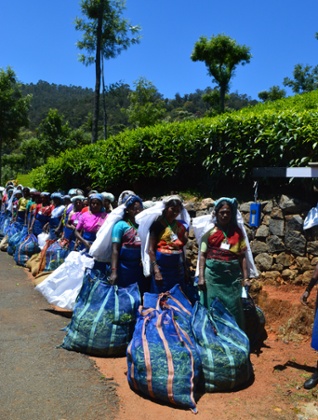
Clipper only sources from producers that it knows and trusts, where it is confident that workers are being treated fairly and with respect.
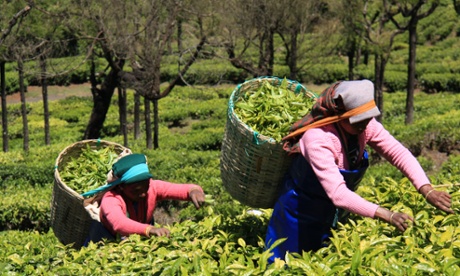
As well as earning at least the Fairtrade Minimum Price for their tea leaves, which acts as a safety net against the unpredictable market, Fairtrade tea producers earn a Fairtrade Premium that can be invested according to local needs, for business or community development.
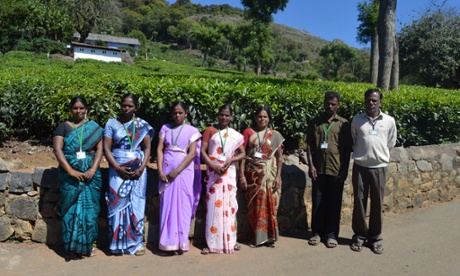
This elected committee decides how to spend the Fairtrade Premium to best support their community. Many of the committee members are women, and they are ladies with a vision for the future of India’s children. As one of the committee proudly said during Clipper’s recent visit, “I might be a tea worker, but my daughter will be a doctor.”

Pupils at Burnside Primary School, southern India. The school was built and funded using Fairtrade Premiums. The children here are learning subjects such as english and computing.

A pupil at the Fairtrade-funded Burnside Primary School. His career aspirations include medicine, education and comedy.
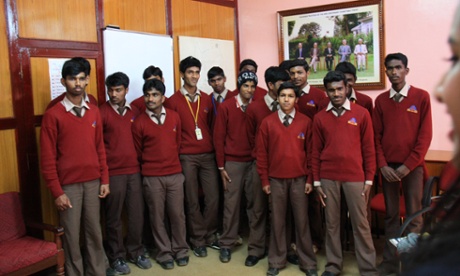
Children from the surrounding tea gardens go on to secondary education at a local technical college.
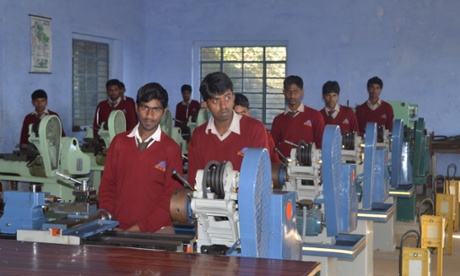
Children of tea estate workers learning foundry skills at the NPA Centenary Polytechnic College, which was funded by Fairtrade Premiums and provides vocational training.
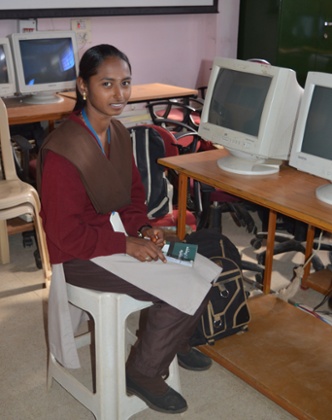
Computer skills education is available for the children of local tea estate workers at NPA Centenary Polytechnic College.
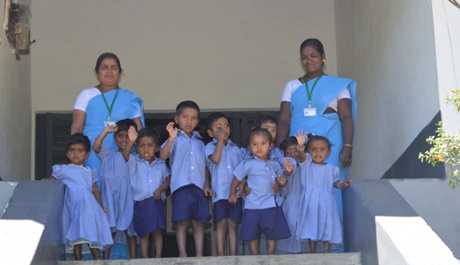
Crèche facilities funded by Fairtrade Premiums ensure that women can leave their children in a safe, happy environment whilst at work in the tea gardens.
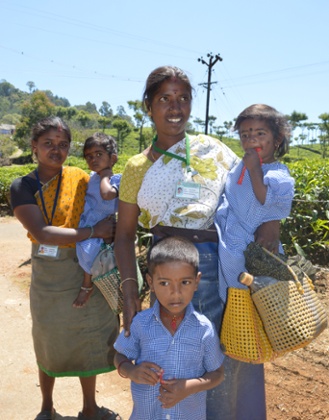
Tea workers stop at the crèche at lunchtime, to pick up their children.

Fairtrade Premiums are sometimes spent on projects that support diversification. Here, milk cows that are funded by Fairtrade Premiums are used to provide extra income for families.
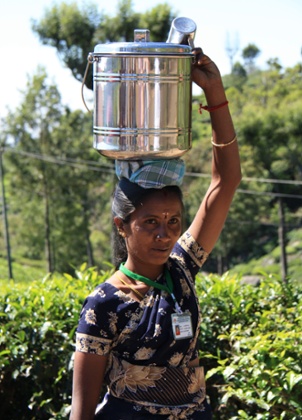
Every time someone chooses a cup of Fairtrade tea they are helping to support tea-growing communities such as the Welbeck tea estate to get a fair deal and build a more sustainable future.
More from the Fairtrade partnerzone:
- Living wage: setting benchmarks for farm workers
- Reflections of a coffee farmer: how Fairtrade changes lives
- Giving smallholders a seat at the table
Content on this page is paid for and provided by Fairtrade Foundation supporter of the supply chain hub