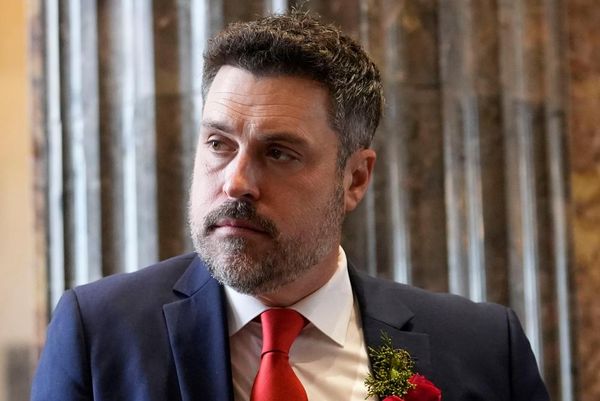
The chief executives of Facebook Inc and Alphabet Inc's Google were grilled about the regulation of Big Tech by U.S. senators on Wednesday, a hot-button issue ahead of the presidential election on Nov. 3.
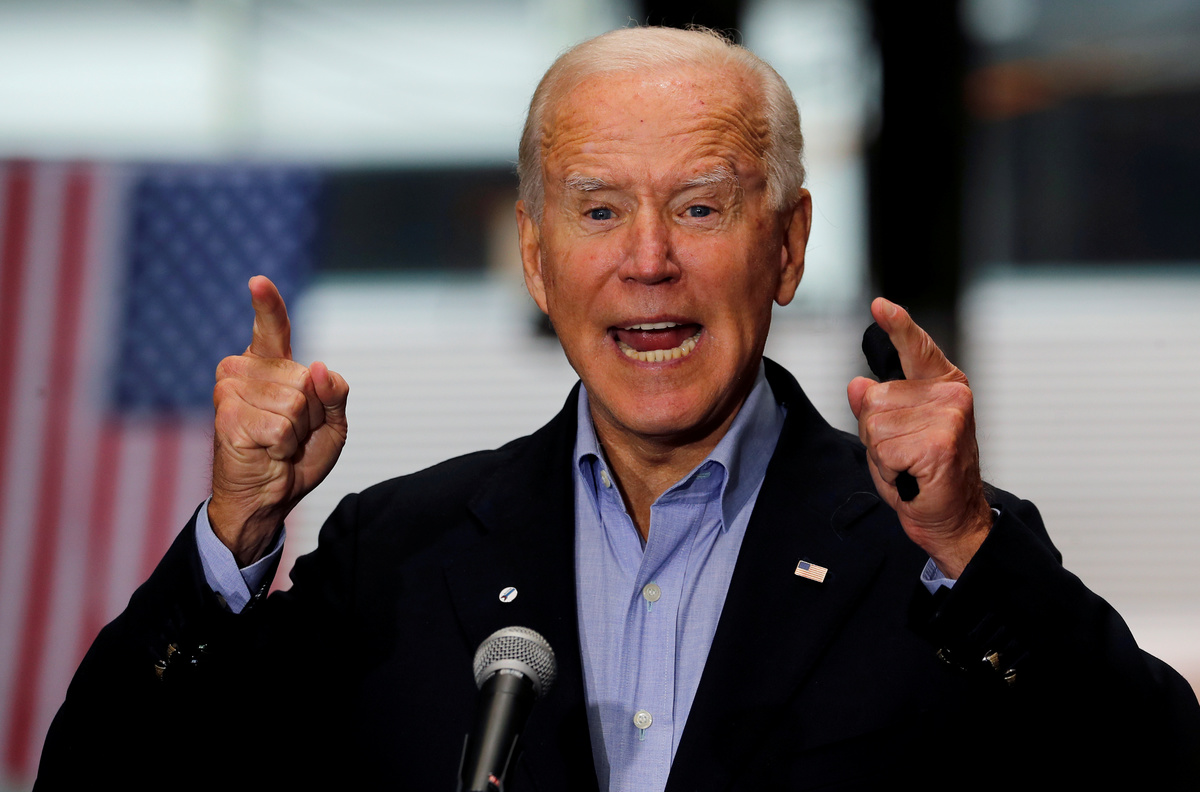
Here is a look at the stances of Republican President Trump and his Democratic opponent, Joe Biden, on some key tech policy issues:
BREAKING UP BIG TECH COMPANIES
The Trump administration is conducting a wide-ranging antitrust probe into major tech companies. Last week, the Justice Department sued Google, accusing it of illegally using its market muscle to hobble rivals in the biggest challenge to Big Tech's power in decades.
A Biden campaign spokesman declined to comment on the Google lawsuit but said the candidate has "long said that one of the greatest sins is the abuse of power."
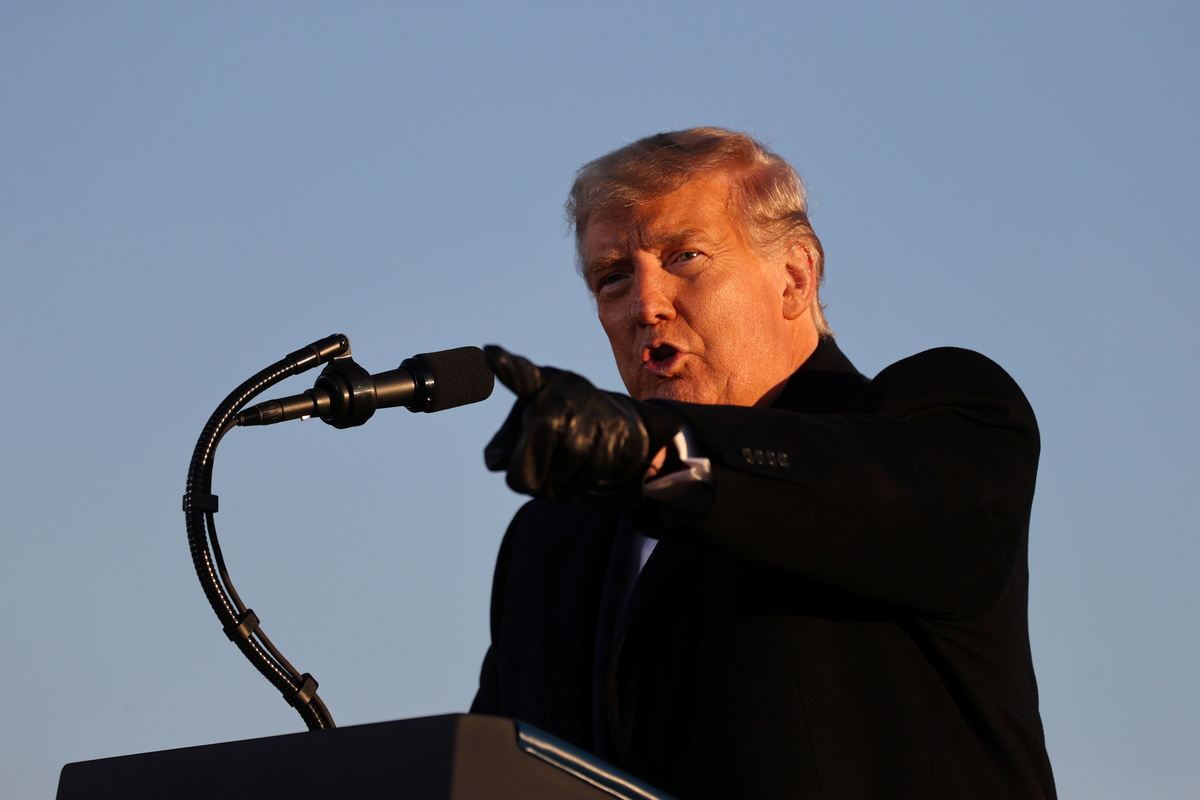
Both Trump and Biden have criticized large tech companies but stopped short of explicitly calling for them to be broken up. Trump has said "there is something going on in terms of monopoly" when asked about big tech firms.
Biden, who was vice president during the Silicon Valley-friendly administration of Democratic President Barack Obama, and his running mate Kamala Harris - a senator and former attorney general for California, the home of Silicon Valley - have said they would seriously look at the idea of dismantling companies like Facebook.
Biden has also criticized Facebook and other tech giants during his campaign and proposed a minimum federal tax aimed at companies like Amazon.com Inc.
REGULATING SOCIAL MEDIA
Both Biden and Trump have blasted social media companies over their handling of political content. Trump, whose digital campaign helped propel him to the White House in 2016, has long accused the companies, without evidence, of censorship against conservatives.
After Twitter Inc put fact-checking labels on Trump's tweets for the first time in May, the president signed an executive order that seeks new regulatory oversight of tech firms' content moderation decisions and backed legislation to scrap or weaken Section 230 - a federal law largely exempting online platforms from legal liability for the material their users post.
In October, Trump again called for the law to be repealed after Facebook and Twitter took action to limit the distribution of a New York Post story about Joe Biden's son Hunter.
Biden, who has clashed with Facebook over its hands-off stance to politicians' ads and speech, told the New York Times in January that he also wants to revoke Section 230. He was the only Democratic presidential candidate to call for its repeal.
DATA PRIVACY
Congress has tried, without success, to build consensus on federal consumer privacy legislation, which the Trump administration signaled support for.
Biden has said the United States should set privacy "standards not unlike the Europeans," an apparent reference to the European Union's stringent General Data Protection Regulation (GDPR).
Privacy advocates have slammed the Trump administration for repealing broadband privacy laws that required internet providers to get consumer consent before using certain types of their data, and for actions they say violate immigrants' privacy.
The Trump administration has also lambasted Silicon Valley over encryption, criticizing Apple for what the president called its refusal to unlock phones used by criminals.
Trump has also stepped up efforts to purge "untrusted" Chinese apps from U.S. digital networks: In August, the president ordered the sale of TikTok's U.S. arm, saying he might otherwise shut it down over concerns that user data could be passed to China's government.
DIGITAL DIVIDE
The coronavirus pandemic, which has driven education and work online, has exposed inequalities in access to high-speed broadband.
Trump has said he is committed to ensuring "every citizen can have high-speed internet access," though Democratic rivals criticized him over the continuing digital divide on the campaign trail. In January, the Federal Communications Commission approved a $20 billion rural broadband expansion fund.
Biden said he also plans a $20 billion investment in rural broadband infrastructure and to triple funding to expand access in rural areas, as part of a package his team proposed to pay for through tax increases on wealthy Americans.
(Compiled by Elizabeth Culliford; Editing by Jonathan Oatis)