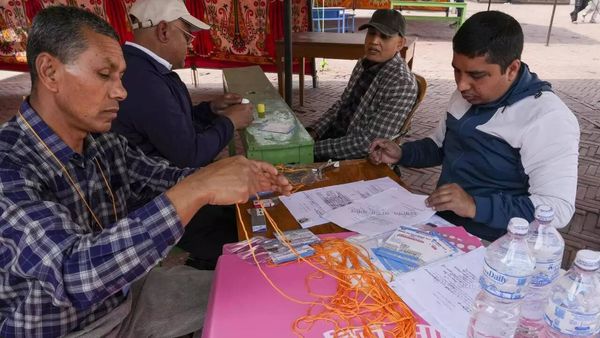
The year-old conflict in northern Ethiopia has taken a toll on the country's ancient cultural heritage sites as well as inflictng an enormous human cost.
Some have been damaged by shelling, artefacts have been looted, and countless others are inaccessible to worshippers and pilgrims, according to local residents and priests. Religious leaders say scores of priests have been killed.
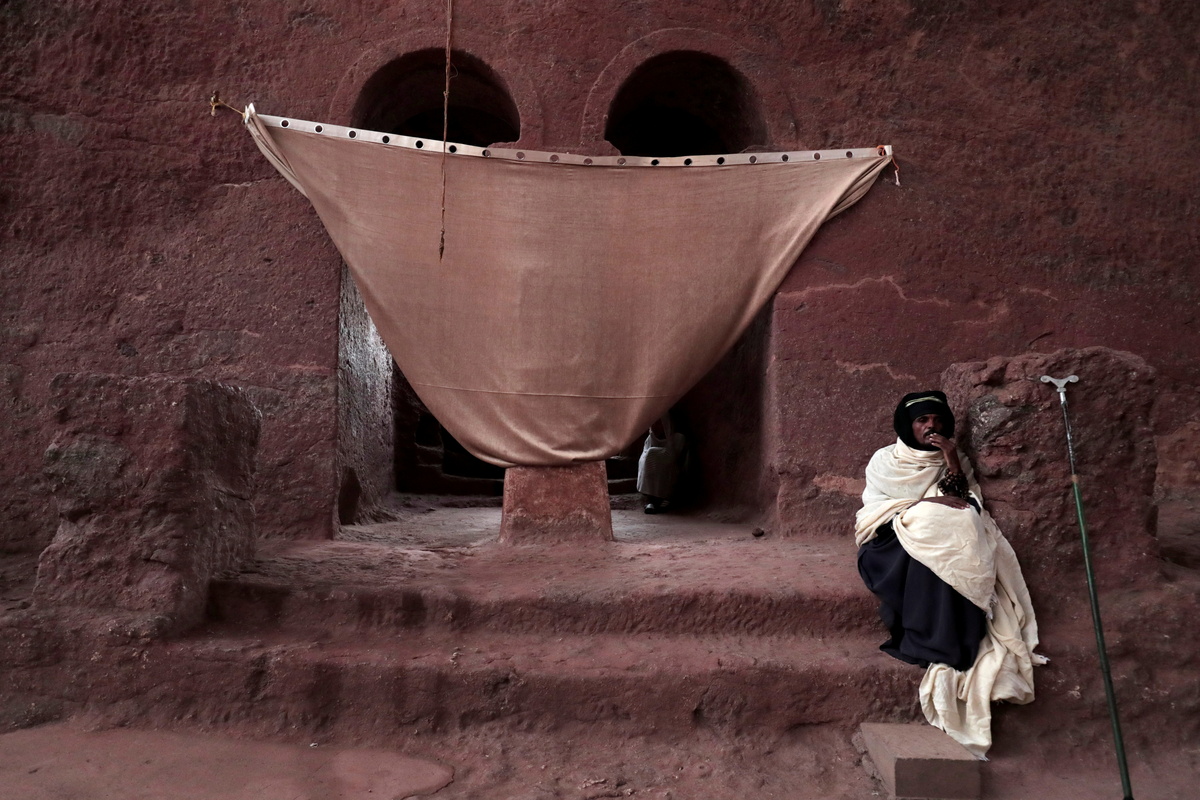
"Our treasures are in danger at this moment because of this conflict," said Birhan Yeshiwas, Historical Treasures Curator at the National Museum. "The treasures in our country are very ancient - we cannot find them elsewhere or replace them."
Here is an overview of some of the heritage sites affected by the war:
LALIBELA:
Construction at Lalibela, now a UNESCO World Heritage Site,
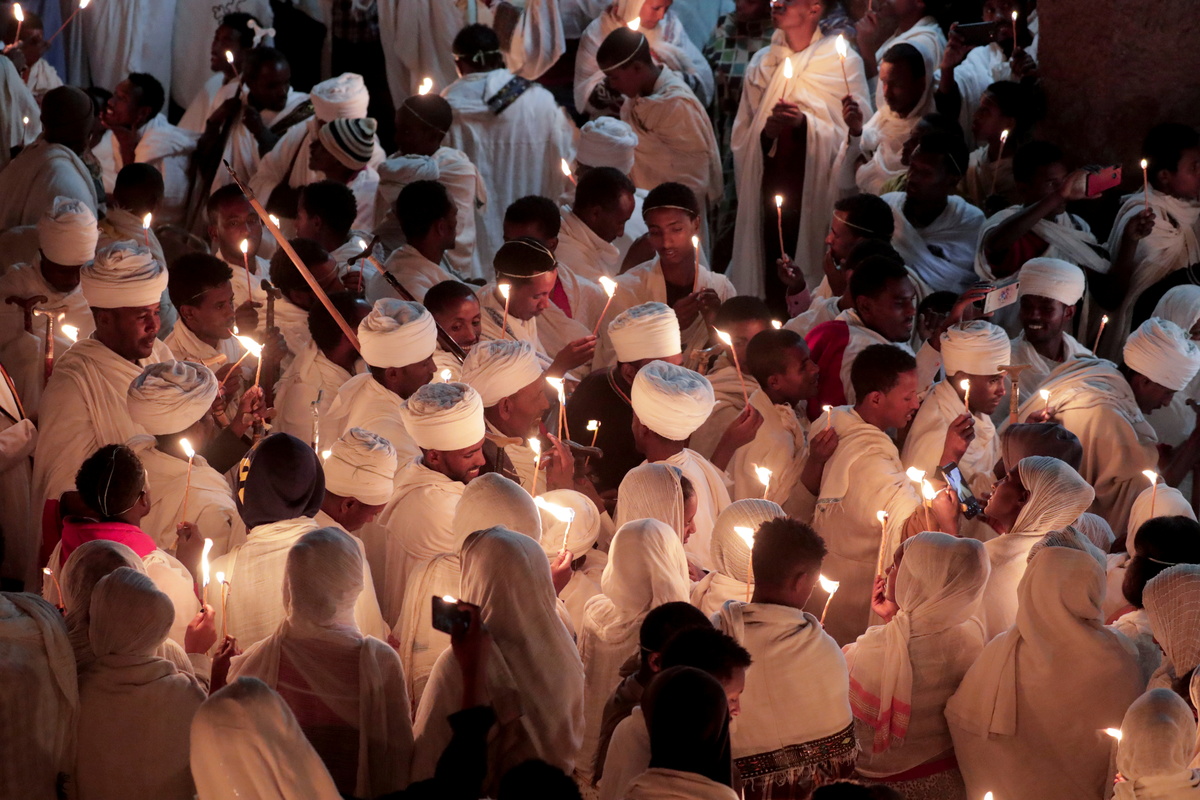
was begun by a 12th-century king of the same name. Its 11 grand churches are carved from rock and tens of thousands of pilgrims dressed in white cotton visit each year. Many Ethiopians walk weeks to reach Lalibela to commemorate Orthodox Christmas on Jan. 7.
The Tigray People's Liberation Front (TPLF) and its allies captured Lalibela, located in northern Amhara region, in August. There is no evidence of damage or looting and a buffer zone has been established around the perimeter, said Fentaw Alemu, a Lalibela guide.
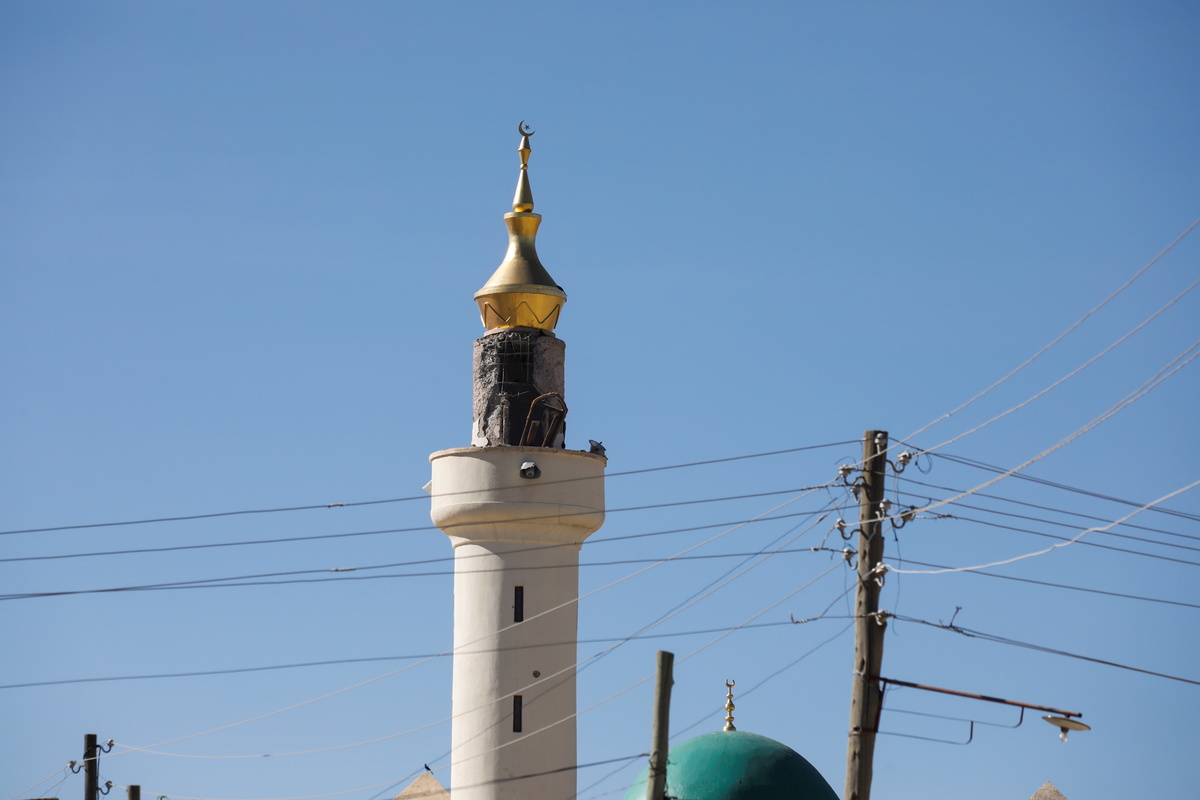
"Thousands and thousands visit Lalibela," Fentaw said. "Some people make a vow, for example saying, 'I will bring something for the church next year if my mother is cured of her illness.' Now these people cannot fulfill their vow."
AL NEJASHI MOSQUE:
Some of Prophet Mohammad's first disciples came to what is now Ethiopia to escape persecution in Mecca. They were given refuge by the Axumite Kingdom, whose capital was Axum in Tigray.
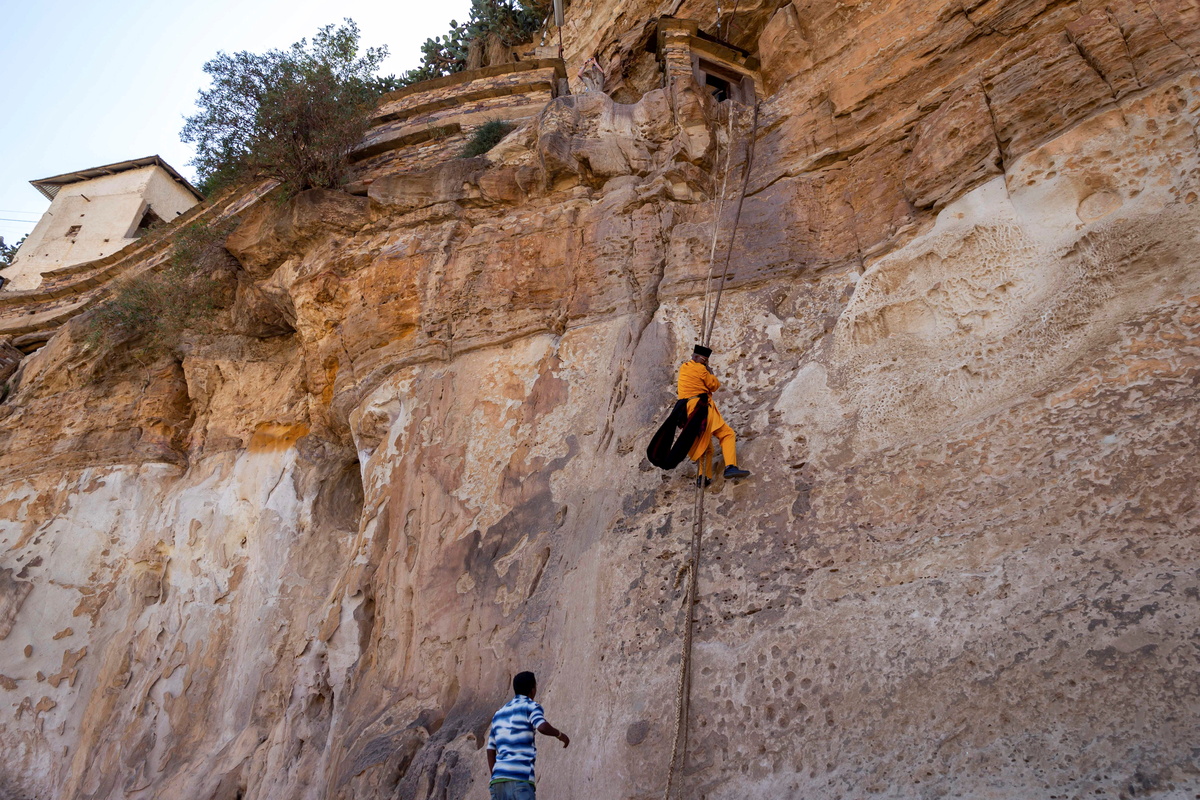
Historians say some of these disciples built al Nejashi Mosque. Although many eventually returned to current-day Saudi Arabia, 15 are said to be buried at the mosque. Turkey funded renovations completed in 2018.
In November 2020, al Nejashi, in the town of Negash, saw heavy fighting between Tigrayan forces and Ethiopian troops and their Eritrean allies. The mosque sustained serious damage, pictures show. Local people accused Eritrean troops of shelling the mosque and looting the compound - a charge the Eritreans deny.
AXUM:
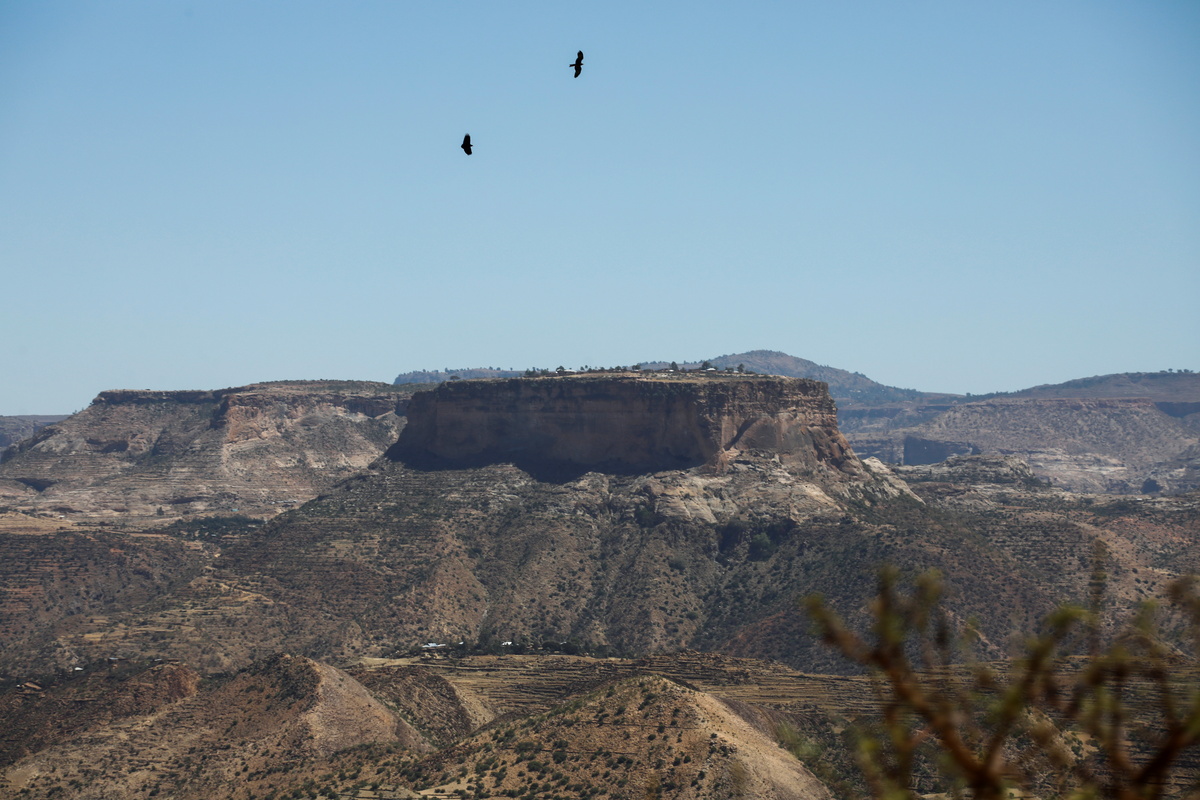
Axum, in northern Tigray, was the capital of the Axumite Empire, which spanned almost the entirety the first millenia AD. Today, the city is still dotted with several ancient engraved stone columns known as stelae. It is considered a rich archaeological site.
Its sacred churches include Axum Tsion, said to be built in the 4th century and rebuilt several times. Worshippers believe the church houses the Ark of the Covenant, an ornate box said to contain the two stone tablets inscribed with the Ten Commandments. Tens of thousands of Ethiopian Christians normally visit for the Festival of Tsion Mariam, celebrated at the end of November.
In mid-November last year, heavy fighting took place around the city. Amnesty international said that on Nov. 28, Eritrean soldiers killed at least 240 residents. Eritrea's information minister, Yemane Meskel, rejected Amnesty's report and said the organisation had made no attempt to seek any information from Eritrea.
DEBRE DAMO:
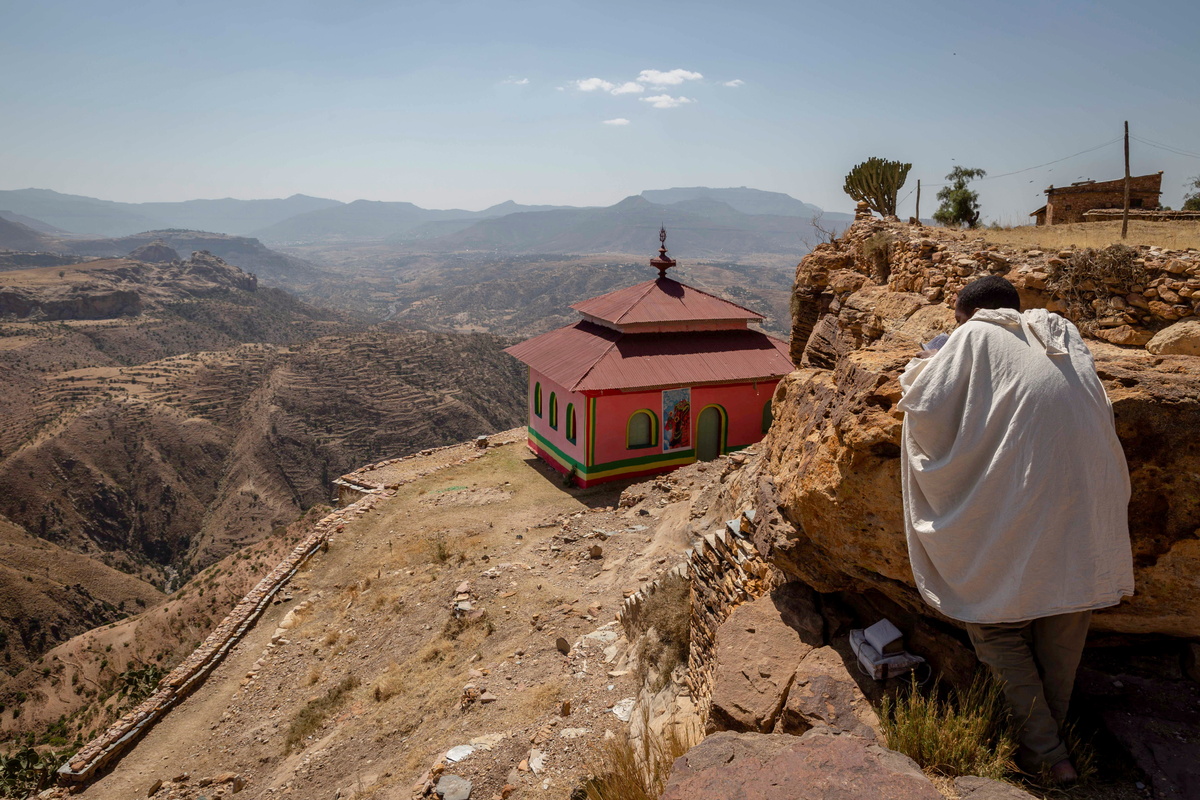
The monastery, famous for its its collection of ancient manuscripts, is believed to have been founded in the 6th century. Only men are permitted to visit; they must climb a rope up a 15-meter cliff to reach the top of the flat-topped mountain it is built upon.
Abune Mathias, Patriarch of the Ethiopian Orthodox Church, said in May, that several churches had been damaged or destroyed, including Debre Damo, where he said at least one monk was killed. He did not say who was responsible.
(Reporting by Ayenat Mersie; Editing by Angus MacSwan)