By any standards, Barcelona must be judged among the finest cities in the world.
Antoni Gaudí’s Sagrada Familia church is perhaps the most stunning sight of all, but then there is the vivid theatre that is the pedestrian thoroughfare of La Rambla, the gothic cathedral, the Camp Nou, the Gothic quarter and the verdant peace of the Parc de la Ciutadella (just leave your wallet in your hotel safe because the city’s infamous robbers can ruin your sightseeing day).
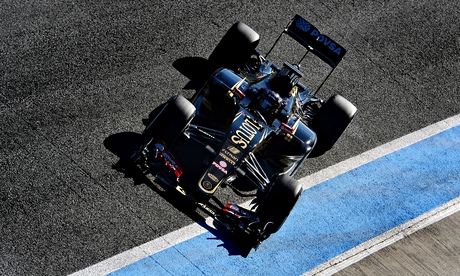
But Formula One fans will be turning their backs on all of this as they embark on the 40-minute drive out of the city to the Circuit de Barcelona-Catalunya, where the season’s second testing session will start on Thursday, followed by another four-day run next week. It is not that F1 fans are benighted – they’re just obsessed.
These eight days will provide us with only a glimmer of insight into what will actually happen when the new season begins on 15 March, at Melbourne’s Albert Park, one of the sport’s great occasions. The first test in Jerez this month offered at least a dull spark of insight. Mercedes showed us that they will once again be immense, probably too strong for anyone else. They were so confident that they were doing pit-stop training on the first day while the other teams were concentrating on just getting their cars out of the garage and on to the track.
McLaren, who hit the ground not running, face a difficult year, though their reunion with Honda was the only way for them to go. Ferrari appear to be on the brink of at least a partial recovery after not winning a race last year, even though their eye-catching pace in Jerez was surely misleading because the car appeared to be low on fuel, judging by their short runs. Red Bull, like McLaren, have much ground to make up.
But F1 is looking beyond Spain and even Melbourne at the moment. A meeting of the F1 Commission on Tuesday did not back plans for major rule changes – including wider cars and tyres – for 2016. But those changes, along with a power boost to 1000bhp, look likely to come in 2017.
The teams are split on the timing of all this, but there is a common desire to make the product more entertaining. The racing last year was often terrific, despite the dwindling crowds and a lack of coherent leadership in the sport. But other forms of motorsport are usually more exciting than F1, which is supposed to represent the ultimate experience.
The concept car images recently released by Ferrari and Red Bull are simply stunning and a clue to what could happen if the stylists, not the aero men, dictated design. And according to Ferrari, their car could be introduced without major changes to the regulations. Perhaps limpets’ teeth, just revealed as the strongest biological material ever tested, with the thinness of their tightly packed mineral fibres, are showing the way forward for car makers.
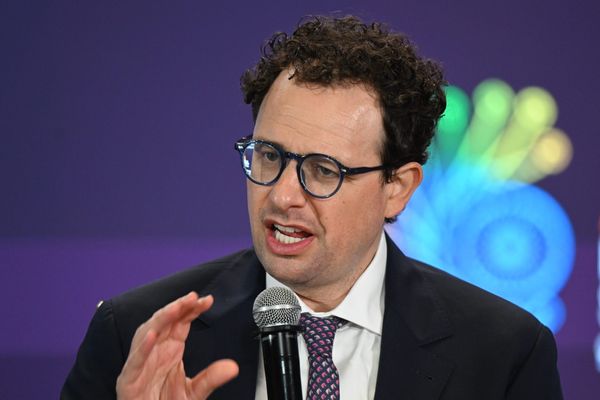
But as teams prepare for the new season they must think, first and foremost, of money, and the most worrying words this week have come from the Lotus team principal, Gérard Lopez, no less so because we have heard the message before.
Referring to the sport’s “archaic management”, he said: “The sport must reach out to the younger fans, namely engage them not only through TV, but also, and above all, via the internet and social media.
“What’s more, F1 does not have any genuine marketing department, which means there exists a significant untapped potential for commercial opportunities.”
He added: “While around $900m [£585m] are redistributed to the teams every year, the system keeps giving too much to the haves and too little to the have-nots. The gap is constantly growing, which in turn tarnishes the overall image of F1.
“Therefore, potential sponsors tend to show wariness when it comes to investing in the sport. All this could be fixed pretty easily, but unfortunately none of the other teams shares the same vision, nor the same agenda.”
Max Mosley, who was president of the FIA between 1993 and 2009, was not everyone’s cup of darjeeling with his maverick style, but even now, at 74, he gives us a reminder of the calibre of leadership the sport desperately needs.
Mosley’s solution is for the sport to split the money equally among the teams, who would be free to get as much sponsorship as they possibly could. His fear is that Marussia and Caterham will not be the last teams to run into serious difficulties, and that too much is being left to chance.
But Mosley, like Lopez, talks far too much sense for the mad world of Formula One.