A Russian patrol aircraft “repeatedly approached” the UK’s Carrier Strike Group as it operated in the Arctic last week, and was intercepted by two F-35 fighter jets, the Ministry of Defence said.
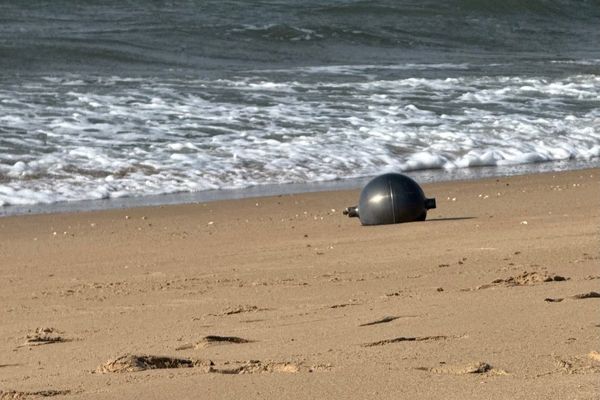
The Bear-F plane dropped a series of buoys into the water near to the HMS Prince of Wales aircraft carrier on Thursday last week, the MoD revealed.
It condemned the activity in the Norwegian Sea as “unsafe and unprofessional”.

An MoD spokesperson said: “While operating in the Norwegian Sea on Operation Firecrest, the UK’s Carrier Strike Group was repeatedly approached by a Russian ‘Bear-F’ maritime patrol aircraft.
“The Bear-F passed at low altitude and unnecessarily close to HMS Prince of Wales and dropped a large number of sonobuoys in close proximity to the carrier.
“This activity was unsafe and unprofessional. The Russian aircraft was intercepted and escorted by two UK F-35 jets from HMS Prince of Wales until it left the area.”
The UK’s Carrier Strike Group is currently deployed off Iceland under Nato command, with 1,500 British personnel on board.
The group consists of HMS Prince of Wales, Type 45 destroyer HMS Duncan, F-35 jets, Merlin and Wildcat helicopters, and is supported by RFA Tidespring.

The Bear-F, a plane which can be used for reconnaissance or as a bomber, is believed to have dropped tens of sonobuoys into the waters near the Prince of Wales.
The monitoring devices float on the water and use sonar to detect submarines and other vessels.
The British forces attempted to contact the Russian plane on international frequencies, but it did not respond.
Two F-35 jets then flew from the Prince of Wales to escort the Bear-F away from the Carrier Strike Group.
The Conservatives said the encounter “underlines once again that the threat from Russia is real”.
James Cartlidge, the shadow defence secretary, urged the Government to hike defence spending, and added: “Only by prioritising defence spending over a bigger welfare state can the Government hope to deliver the funding our forces need.
“That’s why we’ve repeatedly offered to support the Government, and work together in the national interest, to take the tough decisions necessary to cut welfare and back our armed forces with the resources needed to keep us safe.”

Defence Secretary Dan Jarvis visited UK forces on board the flagship HMS Prince of Wales over the weekend.
He told Channel 4 News: “We should be clear-eyed about the fact that the threat from Russia exists in every domain, under the water, on the water, on the land, in the sky, in space and in cyberspace as well.”
Mr Jarvis said “some of what the Americans have said in recent times is absolutely right”, and “Europe does need to step up”.
He also insisted that Andy Burnham, who is all but guaranteed to be the next prime minister, “understands the importance of defending our nation” and will make sure “we’ve got the resources we need to keep the country safe”.
Elsewhere, the UK Government has sanctioned the scientists and institutions responsible for developing the Novichok nerve agent used in the 2018 Salisbury assassination plot.
Dawn Sturgess died after coming into contact with the poison, which was used in an attempted assassination of former spy Sergei Skripal and his daughter Yulia.
The sanctions announced by the Foreign Office also targeted the Russians involved in the development of the Epibatidine toxin used against Alexei Navalny, a prominent opposition leader and critic of Vladimir Putin.