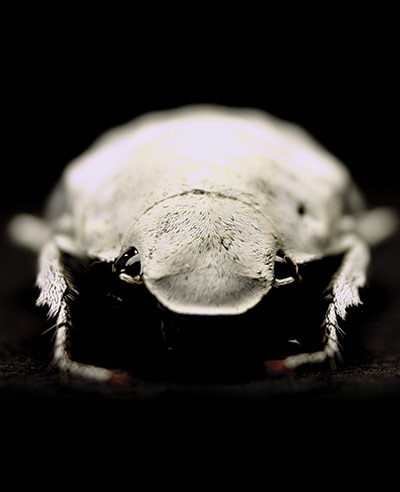
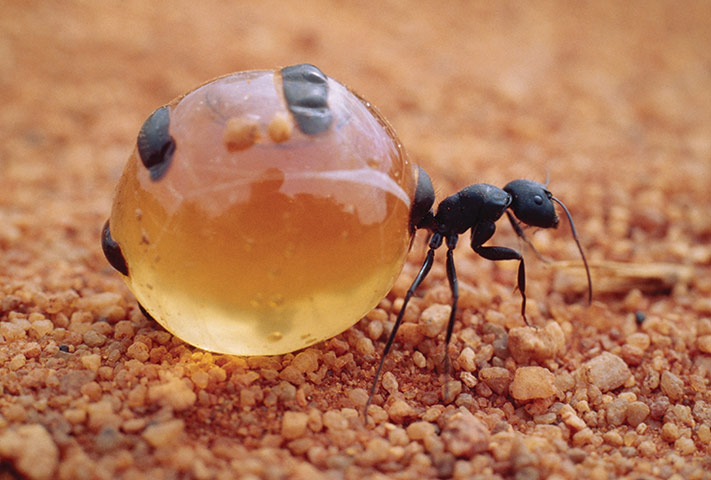
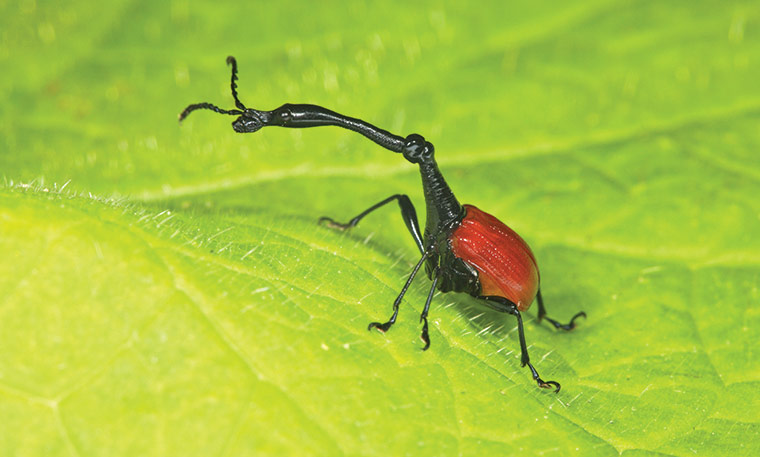
Whitest insect: Ghost beetle The ghost beetle is the whitest object found in nature - much whiter than teeth or milk. The beetle's whiteness is thought to be camouflage when set against the fungi it feeds on. It is caused by a dusty coating of pure white, overlapping, minute scales covering its head, body and legsPhotograph: Peter Vukusic/University of Exeter/Extreme Insects/HarperCollinsMost bloated: Honeypot ant The grossly distended abdomen of the honeypot ant, filled with glucose and fructose from nectar and honeydew, exploits the unpredictable food sources provided by desert flowers Photograph: NHPA/Extreme Insects/HarperCollinsLongest head: Giraffe weevil (Trachelophorus giraffa) The male giraffe weevil of Madagascar uses his long head for ritualised nodding competitions to attract a mate. But it is the female's long head that has a practical purpose: it is used to cut and roll a leaf in a cigar shape, into which she lays an eggPhotograph: Chris Mattison/www.photolibrary.com/Extreme Insects/HarperCollins
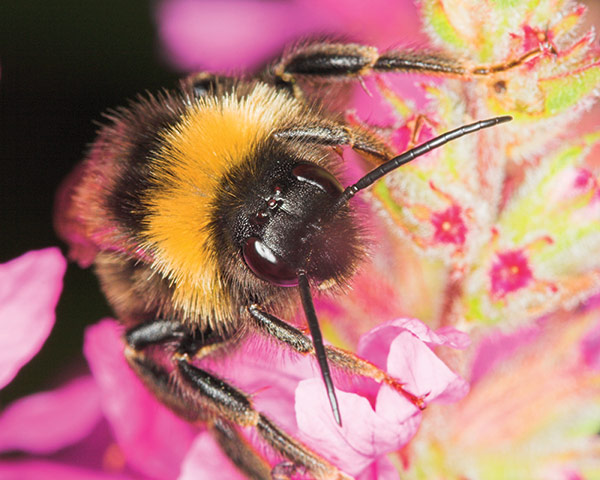
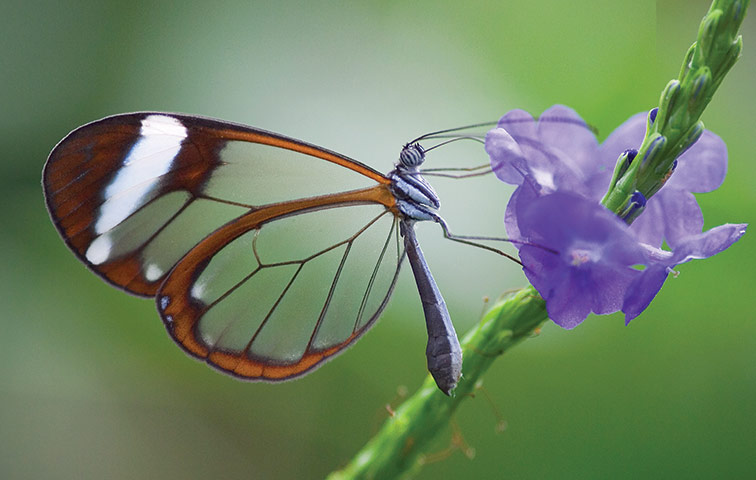
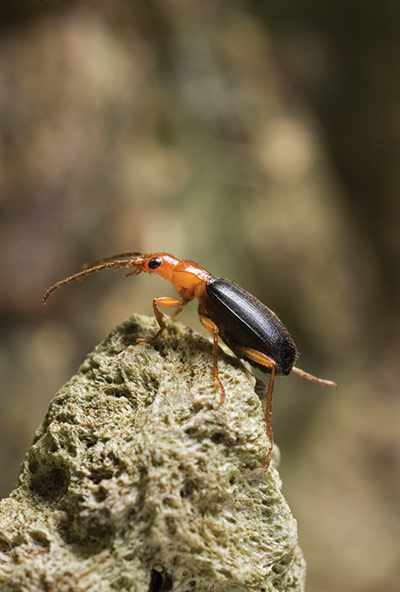
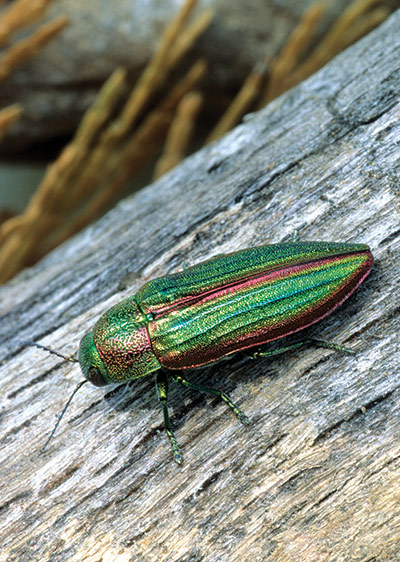
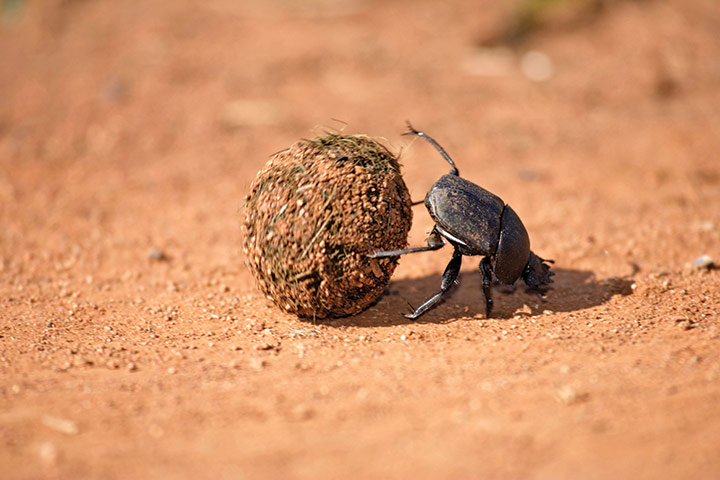
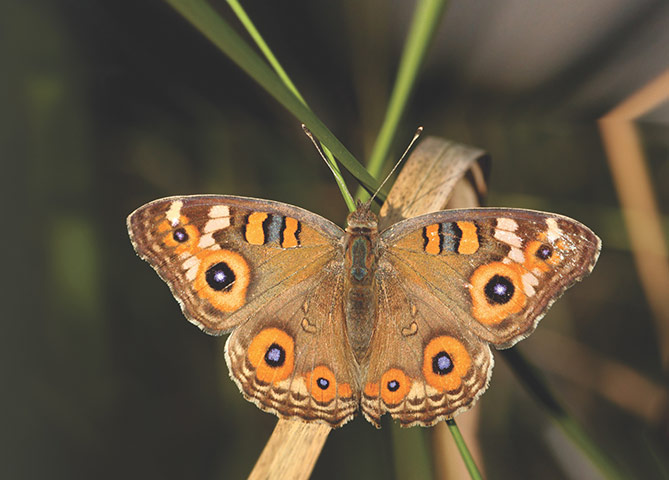
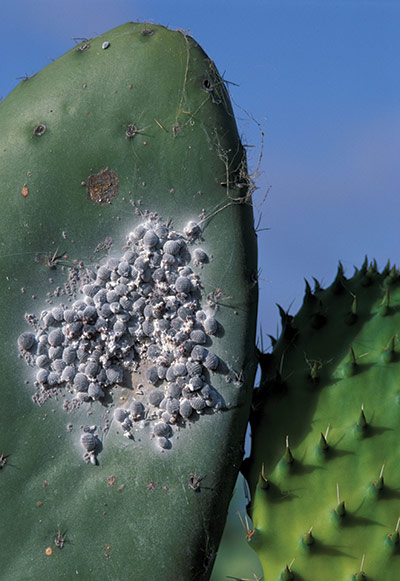
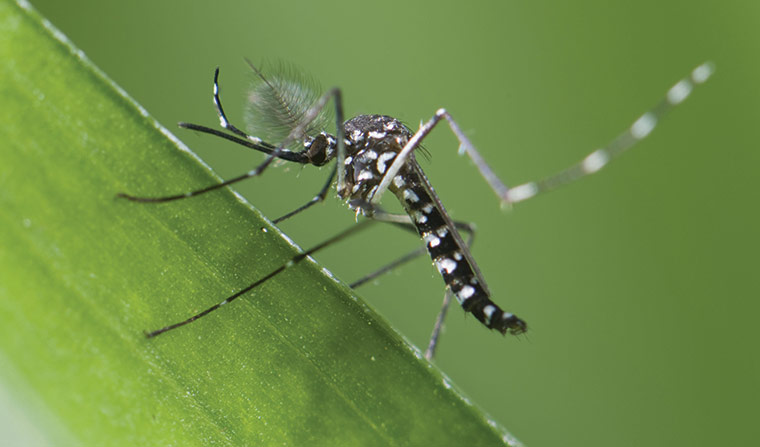
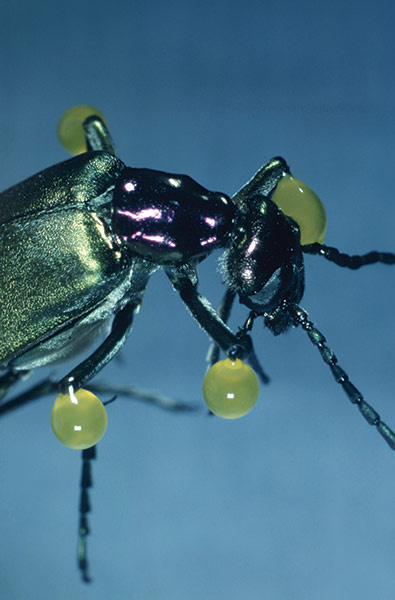
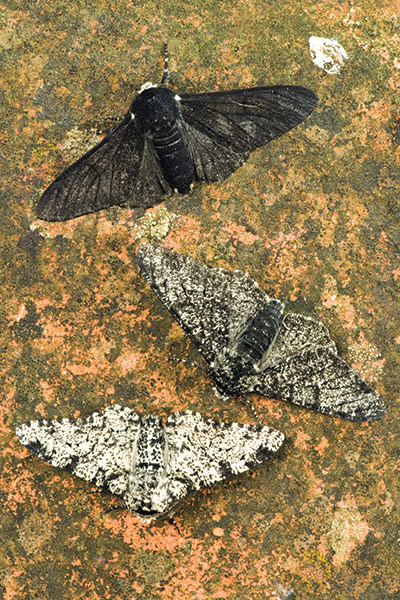
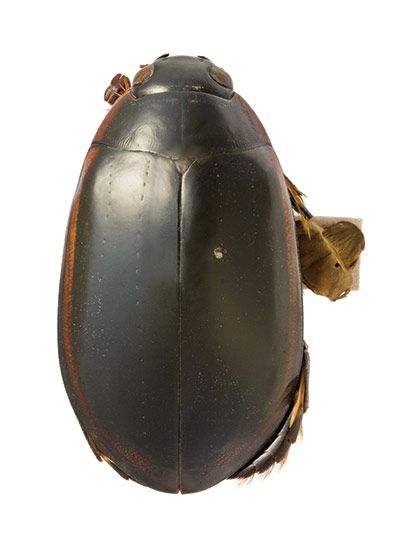
Furriest insect: Buff-tailed bumblebee (Bombus terrestris) In order to fly, bumblebees generate metabolic hear by shivering. Once airborne, the thick coating of 'fur' insulates them against the coldPhotograph: Barry Turner/Alamy/Extreme Insects/HarperCollinsMost transparent wings: Glasswing butterflies Glasswing butterflies are found all over the world but in the gloom of the rainforest, their transparent wings of make them appear invisible when they settle on a leaf or flowerPhotograph: ImageBroker/FLPA /Extreme Insects/HarperCollinsMost explosive insect: Bombardier beetle Bombardier beetles have developed their own explosive defence against predators. Inside the abdominal tip are two sets of paired glands that generate and store in separate reservoirs, the unstable chemicals hydrogen peroxide and hydroquinones . If threatened, the insect can release up to 20 stinging, hot, chemical cloudsPhotograph: Stephen Dalton/NHPA/Extreme Insects/ HarperCollinsLongest larval stage: Golden jewel beetle (Buprestis aurulenta) At 51 years old, the oldest golden jewel beetle larvae were found in British Columbia – and were still not fully grown. This beetle lays eggs on dying conifer trees and the larvae bore down to feed, normally for two to four yearsPhotograph: James Carmichael Jr/NHPA/Extreme Insects/HarperCollinsMost revered insect: Sacred scarabs of the ancient Egyptians Scarab beetles manipulate a ball of dung and bury it deep underground along with eggs, which feed on it when they hatch. The Egyptians took scarabs to be a symbol of the sun god Ra, with the dung ball representative of the sun being rolled across the sky. They were also linked to the Cheper, the god of creation, because of their seemingly mysterious emergence from the groundPhotograph: Arco Images/Alamy/Extreme Insects/HarperCollinsMost misplaced insect: Albin's Hampstead eye (Junonia villida) This butterfly intrigued and confused naturalists for 200 years – its natural range is Australasia and there is no way a live one could have been captured on Hampstead Heath in London. The confusion was due to mislabelling Photograph: Neil Bowman/FLPA/Extreme Insects/HarperCollinsMost eaten by humans: Cochineal (Dactylopius coccus) The deep crimson pigment produced by females has been used to colour cloth, cosmetics and food since the Aztec and Maya times Photograph: Bruce Coleman/Alamy/Extreme Insects/HarperCollinsMost unusual mode of range extension: Asian 'tiger' mosquito (Aedes albopictus) A major vector for dengue fever, the aggressive Asian tiger mosquito has been spread from south-east Asia to South America and Africa via the used tyre trade. The tyres accumulate rainwater and it is in these artificial pools that the insect breedsPhotograph: Roger Eritja/www.photolibrary.com/Extreme Insects/HarperCollinsStrongest human aphrodisiac: Spanish fly (Lytta vesicatoria) Its supposed aphrodisiac effects have been well known since the Greek and Roman times and the Marquis de Sade was accused of poisoning prostitutes with a concoction containing Spanish fly. Its oily secretions contain a chemical called cantharidin, which causes prolonged erections but also medical disorders that can lead to death. A dose fatal to humans can easily be supplied by a single beetlePhotograph: blickwinkel/Alamy/Extreme Insects/HarperCollinsBest example of evolution in action: Peppered moth (Biston betularia) The peppered moth is a textbook example of evolution in action. In polluted cities, the darker moths are common, whereas in non-polluted woods the paler specimens are found. Britain's anti-pollution laws are decreasing the numbers of trees blackened with soot and the so the moth has evolved to its former, paler selfPhotograph: Andrew Darrington/Alamy/Extreme Insects/HarperCollinsRarest: Duke water beetle (Megadytes ducalis) At 50 mm long, this is the largest water beetle ever found. However, there has been only one single specimen, and it is housed in the Natural History Museum Photograph: Natural History Museum/Extreme Insects/HarperCollinsExtreme Insects by Richard Jones is published by HarperCollinsPhotograph: Extreme Insects/HarperCollins
Sign up to read this article
Read news from 100’s of titles, curated specifically for you.