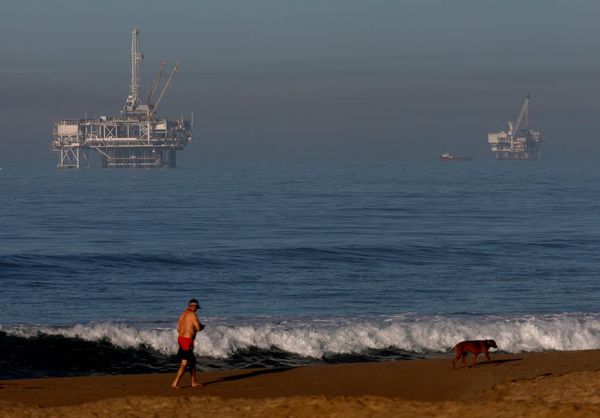
A heat wave of unprecedented magnitude is currently affecting vast regions of the United States, coinciding with a series of other natural disasters such as wildfires, storms, and severe flooding in various areas.
Wildfires in New Mexico
Two major wildfires in southern New Mexico have resulted in the tragic loss of two lives, the destruction of 1,400 structures, and the evacuation of over 8,000 residents. While recent precipitation has aided in containing the fires, it has also raised concerns about potential flooding risks, particularly in the aftermath of a dust storm triggered by thunderstorm winds.
Tropical Depression Alberto
The first named storm of the 2024 Atlantic Hurricane season, Tropical Depression Alberto, has caused significant damage in northeast Mexico and southern Texas. The storm made landfall near Tampico, Mexico, leading to heavy rains that claimed the lives of three minors in Nuevo León state. Although Alberto has been downgraded to a tropical depression, its expansive reach continues to bring strong winds and coastal flooding to southern Texas.
Impact of Extreme Heat


Approximately 94 million Americans are currently under extreme heat advisories, watches, and warnings, with the Midwest, Great Lakes, and Northeast regions experiencing scorching temperatures. The heatwave has already caused power outages affecting over 40,000 customers in Michigan, with Washington, DC, expected to reach temperatures of 100 degrees for the first time in years. These extreme weather events are exacerbated by the global climate crisis, with record levels of carbon pollution intensifying the frequency and severity of heat-related phenomena.
As the world grapples with these interconnected challenges, it is crucial for communities to prioritize preparedness, resilience, and sustainable practices to mitigate the impact of extreme weather events and address the underlying factors driving climate change.