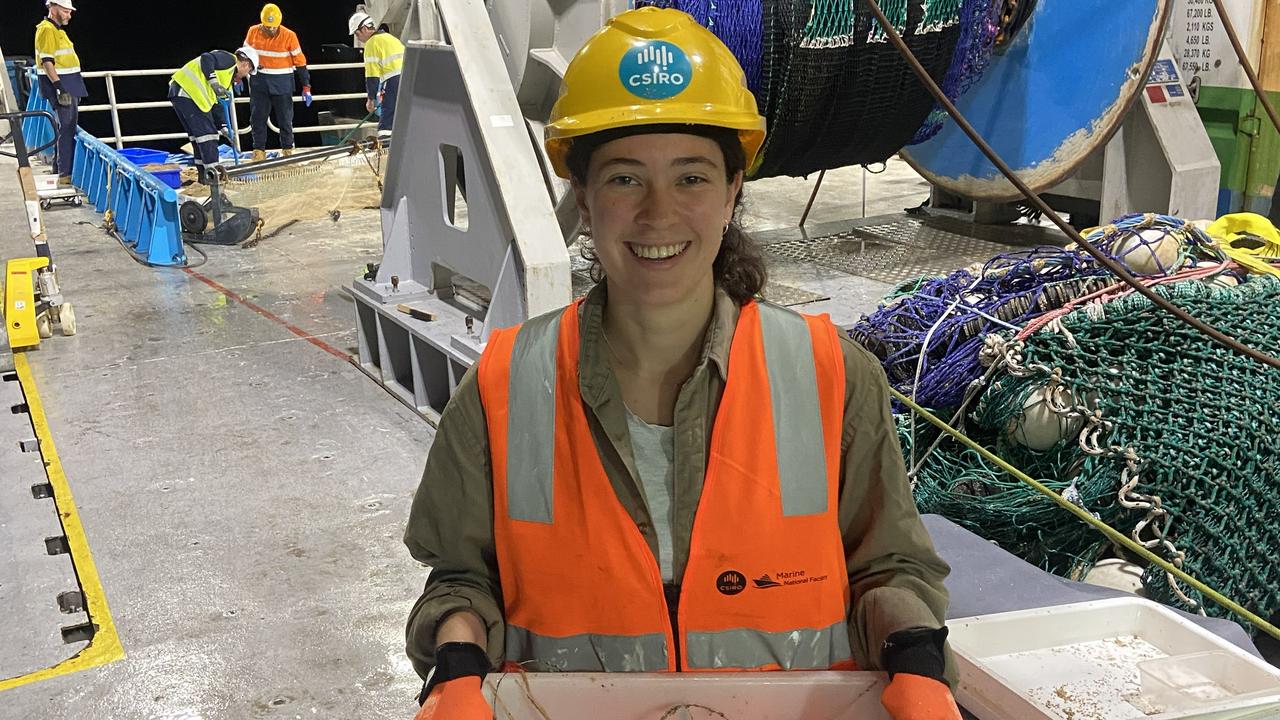
In the murky, unexplored depths off Australia's coast, scientists have uncovered a trove of marine life previously unknown to science.
A single expedition to the Coral Sea Marine Park, off Queensland's coast, has already discovered more than 110 new fish and invertebrate species.
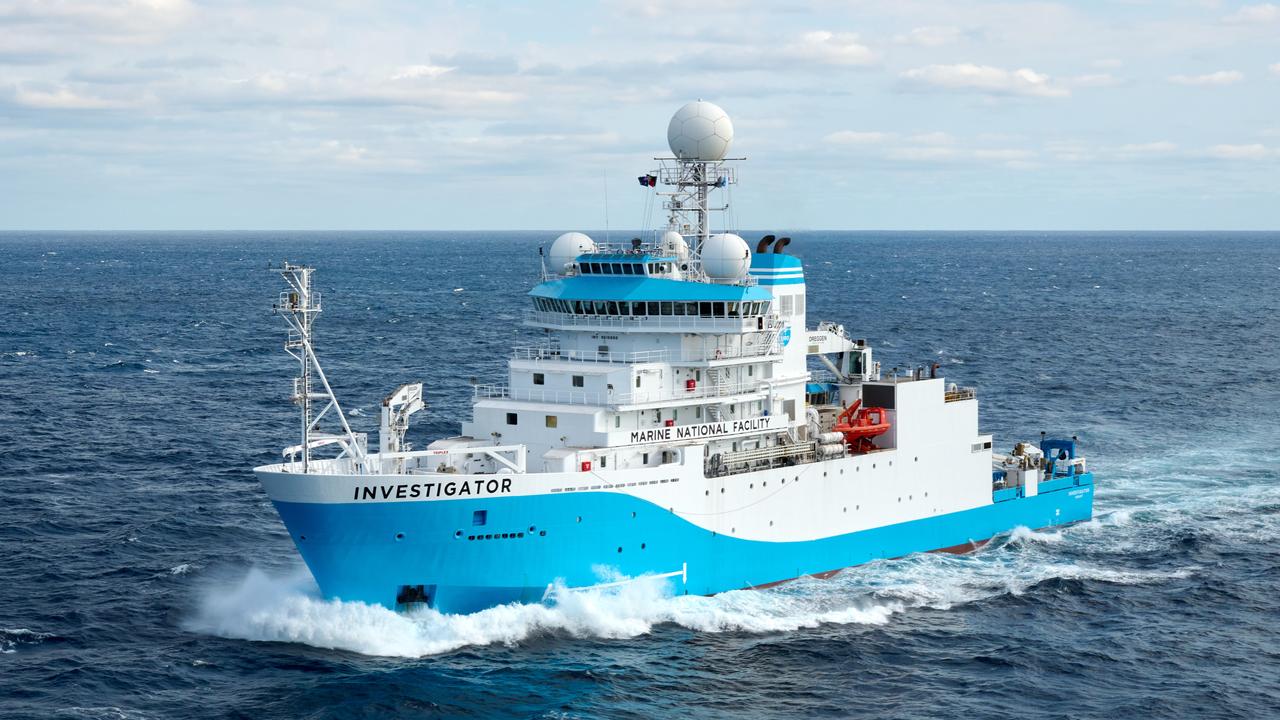
Researchers expect that to swell to more than 200 as analysis of the findings from the late 2025 voyage aboard a CSIRO research vessel continues.
The marine park, east of the Great Barrier Reef, spans nearly a million square kilometres, with its seamounts, atolls and deep reefs providing a trove of undiscovered life.
During the 35-day journey, launched from Brisbane in October, the crew made the discoveries at depths between 200 and 3000 metres.
Among them, voyage chief scientist Will White identified four new species himself: two rays, a deepwater catshark and a chimaera.
The chimaera, known alternatively as a ghost shark, ratfish or spookfish, is a soft-bodied fish capable of growing to nearly five feet in length and is most closely related to sharks and rays.
"During the voyage it was incredible to observe plenty of unique, deep-sea creatures in locations from seamounts and atolls to unexplored deep reefs," Dr White said.
High-resolution footage from the vessel's deep-towed camera captured elusive animals in their natural environment, including the sand tiger shark, a deepwater relative of the grey nurse shark.
"These incredible discoveries ... reveal the extraordinary life in our oceans and are crucial for protecting Australia's marine biodiversity," Dr White said.
Scientists collected hundreds of specimens that were later examined in what's thought to be Australia's largest marine taxonomy workshops.
International taxonomists classify species using DNA sequencing and traditional morphology - the study of an organism's physical structure.
The workshops confirmed new species of brittle stars, crabs, anemones, and other invertebrates never before sequenced in Australian waters.
Jellyfish, often difficult to identify due to their delicate morphology, were sampled prior to preservation, allowing for DNA analysis.
Researchers say the work has implications far beyond taxonomy, helping to inform conservation strategies for fragile marine ecosystems.
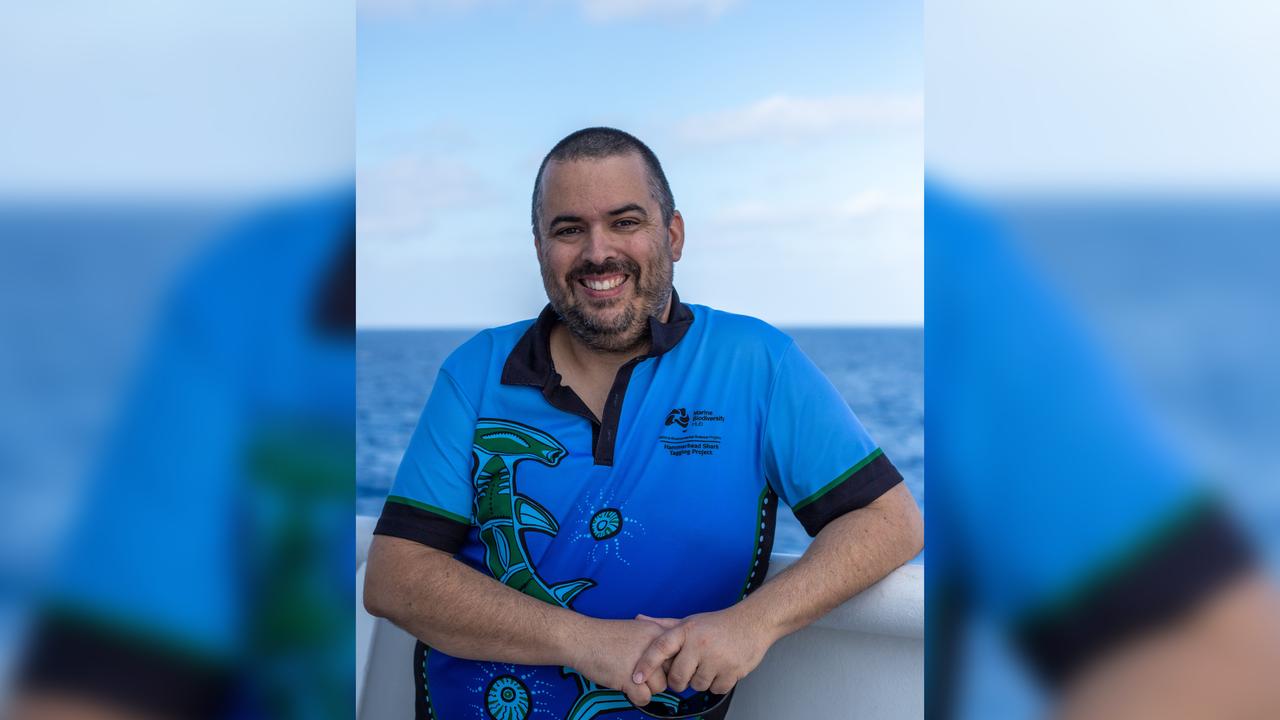
"By supporting research in remote and deep-water environments, we're strengthening our understanding of the Coral Sea Marine Park and improving how we protect it," Parks Australia's Shaun Barclay said.
"These discoveries will directly inform how we manage and conserve this globally significant marine ecosystem."
Specimens from the voyage are now housed in national collections, including the Australian National Fish Collection and state museums.
"By securing these specimens in national museum collections, we ensure they can be studied for generations to come," CSIRO's Dr Candice Untiedt said.