A convicted child rapist at the centre of Britain's notorious Rochdale grooming gang scandal has become the focus of an extraordinary diplomatic standoff after Pakistan reportedly demanded that the United Kingdom hand over Pakistani political dissidents living in Britain if it wants Islamabad to accept his deportation.
Get breaking news anytime, anywhere. Download the TOI app now!
The demand has added a new political dimension to an already contentious case. Instead of discussing the return of a man convicted of sexually abusing children, Pakistan is reportedly linking the issue to the extradition of critics of its government based in the UK.
According to the UK Telegraph, Pakistan has told Britain that it is prepared to consider accepting Shabir Ahmed only if London addresses Islamabad's long-standing demands regarding political activists and dissidents residing in the UK.
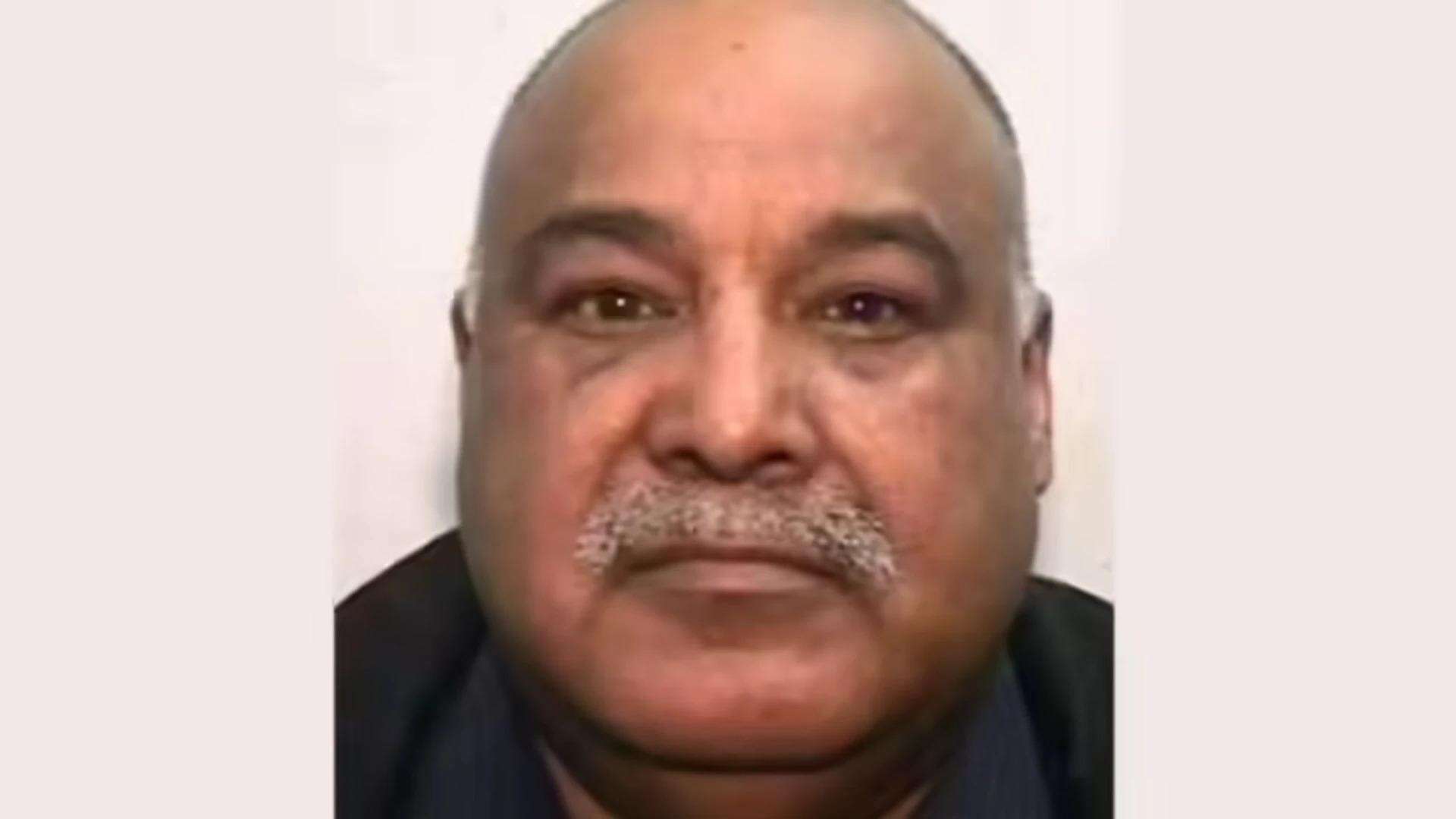
Ahmed, 73, was released from prison last week after serving 14 years of a 22-year sentence for 30 child rape offences. Known as "Daddy" to his victims, he preyed on vulnerable girls as young as 12, supplying them with alcohol and drugs before subjecting them to repeated sexual abuse as part of the Rochdale grooming gang.
Why UK wants Pakistan's nod
Despite being stripped of his British citizenship, Ahmed cannot currently be deported because the Immigration Act 1971 protects certain Commonwealth citizens who arrived in Britain before 1973 and have lived there for at least five years.
Pakistan has also refused to accept Ahmed and two other convicted grooming gang members, arguing that they are no longer Pakistani citizens after renouncing their nationality.
However, a senior Pakistani government official told The Telegraph that Islamabad was willing to think "out of the box" and "beyond normal procedures" if Britain addressed Pakistan's own concerns.
Those concerns centre on several political dissidents living in the UK. Pakistan has repeatedly sought the extradition of figures including former minister Shahzad Akbar, journalist and former military officer Adil Raja and London-based Muttahida Qaumi Movement founder Altaf Hussain.
Last December, Pakistan formally sought the extradition of Akbar and Raja over allegations relating to "fake news" and anti-state propaganda.
"There are people using British soil to destabilise Pakistan, in violation of several British laws, but the UK has done absolutely nothing about them," a Pakistani official told Telegraph.
"The UK tells us these miscreants are law-abiding and following UK law. They tell us they have to protect their human rights and free speech. We have shared evidence that they incite hatred, violence and social unrest, but the UK does not listen to us. Why double standards?"
'All options are on the table'
The official suggested that discussions over Ahmed's return had continued for nearly a year and insisted Britain could not expect Pakistan to cooperate without addressing Islamabad's demands.
"Our position is that they [the UK] must listen to us too. Both sides need to apply standards. Pakistan cannot be railroaded into agreeing to terms and conditions that are suitable only to the UK," he told the Telegraph.
"The UK knows what our demands are. We have made our demands and concerns categorically clear to the UK. Some people in the UK are only playing media games. They are not being honest."
The case has intensified pressure on the British government to change the law. Home secretary Shabana Mahmood is considering repealing parts of the Immigration Act 1971 that currently prevent Ahmed's deportation, while ministers have said all options, including emergency legislation, remain under consideration.
Border security and asylum minister Alex Norris also told the House of Commons that "all options are on the table" when asked whether legislation could be fast-tracked to enable Ahmed's removal from Britain.
The diplomatic dispute now leaves Britain facing two parallel challenges. One is finding a legal route to deport a convicted serial child abuser. The other is rejecting what critics view as Pakistan's attempt to tie the fate of a convicted criminal to demands for the extradition of political opponents living under British law.