
“Of all the places I have seen, Canton is the most overwhelmingly interesting, fascinating and startling. ‘See Canton and die’ I would almost say,” wrote the British explorer and travel writer Isabella Bird, in the 1870s.
The high-speed railway from Hong Kong makes Guangzhou, China’s third city, less than one hour’s travel from Kowloon station, so exploring what remains of old Canton, the historic port on the old maritime Silk Road, is more convenient than ever.
While most Chinese cities have polished, preserved and transformed their old quarters into fashionable heritage zones over recent years, Guangzhou has invested in modernist statement architecture, like the striking Guangzhou opera house, designed by the late Iraqi-British architect Zaha Hadid. It can be challenging to search for remnants of the old city which early Western traders dubbed Canton. The city has been accused of ripping down heritage buildings and turning its back on two millennia of Chinese history.
“Canton played a highly significant role in the development of trade and commerce between China and the rest of the world from the Han dynasty onwards,” says Libby Chan Lai-pik, assistant director of the Hong Kong Maritime Museum.
With a little effort, though, visitors will be rewarded with a glimpses of Guangzhou’s rich cultural heritage and its role as arguably the most important market on the maritime Silk Road and the principal source of much coveted Chinese tea, silk and export ceramics. When the Portuguese became the first Europeans to visit the city in 1517, they could hardly claim to have discovered it.
“We now know more from the archaeological evidence such as imported Islamic glasses, African pottery figurines, or the Persian style silver box in the tomb of the King Nanyue. All of these multicultural artefacts demonstrate an active sea trade between Canton and the rest of the world since the 1st century BC,” says Chan.
What drew the Europeans to Guangzhou (the British first arrived in 1700) was not curiosity or diplomacy but the same thing that had drawn the first Arab and Islamic ships, 900 years earlier; trade.
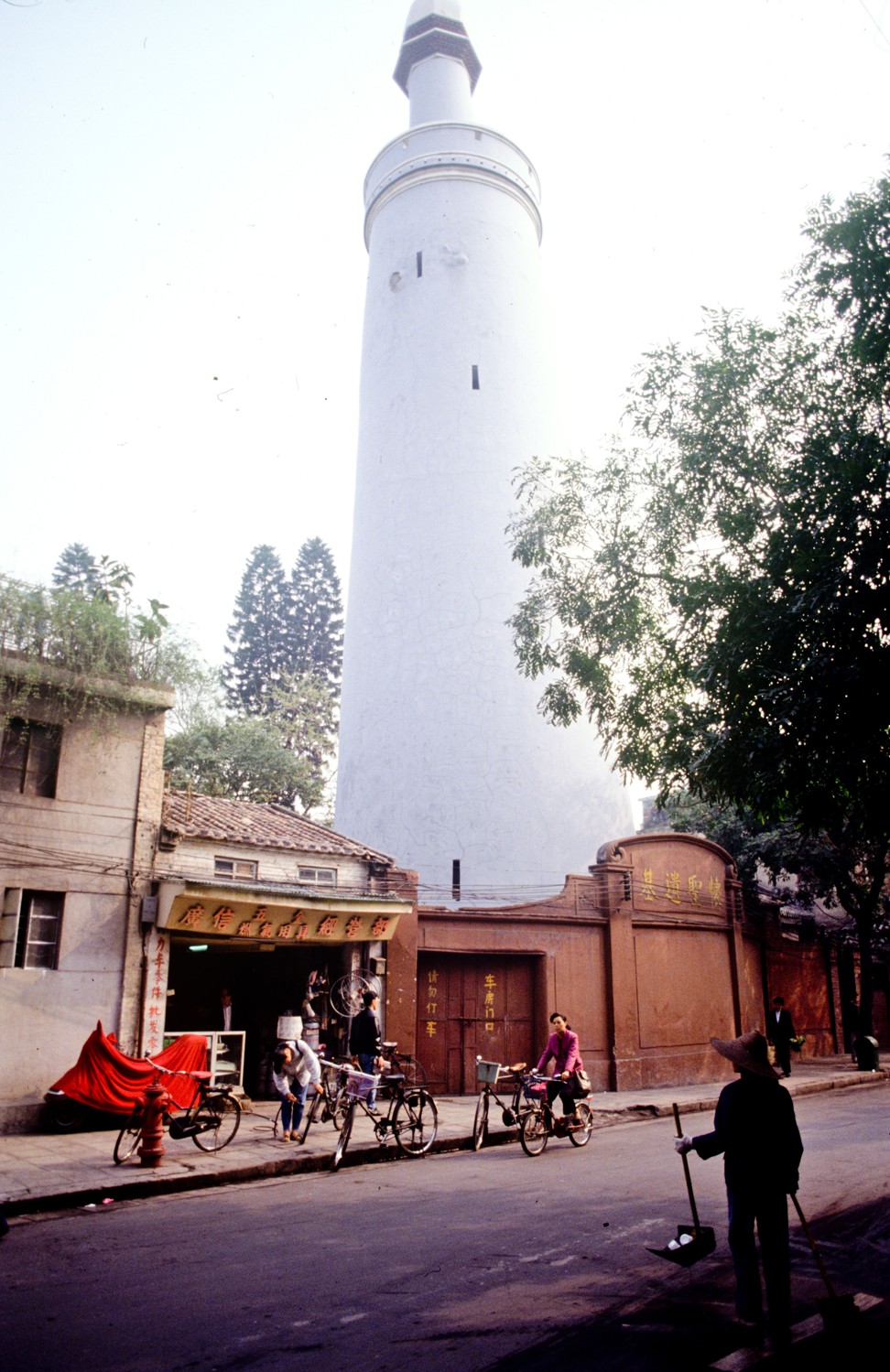
1. Huaisheng Mosque and the old Muslim quarter
Old mosques like the Huaisheng Mosque, or Lighthouse Mosque, so named for its distinctive white, 36-metre-high minaret, provides a reminder of the historic links between Guangzhou and the Middle East. “Islamic merchants and seafarers were essential to the development of Canton and the maritime Silk Road,” says Chan.
Many Chinese port cities have an old mosque, but this one is thought to be the oldest in China. First built in 627AD by Saad Abi Waqas, one of the important companions of the Prophet Muhammad, the complex is still used for prayer and religious ceremonies 14 centuries later. The mosque is open to the public, or at least, no one seems to object if you wander around discreetly.
This is still a traditional Muslim quarter and on the opposite side of Guangta Road, a narrow alley leads south to the banks of the Pearl River.
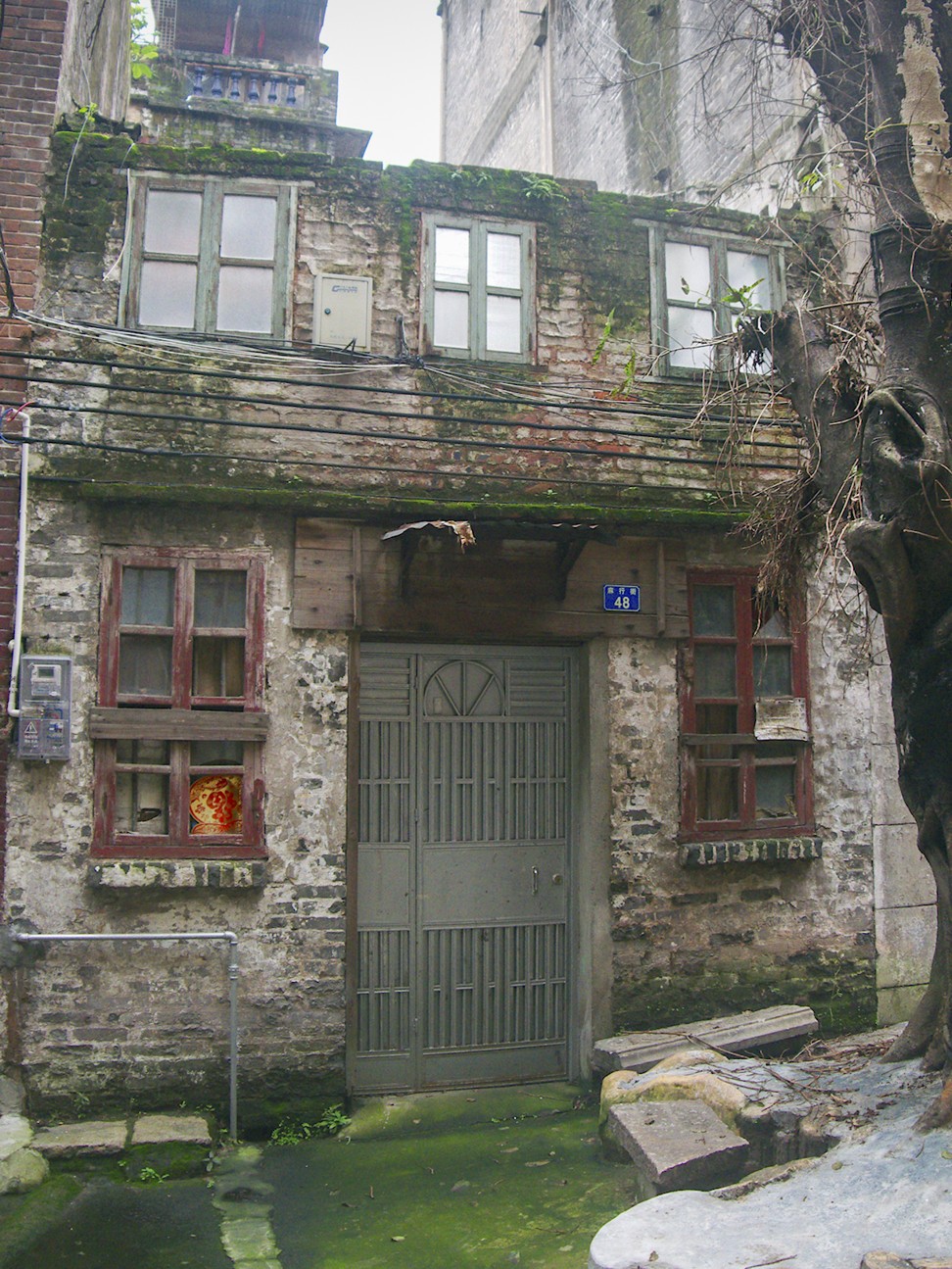
The lane, too narrow for cars, provides access to a labyrinth of narrow flagstone paved alleyways and streets lined with small shop houses, Halal restaurants, trees, rubbish bins and bicycles.
There are no designated heritage sites around here – just Guangzhou citizens going about their daily business with typical industry and zeal as they have done for centuries. Most locals seem armed with a trolley, barrow or bicycle laden with boxes or over flowing baskets.
The distinctive ripping noise of packing tape being wound around cardboard packing boxers from dispensers competes with the gentle melodic tones of an accordion emanating from one old brick-built house.
This commercial activity is what anthropologist Gordon Mathews describes as “low-end globalisation”, and local courier shops advertising special rates to Dubai and Saudi Arabia provide reminders of Guangzhou’s position on the old maritime Silk Road.
2. The Pearl river
On reaching the granite-paved boulevard lining the northern bank of the Pearl River some 1.5km to the south, pedestrians can imagine a time when this was a bustling waterway.
When Bird made her visit to the city in the 1870s, she estimated 200,000 people were living in houseboats on the river in addition to the countless sailing junks, sampans, steamers and other craft that plied its waters.
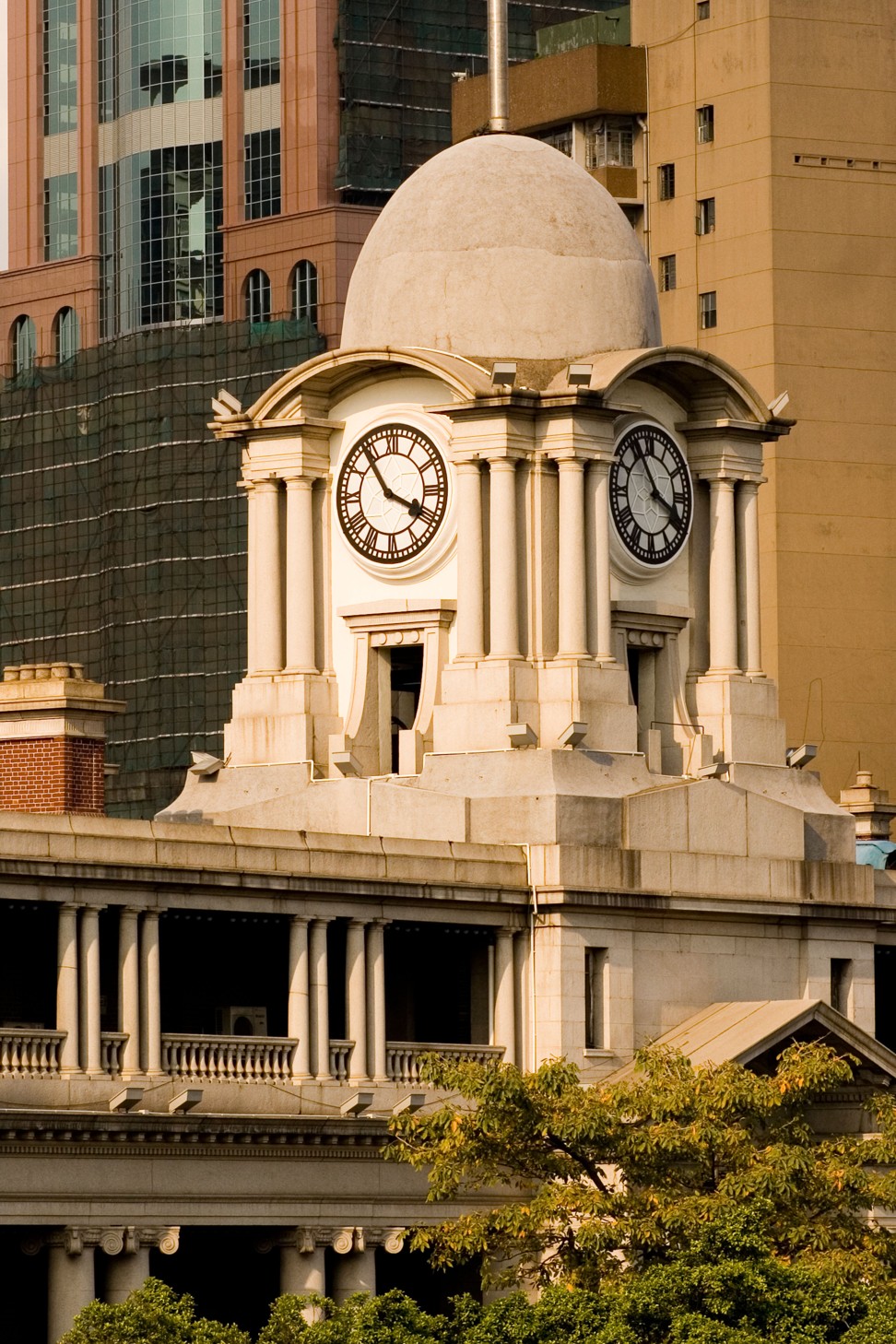
The commercial port has moved south to Nansha, but the impressive old Custom House and Post Office building remain overlooking the river, as do a few old cannons.
Visitors can sign up for a sightseeing cruise or take a ferry downriver to Whampoa Island, which was the designated anchorage for visiting Western ships in the 19th century. It’s also the site of the Huangpu Military academy set up Sun Yet-sen in 1924 in an attempt to modernise the army of the nascent Chinese republic.
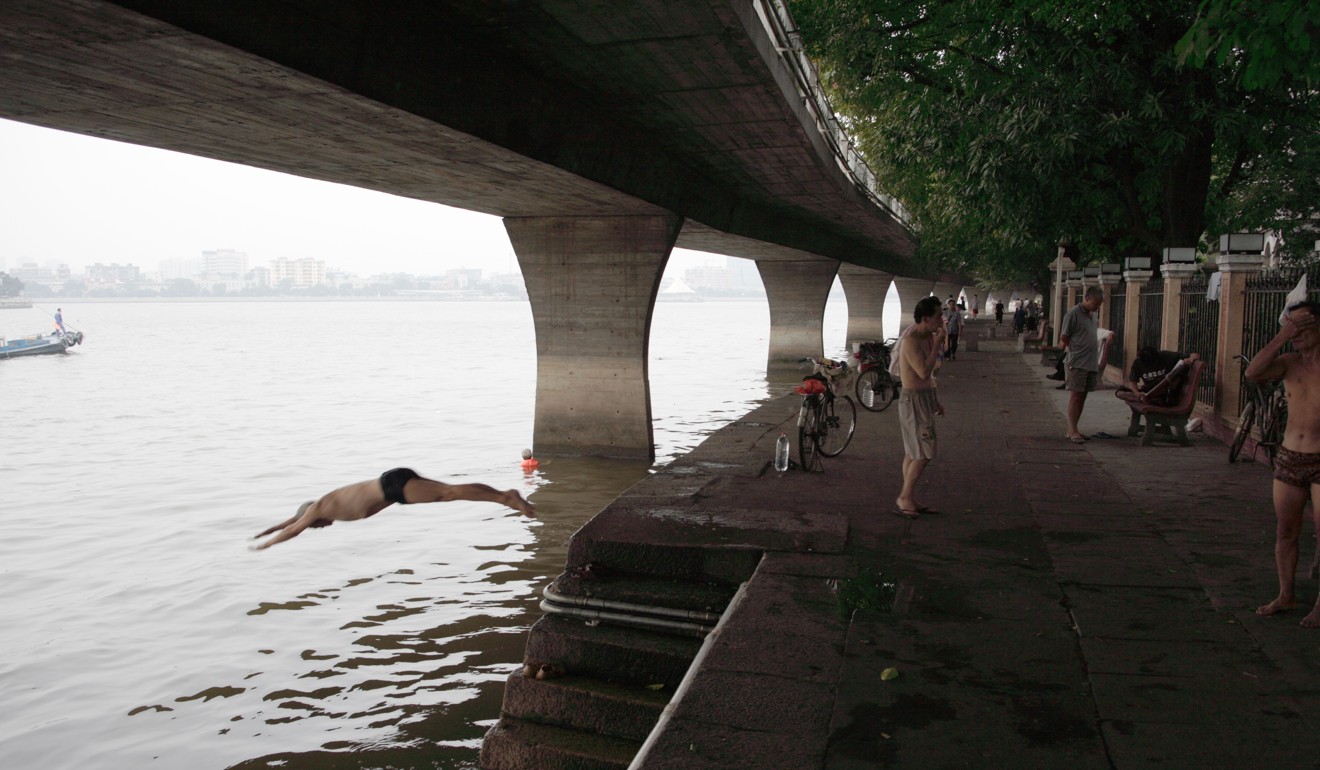
Nearby, it’s also possible to witness the Pearl River swimmers, thought to have historical links to the pearl fishing industry which gave the river its name.
Intrepid elderly men and women in unflattering swimming costumes lower themselves from stone steps, every morning and evening, to take a swim in the fast-flowing, murky water.
3. Shamian Island
Walking eastward along the promenade leads to the ornate bridge connecting historic Shamian island to the rest of Guangzhou. The low-lying sand bank was leased to the British in September 1861 as part of the unequal treaties agreed after the second opium war (1865-60) for the sum of 360,000 copper cash per year.
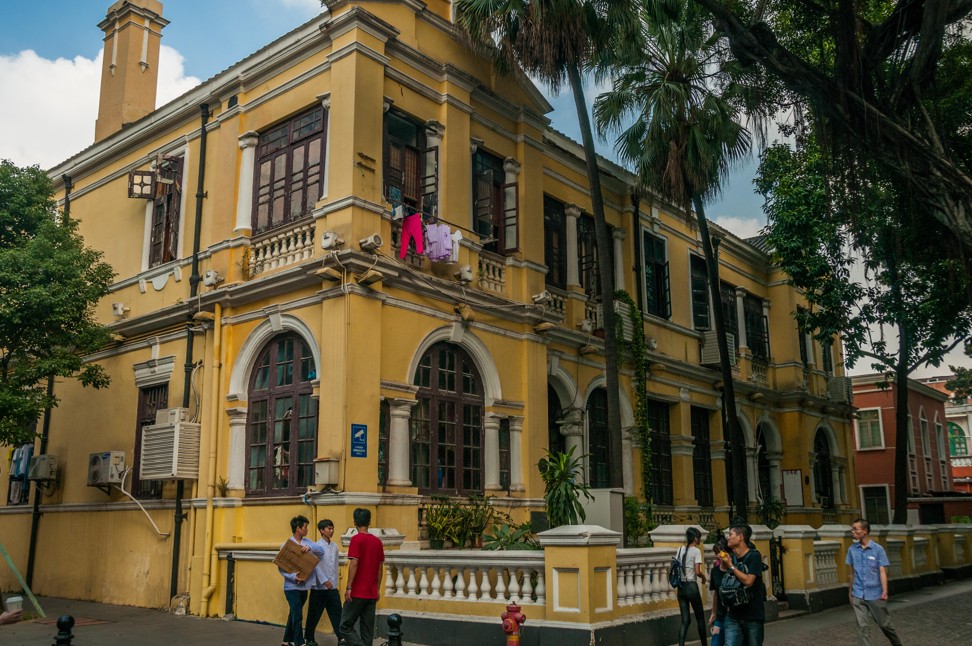
The impressive British-built consulate constructed in 1865 is still here and this attractive cultural anomaly is a 15-hectare zone of Western colonial-style buildings, many of which have been restored and reinvented as coffee bars, upmarket tea houses and antique shops.
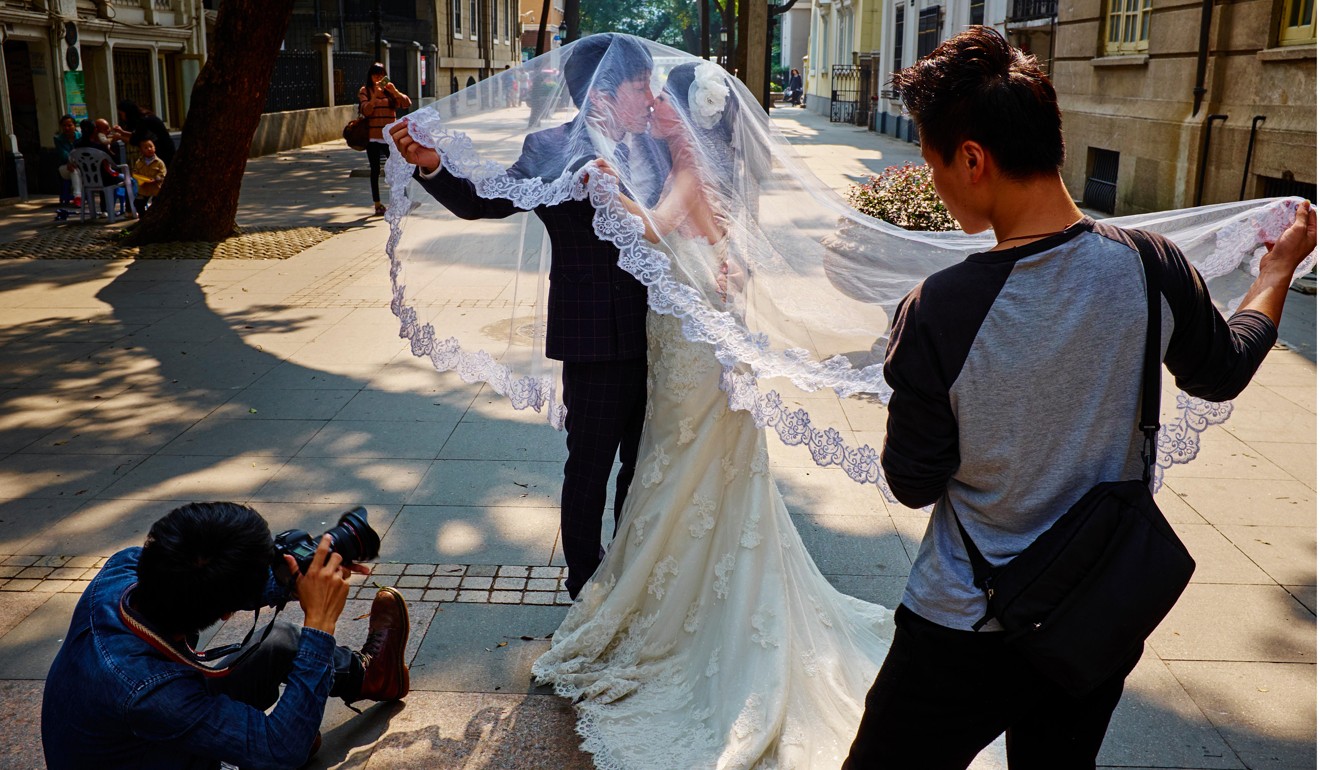
It’s a very popular location for wedding photographs too and offers a welcome oasis from the interminable action of the city. Some of the buildings look a little neglected. Damp laundry hangs from some of the balconies where British or French taipans once strutted about in their finery.
The Europeans were evicted by the People’s Liberation Army in 1949 at the conclusion of the Chinese civil war, but the small footbridge at the western extreme of the island is still known by locals as English Bridge. This is also the location of China’s first Western-style high-rise hotel, the White Swan, opened in 1983 as part of Deng Xiaoping’s great opening up effort.

4. Culture Park
A short walk under the inner ring road flyover leads to Culture Park, a pleasant but unexceptional Chinese city park complete with artificial waterfalls, carp ponds and park benches.
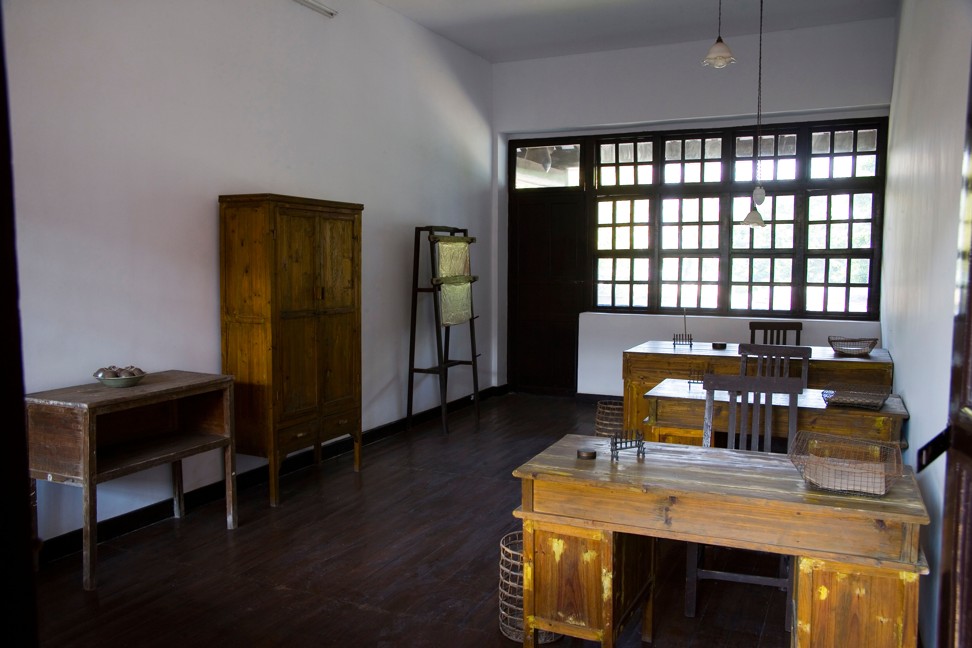
Though not immediately obvious, it’s an important part of old Canton, for this was the original site of the Foreign Factories or 13 hongs. These were at the epicentre of the so-called Canton trade undertaken by China and the West from the late 17th century onwards. Around 1700, a small plot of land was set aside for European traders, so they no longer had to live and conduct all business on board their ships.
The British East India Company built palatial premises on this land in 1715, but there is no longer any sign of them within the park. In 1730 the co-hong, the powerful guild of Beijing-sanctioned merchants, was charged with dividing the Western traders’ area into 13 lots, or the so called 13 hongs, and supervising the highly lucrative Canton trade.
In 2016 the authorities opened a small and well-presented museum in the park which traces the history of the 13 hongs, Guangzhou and the old port of Canton.