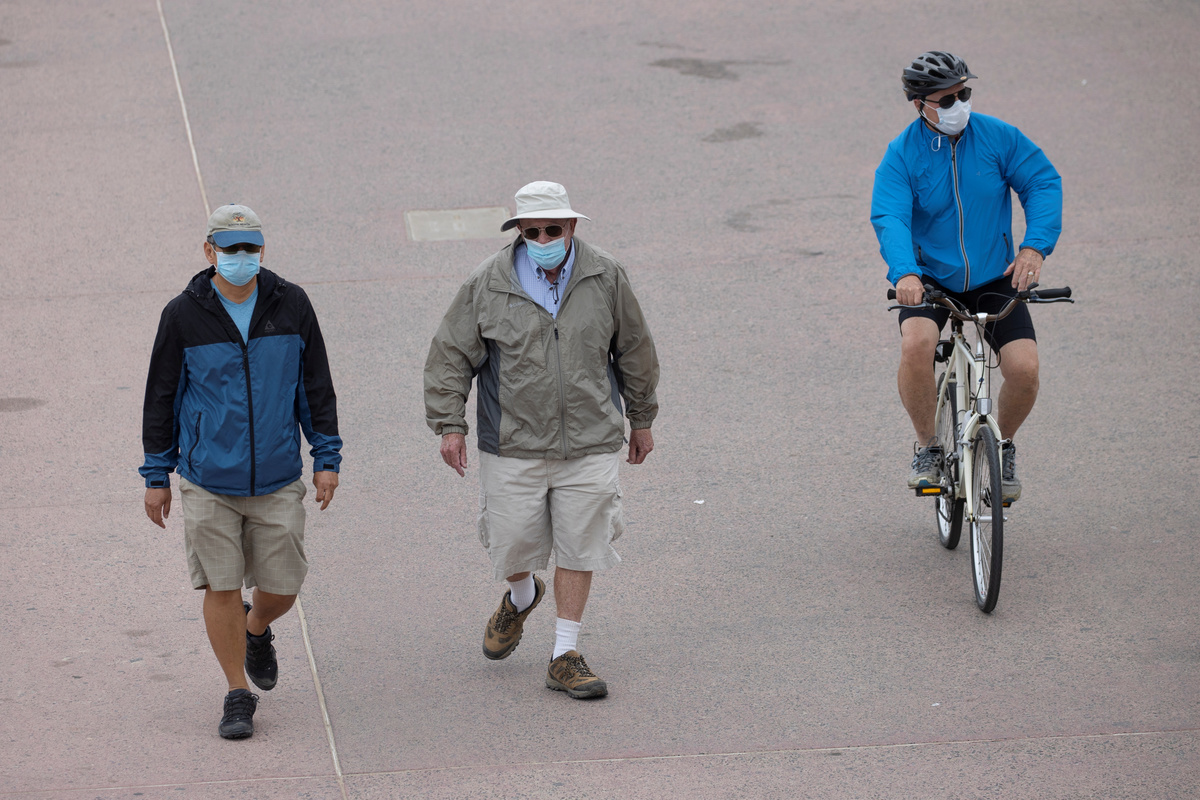
Lockdowns and social distancing measures introduced around the world to try and curb the COVID-19 pandemic are reshaping lives, legislating activities that were once everyday freedoms and creating new social norms.
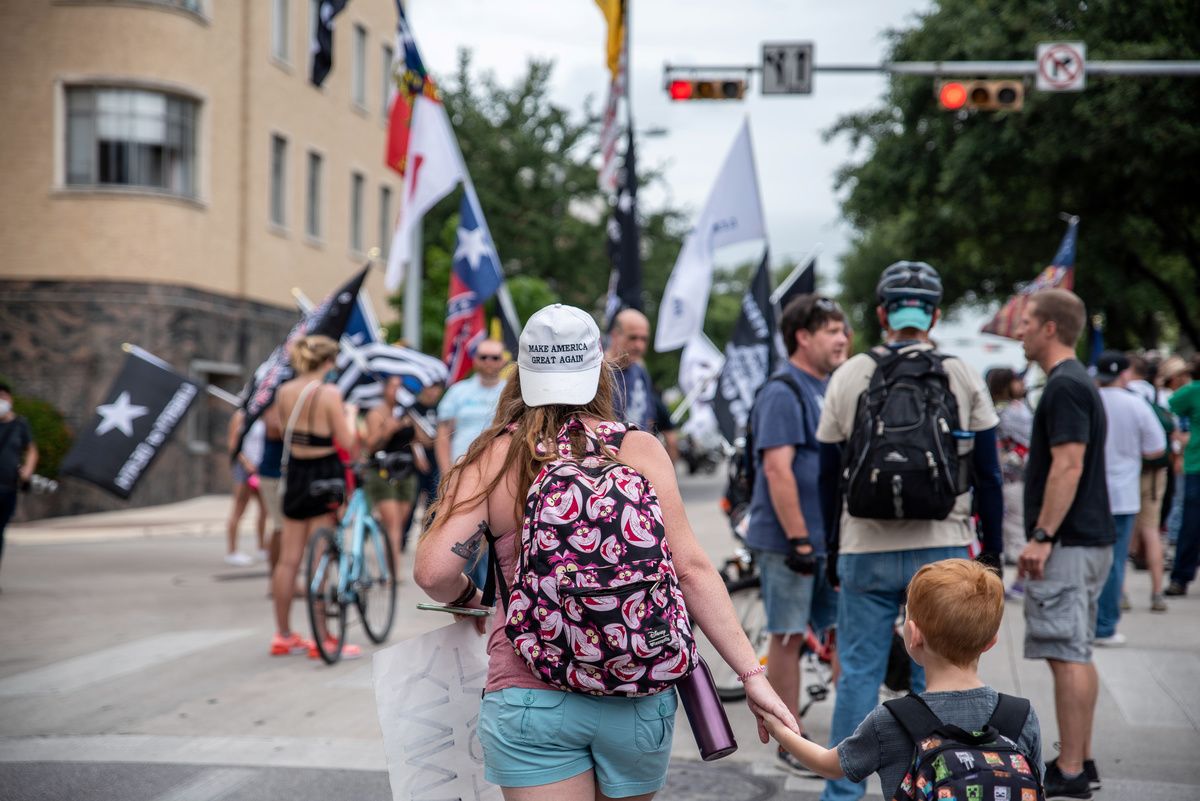
But there are always some people who don't play by the rules.
Rule-breaking is not a new phenomenon, but behavioural scientists say it is being exacerbated in the coronavirus pandemic by cultural, demographic and psychological factors that can make the flouters seem more selfish and dangerous.
Here are some questions and answers on the science of human behaviour during the COVID-19 pandemic:
WHAT MAKES SOME PEOPLE FLOUT AND OTHERS OBEY THE RULES?
A key factor is individualism versus collectivism.
"Some countries...tend to be higher on individualism, which is about expressing your sense of identity and who you are as an individual," said Jay Van Bavel, an associate professor of psychology at New York University.
People in individualist cultures tend to reject rules and ignore attempts by public health authorities to "nudge" behaviour change with risk messages or appeals for altruism.
"If you say, for example, that wearing a mask will help protect others, people in individualistic cultures just care less," said Michael Sanders, a expert at the Policy Institute at King's College London.
In collectivist cultures, people are more likely to do what's best for the group.
Researchers said the United States and Britain were examples of individualist cultures while Asian cultures tended to be collectivist.
ARE TRUST AND FEAR IMPORTANT?
Yes. These and other instincts are significant influences on human behaviour.
In societies with more political division, for example, people are less likely to trust advice from one side or the other, and also tend to form pro- and anti-camps.
Optimism and fear are also crucial. A little of both can be positive, but too much of either can be damaging.
"In a situation like a pandemic, (optimism) can lead you to take risks that are incredibly dangerous," said Van Bavel.
WHY IS SOCIAL DISTANCING DIFFICULT?
"We are truly social animals," said Van Bavel. "Our bodies and brains are designed for connection and the pandemic in many ways goes against our instincts to connect."
That's partly why local outbreaks can crop up in bars and nightclubs, or religious ceremonies, weddings and parties.
"People have a hard time resisting that tendency for social and group connection."
IF RULE-BREAKERS ARE A MINORITY, WHY DOES IT MATTER?
"The problem is that, in a massive collective problem like the one we're facing now, if everybody breaks the rules a little bit, then it's not dissimilar to lots of people not following the rules at all," said Sanders.
(Reporting by Kate Kelland; Editing by Mark Heinrich)